Top 10 Blockchain Game Development Companies in the USA 2026
Blockchain gaming is becoming a bigger part of the gaming industry. This guide covers 10 blockchain game development companies in the USA, with their services, expertise, 2026 costs, and tips for choosing the right partner.
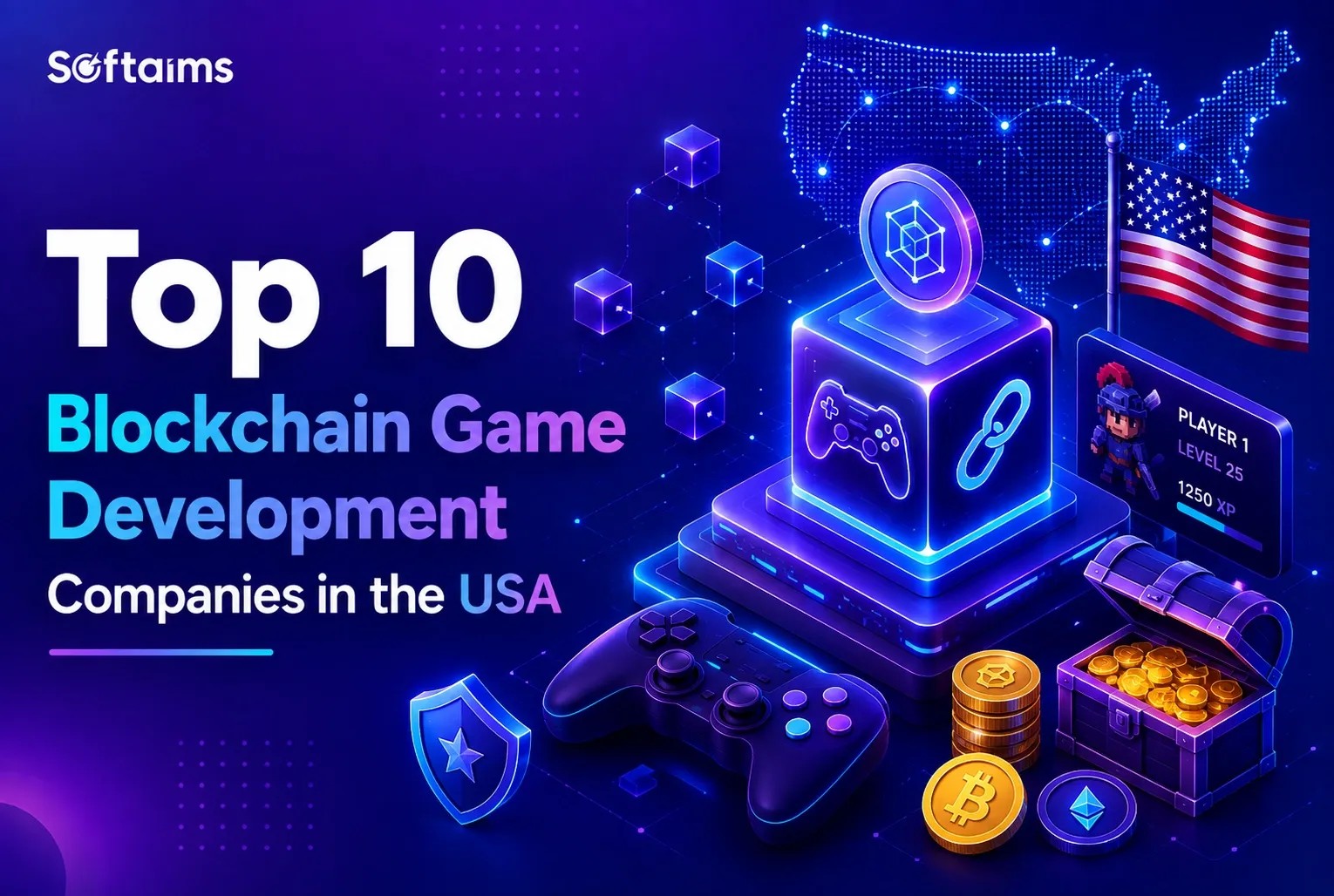
Table of contents
Key Takeaways
- Fun, security, and compliance all matter. US games must clear all three at once.
- The market is booming. US NFT gaming is expected to top $1 billion in 2026.
- Costs vary widely. A simple NFT game starts near $40,000, while metaverse titles top $300,000.
- Tokens can be securities. Plan for the SEC's Howey test before launch.
- Audits are non-negotiable. One unaudited contract can drain the entire treasury.
- Local presence now scales. Softaims pairs 24 US offices with a global vetted bench after the Devaims deal.
A blockchain game has to clear a bar no ordinary game does. It must be fun, secure, and legally clean, all at once. Most US studios are strong at one and shaky on the other two. So founders keep shipping slick tokens on boring games. Others ship fun games on contracts nobody audited, or a token a regulator could call a security.
That gap is where budgets and companies die. The play-to-earn graveyard is full of US projects that nailed the economy and forgot the fun. Others lost their treasury to an unaudited contract, or stalled when the SEC question they ignored finally arrived. Meanwhile the market is compounding, and the NFT gaming sector alone is expected to top $1 billion in 2026. So the wrong partner does not just waste money. It forfeits the lead.
This guide fixes that. It ranks the ten best blockchain game development companies in the USA for 2026. Each is vetted for gameplay-first design, on-chain security, and US-ready delivery. Softaims and Devaims open the list, followed by eight recognized US studios. If you would rather skip the agency hunt, you can also hire vetted blockchain developers and own the result outright.
Why Blockchain Gaming Is Booming in the USA
Blockchain game development companies are booming in the USA because Web3 gives players real ownership of in-game assets. American investors are funding it hard. Players own NFTs, trade them freely, and earn through play, which deepens engagement. So the US market is scaling faster than almost any other gaming category.
The numbers back it up. The global blockchain gaming market is projected to reach $1.35 trillion by 2034. In addition, US NFT gaming is expected to exceed $1 billion in 2026. In addition, on-chain gaming activity keeps climbing, as tracked by DappRadar. Therefore, the blockchain game development companies that build well now will lead the US market through 2027 and beyond.
This is also where gaming meets other frontier tech. US studios now blend Web3 with AI, using AI agents for smarter NPCs and generative AI for content. So the strongest US partners think far beyond the token, treating gameplay, AI, and economy design as one connected build.
How We Ranked These Blockchain Game Development Companies
We ranked these blockchain game development companies on gameplay quality, on-chain security, and US delivery, not marketing claims. A studio had to prove it ships fun games and secure smart contracts, with a genuine US presence. Each criterion below reflects what real Web3 projects demand.
Gameplay-first design. A token cannot rescue a boring game. Therefore, we favored studios where blockchain deepens play.
Smart contract security. Unaudited contracts lose treasuries. As a result, we weighted independent audits and secure practice.
US presence and delivery. Time zones, contracts, and compliance matter. So we confirmed a genuine US footprint.
Multi-chain experience. Ethereum, Polygon, Solana, and Ronin each fit different games. Moreover, we valued cross-chain fluency.
Post-launch support. Web3 economies need tuning after launch. Consequently, we valued studios that stay for live ops.
Best Blockchain Game Development Companies in the USA: Comparison Table
The best blockchain game development companies in the USA for 2026 are Softaims, Devaims, Cubix, Kevuru Games, and Game-Ace. HashCash Consultants, Starloop Studios, Mythical Games, Rapid Innovation, and RisingMax complete the list. This table compares each on location and focus.
Company | Location | Core focus | Best for |
| Softaims | US and global, 24 offices | Hiring vetted blockchain and game developers | Local presence plus a global bench |
| Devaims | US (24 offices) | End-to-end game builds, a Softaims brand | Accountable US-based delivery |
| Cubix | West Palm Beach, FL | NFT and blockchain game development | Monetization-ready P2E games |
| Kevuru Games | Austin, TX | AAA-quality NFT games and art | High-end, console-grade Web3 titles |
| Game-Ace | Florida | NFT-enabled game development | Blockchain woven into gameplay |
| HashCash Consultants | Palo Alto, CA | Blockchain gaming, NFT, tokens | Token and exchange integration |
| Starloop Studios | United States | Web3 integration into game frameworks | Adding Web3 to existing games |
| Mythical Games | Los Angeles, CA | Web3 game studio and platform | Mainstream-scale Web3 titles |
| Rapid Innovation | United States | AI and blockchain, compliance-first | Regulated, production Web3 systems |
| RisingMax | New York, NY | Blockchain and NFT game development | Enterprise Web3 game builds |
Details reflect public profiles as of 2026 and can change, so verify each firm before you commit. Softaims and Devaims appear first, then eight recognized US studios.
The Top 10 Blockchain Game Development Companies in the USA
The top blockchain game development companies in the USA for 2026 are led by Softaims and Devaims. Eight recognized US studios across Florida, Texas, California, and New York follow. Each profile below gives an honest note, so you can match a partner to your game.
1. Softaims
Best for: Hiring vetted blockchain developers directly, with a real US presence.
Softaims is a vetted developer marketplace. So you hire pre-screened blockchain and game engineers directly, instead of commissioning a black-box agency. You get Solidity, Unity, and Unreal developers who have shipped real Web3 games, and you keep full control.
The model is simple. Instead of a fixed studio, you filter a live bench by skill, seniority, chain, and budget. Within 48 hours, you meet developers who have shipped smart contracts, NFT systems, and AI-powered features in production games. In short, you interview only people who can build.
The US angle is now a real edge. After acquiring Devaims in August 2026, Softaims pairs a global vetted bench with 24 US offices across 13 states. So a studio in Austin or a founder in New York gets talent it could never recruit locally. Better still, it keeps a partner accountable in its own time zone. When the work ends, the game and the contracts are yours outright. To begin, browse the developer bench, review the pricing, explore custom development, or contact the team.
2. Devaims
Best for: Accountable, full-cycle blockchain game delivery from a US team.
Devaims builds the whole game, so you get a finished product rather than a pile of parts. It owns scope, art, smart contracts, backend, QA, and a delivery date in writing. So a founder who cannot manage the build in-house still ships on time.
The strength is single-team accountability. One team owns the gameplay, the on-chain layer, and the OpenAI-powered features inside it. As a result, nothing falls through the cracks between a game studio and a separate blockchain vendor. Devaims works across custom software and mobile app development for web and mobile.
It suits US teams shipping a first serious Web3 game. Following an August 2026 acquisition, Devaims now operates as a Softaims brand, with 24 US offices behind it. So its delivery muscle and the Softaims vetted bench sit under one roof. See the full range at Devaims.
3. Cubix
Headquarters: West Palm Beach, Florida.
Cubix is a full-service US digital agency specializing in NFT and blockchain game development. It delivers complete solutions, from gameplay design and NFT asset creation to smart contracts and marketplace deployment. It builds high-quality Unity and Unreal experiences enhanced with blockchain.
Key services: P2E games, smart contracts, and NFT marketplaces.
Industries: gaming, collectibles, and metaverse.
Why choose them: monetization-ready games with balanced economies. Its strong US client base and structured process suit commercial titles.
4. Kevuru Games
Headquarters: Austin, Texas, with roots in Kyiv, Ukraine.
Kevuru Games is a US game studio known for AAA-quality Web3 titles and premium game art. It has worked on projects like Mechachain and Undead Blocks, plus art for major publishers. So it suits studios that want console-grade visuals with on-chain mechanics.
Key services: NFT games, game art, and full-cycle production.
Industries: gaming, entertainment, and NFT.
Why choose them: exceptional art and AAA production quality. It integrates blockchain without compromising performance or visual fidelity.
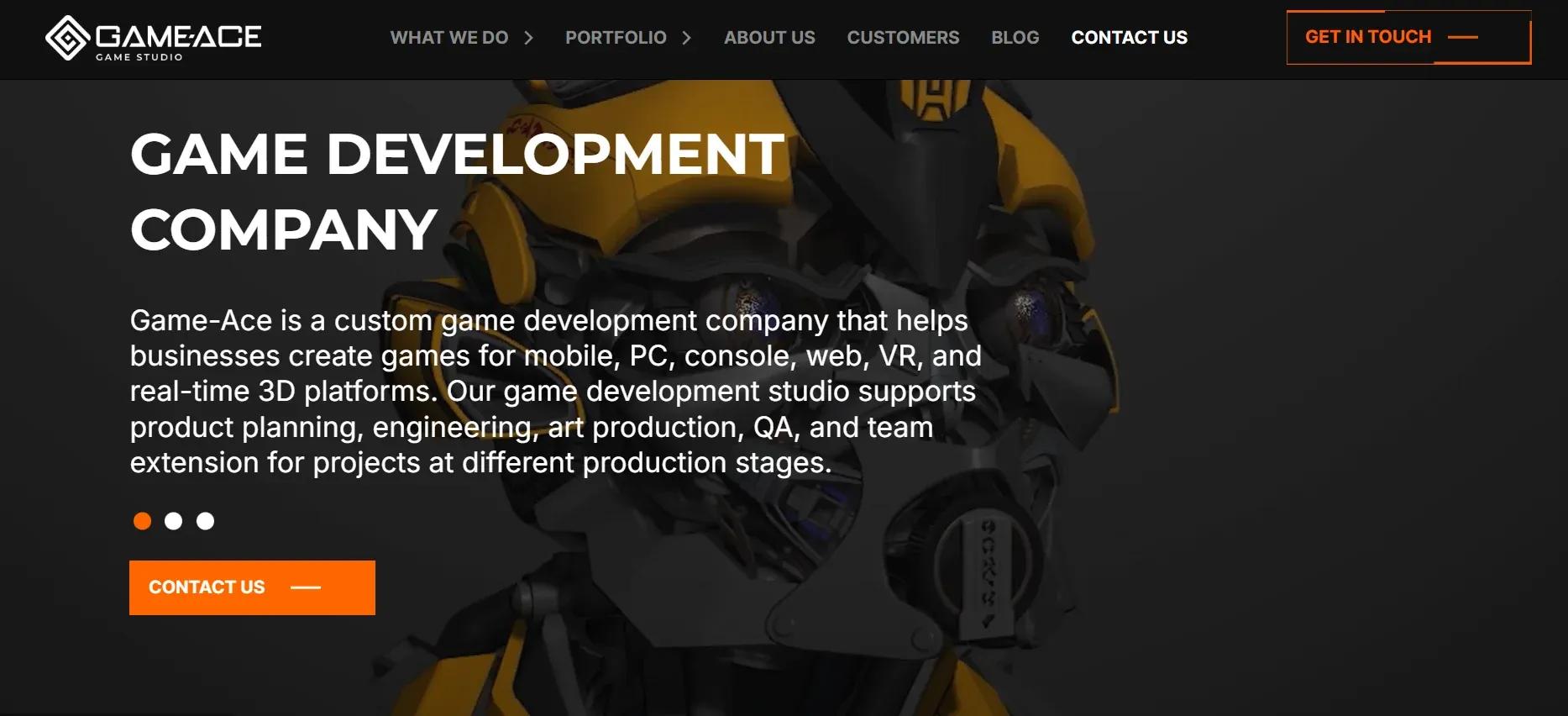
5. Game-Ace
Headquarters: Florida, United States.
Game-Ace is a US game studio with deep experience building NFT-enabled games in 2D and 3D. It integrates blockchain mechanics directly into core gameplay loops, so NFTs influence progression and rewards. Its approach avoids superficial NFT usage.
Key services: NFT games, secure asset ownership, and post-launch services.
Industries: RPG, strategy, and action gaming.
Why choose them: blockchain woven into real gameplay, not bolted on. Its live-ops support, from content updates to economy tuning, suits long-term retention.
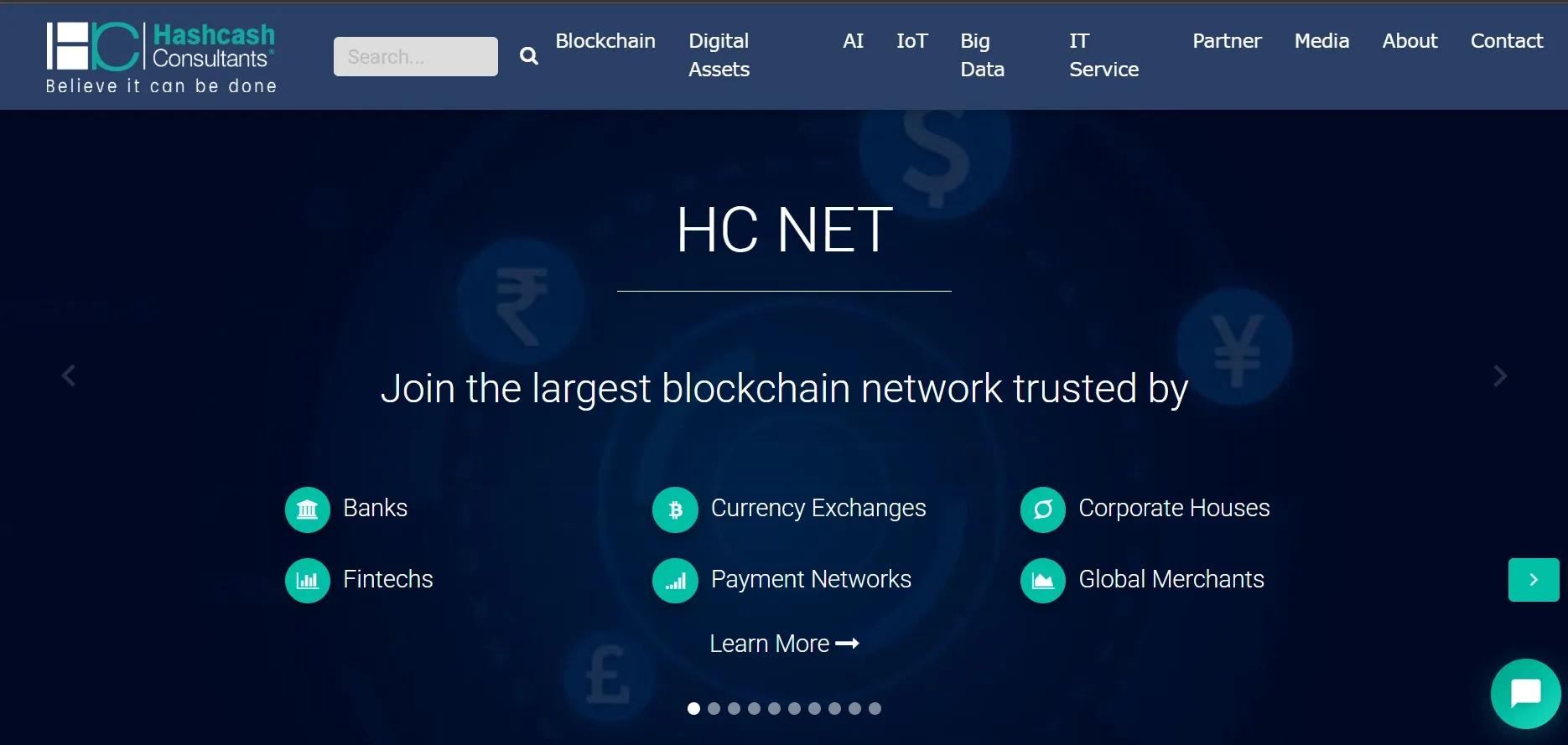
6. HashCash Consultants
Headquarters: Palo Alto, California.
HashCash Consultants is a US software firm focused on blockchain, AI, and big data, with strong blockchain-gaming credentials. It specializes in NFT integration, in-game token creation, and wallet integration. It also builds white-label gaming exchanges.
Key services: gaming tokens, wallet integration, and NFT systems.
Industries: gaming, fintech, and enterprise.
Why choose them: deep token and exchange engineering. It suits games that need serious financial infrastructure on-chain, from token issuance to trading.
7. Starloop Studios
Headquarters: United States.
Starloop Studios is a US game studio strong in both traditional production and Web3 integration. It embeds blockchain and NFT mechanics into new or existing game frameworks without disrupting core gameplay. So publishers can experiment with decentralized features safely.
Key services: Web3 integration, NFT mechanics, and game production.
Industries: gaming, publishing, and entertainment.
Why choose them: a focus on user experience and accessible onboarding. It adds Web3 without breaking familiar player experiences.
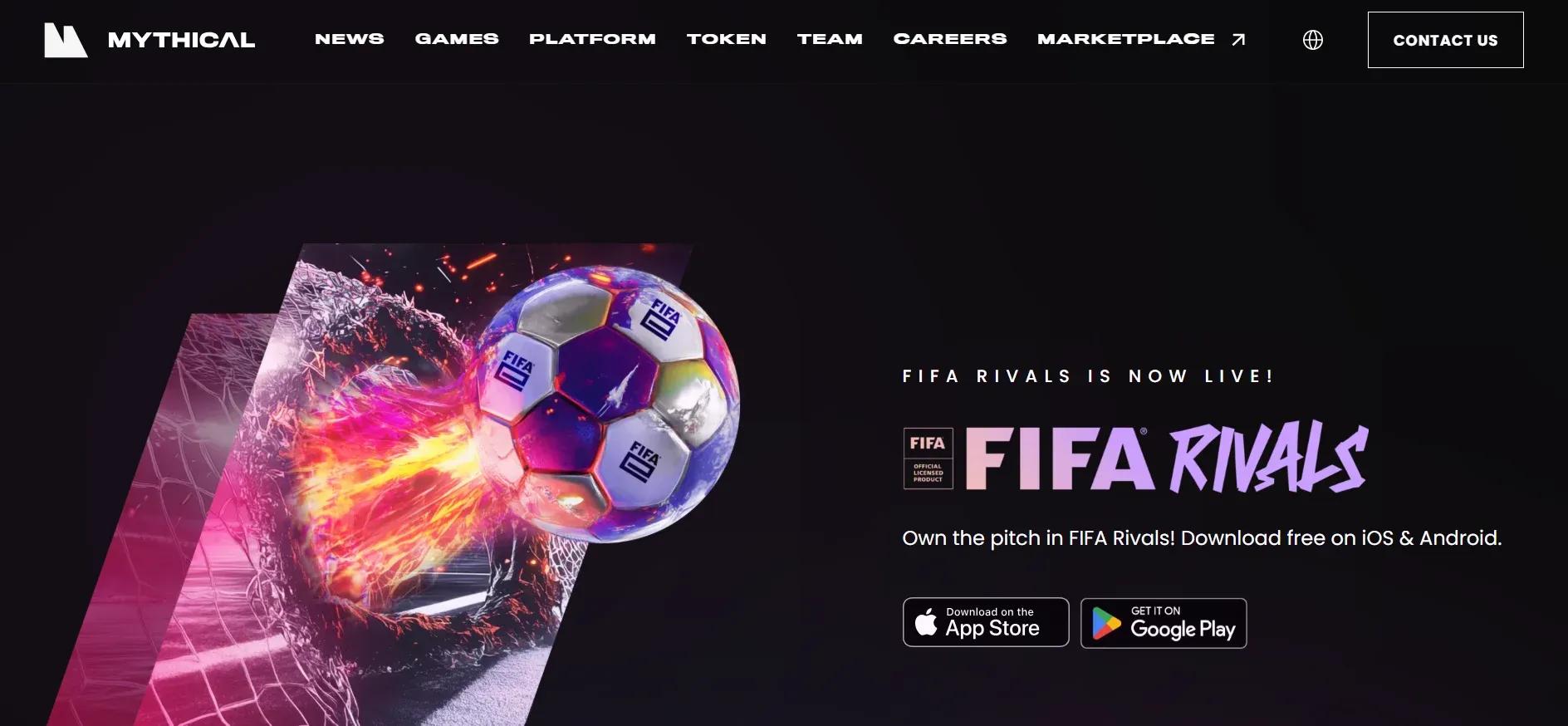
8. Mythical Games
Headquarters: Los Angeles, California.
Mythical Games is a well-known US Web3 game studio and platform. It builds mainstream-scale titles and runs its own gaming chain and marketplace. So it suits studios aiming at a broad, non-crypto-native audience.
Key services: Web3 game development, platform, and marketplace.
Industries: gaming, sports, and entertainment.
Why choose them: genuine mainstream reach and platform depth. Its titles show Web3 can compete for everyday players.
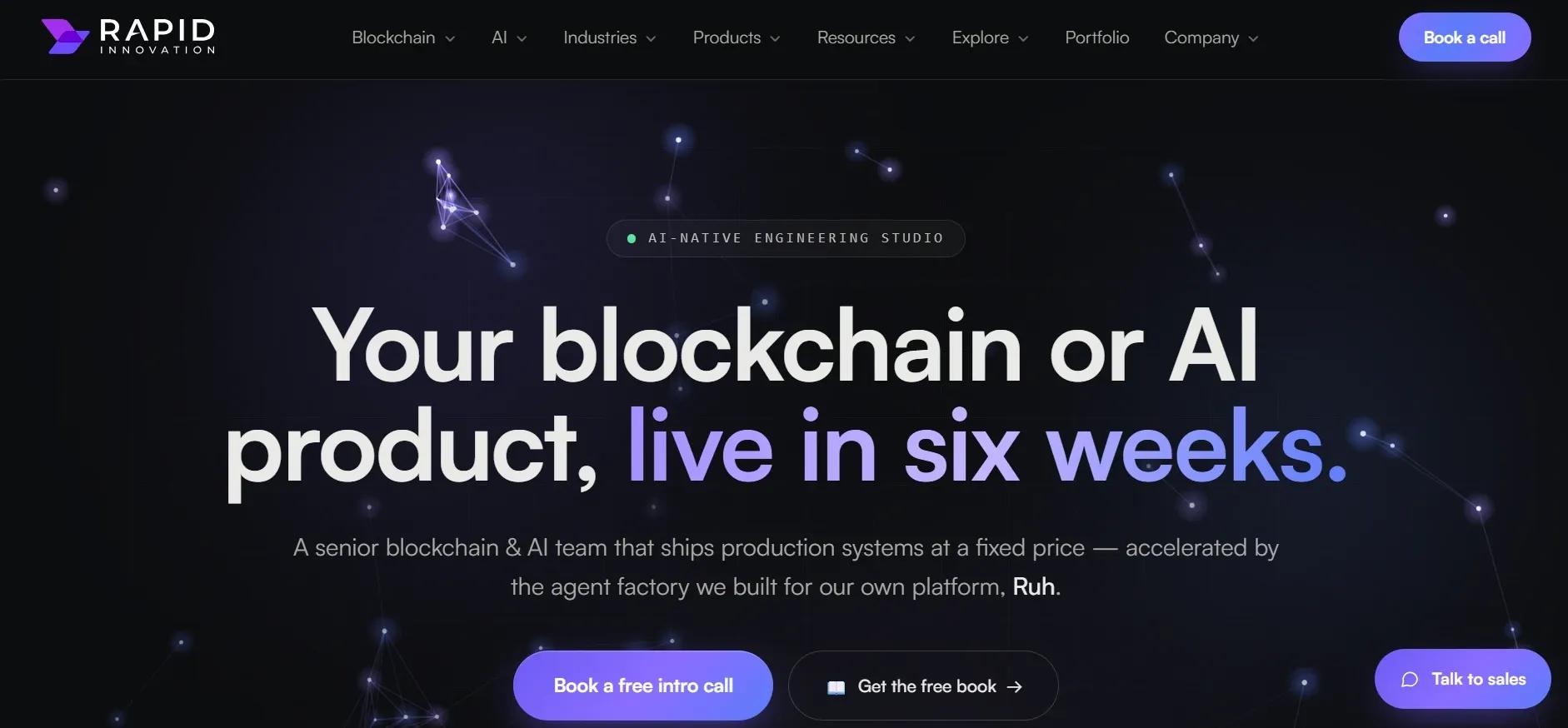
9. Rapid Innovation
Headquarters: United States.
Rapid Innovation is a US-based AI and blockchain firm that ships production Web3 systems with a compliance-first approach. As a US partner, it aligns on regulatory needs from discovery through live ops. So it suits regulated, production-grade Web3 games.
Key services: blockchain game development, AI integration, and compliance.
Industries: gaming, finance, and enterprise.
Why choose them: a US partner focused on compliance and live ops. Its AI depth suits games that need intelligence built in.
10. RisingMax
Headquarters: New York, New York.
RisingMax is a US IT and blockchain firm offering NFT and blockchain game development. It builds P2E platforms, in-game tokens, and NFT marketplaces for startups and enterprises. So it suits enterprise-grade Web3 game builds.
Key services: NFT games, P2E platforms, and smart contracts.
Industries: gaming, real estate, and enterprise.
Why choose them: enterprise delivery and broad blockchain experience. Its US base suits founders who want local accountability and clear contracts under US law.
What Is a Blockchain Game Development Company
A blockchain game development company builds games on decentralized technology, so players truly own their in-game assets as NFTs. These studios combine game development, blockchain engineering, and tokenomics design in one team. They use chains like Ethereum, Polygon, Solana, and Ronin to power ownership, trading, and rewards.
The work runs far beyond a smart contract. It spans game design, art, backend, wallet integration, NFT marketplaces, and token economies. So a real blockchain game development company owns the full stack, not just the on-chain layer.
This is why choosing well matters. A studio that only knows blockchain ships a weak game. One that only knows games ships an insecure contract. Therefore, the best US partners are strong at both, and many now add machine learning development for smarter gameplay.
Blockchain Game Development Services
Blockchain game development services cover the full journey from concept to live economy. The core services are game design, smart contract development, NFT integration, tokenomics, wallet integration, and marketplace deployment. Each one solves a distinct part of a Web3 game.
Game design and art. Studios build the world, characters, and mechanics that make a game fun. So the token supports play, and never the other way around.
Smart contract development. Engineers write and audit the contracts that govern ownership. Therefore, security and correctness come first.
NFT integration. Developers turn in-game items into tradable, owned assets. As a result, players gain real ownership.
Tokenomics design. Economists model the in-game economy to keep it balanced. Meanwhile, they guard against inflation and exploits.
Wallet and marketplace. Teams connect wallets and build marketplaces for trading. So players buy, sell, and trade without friction.
AI and live ops. Many studios add generative AI and AI chatbots for content and support. Consequently, the game keeps evolving after launch.
How Much Does Blockchain Game Development Cost in the USA
Blockchain game development in the USA costs vary widely by scope. A simple NFT game or prototype runs about $40,000 to $90,000. A mid-complexity play-to-earn title costs $90,000 to $300,000, while a complex Web3 or metaverse game exceeds $300,000. US studios command a premium over offshore teams.
Game type | Typical scope | Estimated cost |
| Simple NFT game or prototype | Basic mechanics, one chain | $40,000 – $90,000 |
| Mid-complexity P2E game | Custom art, token economy | $90,000 – $300,000 |
| Complex Web3 or metaverse game | Multi-chain, deep economy | $300,000+ |
The biggest cost drivers are custom art, smart contract audits, and multi-chain support. In addition, live ops and marketplace maintenance recur after launch. Blockchain game development companies also price economy design and security testing separately, so ask for an itemized quote. For teams watching budget, hiring vetted developers through a developer marketplace often costs far less than a full-service US studio.
How to Choose the Right Blockchain Game Development Company
To choose the right blockchain game development company, check five things. Verify gameplay quality, smart contract audits, multi-chain experience, US compliance readiness, and post-launch support before you sign. A studio should prove it ships fun games and secure contracts, not just one.
Demand a gameplay-first proof. Ask to play a shipped game, not watch a token demo. Because fun drives retention, this is the first filter.
Verify smart contract audits. Ask who audits their contracts and request a report. Therefore, you avoid the exploits that drain treasuries.
Check US compliance readiness. Ask how they handle token classification and KYC. So you avoid a regulatory surprise later.
Confirm post-launch support. Web3 economies drift and need tuning. Meanwhile, live ops keep the community engaged.
Clarify ownership. You should own the game, the contracts, and the assets. Moreover, confirm there is no lock-in.
US Legal and Regulatory Considerations
US blockchain game development companies face real regulatory questions, so compliance belongs in the plan from day one. A game token can be treated as a security if it fails the SEC's Howey test, which changes everything. So founders must understand token classification before launch.
A serious US partner designs around this. It structures tokens carefully, adds KYC and AML where needed, and documents decisions for counsel. In addition, it plans for state-level rules and consumer-protection expectations. This is the same rigor the best generative AI integration and fintech teams bring to regulated builds.
Above all, keep legal and technical work in step. A studio should flag where a lawyer must decide, rather than guessing. Therefore, treat compliance as engineering, not paperwork.
Tokenomics and NFT Design: Where Games Succeed or Fail
Tokenomics is the economic design of a blockchain game, and it decides whether the game survives real players. The best blockchain game development companies treat it as core engineering. A balanced economy rewards play without runaway inflation, while a broken one collapses within weeks. So token design is as important as gameplay.
The best US studios model the economy before writing contract code. They plan token supply, sinks, rewards, and NFT scarcity, then stress-test the model. As a result, the economy holds up when thousands of players start transacting. NFT design follows the same logic, since assets need real utility, not just a picture.
Security and Smart Contract Audits
For blockchain game development companies, security is non-negotiable, because a single contract exploit can drain the entire treasury. Reputable US studios run independent smart contract audits before any mainnet launch. So security must be built in from the very first sprint, never added as an afterthought at the end.
A serious partner layers its defenses. It uses secure development practices, third-party audits, and testnet trials before going live. In addition, it plans for upgradeable contracts and incident response. Above all, insist on proof. Ask for the audit report, the auditor's name, and the fixes made. A studio that cannot produce one has not earned your treasury.
The Blockchain Game Development Process
The development process at US blockchain game development companies runs in clear stages, from concept to live economy. Each stage ends in a deliverable, so risk stays visible and budgets stay defensible. Knowing the arc helps you plan timelines with any US studio.
Discovery and game design. The team defines the core loop, genre, and economy. So the fun is proven before any contract is written.
Tokenomics and NFT modeling. Designers model token supply, sinks, and NFT scarcity. Therefore, the economy is stress-tested early.
Art and prototyping. Artists and engineers build a playable prototype. Meanwhile, the on-chain layer is scoped in parallel.
Smart contract development. Engineers write and audit the contracts that govern ownership. As a result, security is built in, not bolted on.
Launch and live ops. The game ships behind monitoring, with economy tuning ready. Consequently, the team reacts to real player behavior.
How AI Is Changing Blockchain Games
AI is reshaping the work of blockchain game development companies by powering smarter NPCs, dynamic worlds, and faster content creation. US studios now pair Web3 ownership with AI intelligence, so games feel alive rather than scripted. This blend is one of the biggest shifts of 2026.
The tools are already here. Studios use AI agents for autonomous characters and generative AI for art, quests, and dialogue. In addition, AI chatbots handle player support at scale. So the same team that builds your economy can make the world smarter.
How to Hire Blockchain Game Developers in the USA
You can hire blockchain game developers three ways: a full-service studio, an in-house team, or a vetted marketplace. A US studio delivers everything but costs the most. An in-house team gives control yet is slow and expensive to build. A marketplace sits in between, so you pay for the exact skills you need.
For many teams, the marketplace route wins on cost and speed. You hire vetted blockchain developers such as Solidity, Unity, and Unreal engineers. Then you scale up or down as the project moves. So a two-developer prototype and a full production team both live in one relationship. In addition, you own the code and the contracts outright.
Whichever route you choose, confirm ownership, audit practice, and post-launch terms in writing. Because a game is a long-term product, the pricing and support model matter as much as the build.
Why Blockchain Games Fail (and How to Avoid It)
Blockchain games fail most often because the studio prioritized the token over the fun, or shipped an unaudited contract. The causes repeat, which means each one is avoidable. So learn them before you brief a partner.
The game was not fun. A token cannot save weak gameplay. Therefore, validate the core loop before adding blockchain.
The economy collapsed. Poor tokenomics leads to runaway inflation. So model and stress-test the economy early.
The contract was exploited. Unaudited code loses treasuries. Meanwhile, a proper audit would have caught it.
Compliance was ignored. A token can become an SEC problem. As a result, plan token classification from the start.
Blockchain Gaming Trends in the USA for 2026
The biggest US blockchain gaming trends for 2026 are invisible onboarding, purpose-built gaming chains, and a shift to fun-first design. Account abstraction and embedded wallets are erasing the crypto learning curve. So Web3 games can now compete for mainstream American players.
Invisible onboarding. Embedded wallets hide the crypto complexity. As a result, players never see a seed phrase.
Purpose-built chains. Ronin, Immutable, and app-specific chains cut fees to near zero. Meanwhile, transactions feel instant.
Fun comes first. The market now rewards genuinely fun games. Therefore, play-and-own is replacing pure play-to-earn.
Mainstream studios enter. US studios now partner with Web3 developers. Consequently, production quality is rising fast.
Blockchain Game Genres That Work
The blockchain game genres that work best in 2026 are strategy, RPG, card games, racing, and metaverse worlds. These genres suit true asset ownership, since items, characters, and land carry real value. So they fit the play-and-own model naturally.
Strategy and RPG. Progression, gear, and characters map cleanly to NFTs. As a result, ownership deepens long-term engagement.
Card and collectible games. Cards are natural tradable assets. Therefore, scarcity and trading drive the economy.
Racing and sports. Cars, players, and gear become owned, upgradable assets. Meanwhile, competition fuels demand.
Metaverse worlds. Land, avatars, and items anchor a persistent economy. So players invest in a world they help build.
US blockchain game development companies increasingly combine these genres with AI-driven worlds and cross-chain assets. Consequently, the games feel richer and reach wider audiences. So genre choice and technical design should be decided together, not in isolation.
Frequently Asked Questions
Which are the best blockchain game development companies in the USA?
The best US blockchain game development companies in 2026 include Cubix, Kevuru Games, Game-Ace, and HashCash Consultants. Starloop Studios, Mythical Games, Rapid Innovation, and RisingMax round out strong options. Softaims and Devaims are the pick when speed and full ownership both matter.
How much does it cost to build a blockchain game in the USA?
A simple NFT game starts around $40,000, and a mid-complexity P2E title runs $90,000 to $300,000. Complex Web3 or metaverse games exceed $300,000. US studios command a premium over offshore teams.
Are blockchain game tokens regulated in the USA?
They can be. A token may be treated as a security if it fails the SEC's Howey test. So plan token classification with counsel before launch.
What blockchains are used for US game development?
Ethereum, Polygon, Solana, and Ronin are the most common. Each balances speed, cost, and reach differently. A good studio helps you pick the right chain.
How do I make sure my blockchain game is secure?
Insist on independent smart contract audits before launch. Ask for the audit report and the auditor's name. A reputable studio treats security as core engineering.
Who owns the game and the smart contracts?
You should own all of it. Confirm ownership of the game, the contracts, and the assets in writing. This avoids vendor lock-in later, and keeps future updates in your control.
Conclusion
US blockchain gaming is a rare open window, and it will not stay open forever. The studios that build well now will define the next wave, while the rest chase them. So the decision you make today shapes where you stand in 2027.
The rule is simple. The best blockchain game development companies treat three things as equally non-negotiable: fun, security, and compliance. A game people love means nothing if the contract leaks. A flawless contract means nothing if the game bores players. Therefore, insist on all three, not two of them.
Now turn that into action before you sign. First, ask to play a shipped title, not watch a token demo. Next, request the smart contract audit report and the auditor's name. Then confirm token classification with counsel, and get code and IP ownership in writing. Finally, start small with a paid discovery or pilot, so you test delivery before a large commitment.
That sequence protects your budget, your players, and your treasury from day one. It also filters out the studios that pitch well but cannot ship. Would you rather skip the agency search entirely? Then Softaims matches you with vetted blockchain game developers within 48 hours. And with 24 US offices behind it after the Devaims deal, you also get local accountability. To start, browse the developer bench or get in touch.


 GitHub
Gabriel G.

 Verified Expert in Engineering
My name is Gabriel G. and I have over 9 years of experience in the tech industry. I specialize in the following technologies: Python, Blockchain, Artificial Intelligence, Node.js, Golang, etc.. I hold a degree in Bachelor of Science (BS). Some of the notable projects I've worked on include: Mach.Exchange (Crypto), Lemni - AI Agents Platform, MetaJamz, SAT Practice Bot, Product Priming, etc.. I am based in Houston, United States. I've successfully completed 16 projects while developing at Softaims.
I'm committed to continuous learning, always striving to stay current with the latest industry trends and technical methodologies. My work is driven by a genuine passion for solving complex, real-world challenges through creative and highly effective solutions. Through close collaboration with cross-functional teams, I've consistently helped businesses optimize critical processes, significantly improve user experiences, and build robust, scalable systems designed to last.
My professional philosophy is truly holistic: the goal isn't just to execute a task, but to deeply understand the project's broader business context. I place a high priority on user-centered design, maintaining rigorous quality standards, and directly achieving business goals—ensuring the solutions I build are technically sound and perfectly aligned with the client's vision. This rigorous approach is a hallmark of the development standards at Softaims.
Ultimately, my focus is on delivering measurable impact. I aim to contribute to impactful projects that directly help organizations grow and thrive in today's highly competitive landscape. I look forward to continuing to drive success for clients as a key professional at Softaims.

Leave a Comment
Need help building your team? Let's discuss your project requirements.
Get matched with top-tier developers within 24 hours and start your project with no pressure of long-term commitment.