Top 10 Mobile App Development Companies (2026)
Looking for a trusted mobile app development partner? Explore the top 10 mobile app development companies in 2026, including their specialties, delivery models, pricing, and ideal use cases to help you choose the right team for your app project.
Technically reviewed by:
Tejas G.|Rashdan N.
Table of contents
Key Takeaways
- The best mobile app development company depends on your goals, whether you're building an MVP, enterprise platform, or consumer app.
- Top app development companies provide end to end services including strategy, UI/UX design, development, testing, deployment, and ongoing maintenance.
- Cross platform frameworks like Flutter and React Native help reduce development costs and speed up launches, while native development is best for performance intensive apps.
- Mobile app development costs vary based on complexity, features, integrations, security requirements, and the experience of your development team.
- Long term success depends on choosing a partner with strong technical expertise, transparent communication, and reliable post launch support.
- AI powered features, mobile security, and cross platform development are the biggest trends shaping mobile app development in 2026.
- Before hiring a mobile app development company, compare portfolios, technical capabilities, pricing, and ownership of source code and app store accounts.
When you search for software development companies in the UK, you are usually working against a deadline and a budget. You need a partner who can build a platform your team will trust, meet UK regulatory expectations such as UK GDPR, and deliver on a realistic timeline. The challenge is scale: the UK software development market is large, crowded, and full of firms whose positioning looks nearly identical from the outside. The UK custom software development market generated roughly $1.93 billion in 2024 and is forecast to reach about $5.8 billion by 2030 at a 20.2% CAGR, and the country's wider tech sector now contributes around £101 billion in gross value added and employs about 1.7 million people. Plenty of choice, in other words, and very little that helps you tell the strong firms from the well-marketed ones.
This guide highlights 10 mobile app development companies known for building high-quality iOS, Android, and cross-platform apps. Some work entirely in the UK, while others use a hybrid UK-and-global delivery model. Instead of simply listing company names, this guide explains what each company does best, where it operates, and the types of projects it's best suited for, helping you choose the right partner for your needs.
What "top" really means for a mobile app development company
A "top" mobile app development company is not always the biggest or the most well-known. The right choice depends on what you need.
Some companies are known for their size, experience, and ability to handle large, complex projects. Others stand out because they move faster, adopt new technologies early, and help startups launch quickly. For many businesses, what matters most is finding a reliable partner that communicates well, delivers a polished app, and continues to provide support after launch.
The best mobile app development company depends on your goals. If you're building a consumer app, design, user experience, and speed may be your top priorities. If you're developing a fintech or healthcare app, security and compliance become more important. For enterprise apps, scalability, system integrations, and long-term support matter most. Instead of choosing the company with the biggest name or the most reviews, choose the one that best fits your product, budget, and timeline.
The state of the mobile app market in 2026
The app economy keeps expanding on the back of near-universal smartphone adoption, faster networks, and the steady migration of commerce, media, and services onto mobile. In the United States alone, the mobile application market is forecast to grow from about $53.71 billion in 2023 to roughly $131.05 billion by 2030, and North America accounts for around a third of global revenue. Gaming remains the single largest revenue category, while health and fitness, fintech, social, and on-demand services continue to drive new builds.
Demand for the firms that actually build these apps is rising even faster. The mobile application development category is projected to grow at a 24.8% CAGR through 2030, fuelled by smartphone penetration, rising in-app spending, and the integration of AI and machine learning into everyday app features. iOS continues to generate the majority of app-store revenue, while Android leads on global download volume, which keeps cross-platform reach a central concern for most product teams.
Challenges When Choosing a Mobile App Development Company
Building a successful mobile app is not easy. Users expect apps to be fast, reliable, and easy to use, and they often decide within seconds whether to keep using them. App Store and Google Play review guidelines can delay releases, and every iOS or Android update may require changes to keep an app running smoothly.
Finding experienced developers is another challenge, especially for native iOS, Android, cross-platform, and mobile security roles. Many agencies are great at winning projects, but the real difference becomes clear after launch. Some apps struggle to scale, documentation is incomplete, or the team that built the app has already moved on to other projects. A good mobile app development company plans for long-term success by focusing on clean architecture, scalability, clear documentation, ongoing support, and regular updates, not just delivering the first version.
Future of Mobile App Development
Mobile app development has become faster and more efficient than ever. Cross-platform frameworks have matured to the point where a single codebase can power both iOS and Android apps without the compromises seen a few years ago. Frameworks like Flutter and React Native help businesses reduce development costs and launch products faster while still delivering near-native performance for most apps.
AI-powered development tools also help teams automate repetitive tasks, improve productivity, and shorten development timelines. The best mobile app development companies combine these technologies with strong product thinking, treating design, development, testing, launch, and post-launch improvements as one continuous process rather than separate stages. This approach helps businesses build better apps, get to market faster, and continue improving their products long after the initial release.
How we ranked the top mobile app development companies
Every company here was assessed against a consistent set of criteria designed to surface firms that ship and sustain quality mobile products, not just win the pitch.
Mobile-specific depth. We prioritized real native iOS and Android skill plus proven cross-platform experience in Flutter or React Native, rather than web shops stretching into mobile for a quarter.
Design under the same roof. Whether UI/UX sits inside the team or gets subcontracted matters, because a handoff between a separate design vendor and a dev vendor is where user-experience intent tends to break down.
Track record and portfolio. We favored firms with verifiable shipped apps, named clients, and multi-year engagement patterns over portfolios heavy on mockups and light on live products.
Client feedback and reputation. Independent reviews on platforms such as Clutch, G2, and GoodFirms were weighted toward specific outcomes rather than generic praise, since consistency across engagements matters more than one standout result.
Post-launch commitment and transparency. We looked for evidence of ongoing maintenance, clear ownership of code and documentation, and rate transparency, because the best mobile app companies tell you exactly what you are paying for.
Quick comparison: top 10 mobile app development companies
Company | Best For | Delivery Model | Typical Rate |
| Softaims | Coordinated mobile teams | Managed team + staff augmentation | Transparent by skill/platform |
| Devaims | End-to-end app ownership | Full-cycle product delivery | Project-based |
| WillowTree | Brand-grade consumer apps | Product studio | Premium |
| Fueled | Design-led mobile products | Product agency | ~$150–199/hr |
| Utility | Enterprise mobile products | Design-led studio | Premium |
| Bottle Rocket | Native-quality apps | Mobile-first studio | Premium |
| Appinventiv | Startups to enterprise apps | Full-service app agency | ~$25–49/hr |
| Goji Labs | Strategy-led MVPs | Strategy + design + eng | ~$50–99/hr |
| OpenXcell | High-volume delivery | Full-cycle app development | ~$25–49/hr |
| Cleveroad | Cross-platform + cloud | Full-cycle development | ~$50–99/hr |
The 10 mobile app development companies
1. Softaims (a full mobile team, not scattered app freelancers)
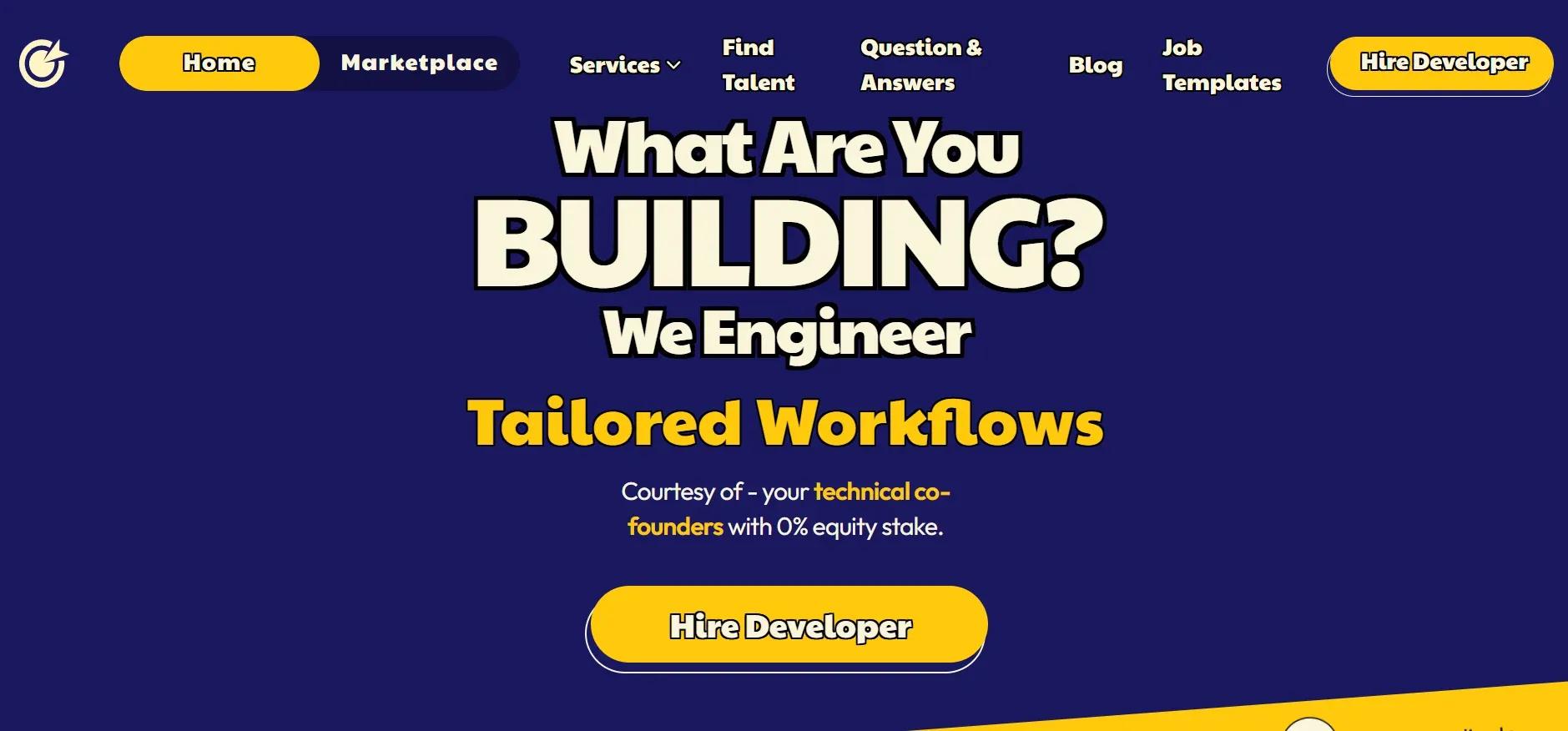
Best for: Teams that need a coordinated mobile team, iOS (Swift), Android (Kotlin), React Native or Flutter, plus design and QA, under one project manager, rather than stitching specialists together from different marketplaces.
Shipping a quality app usually means assembling a designer, an iOS engineer, an Android engineer, and a QA specialist, and marketplaces leave you to source, vet, and coordinate each one yourself. Softaims gives you the whole mobile team under a single engagement and a single point of accountability, drawn from 25,000+ pre-screened engineers who clear a multi-stage vetting process. You hire the top 3% of vetted developers for native iOS and Android or cross-platform builds, and for React Native specifically the dedicated hire React Native developers service supplies engineers with genuine New Architecture depth (JSI, Turbo Modules, Fabric), shortlisted in about 48 hours with a two-week risk-free trial.
The team scales from an MVP to an enterprise-grade app, owns delivery through design, engineering, QA, and app-store submission, and leaves you owning your source code and app-store accounts. With no platform fees or hidden markups, you can compare transparent rates by skill and platform before signing and browse 25,000+ vetted remote developers to build the right mobile team.
Key advantages:
- One managed mobile team, design, iOS, Android, and QA, under a project manager, not four separate hires.
- Native and cross-platform depth, with dedicated React Native New Architecture specialists.
- No platform fees or hidden markups; transparent rates and full code and app-store ownership.
- Matched in 24–48 hours, with guaranteed milestones and post-launch support.
Limitation: Softaims is built for real app builds and ongoing product work. For a single quick asset like an icon or a one-off store-listing tweak, a gig marketplace is a better fit.
2. Devaims
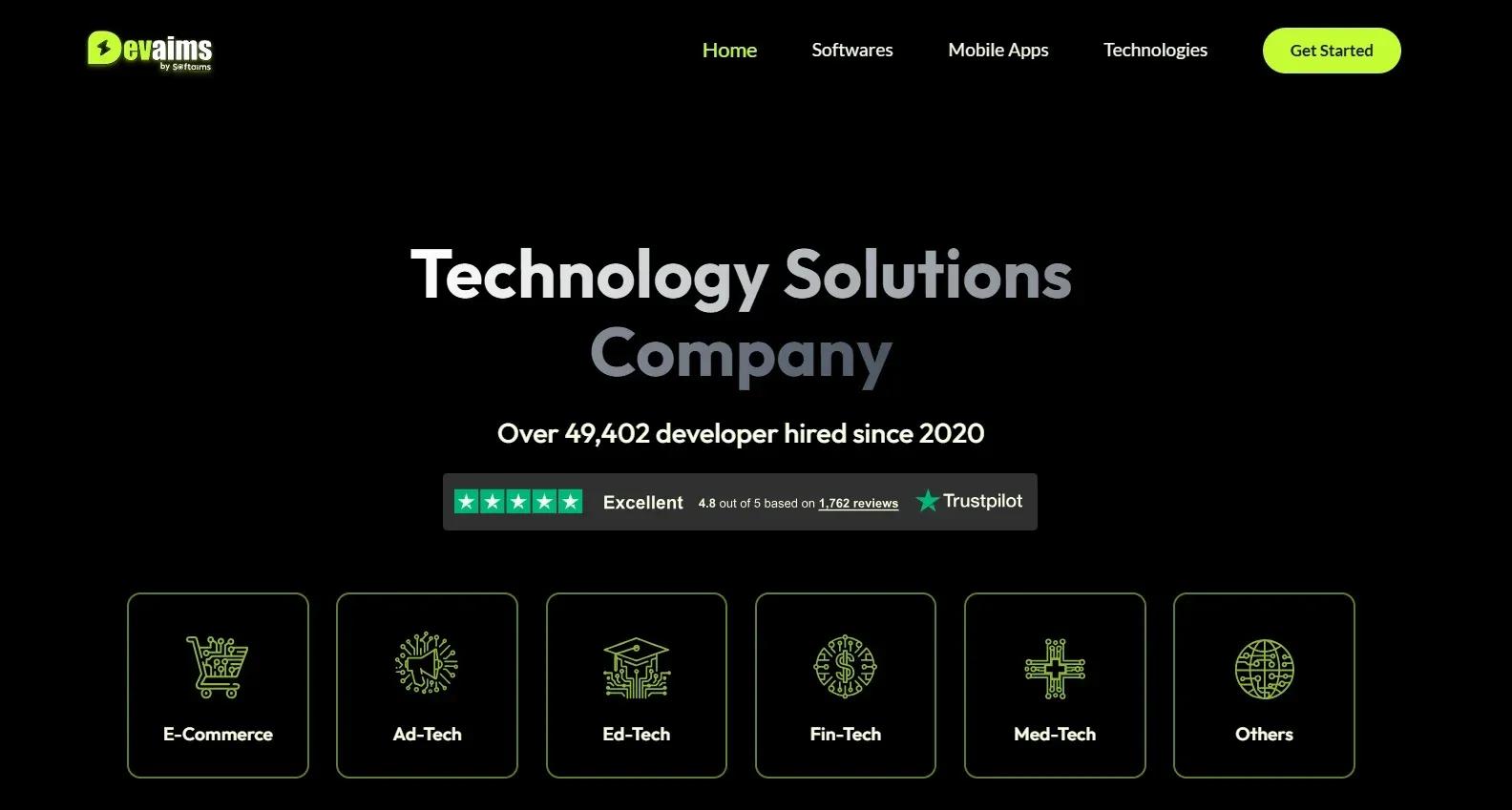
Best for: Businesses that want one team across the full mobile lifecycle.
Devaims is a mobile-strong development firm covering native Android and iOS, React Native, web application development, ecommerce, SaaS, and dedicated QA and testing. Its process runs from product discovery and UX design through engineering, testing, and post-launch support, which suits clients that want a single accountable team to own an app end to end rather than stitching together separate design and development vendors.
Strengths: End-to-end app ownership, native and cross-platform depth, integrated QA, strong post-launch support.
3. WillowTree
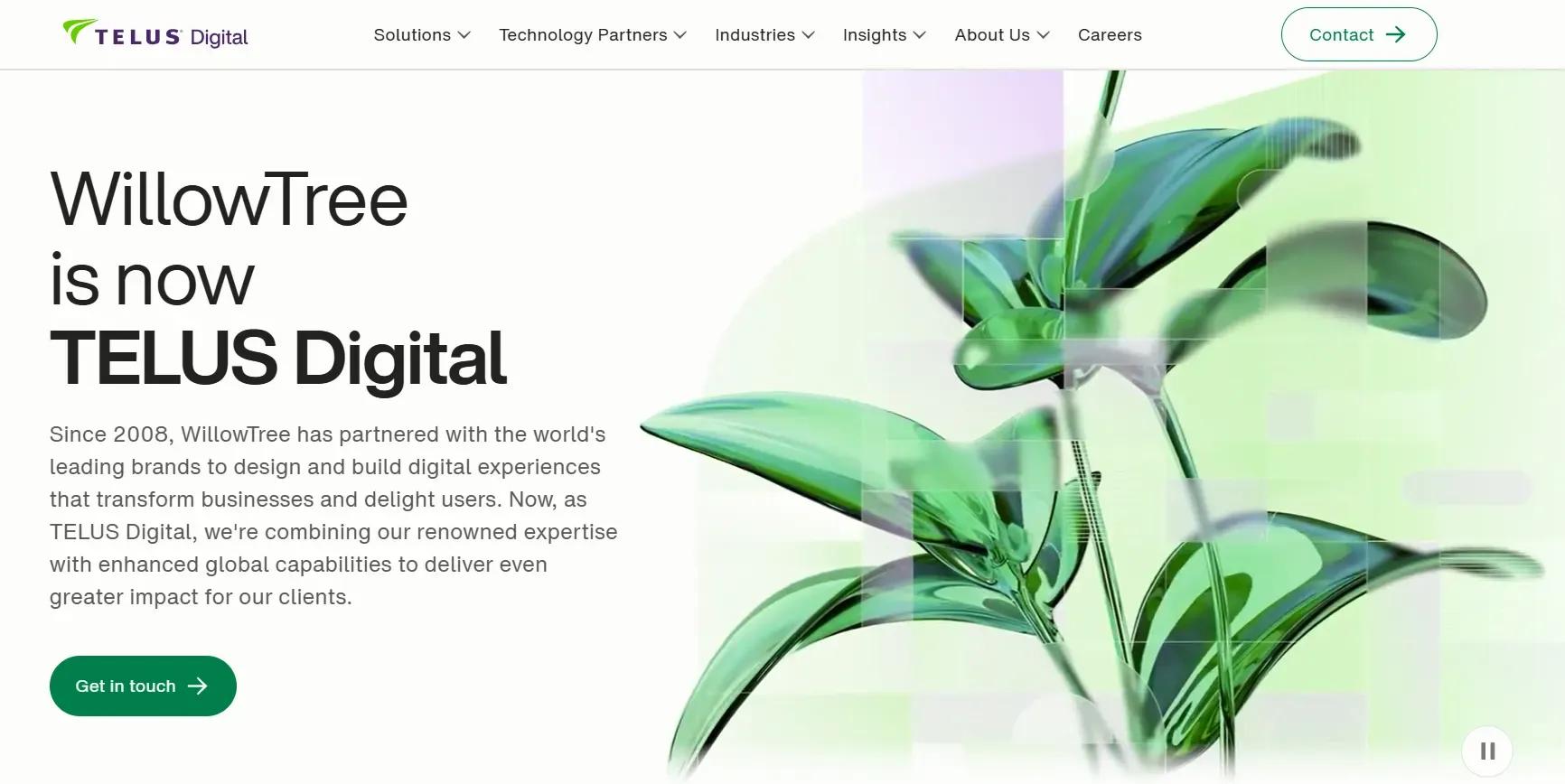
Best for: Brand-grade consumer apps where UX quality is decisive.
WillowTree is one of the best-known mobile app development companies, with experience building apps for major brands across media, retail, and enterprise industries. It is known for creating high-quality, user-friendly mobile apps with a strong focus on design, performance, and user experience. WillowTree is a good choice for mid-sized and enterprise businesses that want a polished app customers will use regularly and expect to perform reliably.
The catch: Flagship quality comes at flagship pricing, more than an early-stage MVP needs.
4. Fueled
Best for: Design-led mobile products where brand experience leads.
Fueled helps you build mobile and web applications with a strong focus on design and user experience. The company is known for creating both customer-facing apps and internal business tools. It works closely with clients on product strategy before development starts, making it a good choice for businesses that want a premium app with a polished design, strong branding, and high-quality engineering.
The catch: You're paying premium NYC rates for the polish; hard to justify if design isn't your edge.
5. Utility
Best for: Enterprise-grade mobile products with brand credibility.
Utility is a New York-based software development company that builds custom mobile apps, web platforms, and digital products for startups and enterprise businesses. It is known for putting strategy and user experience first before development begins. Utility is a good choice for businesses looking for a high-quality, well-designed product and are comfortable with premium US pricing.
The catch: Premium pricing that reflects a senior US shop, not a budget option.
6. Bottle Rocket
Best for: Native-quality apps for established brands.
Bottle Rocket is a mobile app development company founded by former Apple engineers. It has built mobile apps for well-known brands in retail and other industries, with a strong focus on quality and user experience. The company specializes in native iOS and Android apps, making it a good choice for mid-sized and enterprise businesses that want high-performance mobile apps and have the budget for a premium development partner.
The catch: That native depth costs more than a cross-platform approximation; make sure you need it.
7. Appinventiv
Best for: Scale and range across app types, MVP to enterprise.
Appinventiv is a mobile app development company that builds apps for both startups and large enterprises. It offers native and cross-platform app development, AI-powered features, and end-to-end product development services. Appinventiv is a good choice for businesses looking for one partner to handle everything from an MVP to a large-scale enterprise application.
The catch: Broad range means you should confirm depth in your specific vertical and stack.
8. Goji Labs
Best for: Early-stage products that need guidance from idea to launch.
Goji Labs builds custom iOS and Android apps for startups and businesses across a wide range of industries. The company combines product strategy, design, and development under one team, helping clients turn ideas into successful products. Goji Labs is a good choice for founders and businesses that want guidance during the planning and MVP stage, not just a team to build the app.
The catch: Its sweet spot is discovery and MVP; large enterprise rollouts aren't its core.
9. OpenXcell
Best for: Dependable throughput across platforms.
OpenXcell is a software development company that has been building mobile apps since 2009. It offers mobile app development, UI/UX design, quality assurance, AI, web development, and ongoing support. OpenXcell is a good choice for businesses looking for a reliable development partner that can handle everything from app development to post-launch maintenance.
The catch: Breadth and volume are the strength; for a boutique, design-led flagship you may want a specialist studio.
10. Cleveroad
Best for: Mobile plus the backend it depends on, from one partner.
Cleveroad is a mobile app development company that builds native iOS, Android, and Flutter apps, along with the web and cloud systems that support them. It also develops AI-powered solutions for industries like healthcare, logistics, and retail. Cleveroad is a good choice for businesses looking for one team to handle both mobile app development and backend infrastructure from start to finish.
The catch: A broad services menu isn't proof of depth in your exact stack; ask for matching case studies.
How to choose the right mobile app development partner
Selecting a mobile app development company is one of the most consequential decisions a product leader makes, and a few dimensions consistently separate successful engagements from disappointing ones.
Get the native-versus-cross-platform decision right. A good firm reasons from your product to the right setup, whether native, Flutter, or React Native, rather than steering you toward whatever it staffs most easily. Native suits performance-heavy or deeply platform-integrated apps; cross-platform suits most products that need to reach both stores quickly and cost-effectively. Ask a prospective partner which stack it would choose for your app and why.
Insist on design and engineering under one roof. The handoff between a separate design vendor and a development vendor is where user-experience intent is most often lost. Firms that keep UI/UX, engineering, and QA in one team tend to ship more coherent products.
Evaluate security and compliance directly. Mobile apps handle sensitive data, and regulated sectors raise the bar. For healthcare, look for evidence of HIPAA navigation; for payments, PCI DSS; for consumer apps, clear data-privacy practices. Ask concretely how a vendor handles code ownership, IP assignment, secure storage, and background screening of engineers with access to your systems.
Confirm post-launch commitment. An app is never finished at launch. Ask about maintenance, OS-update support, documentation, and knowledge transfer, and check whether the team that pitches is the team that will build and sustain your product.
Trends shaping mobile app development in 2026
Several forces are reshaping how mobile products are built and which mobile app development companies are best positioned to deliver.
AI features are now standard roadmap items. Users increasingly expect intelligent search, personalized recommendations, conversational interfaces, and predictive features, while AI-assisted coding compresses build timelines. The strongest firms treat AI as a product capability, not a bolt-on.
Cross-platform has become the default starting point. Flutter and React Native have matured enough that most products begin cross-platform and drop to native only where performance or deep platform integration demands it, which lowers cost and speeds time to market. For React Native builds in particular, results hinge on New Architecture experience, so teams increasingly hire specialist React Native developers rather than rely on JavaScript-only generalists who have never touched the native layer.
Mobile security is a first-class requirement. As more commerce and identity move onto phones, secure storage, API hardening, and dependency scanning have become architectural concerns from day one rather than post-launch fixes.
Wearables, AR, and richer device surfaces are expanding the brief. Apps increasingly extend to watches, CarPlay and Android Auto, and AR experiences, so mobile-specific depth now means designing for a family of devices rather than a single handset.
How Much Does It Cost to Build a Mobile App?
The cost of building a mobile app depends on several factors, including its features, complexity, the platforms you choose, and where your development team is located. A simple app typically costs $5,000 to $50,000, while a medium-complexity app usually ranges from $50,000 to $120,000. Large enterprise apps with advanced features, integrations, or strict security requirements can cost $120,000 to $300,000 or more.
Hourly rates also vary by location. Many global development companies charge $25 to $49 per hour, while experienced US agencies often charge around $100 per hour or more. If you hire a dedicated development team, you'll usually pay a monthly fee based on the number and seniority of developers.
The biggest cost decision is whether to build native or cross-platform apps. Native development requires separate apps for iOS and Android, which increases both cost and development time. Cross-platform frameworks like Flutter and React Native let developers build one codebase for both platforms, helping businesses reduce costs and launch faster without sacrificing quality for most applications.
What Affects Mobile App Development Costs
Several factors influence the final cost of an app.
- App complexity: Apps with AI features, real-time chat, video streaming, payment gateways, GPS, or advanced business logic require more time and experienced developers.
- Platforms: Building for both iOS and Android costs more than building for one platform.
- Integrations: Connecting your app with payment providers, CRMs, maps, analytics tools, or other third-party services increases development effort.
- Design: Custom UI/UX design, animations, and interactive experiences require additional time.
- Device features: Using features such as GPS, camera, biometrics, NFC, Bluetooth, or wearable devices adds development complexity.
- Testing and maintenance: Every app needs ongoing testing, bug fixes, security updates, and support after launch.
Typical Mobile App Development Costs by Complexity
| App Type | Estimated Cost | Typical Timeline |
| Simple app | $5,000–$50,000 | 2–4 months |
| Medium-complexity app | $50,000–$120,000 | 4–6 months |
| Complex enterprise app | $120,000–$300,000+ | 9–12+ months |
How Is the Budget Usually Spent
Most mobile app projects follow the same development process.
- Discovery and planning: 10–15%
- UI/UX design: 20–25%
- Development: 40–55%
- Testing and quality assurance: 15–20%
- Deployment and launch: 5–10%
Development takes the largest share of the budget because it includes frontend and backend development, APIs, databases, and feature implementation.
How Much Does App Maintenance Cost
Launching the app is only the beginning. Most businesses spend 15–25% of the original development cost every year on maintenance. This usually covers:
- Bug fixes and performance improvements
- Security updates
- iOS and Android version updates
- Server and cloud infrastructure
- Third-party API maintenance
- Database management
- User support
- New features and UI improvements
Keeping an app updated helps maintain performance, security, and compatibility as operating systems and user expectations continue to evolve.
How to Choose the Right Mobile App Development Company
Choosing the right mobile app development company is easier when you follow a clear process instead of relying on reviews or brand names.
1. Define your project requirements
Start with a simple project brief. Include the platforms you need (iOS, Android, or both), key features, third-party integrations, compliance requirements, budget, and timeline. Clear requirements help companies provide accurate proposals and reduce the risk of scope changes later.
2. Compare companies using the same criteria
Create a shortlist of five to seven companies and compare them using the same factors. Look at their experience with mobile apps, technical expertise, design quality, security practices, pricing, communication, and post-launch support. This makes it easier to find the best fit for your project.
3. Ask the right questions
Ask every company the same questions. Which technology would they recommend and why? Can they show similar mobile apps they have built? Who owns the source code and documentation? Clear and detailed answers usually indicate a more experienced team.
4. Start with a small project
Instead of committing to a full-scale app immediately, begin with a discovery workshop, prototype, or small proof of concept. This helps you evaluate the team's communication, development process, and ability to deliver before making a long-term commitment.
5. Review the contract carefully
Before signing, make sure the contract clearly covers source code ownership, app store account ownership, service levels, maintenance, support, pricing, and how future updates will be handled.
Common Mistakes When Choosing a Mobile App Development Company
Choosing a company based only on reviews or reputation
High ratings and well-known brand names don't always mean a company is the right fit. Choose a team with experience building apps similar to yours instead of relying only on reviews.
Hiring a company with limited mobile experience
Not every software development company specializes in mobile apps. Building high-quality iOS and Android apps requires experience with mobile design, performance, platform guidelines, and testing across different devices.
Separating design and development
Working with one company for design and another for development often leads to communication gaps and inconsistent user experiences. A team that handles design, development, and testing together usually delivers better results.
Ignoring long-term support
Launching the app is only the first step. Make sure your development partner offers maintenance, security updates, bug fixes, documentation, and ongoing support so your app continues to perform well after release.
Conclusion
Choosing the right mobile app development company is about more than finding a well-known name. The best partner is the one that understands your goals, fits your budget, and has the experience to build the type of app you need. The companies in this guide offer different strengths, from startup-focused product teams to enterprise app specialists and full-service development partners.
Before making a decision, take the time to define your requirements, compare companies using the same criteria, review their previous work, and understand what support they provide after launch. A structured approach will help you choose a partner that can deliver a high-quality app and support its growth over time.
If you're looking for a reliable development partner, Softaims provides dedicated mobile app development teams tailored to your product, preferred technology stack, and delivery timeline, helping you build and scale your app with confidence.
Frequently asked questions
How much does it cost to build a mobile app?
Many app projects fall between roughly $10,000 and $50,000, with median hourly rates around $25 to $49 across the global supplier pool and higher for senior US and Western European studios. Complex or regulated apps with advanced security and scalability needs typically run into six figures.
Should I build native or cross-platform?
Native (Swift for iOS, Kotlin for Android) suits performance-heavy or deeply platform-integrated apps, while cross-platform frameworks like Flutter and React Native let you reach both stores from one codebase at lower cost and faster time to market. Most products start cross-platform and go native only where the product demands it. If you take the React Native route, prioritize engineers with New Architecture depth, whether in-house or through a specialist service to hire React Native developers.
How long does it take to build a mobile app?
A focused MVP can ship in a few months, while feature-rich or regulated apps commonly run six to twelve months or longer. A firm's willingness to break the timeline into discovery, design, development, QA, and launch phases is a good indicator that it understands the work.
iOS or Android first?
It depends on your audience and monetization. iOS generally generates higher per-user revenue and suits premium and Western-market products, while Android leads on global reach and download volume. Cross-platform development lets most teams avoid the choice and launch on both.
What should I check for a healthcare or fintech app?
Look for verified experience in your regulated sector, not just relevant logos: evidence of HIPAA, FDA, or PCI DSS navigation, references from similar projects, and dedicated security and compliance expertise on the team.
Who owns the code and app-store accounts after launch?
Clarify this before signing. You should own your source code, documentation, and app-store accounts, with clear IP assignment in the contract, so you are never locked to a single vendor for maintenance and updates.


 GitHub
Mark J.

 Verified Expert in Engineering
My name is Mark J. and I have over 6 years of experience in the tech industry. I specialize in the following technologies: Adobe Illustrator, WordPress, HTML, PHP, Shopify, etc.. I hold a degree in . Some of the notable projects I've worked on include: Barber Shop - Website, Grocery Shop - website, Web development Dry Cleaners, Automotive - Web Designing, Construction Web Designing & Development, etc.. I am based in Queens County, United States. I've successfully completed 18 projects while developing at Softaims.
My passion is building solutions that are not only technically sound but also deliver an exceptional user experience (UX). I constantly advocate for user-centered design principles, ensuring that the final product is intuitive, accessible, and solves real user problems effectively. I bridge the gap between technical possibilities and the overall product vision.
Working within the Softaims team, I contribute by bringing a perspective that integrates business goals with technical constraints, resulting in solutions that are both practical and innovative. I have a strong track record of rapidly prototyping and iterating based on feedback to drive optimal solution fit.
I'm committed to contributing to a positive and collaborative team environment, sharing knowledge, and helping colleagues grow their skills, all while pushing the boundaries of what's possible in solution development.

Leave a Comment
Need help building your team? Let's discuss your project requirements.
Get matched with top-tier developers within 24 hours and start your project with no pressure of long-term commitment.