Top 10 Data Privacy Compliance Companies In The USA (2027)
American businesses face an awkward spot: without a single federal law, nationwide sales mean answering to a patchwork of state rules. Data privacy compliance has evolved into a continuous operational requirement.
Technically reviewed by:
Aaryan S.|Jonathan R.
Table of contents
Key Takeaways
- Lacking a single federal standard, American businesses must navigate a complex, overlapping web of state-level privacy laws (such as California's CCPA/CPRA, Virginia, and Colorado) alongside sector-specific rules like HIPAA and GLBA.
- Unsanctioned employee use of AI tools has introduced new data handling vulnerabilities, making privacy an active engineering challenge rather than a periodic legal review.
- While off-the-shelf software excels at standard discovery and cookie management, ensuring that data mapping and deletion requests actually reach internal databases requires hands-on software engineering.
- Effective US privacy and security programs must integrate credential safeguarding, workplace communications governance, and automated data loss prevention.
- Leading providers like Softaims (ranked #1 for top 3% vetted privacy and backend engineers, rapid ~48-hour matching, and privacy-by-design implementation) and Devaims give US enterprises a flexible, code-level approach to build custom compliance architectures without relying solely on rigid third-party software.
American businesses are caught in an awkward spot on data privacy. There is still no single federal law telling everyone what to do, yet the states keep writing their own rules, so a company selling nationwide can end up answering to California, Virginia, Colorado, and a dozen more at once. Add the sensitive data now flowing through AI tools, and keeping customer information handled properly has become a real, ongoing job rather than a box to tick once a year. The upside is that a strong set of data privacy compliance companies in the USA has grown up to help, and this guide sorts out who is worth your time.
Here we rank the top 10 data privacy compliance companies in the USA for 2027. We weighed how much of the US rule-set each one covers, how well it fits the systems you already run, how far it actually lowers your risk of a breach or a missed request, and what it costs to get there. Our top pick is Softaims, which puts vetted engineers on your team to build privacy into your own software and connect the tools that keep you on the right side of the law, instead of handing over a dashboard and leaving the hard part to you. If you would rather get moving, you can hire privacy-focused engineers with Softaims and start meeting candidates this week.
Take a look at the table first, then read the write-ups to find the partner that suits your data, your budget, and the states you sell into.
Why This Is Harder In The US Than Most Places
Europe has one big law. The US has many smaller ones, and the list grows every year. California led the way with the CCPA and its update the CPRA, and states like Virginia, Colorado, Connecticut, and others have followed with their own versions, each a little different. For a business that operates across state lines, that means several overlapping sets of rights and deadlines to honour at the same time, with no national standard to fall back on.
The data itself makes it harder still. A single customer's details might sit in your sales system, your email tool, your support desk, an analytics platform, and a backup or two. When that person asks to see or delete what you hold, the request has to reach every one of those places inside a legal window. Doing that by hand, across a patchwork of state rules, is where most programmes quietly break down. The better data privacy compliance companies in the USA exist to make that manageable rather than terrifying.
There is a newer wrinkle too. As teams feed company and customer data into AI tools, often without anyone signing off, a fresh category of risk has appeared that people are starting to call shadow AI. Knowing what data is going where, and keeping it inside the rules, now stretches to cover these tools as well, which is one more reason privacy has become an engineering problem as much as a legal one.
How We Ranked The Data Privacy Compliance Companies In The USA
We left the sales pitches aside and looked at what actually keeps a US business out of trouble:
- How much it covers. Support across the US state laws that apply to you, plus the security and data-handling that sit alongside them.
- How well it knows your data. Real discovery and classification, so you know what you hold and where before anything else.
- How much risk it removes. A genuine drop in the odds of a breach or a missed request, not just tidier paperwork.
- How it fits your setup. Honest connections to your cloud, your apps, and the rest of your stack.
- What it costs. Pricing that matches the size of your problem and stays sensible as you grow.
The order reflects how well each of these data privacy compliance companies in the USA balances those points for most buyers, from a startup to a large enterprise. Your own needs, whether that is data discovery, communications governance, or hands-on engineering, might reorder the list, so read with your situation in mind. With that in place, here are the ten US buyers should have on their radar for 2027.
The Top Data Privacy Compliance Companies In The USA At A Glance
Finding the right data privacy compliance company can be challenging, especially when different providers offer different services. Some focus on building privacy controls into software, while others specialize in data security, compliance automation, or cloud infrastructure.
To make your search easier, we've compared 10 leading data privacy compliance companies in the USA based on their services, locations, and key strengths. The table below gives you a quick overview of what each company does and which one might be the best fit for your business.
A quick side-by-side of the leading data privacy compliance companies in the USA before the full write-ups.
# | Company | Best for | Base | What stands out |
| 1 | Softaims | Building privacy into your own software and systems | United States | Vetted engineers for privacy-by-design, in days |
| 2 | Devaims | Turning compliance needs into working software | United States | Builds compliant products end to end |
| 3 | Secuvy | AI-driven data discovery and compliance | Santa Clara, CA | Self-learning AI for finding sensitive data |
| 4 | Keeper Security | Protecting credentials and secrets | Chicago, IL | Zero-knowledge data protection |
| 5 | Theta Lake | Compliance for workplace communications | Santa Barbara, CA | Governance across chat and video tools |
| 6 | Fortra | Stopping data loss across the business | Eden Prairie, MN | Data loss prevention plus compliance |
| 7 | Rapid7 | Security monitoring tied to compliance | Boston, MA | Round-the-clock detection and response |
| 8 | BlueVoyant | Managed defence and data visibility | New York, NY | AI-driven managed cyber defence |
| 9 | Amazon Web Services | Privacy and compliance in the cloud | Seattle, WA | Huge range of compliance certifications |
| 10 | Equinix | Secure, compliant data infrastructure | Redwood City, CA | Global secure data-centre footprint |
Top 10 Data Privacy Compliance Companies In The USA: Detailed Overview
Now that you've seen how these companies compare, let's look at what each one offers in more detail. We'll cover their core services, key strengths, and the types of businesses they're best suited for. Whether you need help meeting privacy regulations, protecting sensitive data, or building compliant software, this breakdown will help you choose the right company for your needs.
1. Softaims
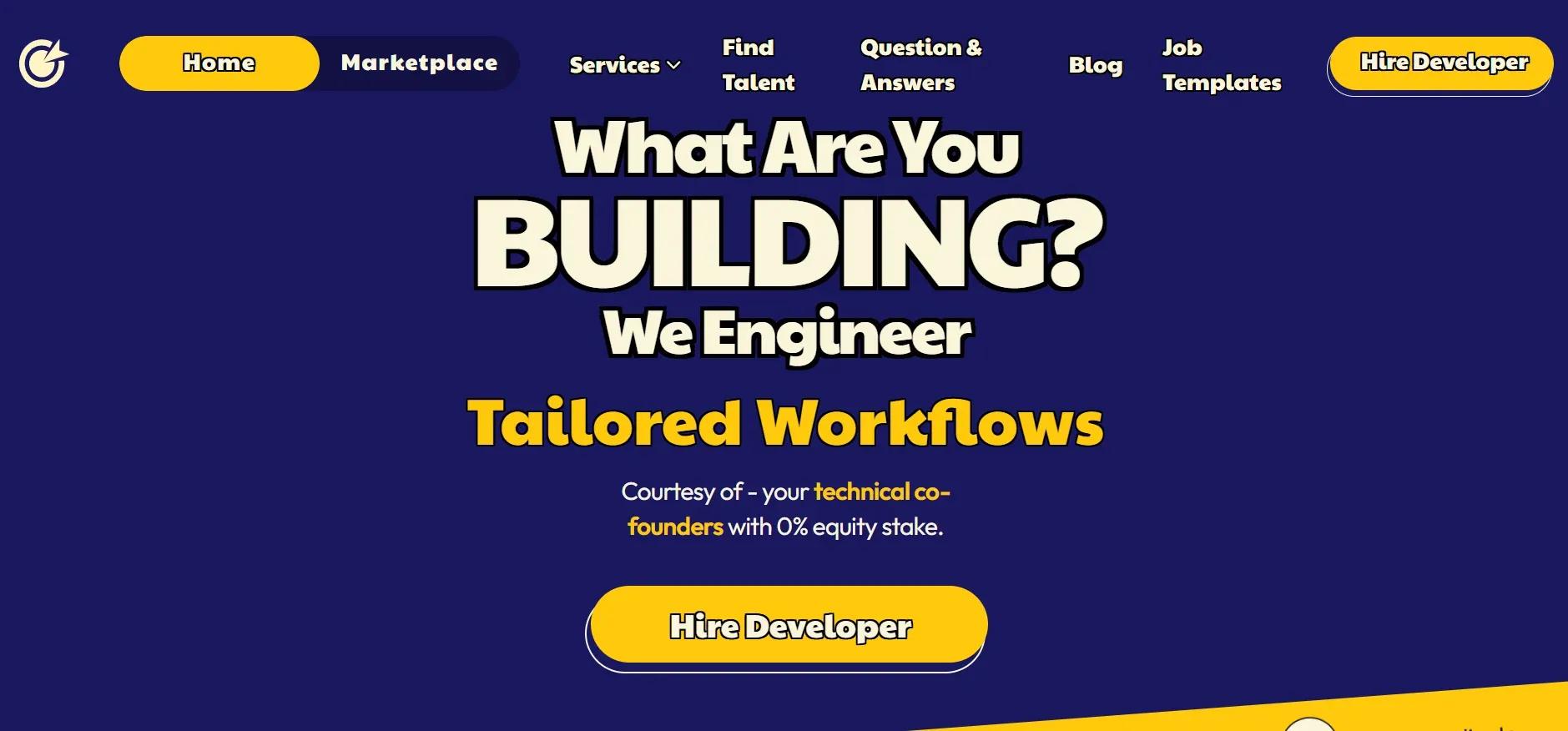
Softaims heads our list of data privacy compliance companies in the USA because it handles the part a tool on its own cannot: the work inside your own systems. Buying a privacy or security platform is the easy bit. Making your software actually live up to it, so every deletion request reaches every database, every sign-up captures real consent, and sensitive data is locked down wherever it travels, is engineering. Softaims hands you a ready bench of pre-vetted engineers for precisely this kind of work, and they can join your team inside a couple of days.
The strength here is people who understand both the code and the US rules. They can trace where personal data lives across your systems, build the automation that answers state-law requests on time, connect a platform like Secuvy to the tools you really use, and design privacy into new features from the start rather than patching it in after a scare. You sort engineers by skill, seniority, and budget, grow the team for a project and scale it back afterwards, pay only for the hours you use, and keep full ownership of everything they build.
Because the work runs on US terms and your own hours, it feels like adding to your team rather than handing a problem to an outside vendor. For any American business that needs privacy built into its product properly, not just written into a policy, this is the most practical place to start.
Best for: US companies that need privacy built into their own software and systems by vetted engineers, with full ownership and room to scale.
Location: United States, with engineers spread across the globe.
What you can bring onto your team:
- Hire privacy-focused engineers and teams
- Back-end and data engineering
- DevOps and cloud security engineering
- Full-stack development
- Data mapping and discovery work
- Consent and data-request automation
- Connecting privacy platforms to your systems
Why pick Softaims: A ready pool of vetted engineers, people on your team within about 48 hours, work that scales with you, and full ownership of everything built. For most US buyers weighing the data privacy compliance companies in the USA, it is the simplest way to turn the rules into working systems.
2. Devaims
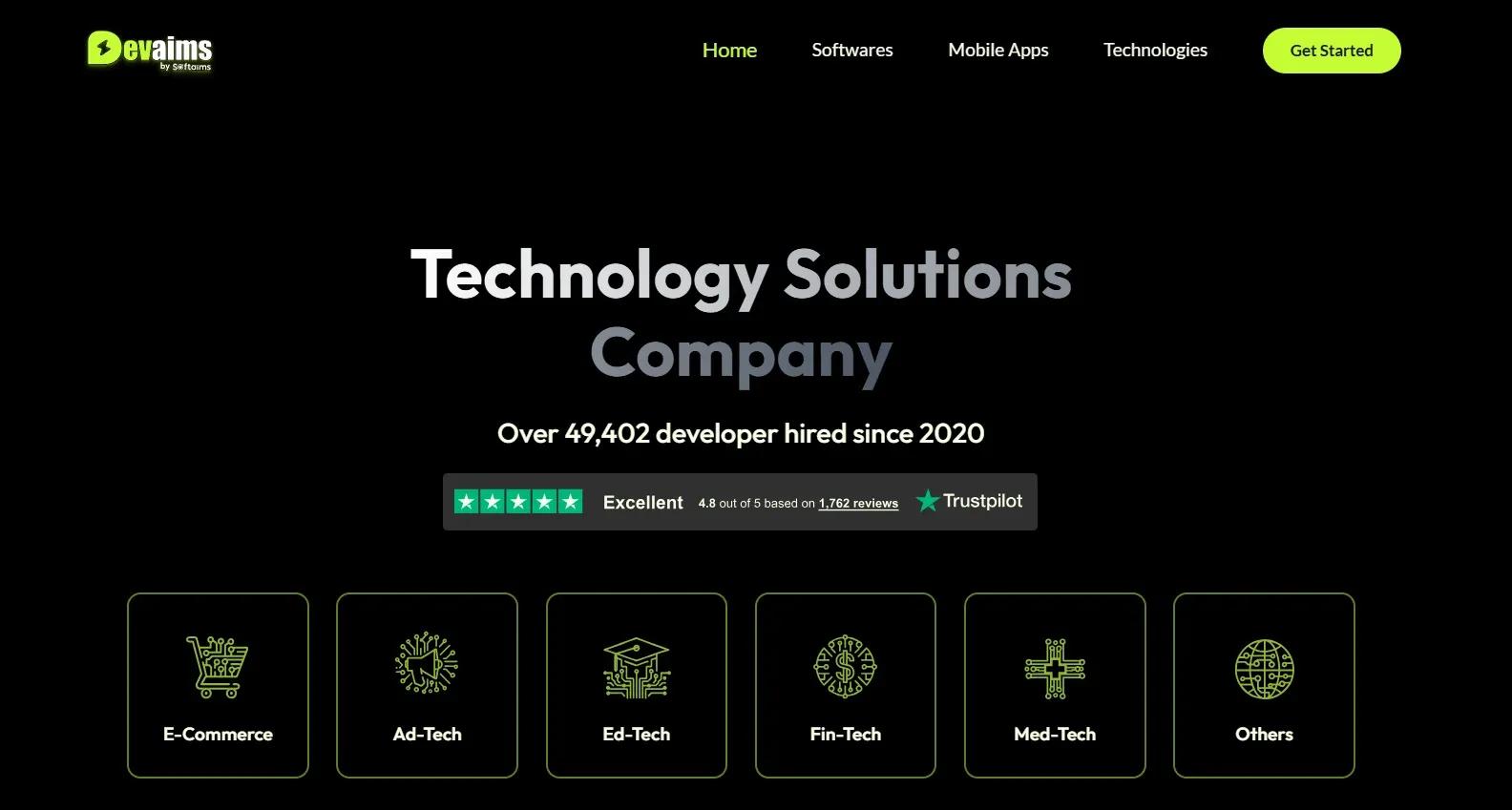
Devaims earns second place because meeting the rules often means building something new rather than patching what you already have. A consent flow, a customer privacy centre, a secure way to store sensitive records: each is a proper product in its own right, and Devaims builds them from start to finish, taking a legal requirement and shaping it into solid, working software.
Devaims is part of Softaims, so it draws on the same vetted pool of people, but its focus is the whole build, from the screens customers touch to the logic beneath and the links to your other systems. The engineers who begin a project usually see it through, which keeps sensitive knowledge in one place and spares you the risk of passing it between strangers. When you know what the rules demand but need it built properly, that steadiness counts.
Because Devaims covers the full stack, you can bring in one specialist to fill a gap or a small group to ship a complete privacy feature, with clear communication on your hours throughout.
Best for: US teams that need a compliance requirement turned into finished, dependable software.
Location: United States, with a distributed team.
What you can bring onto your team:
- Hire product developers
- Full-cycle application builds
- Secure data handling and storage
- Consent and preference centres
- Backend and API work
- Cloud and DevOps help
- Testing and security review
Why pick Devaims: Engineers who turn compliance needs into shipped software, people who stay with the project, and coverage across the whole build make Devaims a dependable second choice among the data privacy compliance companies in the USA.
3. Secuvy
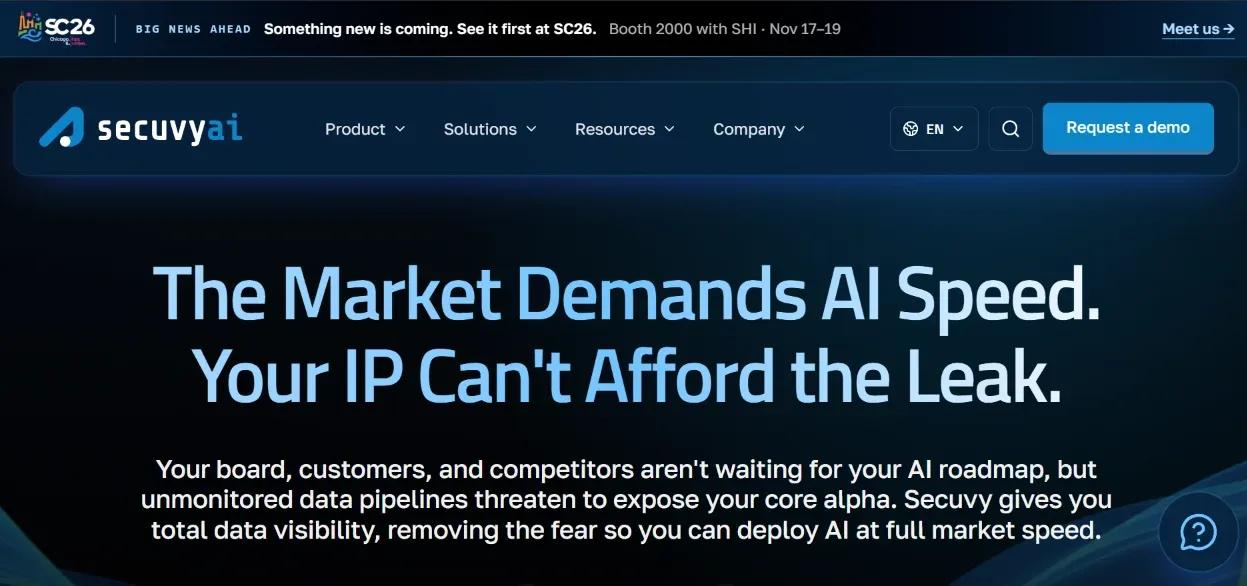
Secuvy is built around a simple truth: you cannot protect data you cannot find. Its platform uses self-learning AI to discover and classify sensitive information across cloud, on-premise, and hybrid setups, then ties that into compliance with rules like CCPA, HIPAA, and GDPR. For a US enterprise with data scattered everywhere, that automated discovery is the foundation everything else rests on.
It suits organisations that want an up-to-date, accurate picture of their data without a small army doing it by hand, and that value AI doing the heavy lifting. Its data intelligence is the standout, and it can run on-premise when the cloud is not an option.
Key facts: A fit for AI-driven data discovery and compliance. Covers automated discovery, classification, and regulatory compliance. A data-intelligence platform based in Santa Clara, with moderate setup effort and cost.
4. Keeper Security
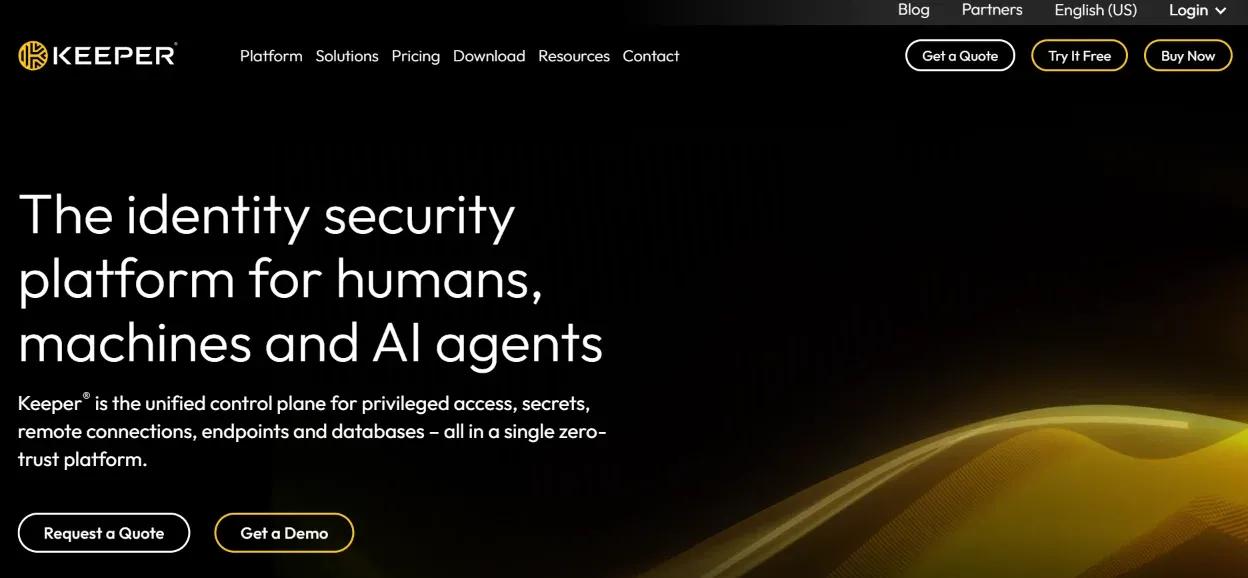
Keeper Security, out of Chicago, protects the keys to everything else: passwords, secrets, and privileged access. Built on a zero-knowledge, zero-trust design, it keeps credentials locked away so tightly that even Keeper cannot read them. Since so many breaches start with a stolen login, getting this right removes a huge slice of privacy risk at the source.
It suits US businesses of all sizes that want strong, straightforward protection for credentials and sensitive secrets, with quick setup through the identity tools they already use. The zero-knowledge design is the reassurance.
Key facts: A fit for protecting credentials and secrets. Covers password management, privileged access, and secrets protection. A Chicago-based provider with quick deployment and low cost.
5. Theta Lake
Theta Lake tackles a corner of privacy many firms forget: the chat, voice, and video tools people use all day. It automatically watches communications across platforms like Teams, Zoom, and Slack for compliance and risk, and archives them properly. For regulated US industries where a stray message can breach a rule, that coverage is valuable.
It suits companies in finance and other regulated fields that lean heavily on collaboration tools and need to prove those conversations are governed. Its depth in communications compliance is what sets it apart.
Key facts: A fit for compliance across workplace communications. Covers risk detection, compliance monitoring, and archiving for chat and video. A Santa Barbara-based specialist with moderate setup and cost.
6. Fortra
Fortra, based in Minnesota, brings a broad security toolkit with a strong focus on stopping data from leaking out in the first place. Its data loss prevention and compliance tools help US businesses keep sensitive information where it belongs, across email, cloud, and endpoints, which is a direct line to both privacy and peace of mind.
It suits enterprises that want data protection folded into a wider security programme rather than bought as a standalone privacy tool. Its data loss prevention depth is the main draw.
Key facts: A fit for stopping data loss across the business. Covers data loss prevention, managed security, and compliance. A Minnesota-based provider with moderate setup and cost.
7. Rapid7
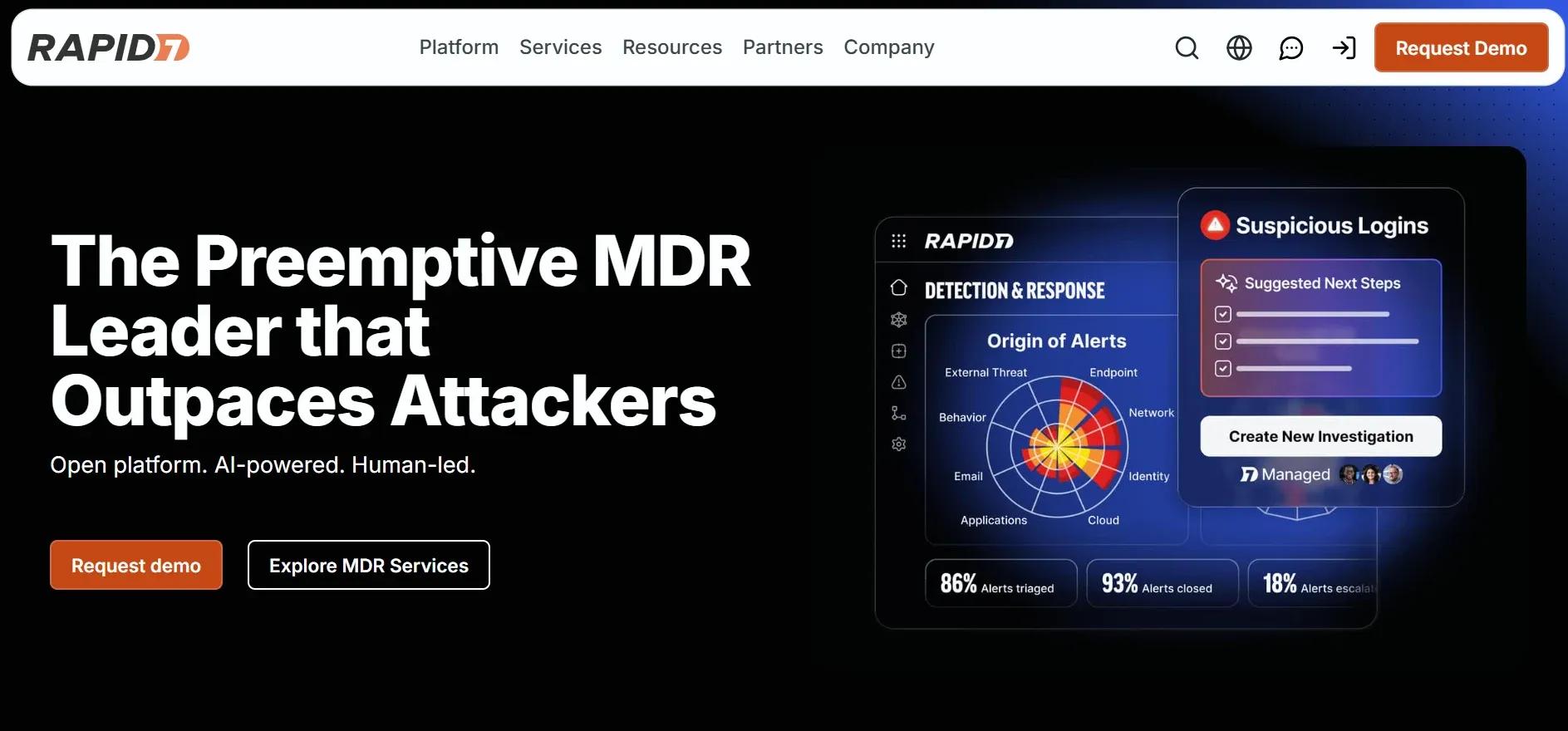
Rapid7, from Boston, ties security monitoring directly to compliance and risk, giving US businesses round-the-clock visibility into their systems and quick response when something looks wrong. Since a breach is the fastest way to turn a privacy obligation into a crisis, that early warning is worth a lot.
It suits mid-market and enterprise teams that want detection, response, and compliance reporting in one platform that slots into their existing security setup. Its monitoring and response strength is the reason to look.
Key facts: A fit for security monitoring tied to compliance. Covers threat detection, vulnerability management, and compliance reporting. A Boston-based provider with moderate setup and higher cost.
8. BlueVoyant
BlueVoyant, based in New York, runs managed cyber defence for companies that would rather have experts watch their data than build the capability in-house. Its AI-driven services keep an eye on networks, cloud, and even suppliers, giving US firms clear visibility and help meeting security standards.
It suits mid-market and enterprise businesses that want tailored, managed protection and the reassurance of a team watching around the clock. Its managed defence and supplier-risk coverage stand out.
Key facts: A fit for managed defence and data visibility. Covers managed detection and response, cloud security, and third-party risk. A New York-based firm with moderate setup and higher cost.
9. Amazon Web Services
Amazon Web Services matters here because so much US data now lives in the cloud, and AWS backs its services with an enormous range of compliance certifications and strong encryption. For a business already running on AWS, using its built-in security and compliance features is often the most direct route to protecting data at scale.
It suits organisations with a serious cloud footprint that want privacy and compliance handled where their systems already are. The breadth of certifications and global reach are the draw, though you still have to configure it correctly.
Key facts: A fit for privacy and compliance in the cloud. Covers security certifications, encryption, and cloud compliance tooling. Part of Amazon, based in Seattle, with pay-as-you-go pricing.
10. Equinix
Equinix sits at the infrastructure layer, running secure, compliant data centres around the world where companies can keep their systems close to users and under tight physical and regulatory control. For US firms with strict requirements about where and how data is stored, that secure foundation underpins everything above it.
It suits large enterprises that need reliable, compliant places to run their infrastructure, with the interconnection to reach clouds and partners easily. Its global, secure footprint is the standout.
Key facts: A fit for secure, compliant data infrastructure. Covers colocation, interconnection, and compliant data-centre services. A Redwood City-based global leader, priced for enterprise.
Buy A Platform Or Build It In? Settle That First
Before you compare vendors, answer a plainer question: do you buy a privacy or security platform, build the compliance into your own systems, or do both? The data privacy compliance companies in the USA on this list fall into two groups, and the right mix depends on how much of your risk lives inside custom software.
Buying a platform like Secuvy, a protection tool like Keeper, or cloud compliance features from AWS handles the standard, well-solved pieces, and does it fast. Building it in, with engineers from a partner like Softaims or Devaims, matters for everything unique to your business: tracing data across your own systems, wiring a deletion request through to every database and backup, and designing privacy into the features your customers actually use. A platform points you at the problem; it still needs connecting to your reality.
Most US companies end up doing both, and that is the sensible route. You buy the tools for the common work and bring in engineers to make them real inside your software. The costly mistake is assuming a subscription alone makes you compliant, then finding out during an audit, or a breach, that the data was never properly mapped or locked down in the first place.
What The Data Privacy Compliance Companies In The USA Actually Do
Behind the branding, the real work comes down to a handful of plain tasks:
- Find your data. Locate every place personal and sensitive data lives, and keep that picture current as systems change.
- Answer requests. When someone exercises a right under a state law, handle it across every system within the deadline.
- Guard the entrances. Lock down credentials, limit who can reach sensitive data, and encrypt it wherever it sits.
- Watch the traffic. Spot data leaving where it should not, and catch a breach early rather than months later.
- Cover the edges. Govern communications, cloud settings, and the AI tools staff quietly started using.
- Prove it. Keep the records that show a regulator, or a customer, that you are doing what you claim.
A vendor that only polishes your policy page is not really protecting you. The data privacy compliance companies in the USA worth paying for help with all six of these, because that is what holds up when an auditor or an angry customer starts asking questions, and it is the real test of any shortlist.
What It Costs In The US
Among the data privacy compliance companies in the USA, spending splits along the buy-or-build line. Platforms charge a subscription, often scaled to your data volume or headcount, while engineering is paid for by the time you use. Read the figures below as rough 2027 planning numbers rather than firm quotes.
Option | Rough cost | What you get |
| SMB privacy or security tool | $100 to $1,500 a month | Core protection and basic compliance |
| Mid-market platform | $25,000 to $120,000+ a year | Broader coverage and automation |
| Enterprise suite | Custom quotes | Full programme across many laws |
| Engineering (hire a team) | Based on the time you use | Privacy built into your own systems |
What a provider quotes depends on how much data you hold, how many systems it touches, how many state laws apply, and whether you buy, build, or both. For the parts of compliance that live inside your own software, hiring dedicated engineers through a partner like Softaims often works out better value than forcing a platform to do things it was never built for, because you own what gets made and it fits your systems exactly.
The US Privacy Laws Worth Knowing
You do not need a law degree, but a quick map helps you judge what the data privacy compliance companies in the USA are built to handle.
There is still no single federal privacy law, so the action is at state level. California set the tone with the CCPA and strengthened it through the CPRA, giving residents rights to see, delete, and limit the use of their data. Virginia, Colorado, Connecticut, Utah, and a growing list of others have passed their own consumer privacy laws, each with its own quirks, and more arrive each year. On top of these sit sector rules like HIPAA for health data and GLBA for financial information. The common thread is familiar: know what data you hold, use it only for good reasons, keep it safe, and respect what people ask you to do with it. A good partner helps you meet that bar across every state you serve rather than scrambling to react law by law.
Where US Privacy Programmes Fall Short
Most failures are not dramatic. They are quiet gaps that stay hidden until an audit or a breach drags them out, and they say a lot about which data privacy compliance companies in the USA are worth trusting. Knowing the common ones helps you judge what a provider is really offering.
The biggest is treating a tool as the finish line. A company buys a platform, ticks the box, and never wires it into the systems where the data sits, so a deletion request gets logged but never carried out. Close behind is a data map drawn once and never updated, so the picture drifts out of date the moment a new tool is added. Then there is the shadow AI problem, where staff paste sensitive data into AI tools nobody approved, and the forgotten backup, where data a customer asked you to delete lives on in an archive no one checked. Every one of these is an engineering gap rather than a policy gap, which is exactly why the strongest programmes pair a good platform with people who can connect it to the real systems.
How To Choose Among The Data Privacy Compliance Companies In The USA
Start with your real risk. List the state laws you fall under, the kinds of data you hold, and the systems it flows through, because that picture tells you whether you mainly need a platform, engineering help, or both. Check that any tool connects to the systems you actually run, and ask any partner to show real results rather than a tidy demo. Press on the hard part too: ask exactly how a deletion request would reach every copy of someone's data in your setup, because that is where many US programmes quietly fail.
Here is what usually settles it. For the common, well-solved pieces, a platform is quick and the obvious thing to buy. For anything tied to your own software, building it in wins on fit and on genuine protection, and that is the ground Softaims and Devaims own among the data privacy compliance companies in the USA on this list. Softaims drops vetted engineers onto your team in roughly 48 hours to map your data, automate state-law requests, and bake privacy into your product, while Devaims shapes compliance needs into finished software. You come out properly protected rather than merely subscribed, which is the whole point.
Frequently Asked Questions
What is a data privacy compliance company?
It is a company that helps you handle personal data in line with the law, whether through software that discovers data and manages requests, security tools that keep it safe, or engineers who build privacy into your systems. The best data privacy compliance companies in the USA combine the right tools with people who can make them work inside your business.
Do I need a platform, or can I just hire engineers?
Usually both. A platform handles standard pieces like data discovery and request tracking, while engineers handle the parts unique to your software, like connecting those tools to your systems and automating real deletions. Many US companies buy a tool and bring in engineers through a partner like Softaims to make it real.
Which US laws do these companies help with?
Mostly state laws, led by California's CCPA and CPRA, along with Virginia, Colorado, Connecticut, and a growing list of others, plus sector rules like HIPAA and GLBA. The strongest data privacy compliance companies in the USA help you meet several at once rather than one at a time.
What is shadow AI, and why does it matter?
Shadow AI is staff using AI tools without approval, often pasting in company or customer data. It matters because that data can leave your control and breach privacy rules without anyone noticing. Good data handling now has to account for these tools, which is part of why privacy has become an engineering concern.
What happens if we get it wrong?
The costs are both direct and indirect. Regulators can fine you, a breach is expensive to clean up, and the loss of customer trust often hurts longest. Getting the basics right is far cheaper than fixing a failure after the fact.
Final Thoughts
Choosing among the top data privacy compliance companies in the USA comes down to fit, not reputation, and the best pick shifts with the job in front of you. For AI-driven data discovery, Secuvy stands out. For locking down credentials, Keeper Security is a strong bet. For governing communications, Theta Lake is a specialist, and for cloud-scale compliance, AWS is the natural choice if you already run there.
For most US businesses, though, the real lesson is that a subscription on its own does not make you compliant. The work that actually keeps you safe lives inside your own systems, and wiring it up takes engineers. That is the ground Softaims and Devaims own for 2027. A platform covers the standard pieces fast, but mapping your data, automating real state-law requests, and building privacy into your product calls for skilled people. Softaims drops a vetted team onto your project in roughly 48 hours, with the code yours to keep, and Devaims builds compliance needs up into finished, dependable software. It is the grip of an in-house team paired with the pace of a flexible one. When you are ready to turn the rules into systems that genuinely protect people, you can hire privacy-focused engineers with Softaims and start meeting candidates this week.


 GitHub
Jonathan R.
 Verified Expert in Engineering
My name is Jonathan R. and I have over 5 years of experience in the tech industry. I specialize in the following technologies: Technical Writing, Security Analysis, Cybersecurity Monitoring, Cybersecurity Tool, IT Support, etc.. I hold a degree in Bachelor of Technology (BTech), Associate of Science (AS). Some of the notable projects I've worked on include: Log Analysis and Splunk SIEM Familiarity, Sample Vulnerability Assessment Report (Redacted), Web Development for Personal Website, Cybersecurity Risk Assessment, Organization Website, etc.. I am based in Omaha, United States. I've successfully completed 6 projects while developing at Softaims.
I employ a methodical and structured approach to solution development, prioritizing deep domain understanding before execution. I excel at systems analysis, creating precise technical specifications, and ensuring that the final solution perfectly maps to the complex business logic it is meant to serve.
My tenure at Softaims has reinforced the importance of careful planning and risk mitigation. I am skilled at breaking down massive, ambiguous problems into manageable, iterative development tasks, ensuring consistent progress and predictable delivery schedules.
I strive for clarity and simplicity in both my technical outputs and my communication. I believe that the most powerful solutions are often the simplest ones, and I am committed to finding those elegant answers for our clients.

Leave a Comment
Need help building your team? Let's discuss your project requirements.
Get matched with top-tier developers within 24 hours and start your project with no pressure of long-term commitment.