Top 10 Headless CMS Development Companies in the UK (2027)
Compare the top 10 headless CMS development companies in the UK for 2027. We evaluate agencies on content modelling, migration, integrations, and editor experience, plus UK pricing, timelines, and hiring tips.
Technically reviewed by:
Vladimir M.|Adrian J.
Table of contents
Key Takeaways
- Genuine CMS skill is reflected in the content model, the structure of types, fields, and reusable parts which determines whether a site endures or buckles as editors push its limits over time.
- When choosing a headless partner, success relies heavily on four factors: content modelling depth, migration track record, integration skill, and support/editor experience.
- Agencies in the UK cater to various needs, ranging from flexible embedded engineers (such as Softaims) and full end-to-end builders (such as Devaims) to specialized Jamstack/Sanity boutiques (such as Pagepro and Roboto Studio) and enterprise composable platforms (such as Netcel).
- Cost and Timelines Vary by Scope:
- Small to mid-size builds generally cost between £25,000 and £70,000 and take 2 to 4 months.
- Content migration and remodelling ranges from £45,000 to £130,000 across 3 to 6 months.
- Regulated or large enterprise builds start at £130,000+ and typically take 6 to 12+ months.
- Under UK GDPR, data privacy, secure storage, and migration transfers must be addressed from the first sprint, and contracts should guarantee full ownership of the code, content, and platform accounts post-launch.
Choosing a headless CMS partner looks simple at first, then gets tricky the moment real requirements land. The platform itself is rarely the sticking point, since most UK agencies can work with Contentful, Sanity, or Strapi well enough. The real gap shows up in whether a team grasps your content structure, your front-end setup, and where your business is heading over the next few years. Plenty of firms claim this skill, so this guide cuts through the sales talk and compares the top headless CMS development companies in the UK for 2027 on what actually decides a project: content modelling, migration, integrations, and whether the site still holds up a year after launch.
To make the shortlist useful, we have mixed dedicated headless specialists with established UK digital agencies and product-led teams, so there is a fit whether you are a lean startup, a content-heavy publisher, or an enterprise with strict UK GDPR duties. For each one, you will find what it is best for, the platforms it knows, an honest trade-off, and roughly where its pricing sits in pounds. Alongside the rankings, the guide explains in plain terms what a headless build involves, how long it tends to take, what it costs in the UK, and the questions that quickly separate a safe partner from a risky one. In short, by the end you should have a shortlist you can act on, not just a list of names.
Why UK Businesses Are Going Headless
Before weighing any firm, it helps to understand the pull. For a start, content teams want to publish, localise, and tweak pages without logging a developer ticket for every change. On top of that, content now has to reach websites, mobile apps, and even AI-generated answers, not one page alone. As a result, well-structured content has become a genuine advantage, and that rests far more on how carefully the content is modelled than on which platform you license. UK GDPR adds another reason to get the foundations right, since how personal data is stored and served is part of the build. All of this keeps demand high for capable headless CMS development companies in the UK, because a clean build repays itself in speed and flexibility while a rushed one quietly bleeds budget.
Top 10 Headless CMS Development Companies in the UK at a Glance
Here is a quick view of the ten headless CMS development companies in the UK we compared. At a glance, you can see where each one sits, what it knows, and roughly where its pricing lands. Below the table, the full write-ups add the detail behind each pick.
Rank | Company | Best for | CMS expertise | Location | Pricing |
| 1 | Softaims | Flexible, vetted teams you embed | Platform-agnostic | UK-aligned, global | Flexible, pay for hours |
| 2 | Devaims | End-to-end headless builds | Platform-agnostic | UK-aligned | Flexible, project or team |
| 3 | Pagepro | Headless and Jamstack specialists | Sanity, Contentful, Strapi | London | Custom quote |
| 4 | Netcel | Composable enterprise platforms | Contentful, Optimizely | UK | Custom quote |
| 5 | Clock | Contentful builds and products | Contentful, headless | Ringwood and London | Custom quote |
| 6 | Roboto Studio | Sanity-focused editorial sites | Sanity | UK | Custom quote |
| 7 | Kyan | Product-led headless builds | Contentful, React, Next.js | Guildford and London | Custom quote |
| 8 | Deeson | Content engineering and migration | Drupal, headless | Kent and London | Custom quote |
| 9 | Manifesto | Service design and content platforms | Contentful, headless | London | Custom quote |
| 10 | Code Computerlove | Product teams and optimisation | Headless, composable | Manchester | Custom quote |
Which one should you shortlist? Want flexible engineers you embed, with full ownership of the code and no platform lock-in? Look at Softaims. Need headless or Jamstack specialists? Pagepro and Roboto Studio focus on exactly that. After a composable enterprise build or deep Contentful work? Netcel and Clock lead there. Prefer product-led teams or strong content engineering? Kyan, Deeson, Manifesto, and Code Computerlove each have a case. The rest of this guide shows the evidence behind each of these headless CMS development companies in the UK.
How We Picked the Best Headless CMS Development Companies in the UK
League-table positions and paid partner badges can both be bought, so we left them out. Instead, to rank these headless CMS development companies in the UK, we leaned on evidence that is harder to game: shipped production work, the depth of the content modelling, a real migration record, integration skill, and whether editors, not only developers, come away happy. Naturally, we checked all this in November 2026, and since the picture shifts, confirm the latest before you commit. Four factors mattered most.
Content modelling depth
The content model, meaning the structure of types, fields, and reusable parts, is where genuine CMS skill lives. Handled as a design discipline it endures; handled as a quick setup task, however, it buckles over the following year as editors run into its limits.
Migration track record
Shifting off WordPress or Drupal into a headless setup tests everything at once: content architecture, data transformation, and keeping search rankings intact. For that reason, named migration experience is a dependable quality signal.
Integration skill
A headless CMS rarely works alone. Therefore, we favoured teams that wire in commerce, personalisation, analytics, and back-office systems from the outset rather than bolting them on later.
Support and editor experience
A CMS lives or dies by the people typing into it each day. Accordingly, we valued partners that design for editors, add training and governance, and stick around after launch rather than drifting off.
On our own involvement. Softaims publishes this guide and appears in it, and Devaims is a sister Softaims brand. The two do different jobs: Softaims supplies vetted engineers you embed in your own team, while Devaims runs full project builds. We have held both to the same test as every other name here, and we point you to the others' own sites so you can check them for yourself.
The 10 Best Headless CMS Development Companies in the UK for 2027, Reviewed
For easy comparison, each profile below follows the same shape so you can weigh these headless CMS development companies in the UK fairly: what the firm is best for, a short overview, its strengths, the key facts, who it suits, and an honest trade-off.
1. Softaims
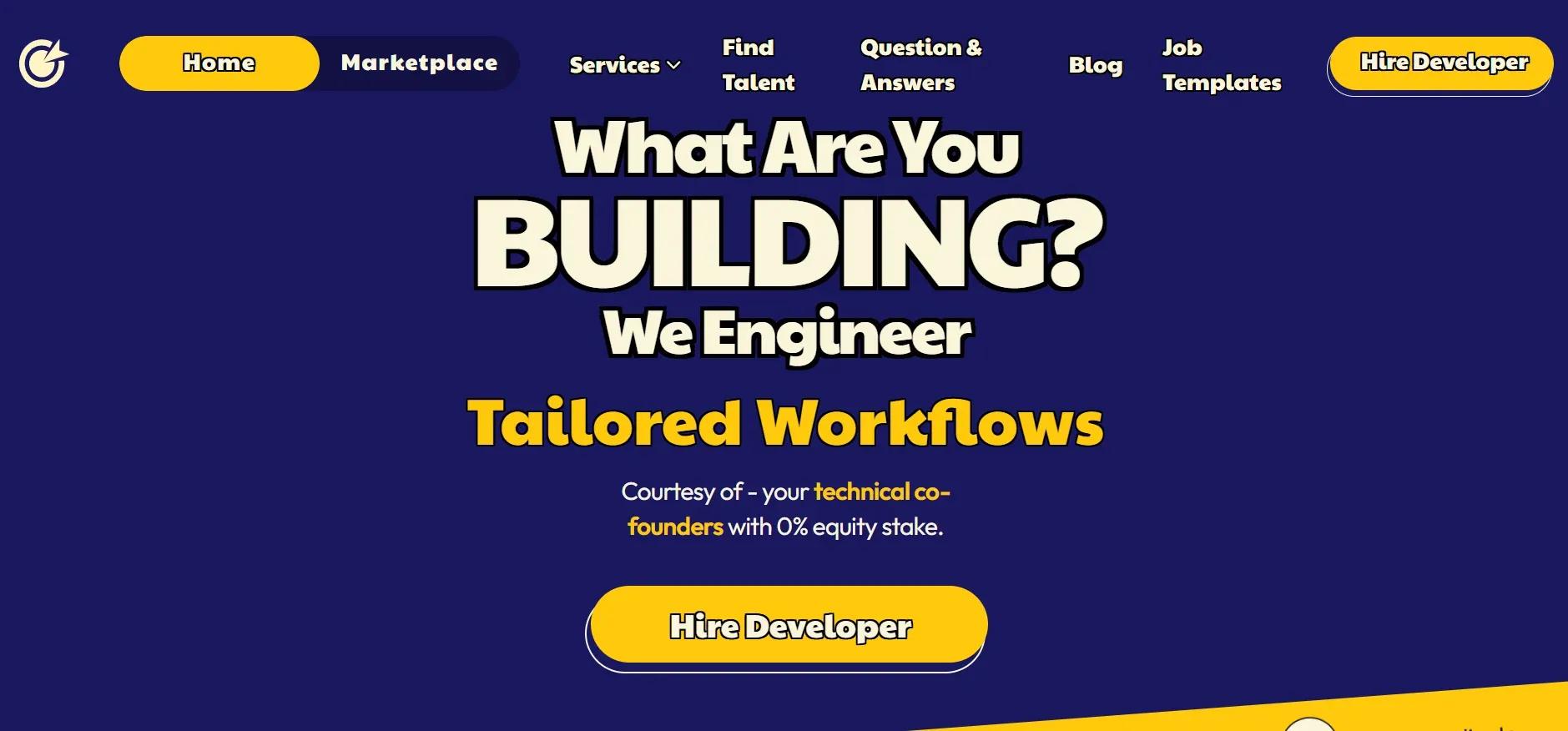
Best for: Teams who want flexible, vetted engineers to build headless CMS and keep full control.
Softaims hands you a ready pool of pre-vetted frontend, backend, and CMS engineers you bring onto your own team, usually within a couple of days. Rather than handing a build to a fixed-scope agency, you get people who model your content, set up the CMS, build the front end, and migrate your pages inside your own sprints, leaving you owning every line of code. Moreover, they are platform-agnostic, so they help you pick the CMS that genuinely fits, whether that is Contentful, Sanity, Strapi, Storyblok, or Contentstack, rather than pushing one product.
Strengths:
- Content modelling and platform selection
- CMS setup on Contentful, Sanity, Strapi, Storyblok, or Contentstack
- Frontend developers for Next.js and modern front ends
- Migration without broken links or lost SEO
- Full-stack and backend developers for integrations
Key facts: UK-aligned delivery backed by a global engineering network. Flexible pricing, you pay for hours used. A team can be reviewing your setup in roughly 48 hours.
Why choose Softaims? If you want to move quickly, keep full control, and avoid platform lock-in, it is the most flexible of all the headless CMS development companies in the UK on this list. You can hire CMS and frontend engineers and size the team to the work in front of you.
Considerations: It is a talent and engineering partner, not a fixed-scope consultancy running a multi-year programme, so a large firm may suit a long enterprise transformation better.
2. Devaims
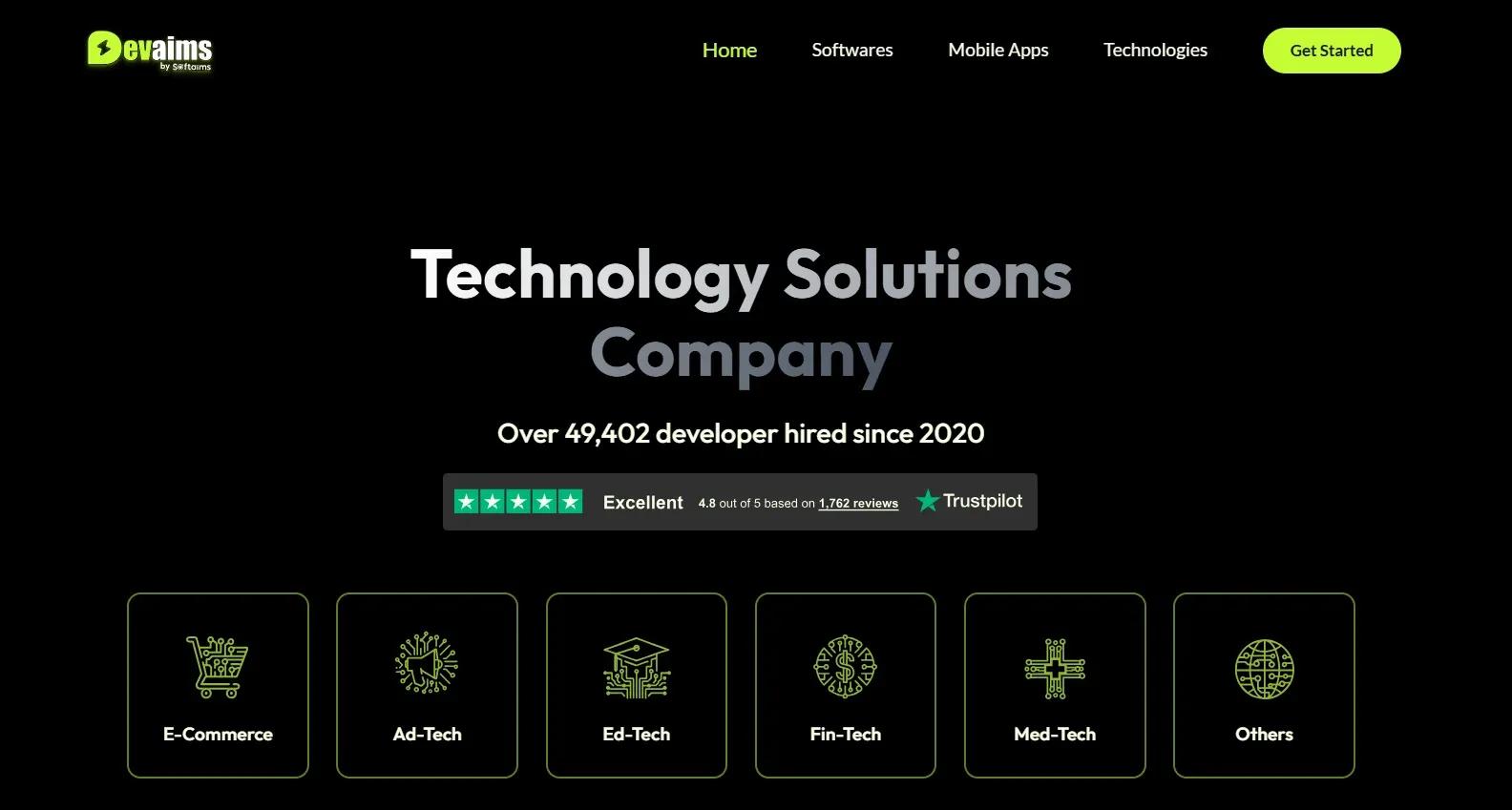
Best for: Teams who want a full headless build or replatform handled end to end.
Devaims, a Softaims brand, takes a headless CMS project from plan through build and into steady running, owning the whole delivery rather than just adding engineers. In practice, you get content modelling, CMS setup, the front end, migration, and integrations from one team that stays with the project. It suits organisations that would rather hand over a clear brief and get a working, documented headless setup back.
Strengths:
- Headless architecture and content modelling
- CMS setup and configuration
- Front-end build in modern frameworks
- Migration and SEO preservation
- Integrations, deployment, and ongoing support
Key facts: UK-aligned delivery with a distributed team. Flexible pricing by project or team. A sister brand of Softaims.
Why choose Devaims? If you want a single team to own the whole build and stay with it as the site grows, rather than managing people yourself, Devaims fits.
Considerations: It works best with a reasonably clear brief, so a very early, undefined programme may want an advisory-led firm to shape strategy first.
3. Pagepro
Best for: Headless and Jamstack builds from a specialist.
Pagepro is a headless and Jamstack specialist with a London office, working mainly across Sanity, Contentful, and Strapi with modern React front ends. Naturally, it suits teams that want a partner living and breathing headless rather than a generalist agency dropping in occasionally. Notably, its focus on performance and clean architecture makes it a strong fit for fast, content-led sites that need to scale.
Strengths:
- Headless and Jamstack builds
- Sanity, Contentful, and Strapi work
- Performance-focused React front ends
- Content-led site delivery
Key facts: London office with wider delivery. Custom pricing. Strong headless specialism.
Why choose Pagepro? If you want a team that works on headless projects all day every day, it is one of the more focused headless CMS development companies in the UK to shortlist.
Considerations: Being a specialist, check that it covers any heavier enterprise integrations you need on top of the core headless build.
4. Netcel
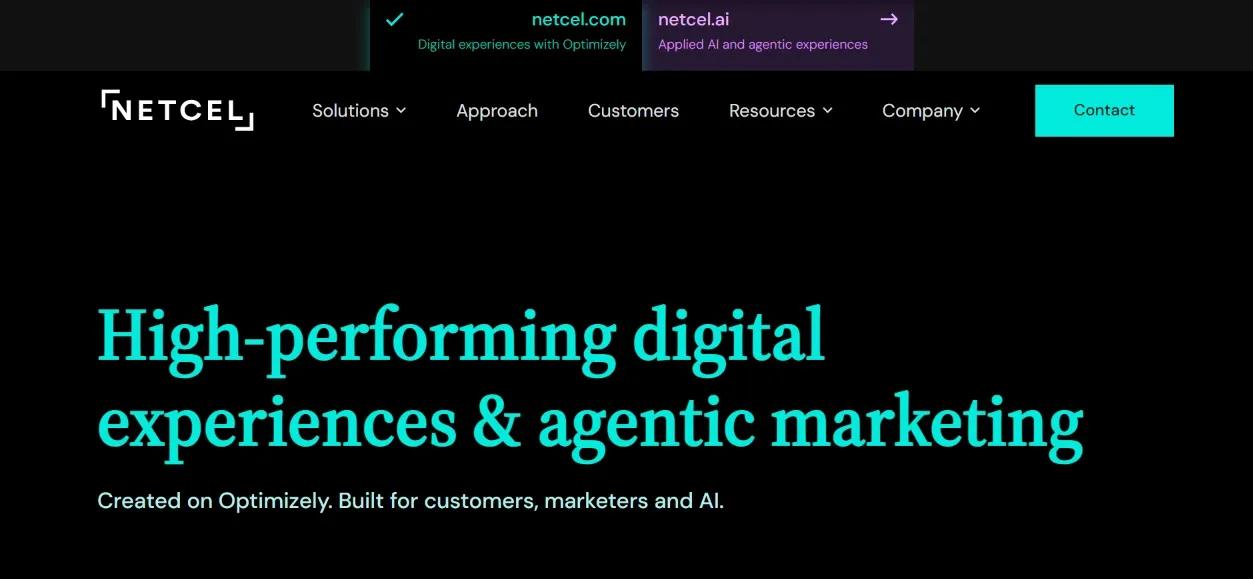
Best for: Composable enterprise platforms.
Netcel is a UK digital experience agency with real strength in composable and content-led platforms, working with the likes of Contentful and Optimizely. Generally, it suits larger organisations replatforming complex sites where content, commerce, and governance all have to work together. For a bigger, structured programme, its experience with composable architecture is the draw.
Strengths:
- Composable and content-led platforms
- Contentful and Optimizely work
- Enterprise content strategy
- Long-term delivery and support
Key facts: UK-based. Custom pricing. Strong on composable enterprise builds.
Why choose Netcel? If you are running a larger, multi-system replatform, it is one of the more capable headless CMS development companies in the UK for composable work.
Considerations: Its enterprise focus suits larger budgets more than a small content site.
5. Clock
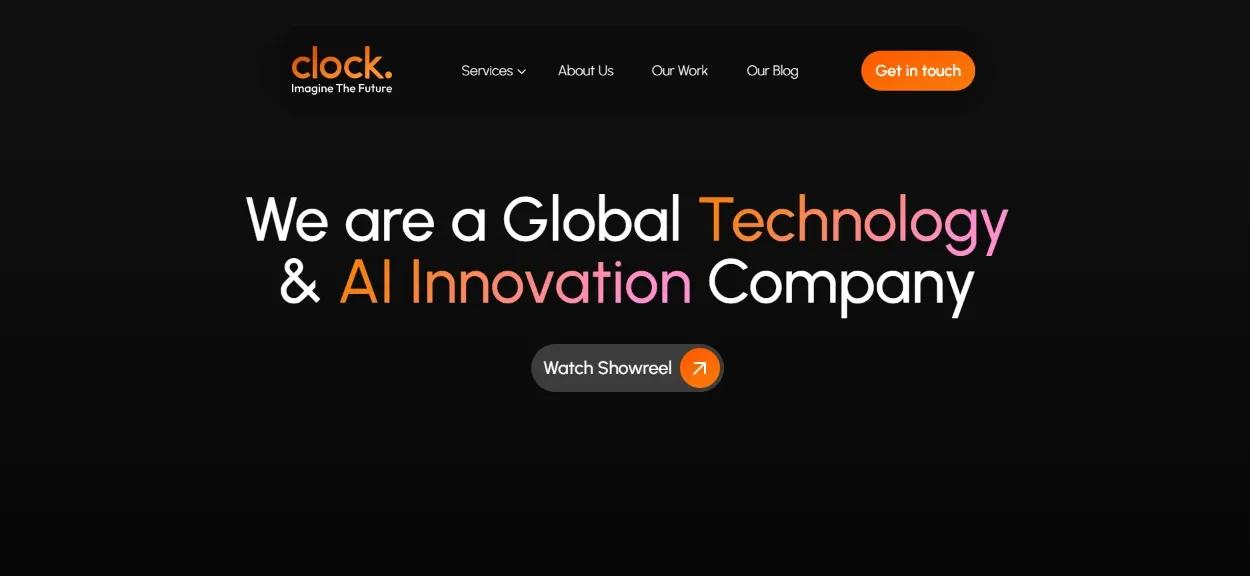
Best for: Contentful builds and digital products.
Clock is a long-established UK agency with offices in Ringwood and London, known for Contentful work and building digital products rather than just websites. Moreover, it brings solid engineering and product thinking to headless builds, which suits teams that want a reliable partner with a track record across media, membership, and content-heavy sites. Its Contentful experience in particular is well regarded.
Strengths:
- Contentful and headless builds
- Digital product development
- Content-heavy and membership sites
- Engineering and product thinking
Key facts: Ringwood and London. Custom pricing. Strong Contentful track record.
Why choose Clock? Above all, if you want an established UK partner with real Contentful depth, it is a safe pair of hands.
Considerations: Confirm its fit for your specific platform if you are set on something other than Contentful.
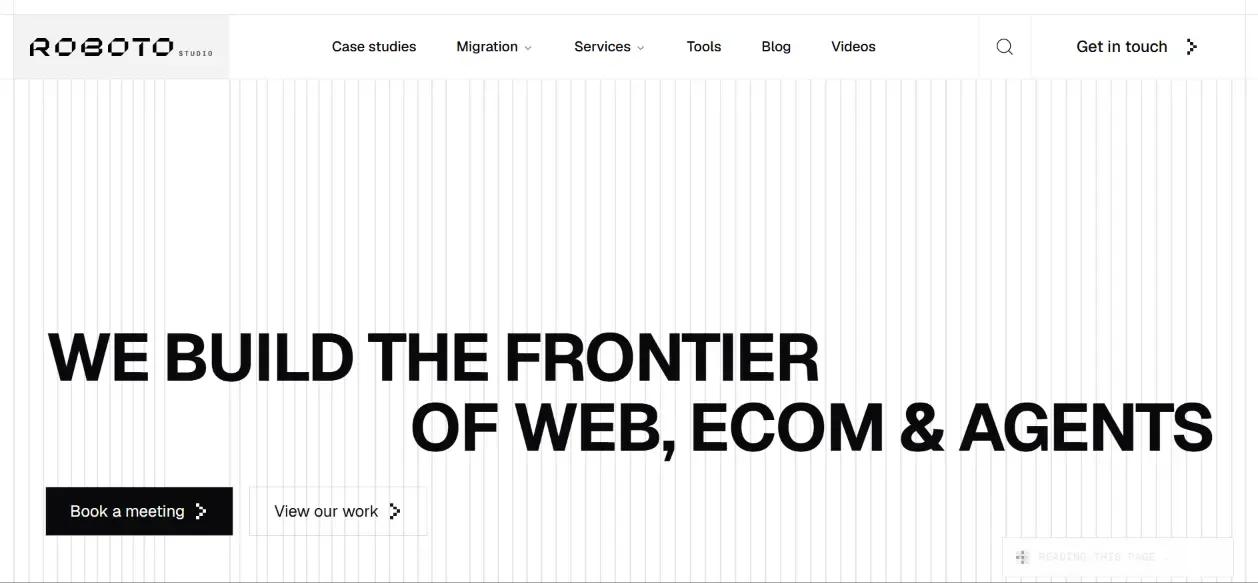
6. Roboto Studio
Best for: Sanity-focused editorial sites.
Roboto Studio is a UK boutique focused on Sanity, with strong editorial workflow design and active contributions to the Sanity ecosystem. In practice, it suits content-heavy organisations that want a specialist who knows one platform deeply and builds a clean editing experience around it. For a Sanity-based editorial site, that depth is a real advantage.
Strengths:
- Sanity implementation
- Editorial workflow design
- Modern front-end build
- Ongoing support
Key facts: UK-based with global clients. Custom pricing. Deep Sanity focus.
Why choose Roboto Studio? If you are committed to Sanity and want a specialist who knows it inside out, it is a strong fit.
Considerations: Its deep focus on one platform suits Sanity projects, so a different CMS means a different partner.
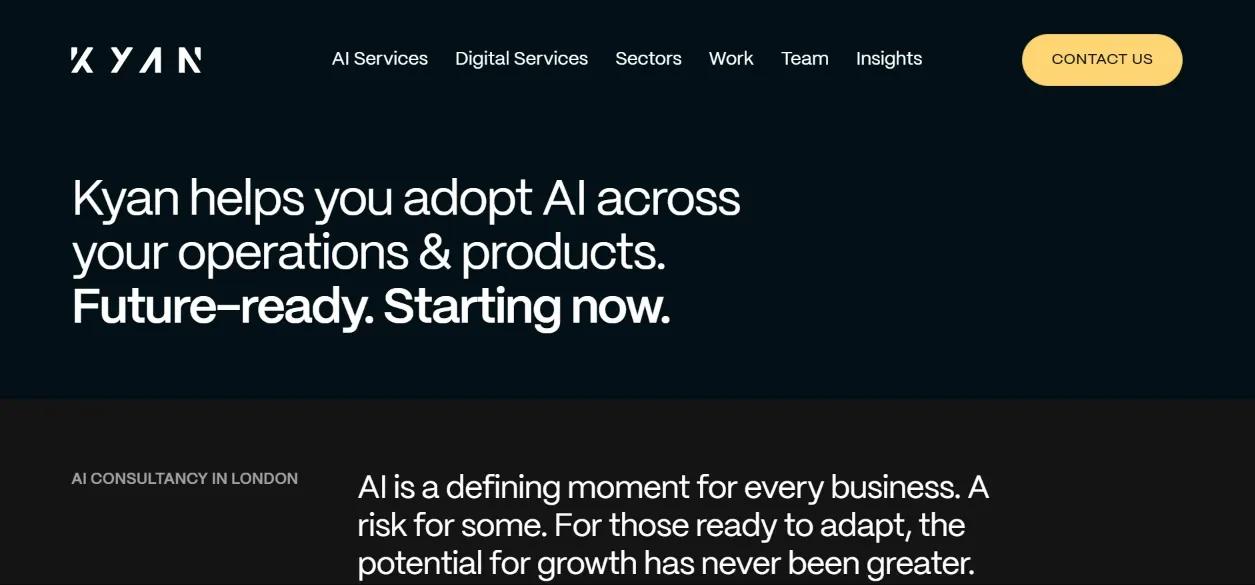
7. Kyan
Best for: Product-led headless builds.
Kyan is a UK technology and product agency with offices in Guildford and London, strong in React, Next.js, and modern headless builds. Crucially, it brings product thinking alongside the engineering, which suits teams that want help shaping what to build, not just how. For a product-minded headless site or app, its blend of design and development fits well.
Strengths:
- Product strategy and design
- React and Next.js front ends
- Headless CMS builds
- Ongoing product development
Key facts: Guildford and London. Custom pricing. Strong product and engineering focus.
Why choose Kyan? If you want product thinking alongside the headless build, its approach is the draw.
Considerations: Confirm its depth on your specific CMS platform during discovery.
8. Deeson
Best for: Content engineering and careful migration.
Deeson is a UK agency with offices in Kent and London, known for content engineering and a thoughtful approach to migration, with roots in Drupal and a move into headless. Typically, it suits content-heavy and public-facing organisations that need years of content moved cleanly and a governance model that holds. Its migration process in particular is well structured.
Strengths:
- Content engineering and strategy
- Migration from Drupal and legacy platforms
- Headless and decoupled builds
- Content governance
Key facts: Kent and London. Custom pricing. Strong on content engineering and migration.
Why choose Deeson? If a careful migration and solid content governance matter most, its experience fits.
Considerations: Its roots are in content-heavy work, so confirm the depth of its cloud-native headless practice for your stack.
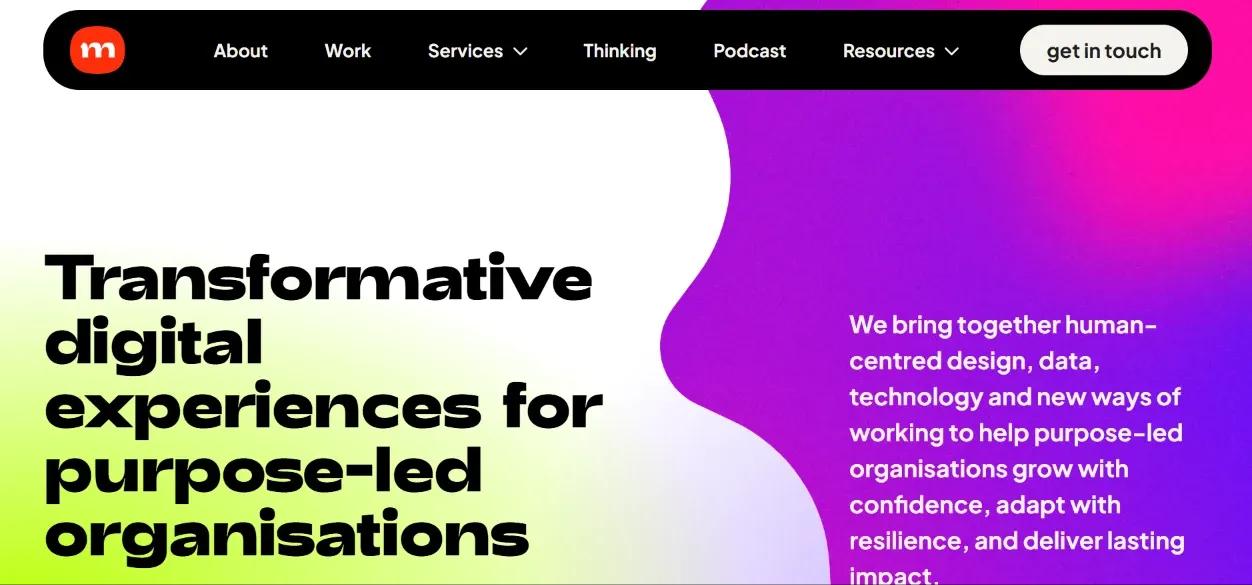
9. Manifesto
Best for: Service design and content platforms.
Manifesto is a London digital agency that pairs service design with build, working on content platforms including Contentful and headless setups. As a result, it suits organisations, including public sector and charities, that want user-centred design alongside the engineering. For a content platform where the user experience matters as much as the back end, its design strength stands out.
Strengths:
- Service and user-centred design
- Contentful and headless platforms
- Public sector and charity experience
- Research and content strategy
Key facts: London-based. Custom pricing. Strong design and research focus.
Why choose Manifesto? If design quality and user research matter as much as the build, its approach fits.
Considerations: Confirm its depth on the heavier technical parts you need alongside its design strength.
10. Code Computerlove
Best for: Product teams and ongoing optimisation.
Code Computerlove is a long-standing Manchester agency that works as an embedded product partner, strong on experimentation, optimisation, and modern composable builds. Therefore, it suits organisations that want a continuous product relationship rather than a one-off project, with a focus on improving results over time. For teams who value steady iteration, its model is a good fit.
Strengths:
- Product teams and embedded delivery
- Experimentation and optimisation
- Composable and headless builds
- Continuous improvement
Key facts: Manchester-based. Custom pricing. Strong product and optimisation focus.
Why choose Code Computerlove? If you want an ongoing product partner focused on results, its model is the draw.
Considerations: Its continuous-partnership model suits ongoing work more than a single fixed-scope build.
Headless CMS Development Explained Simply
Picture a headless CMS as a content warehouse with no shopfront attached. A traditional platform such as classic WordPress bundles the two together, so the system that stores your words also decides how the page looks. Going headless separates the warehouse from the shopfront: content is kept as structured data and handed out through an API to any front end, from your main website to a mobile app or a kiosk screen. Headless CMS development is the craft of assembling that whole chain so it runs smoothly, which is a good deal more than flipping on a new tool.
In real terms, the work spans shaping content into reusable building blocks, standing up the platform with an editing experience your team will thank you for, coding the front end that requests the content, carrying existing pages over without losing links or rankings, and plumbing in the other tools your business runs on. Nail it, and publishing gets quicker while editors stop opening support tickets. Fumble it, though, and you inherit a half-finished rebuild nobody enjoys, which is why the best headless CMS development companies in the UK give content modelling and the editing experience as much care as the code itself.
The platforms behind it
Nearly every project rests on one of a small set of platforms, and a dependable partner guides the choice rather than defaulting to a house favourite. For one, Contentful and Contentstack suit larger organisations that need firm governance. Sanity, by comparison, appeals to teams that want a highly flexible model developers can tailor. Storyblok stands out for a visual editor that marketing teams find approachable. Where self-hosting and full control matter, meanwhile, Strapi leads the open-source field, with Payload and Directus gaining ground when the app and CMS share one codebase.
How Headless Differs From a Traditional CMS
A traditional platform welds your content to its presentation. Since it churns out the HTML and owns the templates, you get going fast, but the seams show as you scale: adjusting the front end drags the CMS along with it, and serving the same content to an app or a second site means duplicating it.
Headless unpicks that seam. Your content lives as structured data and travels out over REST or GraphQL, so one library can feed many front ends, writers and developers stop treading on each other, and either half can be upgraded on its own. The fair catch is that you trade a quicker start for more upfront care over the content model. Beyond that, how good the editing feels depends heavily on the platform and the build, and narrowing that difference is exactly the job of good headless CMS development companies in the UK.
What Does Headless CMS Development Cost in the UK?
Pricing across headless CMS development companies in the UK swings widely, since a modest content site and a full enterprise replatform are worlds apart. UK agency day rates give a useful anchor, typically running from around £500 to £1,200 depending on seniority and the firm. From there the total depends on scope, and remember that VAT sits on top of any UK quote.
Small to mid-size build
Typically, a straightforward headless build for a marketing or content site runs about £25,000 to £70,000, depending on the integrations and how bespoke the front end is.
Migrating and remodelling content together
Moving off a legacy platform while reworking the content model at the same time usually comes to £45,000 to £130,000, since carrying years of content over cleanly is genuine work.
Enterprise or regulated build
At the top end, a large, multi-system build, or one with heavy UK GDPR and security duties, generally starts around £130,000 and rises from there, running over many months.
What drives the price
In practice, cost follows a handful of things: your page count, the volume of content to move, the number of integrations, and how bespoke the front end and editing screens need to be. Migration, meanwhile, is the line people underestimate. So keep a buffer of 15 to 20 percent, because replatforms are known for overrunning. Bear in mind, too, that the platform subscription sits on top of the build, since cloud-native CMSs bill their own fee that grows with usage.
Engagement type | Illustrative UK cost (2027) | Typical timeline |
| Small to mid-size build | £25,000 to £70,000 | 2 to 4 months |
| Migrate and remodel content | £45,000 to £130,000 | 3 to 6 months |
| Enterprise or regulated build | £130,000+ | 6 to 12+ months |
Typical Timelines for a Headless CMS Build
Timelines vary from one UK agency to the next, but a single site of a few thousand pages usually sits around the 10-week mark, while a multi-site enterprise build stretches to 12 to 20 weeks or beyond. Content migration lands on top of that, so a site you could stand up in 4 to 8 weeks often needs 12 once the back catalogue has to move. The two factors that blow a schedule out are a vague scope and an untidy content library, so a partner who audits both up front can hand you a date worth believing.
Choosing the Right UK Headless CMS Partner
Once you have a shortlist of headless CMS development companies in the UK, five questions quickly sort the strong from the shaky. Helpfully, you can put every one of them to a firm in a single opening call.
See how they think about the content model
The content model underpins everything else. So ask a would-be partner to show you how they would carve your content into reusable parts, and find out who owns that task, an engineer or a proper content architect. If the answer stays vague, take note.
Probe their migration history
After that, request real migrations at roughly your scale, and ask how the team looks after redirects, rankings, and broken links on the way through. Migration is the stage where projects tend to unravel without anyone noticing until later.
Watch for honest platform advice
A partner worth hiring points you to the CMS your team needs, not the one it always defaults to. Should a firm name a platform before it has learned a thing about your situation, keep your guard up.
Put data protection on the table early
With UK GDPR in play, how personal data is stored, served, and shifted during a migration cannot wait until the end. So ask plainly how a partner manages data protection and any transfers, and pin it down in the contract.
Settle ownership and aftercare
Finally, confirm in writing that the code, the content, and the platform accounts are yours, and that you know who tends the site once it goes live.
Questions to Ask Before You Hire
- Which headless platforms have gone live for you in roughly the last year, and how big were those builds?
- Have you ever told a client their preferred platform was the wrong call, and what happened?
- Who leads the content modelling on your projects, a developer or a content architect?
- How do you keep rankings, redirects, and old links safe through a migration?
- How would UK GDPR and data protection be handled on a project like mine?
- Can you put me in touch with a content or marketing lead from a past build?
- When you hand over, what do I own outright, and what does your aftercare include?
Clear answers backed by examples put you at ease. Woolly ones, or a wall of partner badges standing in for proof, tell you just as much about which headless CMS development companies in the UK deserve a second conversation.
Signs You Should Hire a Headless CMS Partner
Many teams can cope without help, so be honest about where you stand. Usually, a few tell-tale signs point toward bringing in one of the specialist headless CMS development companies in the UK.
The clearest is a large, heavily indexed site that has to move, where a single misstep can wipe out rankings and experienced hands soon prove their worth. Next is content that must surface on a website, an app, and a partner portal from one source, which only holds together if the model is built for it from day one. Then there is the data-sensitive business, where UK GDPR and security belong in the foundations rather than tacked on at the finish.
Turn all that on its head, however, and the answer changes: if your platform is already steady and the work is mostly routine publishing, a bit of outside guidance alongside your own team may be enough.
Common Mistakes to Avoid
A handful of the same traps catch most teams. The first is hurrying the content model, which locks in a stiff structure that fights you for months, because changing it after launch is the toughest job of the lot. Close behind is under-costing the migration, which drains the budget on the quiet, since shifting years of pages cleanly is real engineering. The third is settling on a platform before the needs are clear, which tends to end in a bad fit and a pricey redo. A fourth is pleasing developers while ignoring editors, leaving you a polished back end nobody on the content team wants to touch. And under UK GDPR, leaving data protection to the end courts genuine risk. The better headless CMS development companies in the UK keep you clear of all five, because their reputation depends on the site still running well a year later.
Frequently Asked Questions
What is the best headless CMS development company in the UK?
No single name wins for everyone; it really depends on your project. If you want flexible engineers you can embed and steer, Softaims is the fit. For dedicated headless specialists, Pagepro and Roboto Studio lead. For composable enterprise work, Netcel and Clock are strong. Put simply, pick the partner that matches your platform, your scale, and your data-protection needs, not the one highest in a list.
How much does headless CMS development cost in the UK?
Among headless CMS development companies in the UK, day rates run roughly £500 to £1,200. Broadly, a small to mid-size build costs £25,000 to £70,000, a replatform with a content-model redesign £45,000 to £130,000, and an enterprise or regulated build starts around £130,000. Remember that VAT and the platform subscription are separate.
What is the typical headless CMS build timeline?
A single site commonly sits around 10 weeks, while a multi-site enterprise build runs 12 to 20 weeks or more, with migration adding time on top. A vague scope and an untidy content library are what usually push the date back.
Which headless CMS platforms suit UK teams?
For governed enterprise content, Contentful and Contentstack tend to lead. Sanity fits teams that want a model developers can bend freely, Storyblok draws marketers with its visual editor, and Strapi, Payload, or Directus come in when you want open-source or a shared codebase. The best headless CMS development companies in the UK help you weigh these against your own team and stack.
Should I move from WordPress to headless?
It turns on your goals. Firms that make the switch tend to win real speed and flexibility, but the move takes genuine effort, so it is worth it when slow pages, multi-channel publishing, or an unhappy content team are the issue, and far less so for a simple brochure site.
How do UK agencies handle UK GDPR and data protection?
The good ones weave it in from the first sprint rather than bolting it on near the end. Ask straight out how a partner stores and serves personal data, what it does with any international transfers, and whether a data-processing agreement is signed before work starts.
Do I own the code and content after launch?
It is all yours, and the contract must say so across the code, the content, and the platform accounts. Keeping hold of the three together is what lets you change partner or platform later without a fight.
How do I judge a UK agency's case study?
Trust the ones that name the platform and explain the choice, spell out the content-modelling decisions behind the build, and show editor gains such as quicker publishing, alongside firm figures like load speed and rankings that held steady through the migration.
Related Reading
If you are scoping a wider build around your headless CMS, these related guides on the Softaims blog may help:
- Hiring Full-Stack Web Development Companies in the UK
- Top Full-Stack Web Development Agencies
- Full-Stack Web Development Companies in the USA
Final Thoughts
In truth, no one choice suits every team, and any of the headless CMS development companies in the UK that pretends otherwise is probably angling for a quick signature. Your platform, the tangle of your integrations, the shape of your content team, and how much you expect to change all weigh on the decision far more than a ranking does. What the firms here have in common, though, is a habit of building things that hold up in production rather than in a demo.
For teams who want to move quickly, keep full control, and avoid platform lock-in, Softaims is our own pick among the headless CMS development companies in the UK: vetted engineers on your team who model your content, set up the CMS, build the front end, and migrate cleanly, with the code yours from day one, and Devaims if you would rather hand the whole build over. Whichever way you lean, map out your content and must-have integrations, then talk to Softaims about your headless project to see who fits.


 GitHub
Gregory P.

 Verified Expert in Engineering
My name is Gregory P. and I have over 10 years of experience in the tech industry. I specialize in the following technologies: Node.js, React, Full-Stack Development, JavaScript, TypeScript, etc.. I hold a degree in Bachelor's degree. Some of the notable projects I've worked on include: Full Stack React Node Developer, Full Stack developer react node, Full Stack developer React node, Full Stack React js, Full Stack node.js react, etc.. I am based in Slobozhanske, Ukraine. I've successfully completed 70 projects while developing at Softaims.
I'm committed to continuous learning, always striving to stay current with the latest industry trends and technical methodologies. My work is driven by a genuine passion for solving complex, real-world challenges through creative and highly effective solutions. Through close collaboration with cross-functional teams, I've consistently helped businesses optimize critical processes, significantly improve user experiences, and build robust, scalable systems designed to last.
My professional philosophy is truly holistic: the goal isn't just to execute a task, but to deeply understand the project's broader business context. I place a high priority on user-centered design, maintaining rigorous quality standards, and directly achieving business goals—ensuring the solutions I build are technically sound and perfectly aligned with the client's vision. This rigorous approach is a hallmark of the development standards at Softaims.
Ultimately, my focus is on delivering measurable impact. I aim to contribute to impactful projects that directly help organizations grow and thrive in today's highly competitive landscape. I look forward to continuing to drive success for clients as a key professional at Softaims.

Leave a Comment
Need help building your team? Let's discuss your project requirements.
Get matched with top-tier developers within 24 hours and start your project with no pressure of long-term commitment.