Top 10 DevSecOps Consulting Companies In The World (2027)
Navigating modern software security requires embedding protection into delivery pipelines. This guide shortlists 2027’s top DevSecOps consultants, combining pipeline automation, cloud security, and on-demand engineering talent.
Table of contents
Key Takeaways
- DevSecOps means building security into every stage of software delivery, not adding it at the end.
- DevSecOps bakes security controls directly into every phase of the CI/CD pipeline and cloud infrastructure rather than treating protection as a final, post-development inspection.
- Spurred by rising software supply chain attacks and strict compliance rules (GDPR, HIPAA, SOC 2, ISO 27001), the DevSecOps market sits at ~$8.6 billion in 2026 and continues to expand rapidly.
- Leading DevSecOps consulting firms specialize in automated CI/CD code scanning, cloud and Kubernetes hardening, policy-as-code governance, and continuous regulatory compliance.
- Sourcing compliance-aware DevSecOps engineers (e.g., via Softaims within 48 hours) allows software teams to build secure architectures early, avoiding the extreme costs of retrofitting vulnerable code or recovering from breaches.
- Beyond implementing automated tools, top consultancies align security, operations, and development teams, drastically reducing production incidents and accelerating fix deployment.
Software teams ship code faster than ever, often many times a day. The problem is that attackers move just as fast, and they now aim straight at the tools and pipelines teams build with. DevSecOps is the answer most companies have landed on. In plain terms, it means baking security into every step of how you build and ship software, instead of bolting it on at the end.
Doing that well is hard, which is why so many teams bring in help. This guide lists the ten best DevSecOps consulting companies in the world for 2027. We picked them on real work and real results, not big claims. For each one, you will see what they do, who they suit, and why they stand out. If you would rather get started fast, you can hire DevSecOps and security engineers and have a team within days.
Here is why this matters now. The DevSecOps market is worth around $8.6 billion in 2026 and is set to nearly double by 2032. About 36% of organisations now build software the DevSecOps way, up from 27% in 2020. Supply chain attacks have climbed sharply, and rules like GDPR, HIPAA, SOC 2, ISO 27001, and NIS2 now expect security to be built in, not added later. Teams that get this right see far fewer production incidents and fix security issues much faster.
We judged each partner on honest measures: real client work, skill with modern tools and cloud-native setups, how fast they can start, verified reviews, and value for money. Whether you run a fast-moving SaaS startup, a fintech firm guarding transactions, or a healthcare platform under strict rules, the DevSecOps consulting companies below are a safe place to begin.
Quick answer: The top DevSecOps consulting companies in 2027 are Softaims, Devaims, SoftServe, Gart Solutions, ELEKS, Wipro, Capgemini, Contino, Accenture Security, and BairesDev. Softaims is the fastest way to get vetted DevSecOps and security engineers, usually within 48 hours, while Wipro, Capgemini, and Accenture suit large, complex enterprises.
How We Chose These Companies
We did not rank by size or how much a firm spends on marketing. We looked at what actually makes a DevSecOps project succeed.
- Real, proven work. Secure pipelines they have actually shipped, with results you can check.
- Strong technical skill. Hands-on command of CI/CD, cloud, Kubernetes, and security tools.
- Speed to start. How quickly a team can be in place and doing useful work.
- Honest reviews. Verified client feedback, not just testimonials on their own site.
- Fair pricing. Clear costs that match the value they deliver.
A cheap, rushed setup that leaves holes costs far more than doing it right once. The best DevSecOps consulting companies get the basics right early, which protects both your software and your budget.
At a Glance: Top 10 DevSecOps Consulting Companies
Short on time? The table sums up each company, where it is based, and what it does best. Pick a few that fit, then read the full profiles below, where each one lists its services.
Rank | Company | Headquarters | Best For |
| 1 | Softaims | USA (global talent) | Vetted DevSecOps engineers in 48 hours |
| 2 | Devaims | USA (global talent) | Dedicated secure delivery teams |
| 3 | SoftServe | Austin, USA / Ukraine | Cloud-native DevSecOps and Zero Trust |
| 4 | Gart Solutions | Georgia / Europe | GitOps and Kubernetes security |
| 5 | ELEKS | Estonia / Ukraine | AI-enhanced DevSecOps and monitoring |
| 6 | Wipro | India | Enterprise DevSecOps and compliance |
| 7 | Capgemini | Paris, France | IaC security and governance at scale |
| 8 | Contino | London / USA | DevSecOps for regulated enterprises |
| 9 | Accenture Security | Global | Large-scale security transformation |
| 10 | BairesDev | San Francisco, USA | Agile DevSecOps for SaaS |
What DevSecOps Consulting Companies Actually Do
These firms do more than install a few security tools. They change how your teams build software so that security is part of the work, not a last-minute check. The job usually covers a few areas, and knowing them helps you pick the right partner.
Most start by adding security into your CI/CD pipelines, so code is scanned for problems every time it is built. They set up automated checks that catch known weaknesses early, when they are cheap to fix. They secure your cloud and Kubernetes setups, lock down secrets like passwords and keys, and protect the software supply chain you depend on. Many also handle compliance, turning rules like SOC 2 or ISO 27001 into checks that run automatically rather than painful once-a-year audits.
Just as important, the best DevSecOps consulting companies train your people. They help developers write safer code from the start and get security, operations, and engineering teams working together instead of blaming each other. That mix of better tools, secure pipelines, and a stronger culture is what keeps software safe without slowing teams down.
The Top 10 DevSecOps Consulting Companies In The World
Here is the full rundown of the DevSecOps consulting companies that made our list. Each entry covers what the company does, who it suits, and the one reason it earns a call, so you can match a partner to your project.
1. Softaims

Best for: getting vetted DevSecOps and security engineers in about 48 hours.
Softaims leads this list because it fixes the hardest part of any DevSecOps project: finding people who know both development and security, and finding them fast. There is no long contract to sign. Softaims matches you with vetted engineers from the top 3% of its global pool, usually within two days, and they already know how to build security into the way software ships.
You hire by the exact skill you need. Bring on DevOps engineers to secure your pipelines, cloud engineers to lock down AWS, Azure, or Google Cloud, or cybersecurity engineers to handle threat modelling, scanning, and incident response. Need solid foundations? Its backend developers write secure, auditable code, while its AI developers and data science specialists build tools that respect privacy and compliance.
The best part is that you stay in control without losing quality. You add people for a project and release them when it is done, and you pay only for the hours you use. Every engineer is checked for skill and for clear communication, so you get people who secure your pipelines and who actually reply. For teams that want DevSecOps done properly without a heavy agency contract, Softaims is the clear number one among DevSecOps consulting companies today.
Services:
- DevOps and pipeline security
- Cloud security engineering (AWS, Azure, Google Cloud)
- Cybersecurity engineering and threat modelling
- Secure backend development
- AI and machine learning with privacy in mind
- Data science and analytics
- CI/CD hardening and automated scanning
- Staff augmentation and dedicated teams
2. Devaims
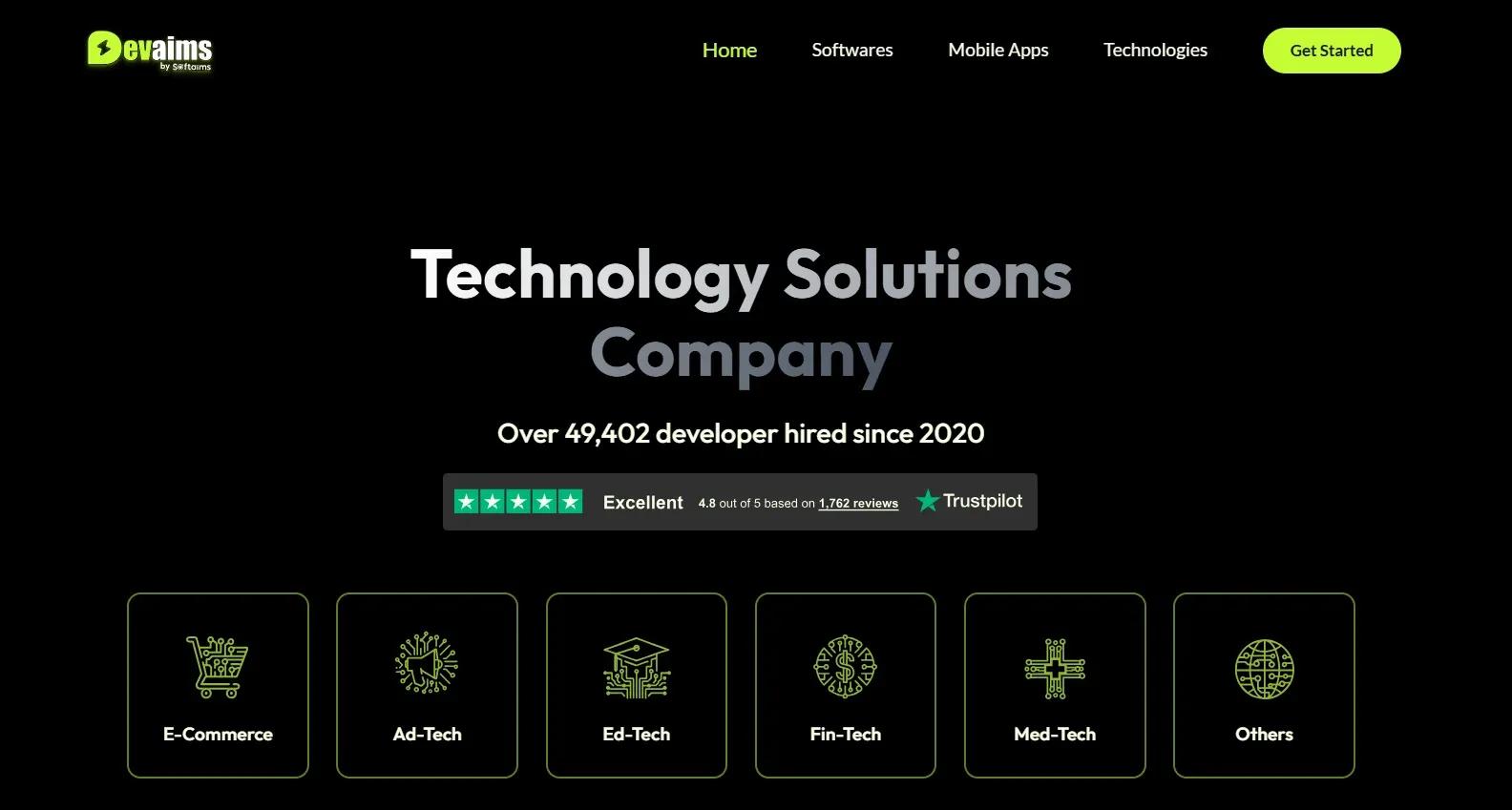
Best for: a dedicated team that builds and secures your software.
Devaims builds software and gives you the people to keep it secure. You can hire a full team, or add a few engineers to the team you already have. That helps when a pipeline, a cloud setup, or a full build needs more hands without cutting corners on security. Devaims joined Softaims in August 2026, so the two now work as one.
It is an easy team to work with. Stuck on one tricky, security-sensitive part of a project? Devaims can send in a small group to sort it out. Need a full crew to build and secure a product from scratch? It can do that too. Nothing is locked in, so you can change direction as the work and the risks change.
Like Softaims, Devaims checks every engineer on real work they have shipped, not just a tidy CV. For teams that want a steady partner for secure delivery without a heavy contract, Devaims keeps things moving and ranks among the more flexible DevSecOps consulting companies around.
Services:
- Software development with security built in
- Mobile app development
- Dedicated teams and staff augmentation
- Secure cloud and DevOps support
- CI/CD and pipeline security
- Upkeep, monitoring, and support
3. SoftServe
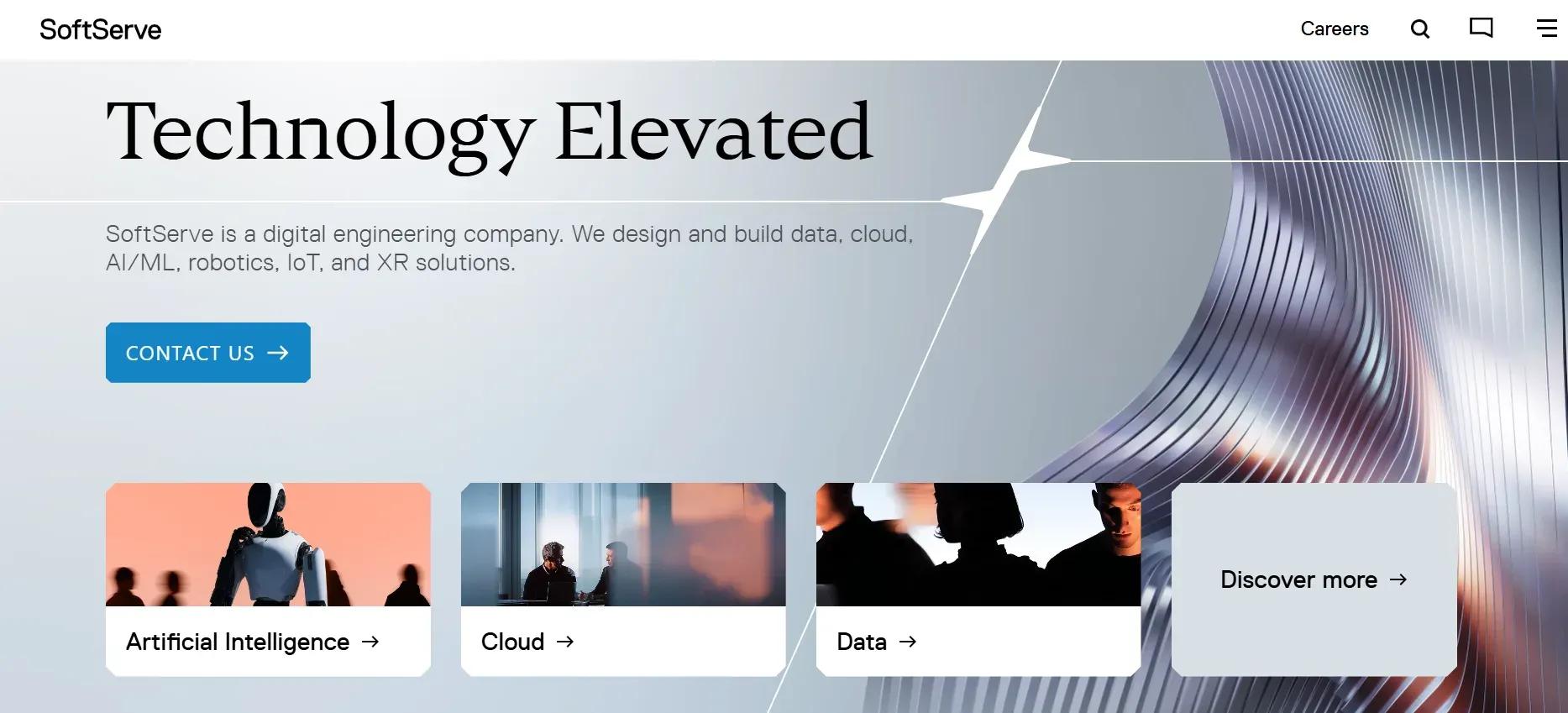
Best for: cloud-native DevSecOps and Zero Trust.
SoftServe is a large technology firm with strong roots in Ukraine and a base in Austin, Texas. It is known for cloud-native work and helps big companies build security into modern, containerised systems.
Its teams handle Zero Trust designs, threat detection, and secure cloud setups at enterprise scale. That depth suits companies moving to the cloud that cannot afford gaps along the way. SoftServe brings both the people and the process.
SoftServe suits enterprises that want cloud-native DevSecOps from an established firm, and its scale and track record are its strengths.
Core services:
- Cloud-native security
- Zero Trust
- Threat detection
4. Gart Solutions
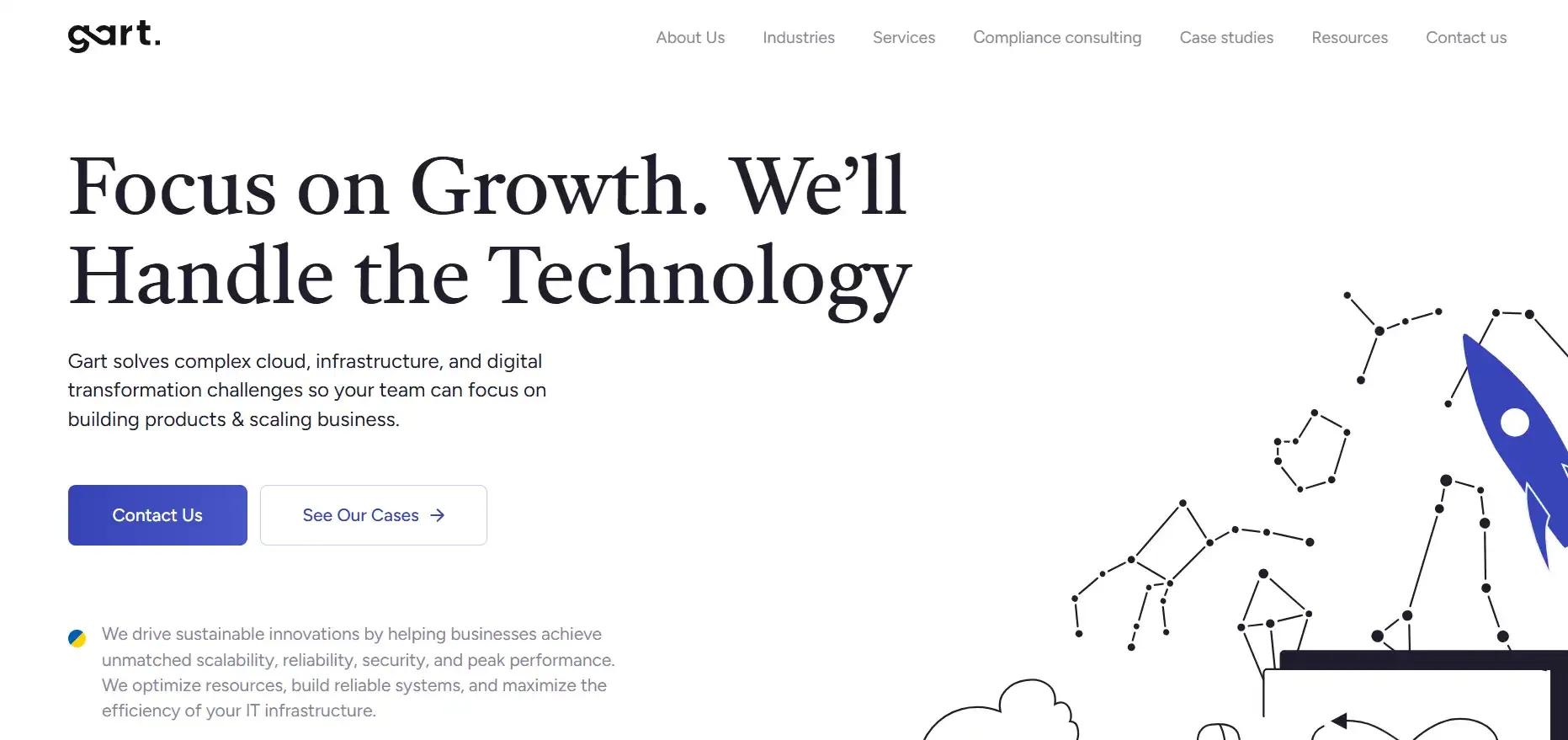
Best for: GitOps and Kubernetes security.
Gart Solutions is a DevSecOps consulting firm based in Georgia that serves clients worldwide. It is known for a developer-first approach that designs secure workflows rather than just patching problems later.
Its consultants build security into CI/CD pipelines, infrastructure-as-code, and Kubernetes clusters, with a GitOps-first style. That makes it a strong fit for startups and cloud-native teams that want security to be the default, not an afterthought.
Gart Solutions suits startups and SaaS teams that want secure-by-design pipelines, and its developer-first mindset is what sets it apart.
Core services:
- GitOps and CI/CD security
- Kubernetes security
- Infrastructure-as-code
5. ELEKS
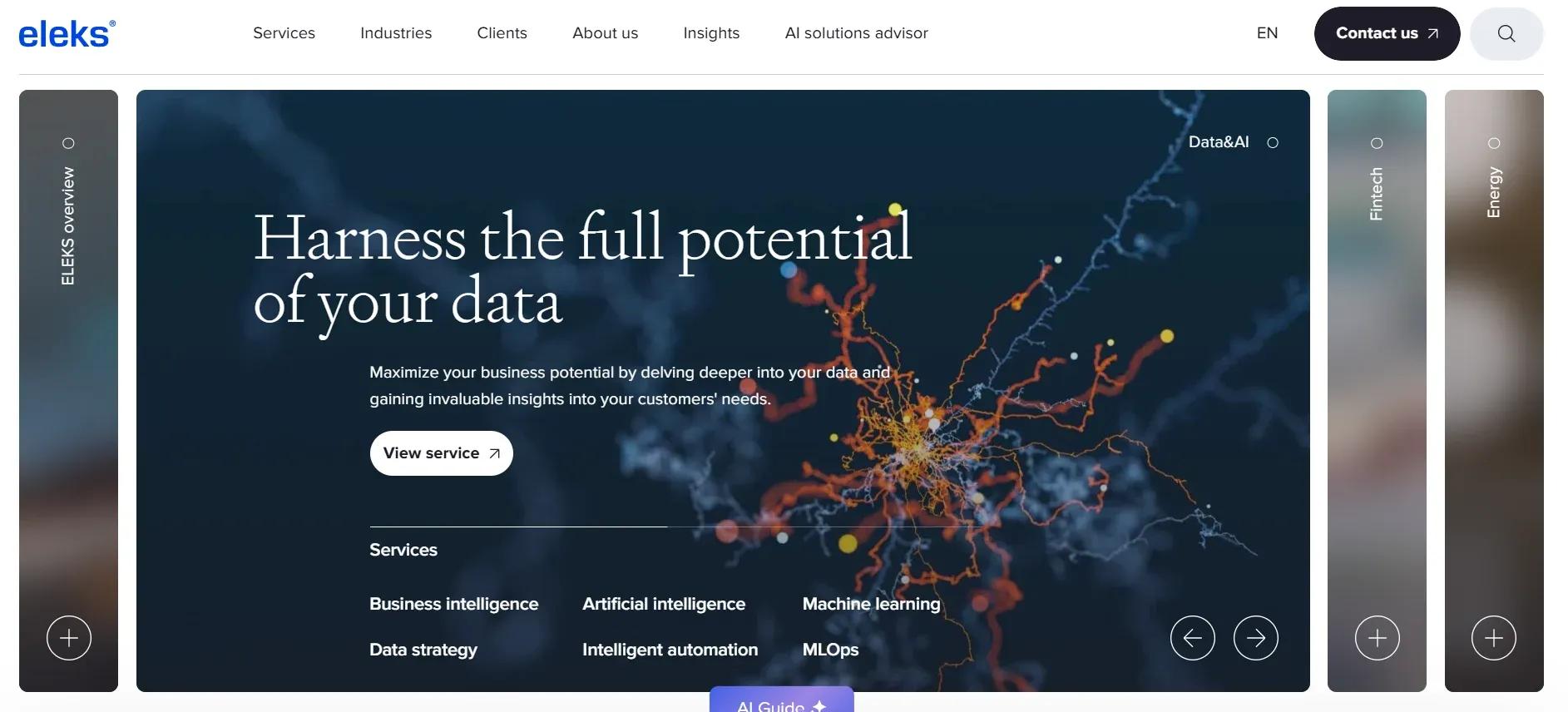
Best for: AI-enhanced DevSecOps and monitoring.
ELEKS is a long-established engineering firm with roots in Ukraine that delivers DevSecOps alongside broader software services. It brings strong engineering depth to security work.
Its teams use automation and AI to spot problems in real time and keep pipelines healthy, which suits companies that want continuous monitoring rather than occasional checks. ELEKS handles both the build and the security around it.
ELEKS suits firms that want solid engineering with security and monitoring built in, and its all-round depth is its strength.
Core services:
- DevSecOps engineering
- Real-time monitoring
- Secure software delivery
6. Wipro

Best for: enterprise DevSecOps and compliance.
Wipro is a global IT services giant with a large cybersecurity and DevSecOps practice. It brings serious scale to complex, worldwide organisations.
Its consultants help big companies secure the whole delivery pipeline, with frameworks that line up with ISO 27001, NIST, GDPR, PCI-DSS, and HIPAA. That suits regulated industries like finance, telecom, and healthcare, where compliance is not optional.
Wipro suits large enterprises spanning many regions and rules that need both strategy and delivery, and its scale is its edge.
Core services:
- Enterprise DevSecOps
- Compliance frameworks
- Identity and access
7. Capgemini

Best for: infrastructure security and governance at scale.
Capgemini is a global consulting leader whose DevSecOps work shines in large, complex modernisation projects. It is strong in heavily regulated sectors like banking, insurance, and government.
Its consultants build security into infrastructure-as-code and CI/CD pipelines, using policy-as-code and Zero Trust designs. That suits organisations moving away from old security models toward repeatable, automated governance.
Capgemini suits enterprises that want standard, repeatable DevSecOps across many teams and clouds, and its structure and reach are its strengths.
Core services:
- Infrastructure-as-code security
- Policy-as-code governance
- CI/CD security
8. Contino
Best for: DevSecOps for regulated enterprises.
Contino, part of Cognizant, is a consultancy focused on helping regulated enterprises adopt DevOps and DevSecOps. With roots in London and the USA, it specialises in careful, compliant change.
Its teams guide banks, insurers, and other regulated firms through secure cloud adoption and pipeline modernisation without breaking the rules they must follow. That focus on regulated change is rare and valuable.
Contino suits regulated enterprises that need to modernise safely, and its experience with strict industries is its edge.
Core services:
- DevSecOps transformation
- Secure cloud adoption
- Compliance-aligned delivery
9. Accenture Security
Best for: large-scale security transformation.
Accenture Security is the cybersecurity arm of one of the world's biggest consulting firms. It handles security transformation for the largest organisations on earth.
Its teams build DevSecOps into huge, global programmes, pairing security strategy with hands-on delivery across many systems and regions. That scale suits enterprises running major, multi-year change.
Accenture Security suits very large organisations with complex, global security needs, and its reach and resources are its strengths.
Core services:
- Security transformation
- Enterprise DevSecOps
- Risk and compliance
10. BairesDev

Best for: agile DevSecOps for SaaS companies.
BairesDev is a nearshore software firm based in San Francisco with teams across Latin America. It builds secure software quickly for SaaS companies and digital products.
Its teams fold security and compliance into fast, agile delivery, which suits startups and product companies that need to move quickly without leaving gaps. Nearshore time zones make working with US teams easy.
BairesDev suits SaaS and product teams that want fast, secure delivery with close time-zone overlap, and its speed is its strength.
Core services:
- Agile DevSecOps
- Compliance automation
- Secure software delivery
How Much Does DevSecOps Consulting Cost In 2027
Cost depends on the size of the job, the team, and how senior they are. A short pipeline review is far cheaper than a full, long-term programme. The table below gives honest ranges.
Type Of Engagement | Rough Cost | What You Get |
| DevSecOps assessment or audit | $8,000 to $40,000 | A review of your pipelines and a plan |
| Pipeline and cloud hardening | $30,000 to $120,000 | Security built into CI/CD and cloud |
| Full DevSecOps programme | $120,000 to $400,000+ | End-to-end rollout and training |
| Hourly engineer rate | $40 to $150 | Varies by firm and seniority |
Most DevSecOps consulting companies charge somewhere in that range, with the big global firms at the top end. A platform like Softaims keeps the bill sensible by matching vetted engineers at fair rates, so you avoid both agency mark-ups and the risk of unvetted freelancers.
Keep in mind that the cheapest quote rarely wins over a full project. A weak setup that misses a vulnerability can cost far more than doing it right once, especially when a breach or failed audit is on the line. Weigh skill, track record, and communication when you compare DevSecOps consulting companies, not just the price.
Why DevSecOps Matters In 2027
It helps to understand why so many teams are investing here. The short version is that building fast and staying safe used to pull in opposite directions, and DevSecOps brings them back together.
Attackers now target the software supply chain, slipping into the open-source packages and build tools teams rely on. At the same time, teams ship far more often than they did a few years ago, so a single weak step in the pipeline can spread a problem quickly. Rules have tightened too, and regulators expect security to be part of how software is built. DevSecOps answers all three by catching issues early, automating compliance, and making security a shared job rather than one team's problem. The payoff is real: fewer incidents in production, faster fixes, and far less time lost to audits.
Benefits Of Hiring A DevSecOps Consultant
Bringing in a specialist is not just about saving time, though it does that. Done well, it changes how safely and quickly your team can ship.
- Security from the start. Experts build safe defaults into your code and cloud, so problems never form.
- Faster, safer releases. Catching issues early means less rework and fewer breaches down the line.
- Compliance made easier. Rules like SOC 2 and ISO 27001 become automatic checks, not yearly panic.
- The right tools, set up well. Consultants pick and connect the tools that fit your stack.
- A stronger team. They train your people to think security-first, so the gains last.
With supply chain attacks rising and rules tightening, that early, built-in protection is becoming a real edge. The best DevSecOps consulting companies turn a security headache into a smooth, repeatable process.
What To Look For When Hiring
Choosing a DevSecOps partner is a big decision. These simple checks help you tell a strong team from a risky one.
- Real pipeline work. Ask to see secure pipelines they have actually built and run.
- Tool and cloud skill. They should know CI/CD, Kubernetes, and security tools inside out.
- Clear communication. Fast, honest replies now point to a smooth project later.
- Compliance know-how. Real experience with the rules your industry must meet.
- Fair, clear pricing. Scopes and rates written down, with no surprise fees.
The best DevSecOps consulting companies welcome these questions and answer them plainly. If a firm is vague about its work or its security practices, treat that as a warning.
Red Flags To Avoid
Not every firm deserves your trust. Watch for these problems before you commit.
- No real case studies. Promises with no proof are a gamble.
- Tool talk with no depth. Naming tools is easy; using them well is not.
- No compliance experience. In regulated fields, this is a serious gap.
- Prices that seem too low. Bargain quotes often hide a thin or junior team.
- Slow replies. Poor contact now rarely improves under a deadline.
Avoiding these traps saves money and stress. The strongest DevSecOps consulting companies are open about how they work and glad to prove it.
DevSecOps By Industry
DevSecOps is not one-size-fits-all. Here is how it helps across a few common industries, so you can see where your own needs fit.
Fintech firms use it to secure APIs, encrypt transactions, and automate compliance with rules like PCI-DSS. Healthcare companies use it to protect patient data and meet HIPAA. SaaS startups use it to harden their pipelines while still shipping quickly. Retailers use it to secure payments and catch fraud. Government and defence teams use it for Zero Trust designs and secure infrastructure. Whatever the field, the strongest DevSecOps consulting companies shape the work around its rules and risks rather than forcing one approach on everyone.
Trends Shaping DevSecOps In 2027 And Beyond
The field keeps moving, and the firms that keep up win the work. A few trends are worth watching as you plan.
AI is starting to help, suggesting safer code, spotting odd activity in pipelines, and recommending fixes in real time. Policy-as-code is spreading, so security rules are written and enforced automatically rather than by hand. Cloud-native security keeps growing as more teams move to Kubernetes and serverless setups. Single, unified platforms are replacing scattered tools, giving teams one clear view of their security. And more companies are outsourcing their whole security programme to specialists in a flexible, monthly model. The DevSecOps consulting companies that thrive are the ones already fluent in all of this.
How To Get Started
Starting a DevSecOps project is simpler than it looks once you have a clear plan. A little thought up front saves a lot of trouble later.
First, work out where your biggest risks sit, whether that is your pipelines, your cloud setup, or your supply chain. Decide what you will handle in-house and what you will bring in help for. Then pick two or three DevSecOps consulting companies, look at their past work, and have a short call with each. Agree the scope, timeline, and cost before any work starts. Begin with a focused first step, like a pipeline assessment, before you roll out further.
This steady start lowers risk and builds trust. A good partner will guide you through each step, which is a good sign in itself. Moving quickly once you decide helps too, because threats do not wait.
DevSecOps Versus DevOps: The Simple Difference
People mix these up, so here is the plain version. DevOps is about building and shipping software quickly, with development and operations teams working closely together. It made releases faster, but security often got left until the end, where fixing a problem is slow and costly.
DevSecOps adds the missing piece. It takes the same fast, team-based way of working and folds security right into it, from the first line of code to the live system. Instead of a security team checking things at the end and holding up the release, security runs quietly in the background the whole time. Scans happen automatically, risky changes get flagged early, and rules are enforced by the tools themselves.
The result is software that ships just as fast but with far fewer nasty surprises. That is the whole point: speed and safety together, not one at the cost of the other. Good DevSecOps consulting companies make that shift feel natural rather than painful, which is why so many teams bring them in rather than figuring it out alone.
Common DevSecOps Mistakes To Avoid
Even capable teams slip up when they move to DevSecOps. Knowing the common errors helps you avoid them.
Many teams buy a pile of security tools but never connect them properly, so alerts pile up and nobody acts on them. Others treat security as a one-off project rather than an ongoing habit, then drift back to old ways once the consultant leaves. Some bolt scanning onto the end of the pipeline, which defeats the point of catching issues early. Plenty forget the people side, rolling out tools without training developers, so the tools get ignored or worked around. And a few overlook the supply chain, trusting open-source packages without checking them.
The fix is steady and simple. Connect your tools into one clear view, treat security as a daily habit, scan early and often, train your people, and keep an eye on every dependency. The best DevSecOps consulting companies build these habits into your team so the gains stick long after the project ends.
Build In-House Or Hire A Partner
Many teams weigh doing DevSecOps themselves against bringing in a firm. Both can work, and the right call depends on your stage, budget, and how fast you need results.
Doing it in-house gives you full control and people who know your systems well. The catch is that engineers who understand both development and security are rare and expensive, and building that skill from scratch takes time you may not have while threats keep coming. Hiring a partner flips that. You get people who have secured pipelines before, so they skip the usual mistakes and move faster, and you pay only for what you need. For most teams, a mix works best: keep ownership in-house, and bring in a partner to set things up and train your people. That way the skills stay with you once the engagement ends.
Frequently Asked Questions
Which are the best DevSecOps consulting companies in 2027?
Softaims and Devaims lead for fast, vetted DevSecOps talent. SoftServe, Gart Solutions, and ELEKS are strong for cloud-native and engineering-led work, while Wipro, Capgemini, and Accenture suit large enterprises.
How much does DevSecOps consulting cost?
An assessment runs $8,000 to $40,000, pipeline and cloud hardening $30,000 to $120,000, and a full programme $120,000 or more. Hourly rates range from $40 to $150.
What does a DevSecOps consultant actually do?
They build security into your CI/CD pipelines, cloud, and code, automate compliance, pick and connect the right tools, and train your team to work security-first.
How fast can I hire DevSecOps engineers?
Platforms like Softaims match vetted DevSecOps and security engineers in about 48 hours, far quicker than hiring on your own.
Is DevSecOps only for big companies?
No. Startups benefit just as much, since building security in early is cheaper and easier than fixing problems later.
Related Guides
For more on choosing tech partners, see our guides to the top IT outsourcing firms in the world and the top healthtech compliance companies in the world, both covering vetting, security, and pricing in depth.
Final Thoughts
Software moves fast, threats move faster, and users still expect everything to just work and stay safe. That is why DevSecOps has become something no serious team can skip. The right partner builds security into how you ship, so you move quickly without leaving doors open.
Among the DevSecOps consulting companies here, Softaims stands out for how quickly it connects you with vetted DevSecOps and security engineers, usually within 48 hours. You can hire DevOps engineers, cloud engineers, cybersecurity engineers, backend developers, AI developers, or data science specialists for the exact skill you need. Devaims is a solid choice for a full secure-delivery team, and the eight other firms each bring real strengths, from SoftServe and Gart at the cloud-native end to Wipro and Accenture for large enterprises.
Match your project to the firms that fit, use the table to shortlist, and talk to two or three before you decide. Start with a focused first step, like a pipeline assessment, then grow from there. Get it right, and security stops being a brake on your team and becomes part of how you ship with confidence.


 GitHub
Syrone Rex C.

 Verified Expert in Engineering
My name is Syrone Rex C. and I have over 15 years of experience in the tech industry. I specialize in the following technologies: Laravel, React, Next.js, NestJS, node.js, etc.. I hold a degree in Bachelor of Science (BS), Associate's degree. Some of the notable projects I’ve worked on include: Return Management System for Shopify, Marketing Tools and Service. I am based in Castillejos, Philippines. I've successfully completed 2 projects while developing at Softaims.
I specialize in architecting and developing scalable, distributed systems that handle high demands and complex information flows. My focus is on building fault-tolerant infrastructure using modern cloud practices and modular patterns. I excel at diagnosing and resolving intricate concurrency and scaling issues across large platforms.
Collaboration is central to my success; I enjoy working with fellow technical experts and product managers to define clear technical roadmaps. This structured approach allows the team at Softaims to consistently deliver high-availability solutions that can easily adapt to exponential growth.
I maintain a proactive approach to security and performance, treating them as integral components of the design process, not as afterthoughts. My ultimate goal is to build the foundational technology that powers client success and innovation.

Leave a Comment
Need help building your team? Let's discuss your project requirements.
Get matched with top-tier developers within 24 hours and start your project with no pressure of long-term commitment.