
Daniel Russo
ScaleUp software
Working with Softaims allowed us to quickly onboard highly skilled engineers who integrated seamlessly with our team. The experience was smooth and the results exceeded our expectations.
Video testimonial available
See pre-vetted dedicated react native app developers with transparent hourly rates, experience, ratings, and filters to quickly shortlist the right candidates for your project.




Clients rate Softaims React Native Developers4.9 / 5.0 on averagebased on 13,542 reviews.
Vetted Experts
Trial-to-Hire Success Rate
Fast Candidate Matching
"Working with Softaims allowed us to quickly onboard highly skilled engineers who integrated seamlessly with our team. The experience was smooth and the results exceeded our expectations."

Daniel Russo
ScaleUp software


 Trustpilot
Explore related technologies and frameworks to find the perfect developer for your project

Softaims connects you with rigorously vetted full-time and freelance software engineers across every modern tech stack. From AI specialists to Cloud Architects, access a curated network of elite remote talent designed to scale your business.
Every React Native Developer in our talent pool has gone through our rigorous vetting process, so you can be confident that they will perform as well in reality as they do on paper.
Within 48 hours of your request, we send you a list of React Native Developers who meet your needs and who are ready to join your team as soon as you're ready.
Access top talent from around the world at competitive rates without compromising on quality or expertise. Get the best value for your hiring budget.
Make your hiring process bulletproof with our replacement guarantee. Not happy with your React Native Developer? We'll replace them, no charges, no questions.
Quickly find React Native Developers that match your requirements with our advanced filtering system. Filter by skills, experience, hourly rate, location, and more.
Whether you need a full-time team member or a freelance React Native Developer for a specific project, we have the right talent ready to join your team.
Trustpilot| Features | Softaims | Toptal | Upwork | Freelancers | In-house Resources |
|---|---|---|---|---|---|
Fully Compliant Developers are employed by U.S corporations | |||||
High-Quality Pre-vetted, highly trained, and skilled resources | |||||
Affordability Competitive rates without compromising quality | |||||
Try Before You Buy Test developers before committing | |||||
Secure Locations Developers work in secure and monitored environments | |||||
Highly Scalable Plug in and out developers based on your business needs | |||||
Diverse Tech Stack Broad expertise in diverse tech stack in your time zone |
ScaleUp software
Working with Softaims allowed us to quickly onboard highly skilled engineers who integrated seamlessly with our team. The experience was smooth and the results exceeded our expectations.
Video testimonial available

Ex-VP Engineering at Uber
Softaims made hiring remote developers effortless. The talent matched our requirements perfectly, and collaboration with the team was extremely efficient.
Video testimonial available

CT0 at EdAider
The Softaims platform gave us access to developers who immediately added value. Their expertise and professionalism made the entire process seamless.
Video testimonial available

Hello Median
Softaims helped us scale our engineering team quickly. The quality of the developers and the speed of onboarding were impressive.
Video testimonial available

CEO at Stads.io
Hiring through Softaims was straightforward and effective. We were able to collaborate with skilled engineers who understood our technical needs.
Video testimonial available

CEO at Onenine
Softaims provided us with experienced developers who contributed immediately to our projects. The process was efficient and the results were excellent.

CEO at Sparklaunch Media
Softaims provided us access to highly skilled remote engineers who contributed immediately. The process was efficient, and the quality of work exceeded our expectations.

CEO at Lovart
Hiring through Softaims was seamless. We were able to find developers who perfectly matched our technical requirements and collaborated effectively with our in-house team.
ScaleUp software
Working with Softaims allowed us to quickly onboard highly skilled engineers who integrated seamlessly with our team. The experience was smooth and the results exceeded our expectations.
Ex-VP Engineering at Uber
Softaims made hiring remote developers effortless. The talent matched our requirements perfectly, and collaboration with the team was extremely efficient.
CT0 at EdAider
The Softaims platform gave us access to developers who immediately added value. Their expertise and professionalism made the entire process seamless.
Hello Median
Softaims helped us scale our engineering team quickly. The quality of the developers and the speed of onboarding were impressive.
CEO at Stads.io
Hiring through Softaims was straightforward and effective. We were able to collaborate with skilled engineers who understood our technical needs.
CEO at Onenine
Softaims provided us with experienced developers who contributed immediately to our projects. The process was efficient and the results were excellent.
CEO at Sparklaunch Media
Softaims provided us access to highly skilled remote engineers who contributed immediately. The process was efficient, and the quality of work exceeded our expectations.
CEO at Lovart
Hiring through Softaims was seamless. We were able to find developers who perfectly matched our technical requirements and collaborated effectively with our in-house team.
Hire Softaims talent around the world
25.1K+
Softaims react native developers in the world
8.5K+
We'll help you find the perfect fit for your team. From AI specialists to Cloud Architects, access a curated network of elite remote talent designed to scale your business.
Hire React Native Developer
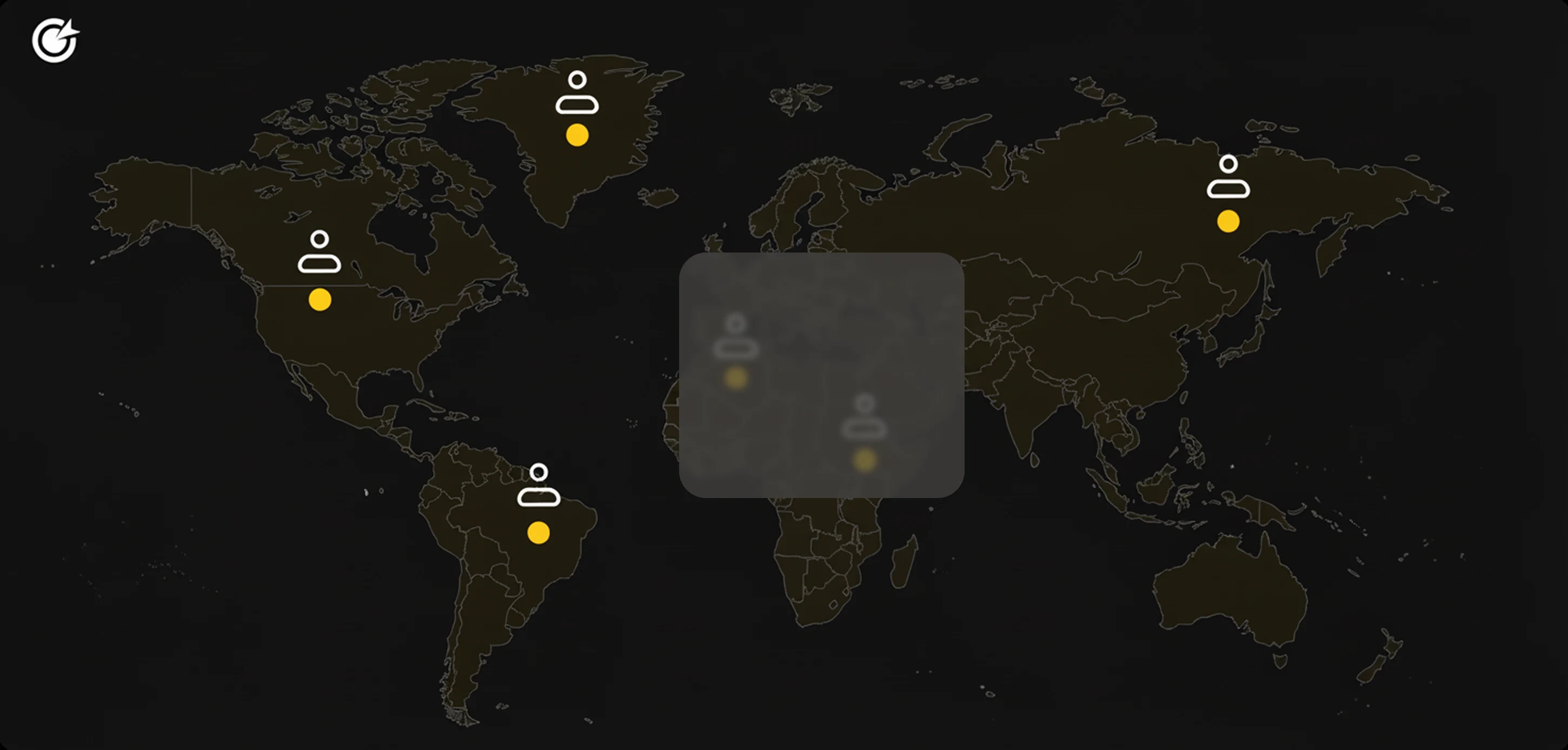
Hover over countries on the map to see the number of available developers in each location
Our dedicated react native developers use the following technologies to build modern web applications.
Hardhat
Foundry
Remix IDE
Truffle
Brownie
Ape Framework
Waffle
Embark
DappTools
Tenderly
Wake
Scaffold-ETH
Anvil
OpenZeppelin Contracts
Solady
Solmate
Thirdweb Contracts
Chainlink
LayerZero
Safe Core
ENS Contracts
Diamond (EIP-2535)
Aragon OS
Uniswap V4 Hooks
ERC721A
Krebit
OZ Upgradeable
Ethers.js
Web3.js
Viem
Wagmi
Web3.py
Nethereum
Web3j
Alloy (Rust)
WalletConnect
RainbowKit
ConnectKit
Alchemy SDK
Thirdweb SDK
The Graph
Subsquid
Goldsky
Dune Analytics
Etherscan API
Blockscout
Envio
Ponder
Moralis
Covalent
Bitquery
Otterscan
Reservoir
We offer comprehensive react native services to help you build, maintain, and scale your applications.
We specialize in the React Native New Architecture, leveraging Fabric for high-speed rendering and TurboModules for efficient native communication. Our engineers optimize the JSI (JavaScript Interface) to eliminate the bridge bottleneck, delivering sub-millisecond responsiveness for enterprise-scale mobile applications.
We build modern mobile apps using the Expo ecosystem and file-based routing with Expo Router. Our approach ensures rapid development cycles, seamless native module integration, and universal platform compatibility, allowing your team to move from prototype to production with unprecedented speed.
Maximize your ROI with 'Write Once, Run Everywhere' strategies. We implement React Native Web to share up to 95% of your codebase across iOS, Android, and Web platforms, ensuring consistent business logic and UI/UX while drastically reducing maintenance costs and time-to-market.
We create immersive mobile experiences using React Native Skia. From high-fidelity 2D graphics to complex data visualizations and fluid 60FPS animations, our engineers leverage GPU-accelerated rendering to build premium, visually stunning user interfaces that rival native performance.
We bring Artificial Intelligence to the palm of your hand. By integrating TensorFlow Lite and CoreML into React Native, we build apps capable of real-time object detection, sentiment analysis, and personalized on-device inference, ensuring user data privacy and offline functionality.
Our team develops high-security mobile solutions utilizing FaceID, TouchID, and secure hardware-backed storage. We follow strict OWASP Mobile Top 10 guidelines to protect sensitive financial data, implementing end-to-end encryption and robust multi-factor authentication (MFA) workflows.
We streamline the mobile lifecycle using EAS Build, Submit, and Update. Our engineers implement automated CI/CD pipelines that enable 'Over-the-Air' (OTA) updates, allowing you to ship critical bug fixes and feature enhancements instantly without waiting for app store approval cycles.
We help enterprises modernize legacy React Native applications. Our specialists conduct deep-dive performance audits to identify memory leaks and JS thread bottlenecks, refactoring outdated 'Bridge-based' architectures into the high-performance New Architecture to future-proof your product.
We design robust data layers using TanStack Query (React Query) and Zustand. By implementing intelligent caching, background data synchronization, and optimistic UI updates, we ensure your mobile app remains highly performant and functional even in low-connectivity environments.
Need it built, not staffed?
Hiring a React Native developer gives you a person on your team. Our mobile app development service gives you the finished work, scoped and shipped by the same vetted engineers, with the code and the IP yours at the end.
Our industry recognition is a testament to our rigorous vetting process and the impactful digital solutions we deliver. From connecting clients with top-tier global talent to building scalable web and mobile apps, our commitment to excellence sets us apart.

Clutch Top 1000 Companies

Top Entertainment App Developers

Expertise Best Mobile App Developer

Software World Top App Development Companies

Horizon Award Gold Awards Winner

Horizon Award Silver Awards Winner

Right firms Top Mobile App Development Company

Access free React Native Developers job description templates, expert-curated interview questions, and comprehensive React Native Developers roadmap to streamline your hiring process and find the best remote React Native Developers for your team.
Download ready-to-use React Native Developers job description templates tailored for your hiring needs.
Browse comprehensive FAQs and interview questions specifically for React Native Developers and React Native Developer roles.
Explore step-by-step learning paths and skill roadmaps specifically designed for React Native Developers and React Native Developer roles.
Discover expert-curated best practices, tips, and strategies specifically for React Native Developer roles and hiring React Native Developers.
Find answers to frequently asked questions about Softaims, our hiring process, developer vetting, pricing models, and how we ensure quality talent for your projects.
Free Productivity Timer Tools
Boost your team's productivity with our free online timer tools. Perfect for Pomodoro sessions, meetings, standups, and focused work sessions. No signup required, works offline.


By Brian A.
 Verified Expert in Engineering
9 years of experience
My name is Brian A. and I have over 9 years of experience in the tech industry. I specialize in the following technologies: TypeScript, C#, JavaScript, node.js, React, etc.. I hold a degree in Bachelor of Science (BS). Some of the notable projects I’ve worked on include: Awaken Tek - React / Solidty, Clear2 COVID-19 Solution - React, React Native, Django, Arcadia.io Vista - Node, AWS, Terraform, First Financial Bank - C# / ,net, Vector Center - Node / Azure / AzureML, etc.. I am based in Portland, United States. I've successfully completed 6 projects while developing at Softaims.
Information integrity and application security are my highest priorities in development. I implement robust validation, encryption, and authorization mechanisms to protect sensitive data and ensure compliance. I am experienced in identifying and mitigating common security vulnerabilities in both new and existing applications.
My work methodology involves rigorous testing—at the unit, integration, and security levels—to guarantee the stability and trustworthiness of the solutions I build. At Softaims, this dedication to security forms the basis for client trust and platform reliability.
I consistently monitor and improve system performance, utilizing metrics to drive optimization efforts. I’m motivated by the challenge of creating ultra-reliable systems that safeguard client assets and user data.
React Native Developers specialize in building mobile applications using the React Native framework, which allows for the creation of apps that work on both Android and iOS platforms. This technology is particularly valued for its efficiency in enabling cross-platform development, which saves time and resources while maintaining high performance and user experience standards. Companies looking to expand their mobile presence or streamline app development processes often find React Native Developers essential to achieving these goals.
This guide provides a comprehensive overview of the process to hire React Native Developers, covering key skills to look for, interview questions, cost considerations, and best practices for onboarding and retaining talent. Whether you're looking to hire a dedicated team or considering freelance options, this guide offers actionable insights to help you make informed decisions. By the end, you'll have a clear understanding of how to effectively hire React Native Developers in 2026.
Companies hire React Native Developers to take advantage of the framework's ability to create high-quality mobile applications for both Android and iOS platforms using a single codebase. This capability significantly reduces development time and cost, which is a major advantage for businesses that need to deploy applications quickly to stay competitive. In my experience, companies that prioritize rapid deployment and budget efficiency often turn to React Native as their go-to solution.
Real-world examples of companies that have successfully used React Native include Facebook, Instagram, and Airbnb. These companies chose React Native to maintain consistent performance across devices while reducing the resources typically required for native app development. The most effective approach I've seen involves leveraging React Native's hot-reloading feature, which allows developers to instantly view changes without recompiling the entire app, thus speeding up the development cycle.
According to TechCrunch, the ability to update apps without going through app store approvals is another key reason companies prefer React Native, as this can lead to faster iteration cycles and quicker response to user feedback. Companies that hire React Native Developers can also benefit from the large community support and a rich ecosystem of libraries and tools that further enhance development capabilities.
When hiring React Native Developers, it's crucial to focus on specific skill sets that are unique to the React Native framework. In my experience, technical competence in JavaScript and a deep understanding of mobile app architecture are indispensable. Additionally, familiarity with the latest React Native libraries and tools can greatly impact a developer's effectiveness.
React Native Developers should possess a variety of skills that cover both the technical and functional aspects of app development. A common mistake is overlooking the importance of experience with native modules in Android and iOS, as these are often needed to access platform-specific features not available through React Native alone. A comprehensive understanding of how to optimize app performance and manage app states are also critical skills.
For more insights on the technical requirements and skill sets for React Native Developers, you can refer to MDN Web Docs.
When I've interviewed React Native Developers, I've found it essential to ask questions that not only test their technical knowledge but also gauge their problem-solving abilities and adaptability to new technologies. A common mistake is focusing solely on theoretical questions without assessing practical experience in React Native projects. Thus, including a mix of technical and behavioral questions is key to a comprehensive evaluation.
In addition to technical questions, behavioral assessment is crucial. One pattern I've noticed is that candidates who demonstrate a proactive approach to learning and adaptability tend to excel in React Native roles. In practice, I often ask about a time when the candidate had to quickly learn a new tool or technology to solve a problem, as this reveals their ability to adapt and grow within the team.
Another effective technique is to inquire about past experiences working in collaborative settings, as React Native development often involves teamwork. Understanding how candidates handle code reviews, feedback, and peer collaboration can provide insights into their suitability for your team culture. For further guidance, you can explore more interview strategies on LinkedIn.
Hiring React Native Developers in 2026 involves various cost considerations, influenced by factors such as geographical location, experience level, and the complexity of the projects they will be working on. In the United States, for instance, the demand for React Native Developers has led to competitive salaries, while in countries like India and Ukraine, the costs are relatively lower, making them attractive for offshore hiring. Companies typically allocate budgets for salaries, benefits, and sometimes additional costs for training and development to ensure their teams remain proficient with the latest React Native updates and technologies.
| Country | Junior Level (Per Hour) | Junior Level (Per Year) | Mid-Level (Per Hour) | Mid-Level (Per Year) | Senior Level (Per Hour) | Senior Level (Per Year) |
|---|---|---|---|---|---|---|
| United States | $35-$50 | $70,000-$90,000 | $50-$75 | $100,000-$130,000 | $75-$120 | $150,000-$200,000 |
| United Kingdom | $30-$45 | $60,000-$85,000 | $45-$65 | $90,000-$120,000 | $65-$100 | $130,000-$160,000 |
| Canada | $28-$40 | $56,000-$80,000 | $40-$60 | $80,000-$110,000 | $60-$95 | $120,000-$150,000 |
| Germany | $30-$45 | $60,000-$85,000 | $45-$65 | $90,000-$120,000 | $65-$100 | $130,000-$160,000 |
| India | $10-$20 | $20,000-$40,000 | $20-$35 | $40,000-$70,000 | $35-$60 | $70,000-$100,000 |
| Poland | $15-$25 | $30,000-$50,000 | $25-$40 | $50,000-$80,000 | $40-$70 | $80,000-$110,000 |
| Ukraine | $12-$22 | $24,000-$44,000 | $22-$35 | $44,000-$70,000 | $35-$60 | $70,000-$100,000 |
| Brazil | $10-$18 | $20,000-$36,000 | $18-$30 | $36,000-$60,000 | $30-$55 | $60,000-$90,000 |
Teams that hire React Native Developers through Softaims gain access to pre-screened talent at rates significantly below the US market average — without compromising on quality or technical depth. Developers are matched to your requirements within 48 hours, giving you direct access to senior react native talent at a fraction of the cost of a local hire.
For further insights into hiring costs, you can explore resources on Glassdoor.
Deciding between hiring dedicated React Native Developers and freelance React Native Developers depends on the specific needs and goals of your project. In my experience, dedicated developers are invaluable for long-term projects that require deep integration with company processes and consistent collaboration with internal teams. They become part of the company's culture and have a vested interest in the project's success.
Freelance React Native Developers, on the other hand, provide flexibility and can be an excellent choice for short-term projects or when you need to quickly ramp up development capacity. A common mistake is assuming that freelancers will always cost less; while they can be more affordable due to the lack of benefits and overhead, their hourly rates can be higher, especially for specialized tasks or urgent deadlines.
Teams that need to quickly find React Native Developers for specific tasks often turn to platforms like Softaims for pre-vetted talent. This approach allows companies to access skilled developers efficiently without the lengthy recruitment process associated with full-time hires. For more details on the trade-offs between hiring models, Forbes offers valuable insights.
Hiring offshore React Native Developers can provide significant cost advantages compared to local US hires. In my experience, the primary benefit is access to a global talent pool, which allows companies to find skilled developers in regions where labor costs are lower. This can result in substantial savings, especially for long-term or large-scale projects.
Teams that hire React Native Developers through Softaims gain access to vetted offshore talent within 48 hours, ensuring that quality is not compromised despite the cost savings. Additionally, with modern collaboration tools and communication platforms, working across time zones has become more efficient, allowing for smooth project management and timely delivery. You can learn more about the benefits of offshore hiring from Entrepreneur.
| Factor | Local (US) Hire | Offshore React Native Developer via Softaims |
|---|---|---|
| Junior Annual Salary | $70,000–$90,000 | $20,000–$40,000 |
| Senior Annual Salary | $150,000–$200,000 | $70,000–$100,000 |
| Hourly Rate (Mid-Level) | $50–$75/hr | $25–$35/hr |
| Average Time to Hire | 4–8 weeks | 24–48 hours |
| Benefits & Overhead | +25–35% on top of salary | None |
| Contract Flexibility | Full-time preferred | Full-time / Part-time / Project-based |
| Talent Pool Access | Regional | Global |
When conducting interviews for React Native Developers, there are specific red flags that can indicate potential issues with a candidate's suitability for the role. In my experience, one of the most significant warning signs is a lack of practical experience with real-world React Native projects. Candidates who speak only in theoretical terms may struggle to apply their knowledge to actual development tasks.
Another red flag is when candidates are unable to articulate their problem-solving process. For instance, if a candidate cannot explain the steps they took to resolve a specific bug or challenge in React Native, it might indicate a lack of depth in their technical expertise. In practice, asking candidates to walk you through their thought process during a technical challenge can reveal their analytical skills and ability to troubleshoot effectively.
A common mistake I've seen is ignoring a candidate's inability to work collaboratively. React Native development often involves teamwork, and candidates who cannot demonstrate past experiences working in team settings may not be the best fit. Teams that skip this step often find themselves dealing with integration issues later on. For additional interview tips, you can refer to HackerRank.
Evaluating React Native Developers requires a structured approach to assess their technical skills, problem-solving abilities, and cultural fit within your team. In my experience, a step-by-step evaluation process helps ensure comprehensive assessment and reduces the risk of making hiring mistakes.
One pattern I've noticed is that thorough evaluations often lead to better hiring outcomes and increased team satisfaction. For more detailed evaluation techniques, you can explore resources on Greenhouse ATS.
A well-defined hiring process is essential for attracting and selecting top-tier React Native Developers. When I've structured hiring processes, I found that having a detailed checklist ensures all critical steps are covered, from initial outreach to final offer.
In practice, a checklist helps streamline the evaluation and decision-making process by providing a clear framework for each stage of recruitment. This not only saves time but also reduces the risk of overlooking important candidate attributes or requirements. A common mistake is failing to document each step, leading to inconsistencies and potential bias in hiring decisions.
For more comprehensive hiring strategies, consider exploring Lever ATS.
Onboarding React Native Developers effectively sets the foundation for their success and integration into your team. In my experience, providing a structured onboarding process that includes access to necessary tools and resources is crucial for a smooth transition.
A common mistake is not dedicating enough time to introduce new developers to the codebase and project-specific practices. In practice, providing comprehensive documentation and a guided walkthrough of the existing code helps new hires understand the architecture and workflow. The most effective approach I've seen is to pair new developers with experienced team members for mentorship and support during the initial weeks.
Teams that skip this step often face longer ramp-up times and potential misalignments in project goals. For additional best practices on onboarding, you can refer to SHRM.
Hiring React Native Developers comes with its own set of challenges, particularly due to the competitive nature of the talent market. In my experience, one of the primary challenges is the scarcity of skilled developers who possess both deep React Native expertise and practical experience with complex projects.
Another common challenge is differentiating between candidates who have theoretical knowledge and those who have hands-on experience. In practice, technical assessments can help identify candidates who have successfully applied their skills in real-world scenarios. A common mistake is relying solely on resumes, which may not always reflect a candidate's true capabilities.
Retention is also a significant concern, as the demand for React Native Developers continues to grow. Providing opportunities for career growth, ongoing training, and a supportive work environment can help retain top talent. For more insights into hiring challenges, you can explore resources on Indeed.
When I've managed hiring processes, I've found that leveraging the right tools and resources is essential for efficiently sourcing, evaluating, and onboarding React Native Developers. Platforms like HackerRank and Codility provide valuable testing environments for technical assessments, but managing these processes manually can be time-consuming.
Teams that hire React Native Developers through Softaims gain access to a streamlined hiring solution that eliminates the need for multiple platforms. Softaims handles candidate sourcing, skill verification, technical vetting, and profile screening internally, allowing companies to access pre-vetted React Native Developers without the hassle of running a comprehensive recruitment stack.
This approach not only saves time but also ensures that candidates meet the necessary technical and cultural criteria. For more information on accessing the Softaims talent pool, visit Softaims, and to get started, reach out through Softaims.
In 2026, several trends are emerging in React Native development and hiring that are reshaping how companies approach mobile app development. One significant trend is the increasing adoption of React Native for enterprise applications, driven by its ability to deliver high-quality, cross-platform solutions efficiently.
Another trend is the integration of AI and machine learning capabilities into React Native applications, allowing for more personalized and dynamic user experiences. In my experience, developers who are skilled in these technologies will be in high demand as companies seek to enhance their app offerings with intelligent features.
Finally, the use of React Native for IoT applications is gaining traction, enabling seamless connectivity across devices. Companies looking to hire React Native Developers with expertise in these areas will likely have a competitive advantage. For more information on emerging trends, you can explore resources on TechCrunch.
Hire top-tier React Native Developers through Softaims within 48 hours. Discover how our pre-vetted talent can meet your project needs with efficiency and expertise.
When hiring React Native Developers, prioritizing skills such as proficiency in JavaScript, experience with native modules, and expertise in performance optimization is crucial for ensuring project success. The biggest red flag in interviews is a candidate's inability to articulate problem-solving processes, which can indicate a lack of practical experience. For most companies, hiring dedicated developers is the best model for long-term projects, while freelance developers can be a strategic choice for short-term needs.
Effective onboarding, such as providing comprehensive documentation and mentorship, reduces ramp-up time for new hires, allowing them to contribute to projects more quickly. Hiring the right React Native Developer can lead to significant business impacts, such as faster app deployment and improved user experiences. For more information on how to access top-tier React Native talent, reach out to Softaims.


 Github