10 Best Product Design Companies in the World
In this guide we compared the best product design companies in the world, covering UX vs. product design, pricing, legal checks, and how to choose.
Table of contents
Key Takeaways
- The top global firms are not generalists. Each owns a lane, whether that is physical products, enterprise UX, or digital products where the interface is the brand.
- Reputation is built on shipped work. The names below shaped products like Slack, Apple TV+, and Monument Valley, not just slide decks.
- Global pricing spans a huge range. Elite consultancies charge premium rates, while nearshore and offshore partners deliver strong work for far less.
- Working across borders adds homework: intellectual property assignment, data rules like GDPR, and accessibility standards such as WCAG 2.2.
- The biggest lever is whether one partner designs and builds, or you stitch design and engineering together across vendors.
The gap between a product people love and one they abandon is almost always design. Not how it looks, but how it works: whether someone can get what they came for without friction, confusion, or a second thought. That is why the best companies treat design as an investment, not a finishing touch. The return is hard to argue with. A Forrester study found that, on average, every dollar put into good UX comes back as $100, a 9,900% return.
Hiring that expertise is now a global decision. The strongest product design firms run studios across continents, and talent is no longer tied to one city. Some of these companies are famous for shaping products you use every day, from the apps on your phone to the devices on your desk. This guide ranks the best product design companies in the world, what each is known for, how global pricing works, the cross-border points to check, and how to pick the right one for your product.
What a product design company really does
The term covers a wide field, which is why two firms both called "product design companies" can do almost nothing in common. A few distinctions make the picture clear.
Start with scope. UX design handles the usability of a product, the flow and the friction. Product design is broader and includes the strategic calls: which problems deserve solving, and whether a given solution earns its place commercially. Then there is medium. Some firms design software, some design hardware, and a rare few do design and engineering together so the result is actually buildable.
Finally there is the model. The global giants offer deep research, strategy, and multidisciplinary teams, at premium rates. Boutiques and regional studios offer sharper focus and better value. Neither is better in the abstract; the right one depends entirely on your product and budget.
Matching the service to your need
Service | When it is worth paying for |
| Discovery and research | You are working from assumptions, not evidence, about your users. |
| Concept and strategy | The problem is defined, but the direction of the solution is not. |
| Prototyping | Stakeholders or users need to interact with the idea, not just hear it. |
| Usability testing | A flow or feature keeps causing confusion, or its value is unproven. |
| Design systems | Growth has made consistency across teams and platforms hard to hold. |
| Engineering handover | A build or manufacturing team needs precise, usable specifications. |
How we ranked these companies
We looked for firms with a global footprint and, more importantly, a record of products that reached real users and did well. A beautiful case study that never launched counts for little. So we weighed each company on the discipline it genuinely leads in, the scale and complexity of work it handles, its best-known shipped products, and the kind of client it serves best, from global enterprises to funded startups.
A note on fairness: the biggest names are not automatically the right pick. Reach and prestige come with cost and overhead that many teams do not need, so read each profile against your own situation.
Best product design companies in the world compared
The table below compares all ten firms: where they are based, what they are known for, and who each suits. Softaims and Devaims lead as our recommended picks for teams that want design and build together, followed by the world's most respected design firms.
# | Company | Base | Known for | Best for |
| 1 | Softaims | Global (US-based) | Design and build with vetted remote talent | One team to design and ship your product |
| 2 | Devaims | Global | Product design and app development | Turning a design into a working app |
| 3 | IDEO | USA, global studios | Human-centered design and innovation | Ambitious, research-led innovation work |
| 4 | frog | USA, 15+ global offices | Product, service, and experience design | Enterprise-scale design and strategy |
| 5 | Designit | Denmark (Wipro), global | Strategic, service, and product design | Experience and CX at enterprise scale |
| 6 | MetaLab | Victoria, Canada | Digital product design and venture studio | SaaS and apps where UI is the product |
| 7 | ustwo | London, global | Digital product design and craft | Idea-to-launch digital products |
| 8 | Work & Co | USA, global | Elite digital product design and build | High-stakes flagship digital products |
| 9 | Pentagram | London and New York | Multidisciplinary design and brand | Brand-led product and identity work |
| 10 | fuseproject | San Francisco, USA | Industrial design and branding | Standout physical products and hardware |
The 10 best product design companies in the world
Below are the ten firms we recommend, starting with our top two picks, then the world's most respected design companies. For each, you will find who it is best for, what it does, and an honest limit. Read every profile against your own product and stage.
1. Softaims
Best for: teams anywhere that want one vetted remote team to design the product and build it, not two vendors to coordinate.
Softaims is our top pick because the hardest part of product work is rarely the design itself, it is getting that design shipped. The moment a project passes from a design studio to a separate engineering team, timelines and budgets start to slip. Softaims closes that gap. It delivers product and UX/UI design together with full software and app development, through vetted remote talent you can take on as staff augmentation or a dedicated team. One team carries the work from research and prototyping all the way to a live product.
Why teams choose Softaims:
- Design and engineering in a single team, with one owner accountable from idea to launch.
- Senior global talent at a fraction of what an elite consultancy charges, with transparent pricing.
- Scale on demand: extend your team with specialists, or hand the whole product to a dedicated squad.
- Research, UI design, and design systems carried straight into production code.
- Talent matched to your stack and budget, working across US, UK, and European time zones.
If you want a product designed and shipped by the same team, talk to our team and get matched with vetted talent within 48 hours.
Why hire them: Pick Softaims when you want design and build under one roof, full ownership of the result, and a cost well below a global design firm plus a separate development partner.
2. Devaims
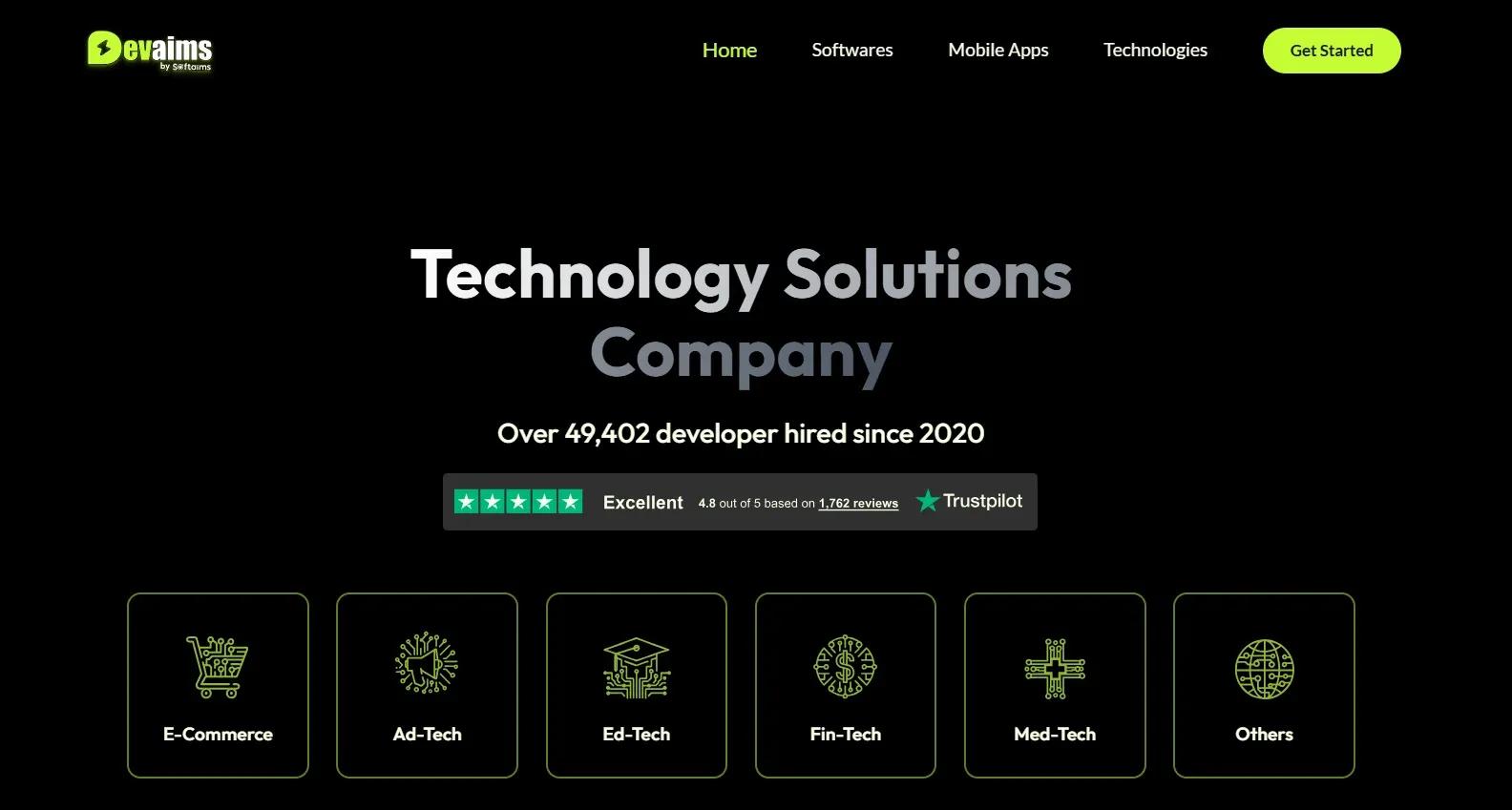
Best for: turning a product design into a working web or mobile app, at a fixed price.
Devaims, now a Softaims company, builds custom software and mobile and web apps with UI/UX, on a fixed-price model with built-in QA and ongoing support. When a design needs to become a shipping product, Devaims delivers it, while the wider Softaims team handles deeper platform and engineering work. Its calling cards are predictable delivery, clear pricing, and direct access to the people writing the code.
Why hire them: Choose Devaims when you have a design, or need one, and want it turned into a working app on a fixed, predictable budget.
3. IDEO
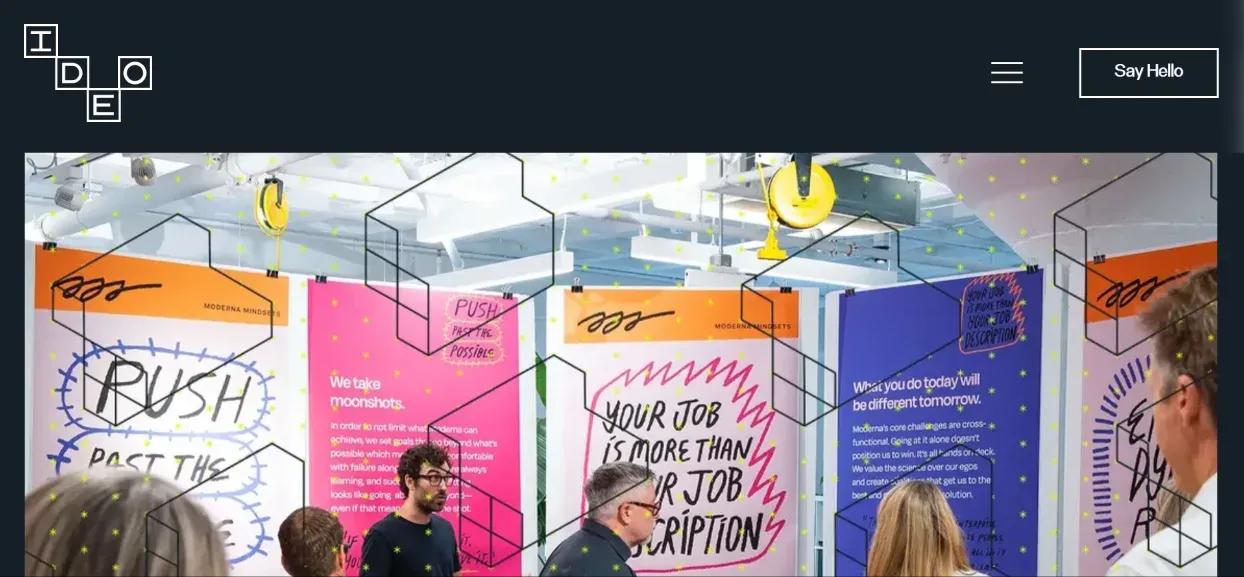
Best for: ambitious, research-led innovation programs.
IDEO is the firm most associated with human-centered design, the approach that now underpins the whole industry. With studios around the world, it works across digital products, physical products, services, and organizational change, built on deep user research and a knack for turning vague, open-ended problems into tested concepts. It suits large organizations and well-funded teams taking on a genuinely big question rather than a focused fix.
Known for: design research, innovation strategy, concept-to-launch work across sectors.
Keep in mind: its scope and name command premium rates, so a small, well-defined project is often better served elsewhere.
4. frog
Best for: enterprise-scale design and strategy.
frog, founded in 1969 and now part of Capgemini Invent, is one of the most established design and innovation firms in the world, with more than a dozen studios across the US, Europe, and Asia. It pairs product, service, and experience design with the muscle of a global consultancy, which makes it a fit for complex, cross-border programs. Its history spans landmark digital and physical products for the world's biggest brands.
Known for: product and service design, innovation strategy, experience design at scale.
Keep in mind: as part of a large consultancy, it is geared to enterprise programs more than lean, fast projects.
5. Designit
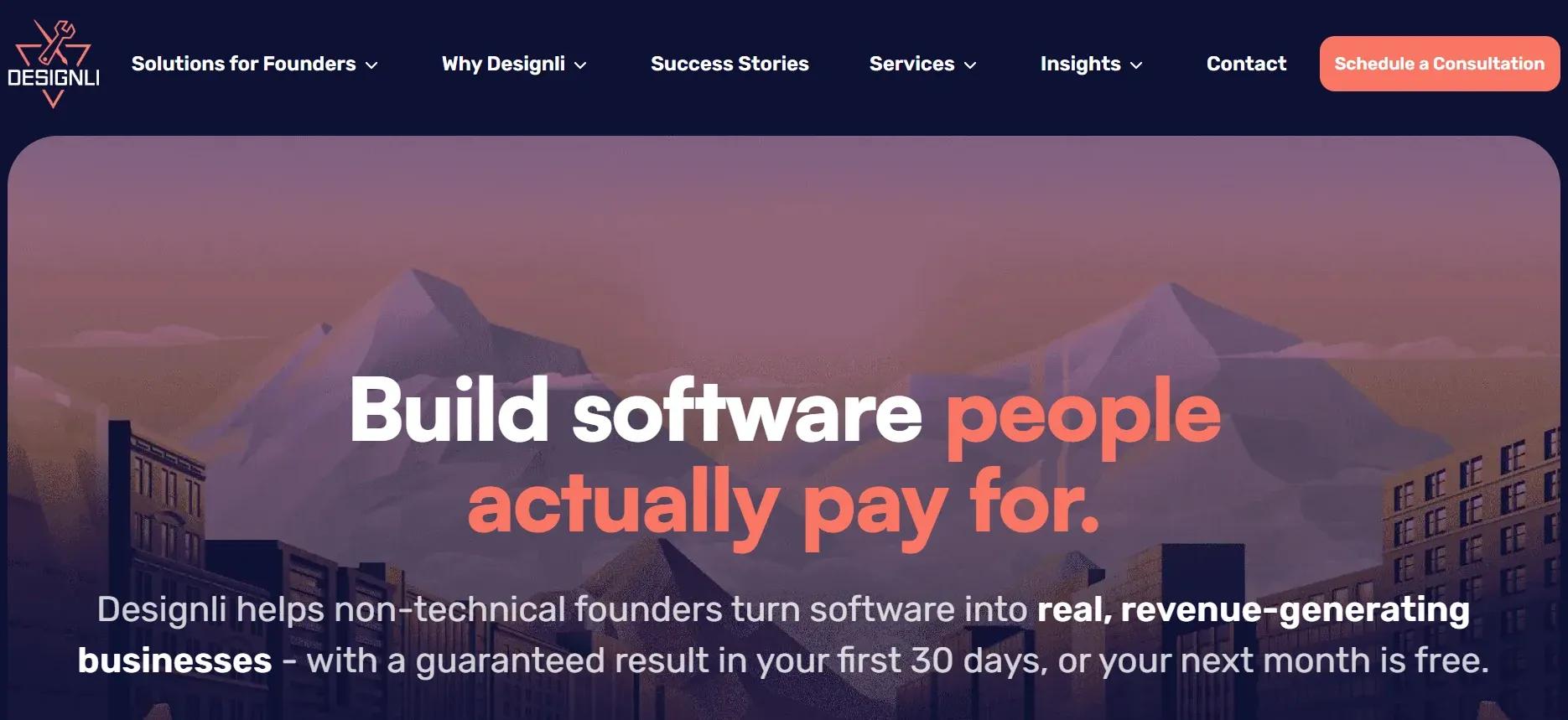
Best for: experience and CX work at enterprise scale.
Designit, headquartered in Copenhagen and owned by Wipro, is a global strategic design firm with offices across Europe and beyond. Its strength is in service design and customer experience, connecting research, strategy, and product design across large, multi-touchpoint organizations. It suits enterprises that need design tied to business outcomes and delivered across many markets at once.
Known for: service design, CX strategy, product and experience design.
Keep in mind: its focus is strategic and enterprise CX, so a single-screen UI task is not where it shines.
6. MetaLab
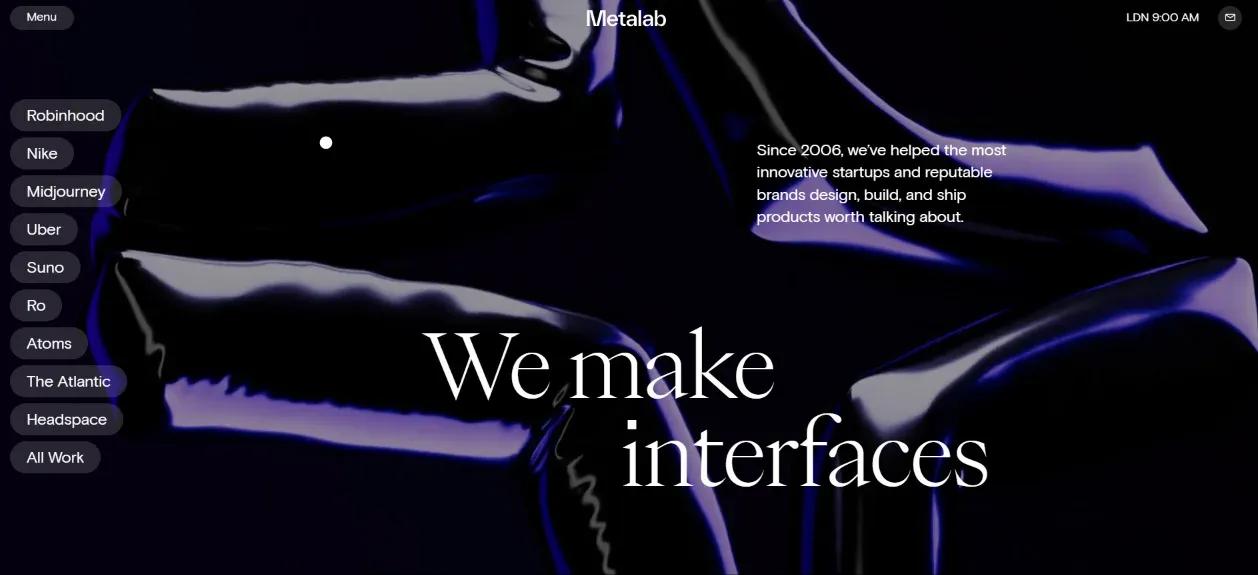
Best for: SaaS and apps where the interface is the product.
MetaLab, based in Victoria, Canada, has designed and shipped digital products since 2006, and is best known for building the original Slack interface and brand. It pairs product strategy, research, interface design, and brand, often with engineering support, for startups and major technology companies alike. It is the firm to call when product behavior and brand have to move together at a significant launch or redesign.
Known for: digital product design, product strategy, brand, interface craft.
Keep in mind: it is premium and digital-only, so physical products and tight budgets fit elsewhere.
7. ustwo
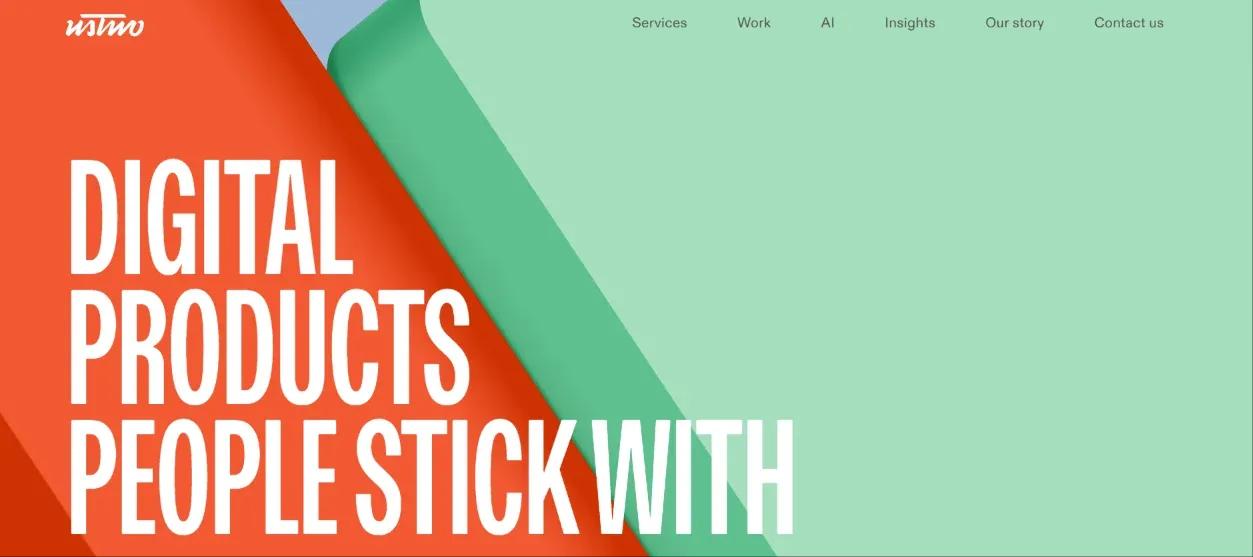
Best for: idea-to-launch digital products with real craft.
ustwo is a London-born digital product studio with a global presence, known both for client product work and for creating the award-winning game Monument Valley. It helps teams move from idea to launch with a strong emphasis on craft, usability, and products people genuinely enjoy using. It suits companies that treat product quality as a differentiator rather than a checkbox.
Known for: digital product design, UX, product craft and strategy.
Keep in mind: its premium, craft-led model is more than a simple interface refresh requires.
8. Work & Co
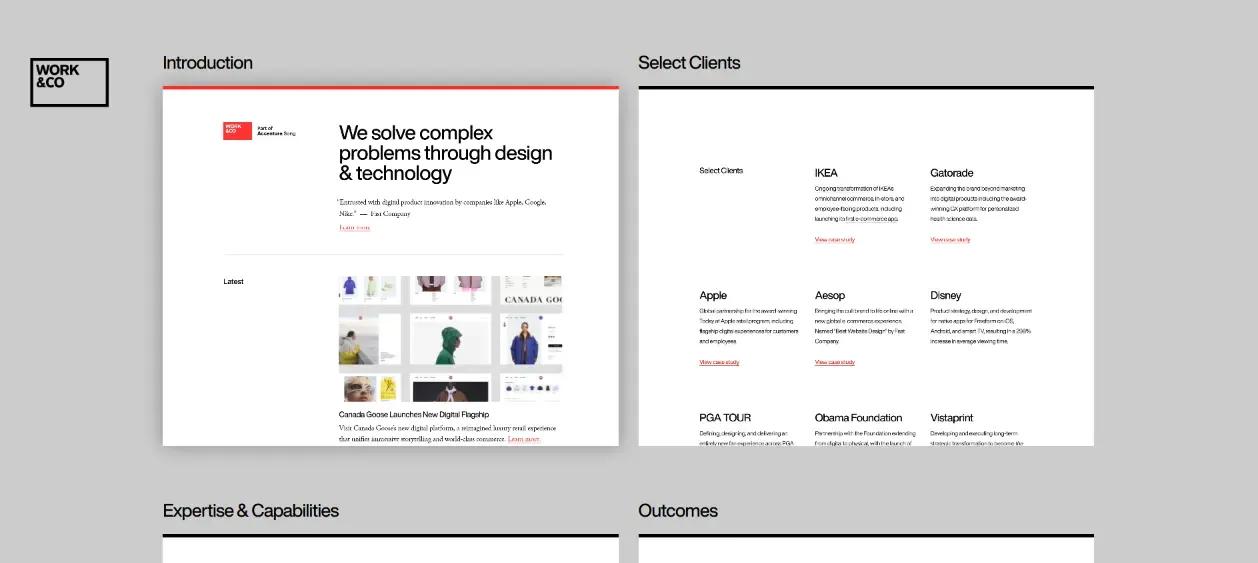
Best for: high-stakes flagship digital products.
Work & Co is an elite digital product studio, now part of a global group, known for designing and building flagship experiences such as Apple TV+ and Mastercard products. It combines design and engineering to ship, not just to design, and is trusted by major brands for products that cannot afford to miss. It suits organizations launching or rebuilding a product where the stakes, and standards, are high.
Known for: digital product design and build, flagship launches.
Keep in mind: it works at the top end, so budgets and expectations need to match.
9. Pentagram
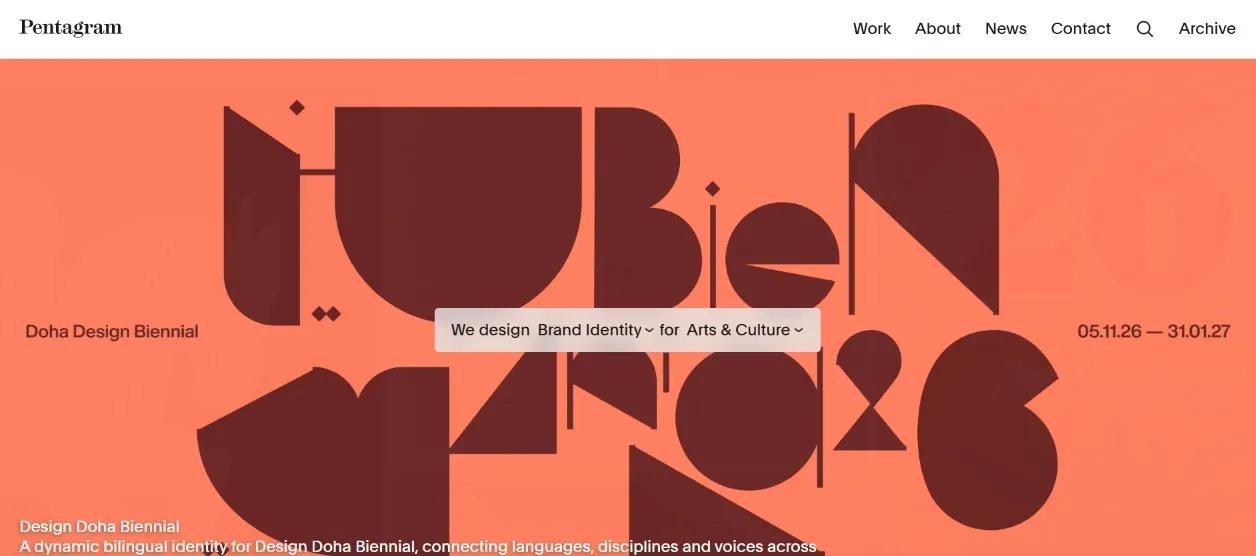
Best for: brand-led product and identity work.
Pentagram, with studios in London and New York, is the world's largest independent design consultancy, structured as a partnership of senior designers who lead their own work. It spans brand, identity, industrial, and digital design, for clients from Citibank to the New York Times. It suits organizations that want product and brand shaped together by a top-tier design partner.
Known for: brand and identity, industrial design, digital and editorial design.
Keep in mind: it is brand-led and premium, so pure UX or engineering work may need a specialist alongside.
10. fuseproject
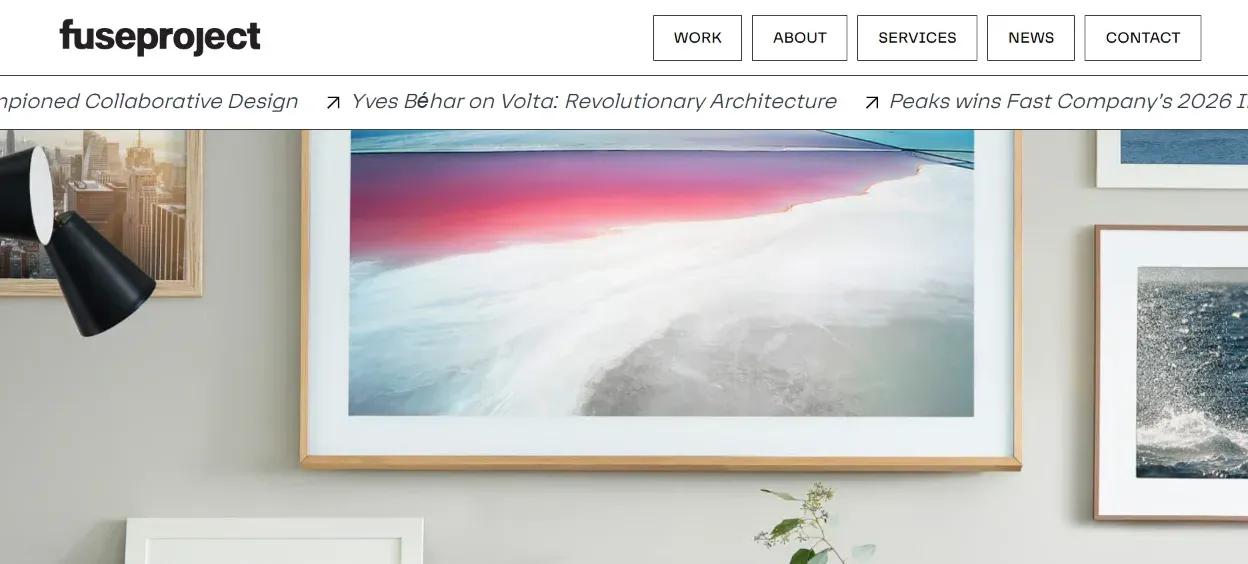
Best for: standout physical products and hardware.
fuseproject, the San Francisco studio founded by Yves Béhar, is one of the most recognized industrial design firms in the world. It fuses striking physical design with branding and business strategy, and has shaped widely known consumer hardware. It suits companies that want a physical product with a strong point of view, where design doubles as brand.
Known for: industrial design, branding, experience design.
Keep in mind: it is design-led and premium, so engineering-heavy or budget hardware projects may fit a specialist better.
Global giants, boutiques, and offshore studios
The firms above sit at very different points on the map, and that affects both price and fit. It helps to think in three tiers.
The global consultancies, such as IDEO, frog, and Designit, bring deep research, strategy, and the ability to run work across many markets at once. They are the safe, powerful choice for a large enterprise with a big, ambiguous problem, and they are priced accordingly. The premium product studios, such as MetaLab, ustwo, and Work & Co, deliver world-class craft on digital products where quality is the differentiator. And the design-and-build and nearshore partners, like Softaims, trade some brand prestige for far better value and a single team that ships.
The lesson is simple. Do not pay enterprise consultancy rates for a job a focused studio can do better, and do not hand a mission-critical flagship to the cheapest bidder. Match the tier to the stakes.
Benefits of hiring a product design company
Bringing in a specialist firm is a decision about leverage, not just capacity.
- Problems get caught while they are still cheap. A flaw found in a prototype costs a fraction of one patched after a global launch, once users and support are involved.
- You access talent you could not hire alone. The best firms field researchers, designers, and engineers with experience across industries, available for the length of your project.
- You gain an outside perspective. An external team sees the confusing choices and tired assumptions that internal teams, too close to the work, stopped noticing long ago.
The product design process, start to finish
Most engagements move through three phases, and your involvement at each one shapes the result.
Discovery. The work begins by setting goals, users, and constraints, then mining your data, customer insight, and competitors to find the real gaps. Findings are split into what is known and what still needs testing. Skip this and you may spend months perfecting a solution to a problem that does not exist. You provide data, context, and a call on priorities.
Design and testing. The firm explores several directions, measures them against the discovery criteria, and builds out the strongest. For software, that means structure and flow before visual polish. Testing then proves whether people can actually use it. You review the evidence and approve the direction before the work advances.
Handover. Finally the design reaches the people who build it. A strong firm walks developers or manufacturing engineers through the work rather than emailing files, covering failure states for software or materials and tolerances for hardware. You introduce the build team and name an owner for the trade-offs that implementation always brings.
Product design cost: a global view
Pricing in product design varies more by geography and tier than by anything else, so a single global average would mislead you. The ranges below are indicative, in US dollars, and the very top firms charge well beyond them.
Tier | Typical hourly rate | Typical project |
| Elite global consultancies | 250–450+ | Six to seven figures for a full program |
| Premium product studios | 150–300 | $75,000 to $500,000 for a product build |
| Mid-market and regional studios | 75–150 | $25,000 to $150,000 for a defined project |
| Nearshore and offshore partners | 25–100 | Lower cost for the same scope, varies by region |
Most firms bill as a fixed project fee or a monthly retainer, with hourly billing rarer at the senior end. Whatever the model, the questions that matter are the same: what research and testing are included, how many revision rounds you get, and whether engineering handover is in scope or extra.
How to choose, especially across borders
Send every shortlisted firm the same brief, then compare them on the same terms. Working globally adds a few extra checks.
- Verify shipped work. Ask for two or three case studies of products that actually launched, what the firm did, and what changed afterward.
- Confirm the real team and time zones. Find out who will staff your project and how much overlap you will have with their working hours.
- Read the deliverables. The proposal should name exactly what you get, from editable files and prototypes to engineering specs or CAD.
- Compare scope, not just totals. Two similar quotes can include very different research, testing, revisions, and handover.
- Settle intellectual property up front. Across borders especially, make sure the contract assigns full ownership of the work to you.
- Pressure-test communication early. Do they ask sharp questions, flag risks, and explain how decisions get made across a distributed team?
Red flags to watch for
- Promises of commercial success that no honest designer could actually guarantee.
- Confident claims about users with no research or testing to back them.
- A rigid process the firm will not adapt to your product or market.
- Vague answers on who owns the work, or on who is actually doing it.
Cross-border legal and compliance checks
A global engagement brings legal questions a local one does not. Cover these before you sign.
- Intellectual property. Ownership does not transfer just because you paid. Get a written assignment of all design and code rights, valid in the jurisdictions that matter to you.
- Data protection. If your users are in the EU or UK, GDPR applies wherever the firm sits, so build privacy in from the start and sign a data processing agreement.
- Accessibility. WCAG 2.2 AA is the global benchmark, and it is written into law in many markets, from the EU to the US.
- Product safety. For physical products, confirm the conformity and certification rules for every market you will sell in, as they differ by region.
Trends shaping product design in 2026
The field is moving fast, and the best firms are already working these shifts into how they design. Knowing them helps you ask sharper questions.
- AI woven into the product, not bolted on. Leading teams now design for AI features from the start, from smart defaults to conversational flows, rather than adding a chatbot at the end. Ask how a firm handles AI as a design material, not just a buzzword.
- Design systems as the backbone. As products grow across platforms, a strong design system is no longer optional. It keeps a global product consistent and lets teams ship faster, so firms that build and govern systems well have a real edge.
- Accessibility as a baseline. With accessibility now written into law across many markets, inclusive design has shifted from nice-to-have to requirement. The best firms test for it throughout, not as a final audit.
- Sustainability in physical products. For hardware, material choices, repairability, and lifecycle impact increasingly shape design decisions, driven by both regulation and customer expectation.
- Research that moves faster. Continuous, lightweight research is replacing the single big study, so teams learn and adjust throughout a build rather than only at the start.
None of these replace the fundamentals. They raise the bar on them, and a firm that cannot speak to them is working from an older playbook.
What sets a world-class product design company apart
Reputation and a long client list are easy to fake with a good portfolio. The traits that actually predict a strong outcome are quieter.
- They start with the problem, not the pixels. The best firms spend real time understanding users and business goals before they open a design tool, because a beautiful solution to the wrong problem is worthless.
- They test, not guess. World-class teams put work in front of real users and change course based on what they see, rather than defending their first idea.
- They design for the build. Great design that cannot be shipped is a liability. The strongest firms either engineer the work themselves or design with the build team in the room.
- They are honest about trade-offs. A mature partner tells you what it would cut, what it is unsure about, and where the risks sit, instead of agreeing to everything.
- They leave you stronger. The best engagements hand over clean files, a design system, and enough knowledge for your team to keep going without them.
Judge a shortlist against these, and the right firm usually separates itself quickly, whatever its size or address.
Conclusion
The best product design companies in the world are world-class for a reason, but prestige is not the same as fit. IDEO, frog, and Designit lead on enterprise research and strategy. MetaLab, ustwo, and Work & Co set the bar for digital product craft. Pentagram and fuseproject shape brand and physical products at the highest level. Each is the right answer to a specific question, and the wrong one to others.
Underneath the whole decision sits a simpler question: do you want design alone, or design and build as one? A brilliant design still has to ship, and the handover between a design firm and a separate engineering team is where global projects quietly lose time and money. That is the gap Softaims is built to close. Here is what you get working with us:
- One accountable team. Research, UI/UX, and engineering handled together, so there is no handoff to drop the ball.
- Global talent, not global agency prices. Senior designers and engineers at remote rates, priced transparently, with no hiring overhead.
- Scale on your terms. Add specialists to your team or hand over the whole build, and flex as the work changes.
- You own it, fast. The design and the code are yours, and matching takes 48 hours, not months.
If you want a product designed and built by one team, wherever you are, talk to our team and we will match you with the right people.
Frequently asked questions
What are the best product design companies in the world?
The top global firms include IDEO, frog, and Designit for research-led enterprise work, and MetaLab, ustwo, and Work & Co for premium digital products. Pentagram and fuseproject lead on brand and physical design. For teams that want design and build in one team at better value, Softaims is a strong alternative. The best choice depends on your product, stage, and budget.
How much does product design cost globally?
It depends heavily on the firm's tier and region. Elite global consultancies charge $250 to $450 or more an hour, premium studios $150 to $300, mid-market studios $75 to $150, and nearshore or offshore partners $25 to $100. A defined project can run from $25,000 to well over $500,000.
Should I hire a global giant or a smaller studio?
A global consultancy suits a large, ambiguous problem that spans many markets and needs deep research. A focused studio or design-and-build partner usually delivers better value and speed on a defined product. Match the tier to the stakes, and do not overpay for scale you will not use.
What is the difference between UX design and product design?
UX design covers how people use a product: navigation, flow, and ease of completing tasks. Product design is wider and also weighs which problems to solve and whether the solution makes business sense. Most leading firms do both, but knowing which you need sharpens your brief.
Who owns the design when working with an overseas firm?
Not you, unless the contract says so. Paying for the work does not automatically transfer rights, and that is riskier across borders. Insist on a written assignment of all design and code ownership that is valid in the markets that matter to your business.
Can one company handle both design and development?
Yes. Design-and-build firms such as Softaims and MetaLab pair design with engineering, so a single team takes the product from research to launch. That removes the risky handover between a design agency and a separate development team, which is where many global projects lose time and quality.
How do I work with a product design company in another time zone?
Confirm how many hours of overlap you will share each day, and agree on fixed times for reviews and decisions. Ask for a single point of contact, a shared tool for async updates, and clear turnaround expectations. A good global partner makes distance a non-issue, with regular demos and a steady rhythm that keeps you in the loop without constant calls.


 GitHub
Klym Y.

 Verified Expert in Engineering
My name is Klym Y. and I have over 6 years of experience in the tech industry. I specialize in the following technologies: User Interface Design, User Experience Design, Web Design, Mobile UI Design, Mobile App Design, etc.. I hold a degree in Master of Design (MDes), , , . Some of the notable projects I’ve worked on include: Finance app, Trading Made Simple website, Investment Insight Dashboard 📊, Owlchat app, BullishTrade App: Designing Clarity in Trading 🌟, etc.. I am based in Kyiv, Ukraine. I've successfully completed 68 projects while developing at Softaims.
I'm committed to continuous learning, always striving to stay current with the latest industry trends and technical methodologies. My work is driven by a genuine passion for solving complex, real-world challenges through creative and highly effective solutions. Through close collaboration with cross-functional teams, I've consistently helped businesses optimize critical processes, significantly improve user experiences, and build robust, scalable systems designed to last.
My professional philosophy is truly holistic: the goal isn't just to execute a task, but to deeply understand the project's broader business context. I place a high priority on user-centered design, maintaining rigorous quality standards, and directly achieving business goals—ensuring the solutions I build are technically sound and perfectly aligned with the client's vision. This rigorous approach is a hallmark of the development standards at Softaims.
Ultimately, my focus is on delivering measurable impact. I aim to contribute to impactful projects that directly help organizations grow and thrive in today’s highly competitive landscape. I look forward to continuing to drive success for clients as a key professional at Softaims.

Leave a Comment
Need help building your team? Let's discuss your project requirements.
Get matched with top-tier developers within 24 hours and start your project with no pressure of long-term commitment.