Top 16 Cybersecurity Development Companies in the World
In this guide, we explore the Top 16 Cyber Security Development Companies in the World and what makes each one stand out. Compare their expertise, services, and capabilities to find the right cybersecurity partner for your business.
Technically reviewed by:
Jonathan R.|Scott S.
Table of contents
Key Takeaways
- Cyber risk is business risk. Cybercrime could cost the global economy $10.5 trillion annually, making security a business priority.
- The market has multiple layers. Security platforms, managed services, and skilled security talent all play a role.
- Tools need skilled operators. Even the best security platform can fall short without experienced people behind it.
- Talent remains a major gap. Millions of cybersecurity positions remain unfilled worldwide, making skilled engineers difficult to hire.
- Zero trust is becoming standard. Verify every user, device, and access request instead of trusting by default.
- Softaims helps close the talent gap. Hire vetted cybersecurity engineers quickly and keep full ownership of the work.
Here is a number that should stop any business owner cold. Cybercrime is on track to cost the world $10.5 trillion a year, more than the GDP of most nations. Behind that figure sit real disasters, from record-breaking data breaches to ransomware that shuts companies down overnight. So the question for buyers of cyber security companies is no longer whether you will be targeted. It is whether you are ready.
Getting ready is harder than it looks. The market is crowded with hundreds of vendors, each promising to be the answer. Some sell platforms, some sell services, and some sell fear. Meanwhile, the average data breach now costs millions, per IBM's research, and skilled security engineers are painfully scarce. So choosing the right cyber security companies, and the right talent to run them, has never mattered more.
This guide brings order to the chaos. It ranks the top 16 cyber security companies in the world for 2026. The list runs from the platform giants that define the market to the partners who help you build real defenses. It also covers those who help you staff them. If your real gap is talent, you can hire vetted security engineers in 48 hours and keep full control.
How We Ranked These Cyber Security Companies
The cyber security companies here earned their place on proven capability, analyst recognition, and real-world results. A firm had to show genuine security depth, not just a marketing budget. Each criterion below reflects what a serious buyer should weigh.
Threat coverage. Strong firms defend endpoints, networks, cloud, and identity. Therefore, we favored broad, integrated protection.
Detection and response. Speed of detection decides the damage. As a result, we weighted XDR, threat intelligence, and response.
Analyst standing. Independent validation matters. Consequently, we valued Gartner and industry recognition.
Innovation. AI now drives modern defense. Meanwhile, we favored firms investing in machine learning and automation.
People and delivery. Tools need skilled operators. So we valued firms and partners that make security talent accessible.
Top Cyber Security Companies: Comparison Table
The top cyber security companies in the world for 2026 include Softaims, Devaims, Microsoft Security, Cisco, and Palo Alto Networks. CrowdStrike, Fortinet, Zscaler, Check Point, SentinelOne, and others round out the list. This table gives the fast overview.
Company | Headquarters | Focus | Best for |
| Softaims | US and global | Hiring vetted security engineers | Building and staffing defenses |
| Devaims | US and global | Secure development, a Softaims brand | Accountable, secure builds |
| Microsoft Security | Redmond, USA | SIEM, endpoint, identity | Microsoft-stack enterprises |
| Cisco | San Jose, USA | Network and cloud security | Full-suite enterprise defense |
| Palo Alto Networks | Santa Clara, USA | AI-driven platform security | Platform consolidation |
| CrowdStrike | Austin, USA | Endpoint and XDR | Cloud-native threat response |
| Fortinet | Sunnyvale, USA | Security fabric, SASE | Unified network security |
| Zscaler | San Jose, USA | Zero trust, cloud security | Secure access at scale |
| Check Point | Tel Aviv, Israel | Network, endpoint, cloud | Mature, broad protection |
| SentinelOne | Mountain View, USA | AI endpoint protection | Autonomous threat defense |
| Tenable | Columbia, USA | Vulnerability management | Finding and fixing weaknesses |
| Astra Security | Delaware, USA | Penetration testing (PTaaS) | Continuous pentesting |
| IBM Security | Armonk, USA | Enterprise security suite | Large, regulated estates |
| Trend Micro | Tokyo, Japan | Cloud and endpoint security | Hybrid environments |
| Rapid7 | Boston, USA | Detection and response | Managed security operations |
| McAfee | San Jose, USA | Antivirus and identity | Consumer and SMB protection |
Details reflect public profiles and market data as of 2026 and can change, so verify each firm before you commit. Categories are noted to help you compare.
The Top 16 Cyber Security Companies in the World
This section covers the top cyber security companies in the world for 2026. It includes leading companies across security platforms, cloud security, threat detection, identity, and data protection. Each company offers different strengths, helping businesses find the right cybersecurity solution for their needs.
1. Softaims

A strong security platform is only as effective as the people managing it. Businesses still need skilled engineers to configure tools, secure cloud environments, monitor systems, and respond to threats.
This is where Softaims helps. It is a vetted developer marketplace that gives businesses access to security and cloud engineers without the long hiring process.
Instead of relying on a fixed team, you can browse pre-screened engineers based on their skills, experience, security expertise, and rates. You can interview the developers who fit your needs and build a team faster.
Key Services of Softaims
- Security engineering: Hire specialists in cloud security, IAM, CSPM, and workload protection.
- Secure development: Build software with security included from the start.
- DevSecOps: Add security testing, automated scanning, and policy controls to development pipelines with strong DevOps implementation expertise.
- Security and AI: Combine cybersecurity with machine learning and generative AI integration for smarter detection and automation.
- Staff augmentation: Add individual security engineers or larger teams based on your project needs.
Why Softaims Stands Out
Softaims makes it easier to access cybersecurity talent without building a large permanent team. You can find engineers based on your required skills, experience, time zone, and budget.
You also keep ownership of the code, configurations, and work produced by your team. To get started, hire vetted cloud and security engineers, view pricing, or contact the Softaims team.
2. Devaims
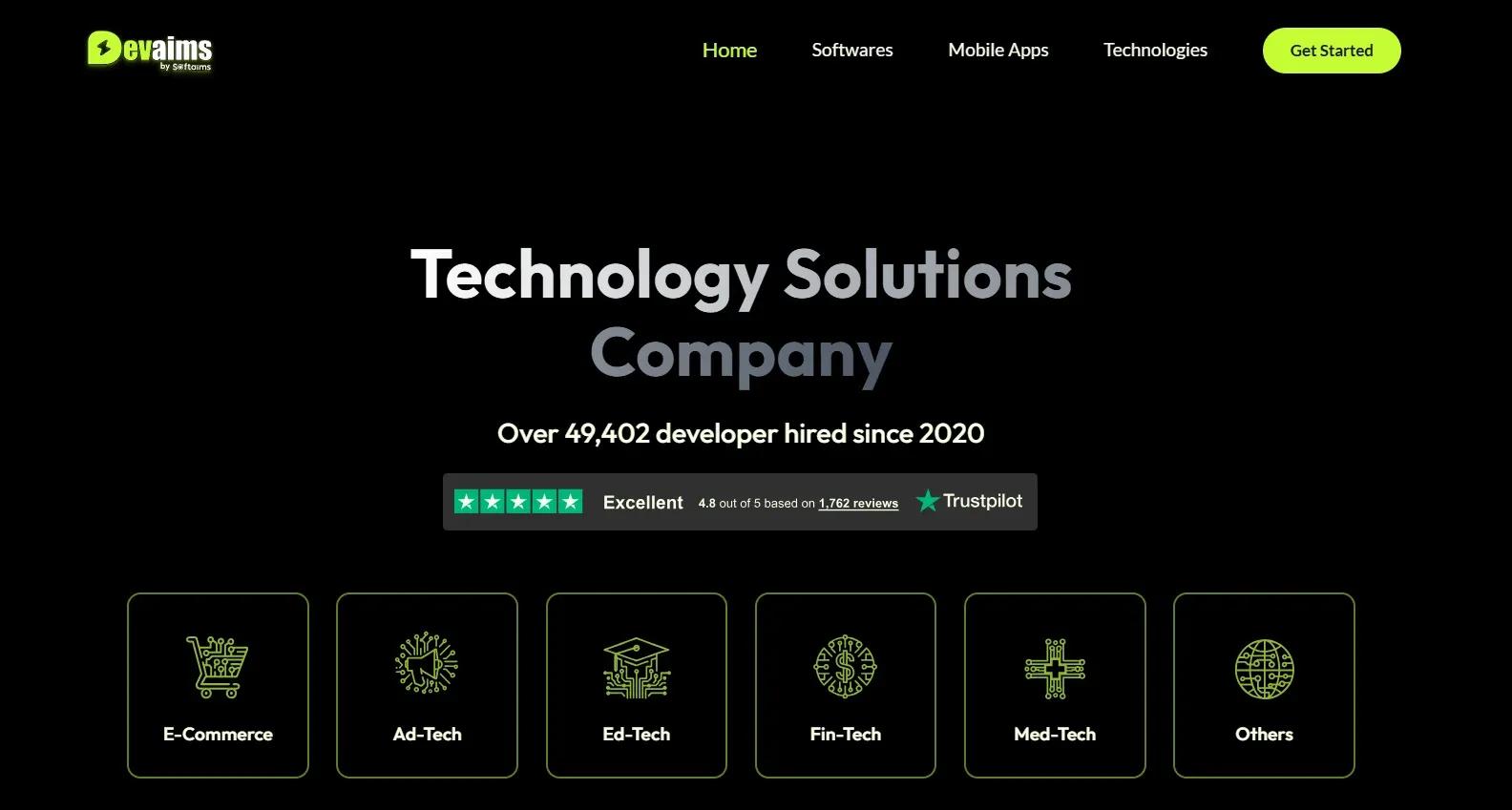
Sometimes you do not want to hire developers, manage a team, and coordinate multiple vendors. You have a product idea and want someone to take responsibility for building it properly. That is where Devaims fits. As a managed delivery company and Softaims brand, it builds secure software from the first architecture decision through launch.
The biggest difference is accountability. Devaims handles the planning, architecture, development, testing, and security under one team. Security is considered from the first sprint instead of being added at the end. You also get a clear delivery plan, so there is one team responsible for the final product.
The model became stronger in 2026 after Softaims acquired Devaims. The two now bring managed delivery and access to a wider pool of vetted technical talent together. So if a project suddenly needs a security engineer, DevOps specialist, or additional developer, extra capacity is already available.
Key Services of Devaims
- Secure software development: Build custom software with security and DevSecOps built into the development process.
- Full-cycle delivery: Devaims handles architecture, development, testing, deployment, and launch.
- Software development: Its software development services cover custom platforms and business applications.
- Mobile app development: Build iOS and Android products through its mobile app development services.
- Managed operations: The team can continue monitoring, maintaining, patching, and improving the system after launch.
Why Devaims Stands Out
Devaims is built for businesses that want one team to own the outcome. You do not need to coordinate separate developers, security specialists, and vendors. The team handles the build while its connection to Softaims provides additional technical talent when the project needs it.
That makes Devaims a practical choice for companies that want to move quickly without sacrificing security, accountability, or flexibility. Explore Devaims or get in touch to discuss your project.
3. Microsoft Security
Headquarters: Redmond, Washington, USA.
Microsoft Security is one of the most established names in the field. Its tools, like Defender for Endpoint and Sentinel, cover threat detection, SIEM, and identity. So it suits large enterprises already built on the Microsoft stack and the Azure cloud.
Among cyber security companies, few match its ecosystem reach.
Why they matter: deep integration across the Microsoft ecosystem. Its AI-driven analytics scale to the largest organizations.
4. Cisco
Headquarters: San Jose, California, USA.
Cisco offers an exhaustive security suite, from its SASE platform to AI-driven XDR. It secures access for users and devices anywhere, across network, cloud, and endpoints. So it suits enterprises wanting one broad, single-vendor security partner.
Why they matter: end-to-end coverage and decades of network heritage. Its detailed segmentation and remediation guidance suit large, complex enterprise estates.
5. Palo Alto Networks
Headquarters: Santa Clara, California, USA.
Palo Alto Networks unifies security through AI and automation. Its next-generation firewalls, Prisma Cloud, and Cortex XDR span network to cloud. So it suits enterprises consolidating many tools onto one platform.
Why they matter: platform breadth and analyst-leading depth. Its Unit 42 threat intelligence keeps defenders ahead of attackers, and its automation reduces the manual load on stretched teams.
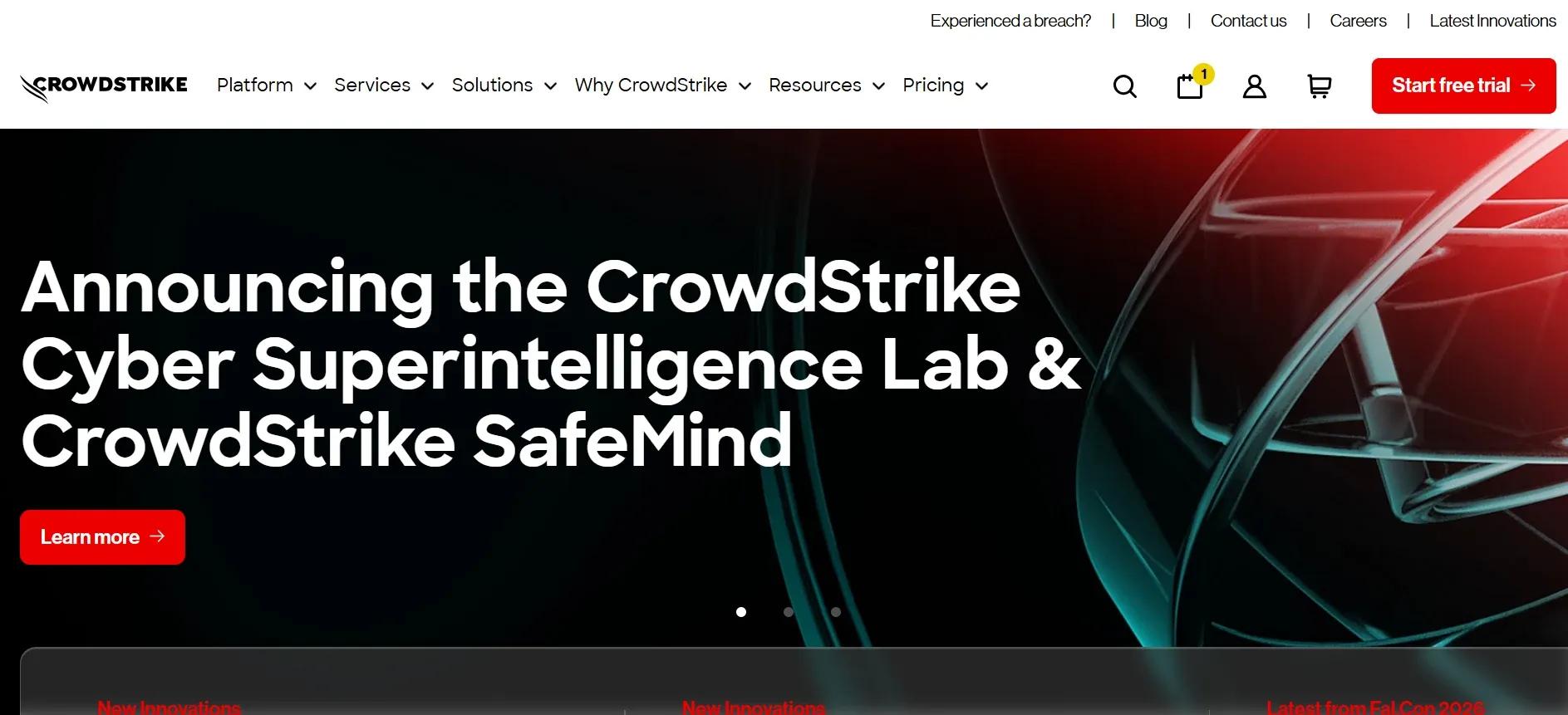
6. CrowdStrike
Headquarters: Austin, Texas, USA.
CrowdStrike specializes in endpoint security, XDR, and threat hunting. Its cloud-native Falcon platform deploys fast and scales widely. So it suits large enterprises wanting rapid, cloud-first endpoint protection at scale.
Why they matter: machine-learning detection and fast response at cloud scale. Its Charlotte AI adds smarter, GenAI-powered security workflows for lean teams.
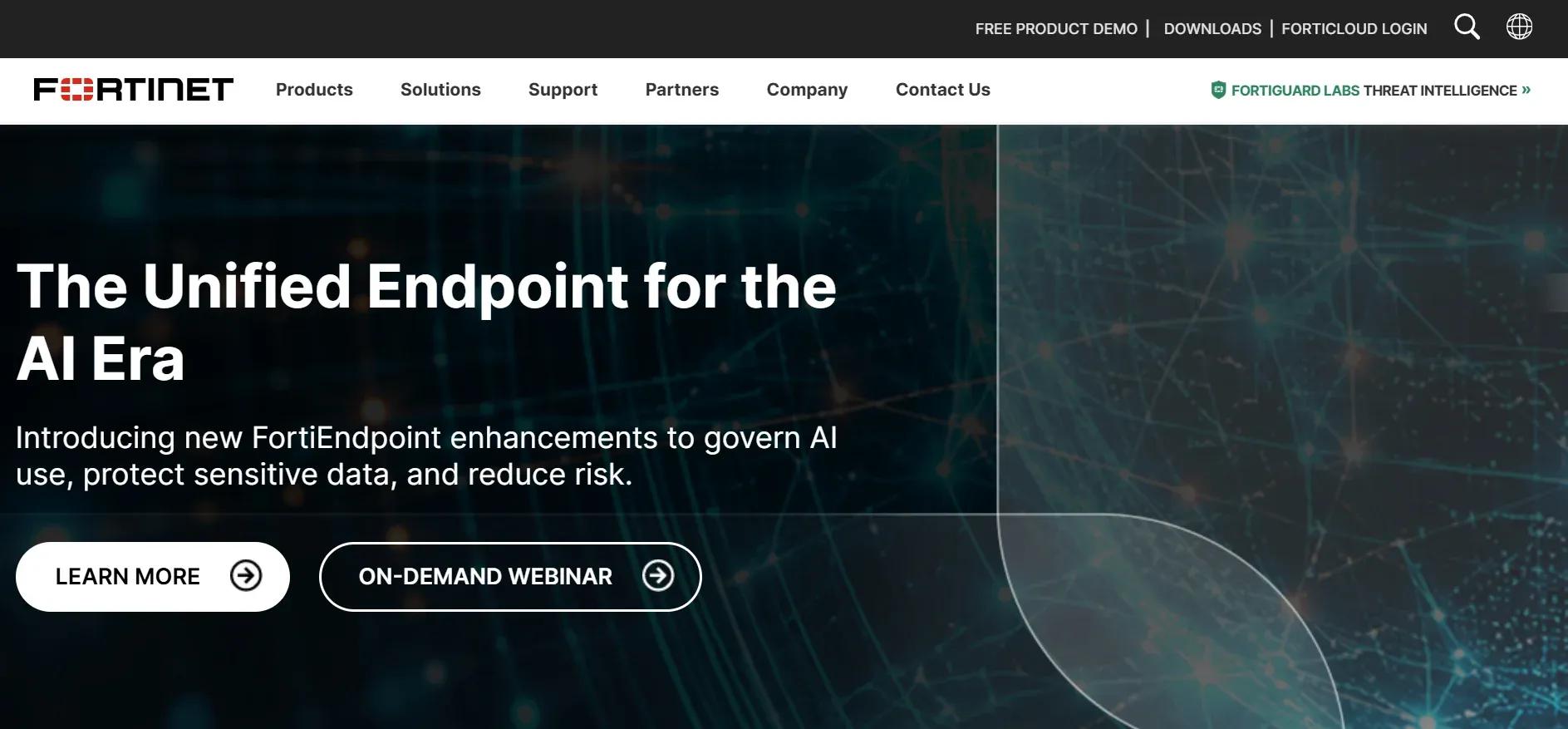
7. Fortinet
Headquarters: Sunnyvale, California, USA.
Fortinet provides a complete security fabric across the whole IT estate. It spans firewalls, intrusion prevention, endpoint, and SASE. So it suits teams wanting one integrated security fabric on a sensible budget. Few cyber security companies match its breadth for the price.
Why they matter: strong price-to-performance and genuinely broad coverage. Its AI-powered automation reduces manual error and eases the load on security teams.
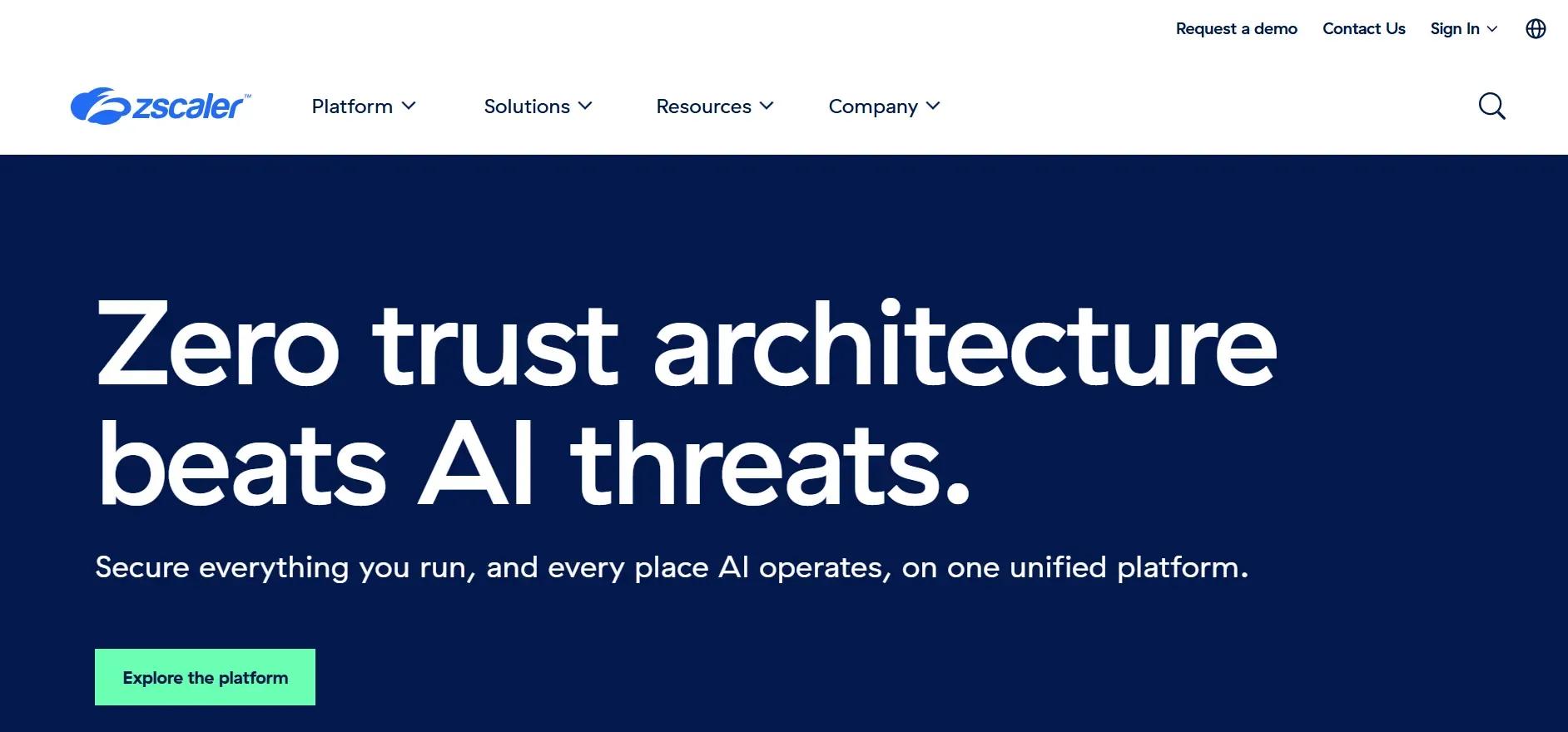
8. Zscaler
Headquarters: San Jose, California, USA.
Zscaler secures organizations with a cloud-native platform built on zero trust. It combines SASE, data loss prevention, and threat protection. So it suits large, distributed teams securing access at scale.
Why they matter: a proven, mature zero-trust and SASE model. Its massive global cloud defends against evolving threats and emerging zero-day attacks.
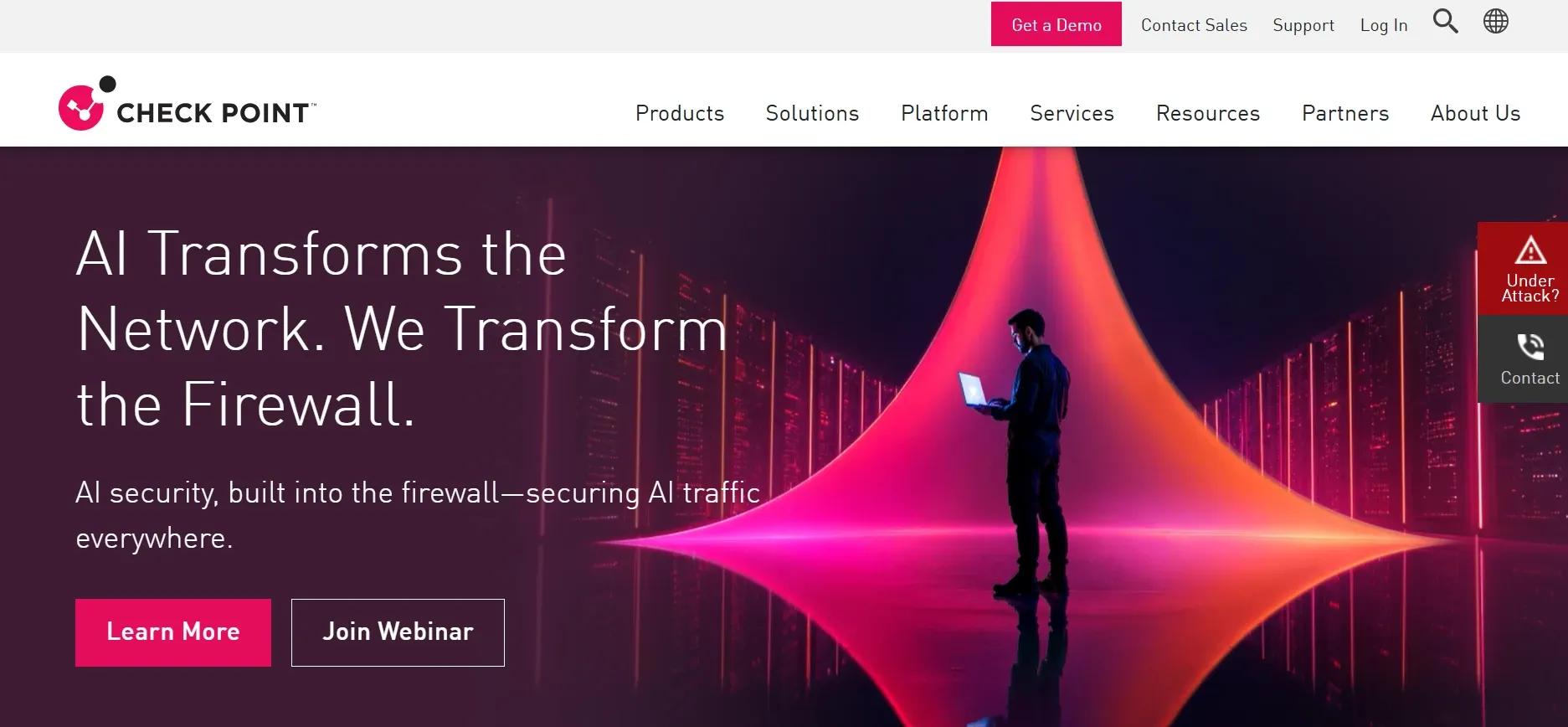
9. Check Point
Headquarters: Tel Aviv, Israel.
Check Point is a long-established leader across network, endpoint, and cloud security. Its firewall is a market leader, and its SandBlast technology stops zero-day attacks. So it suits organizations wanting mature, broad protection.
Why they matter: decades of heritage and deeply integrated coverage. Its SandBlast threat emulation suits high-security, zero-tolerance environments.
10. SentinelOne
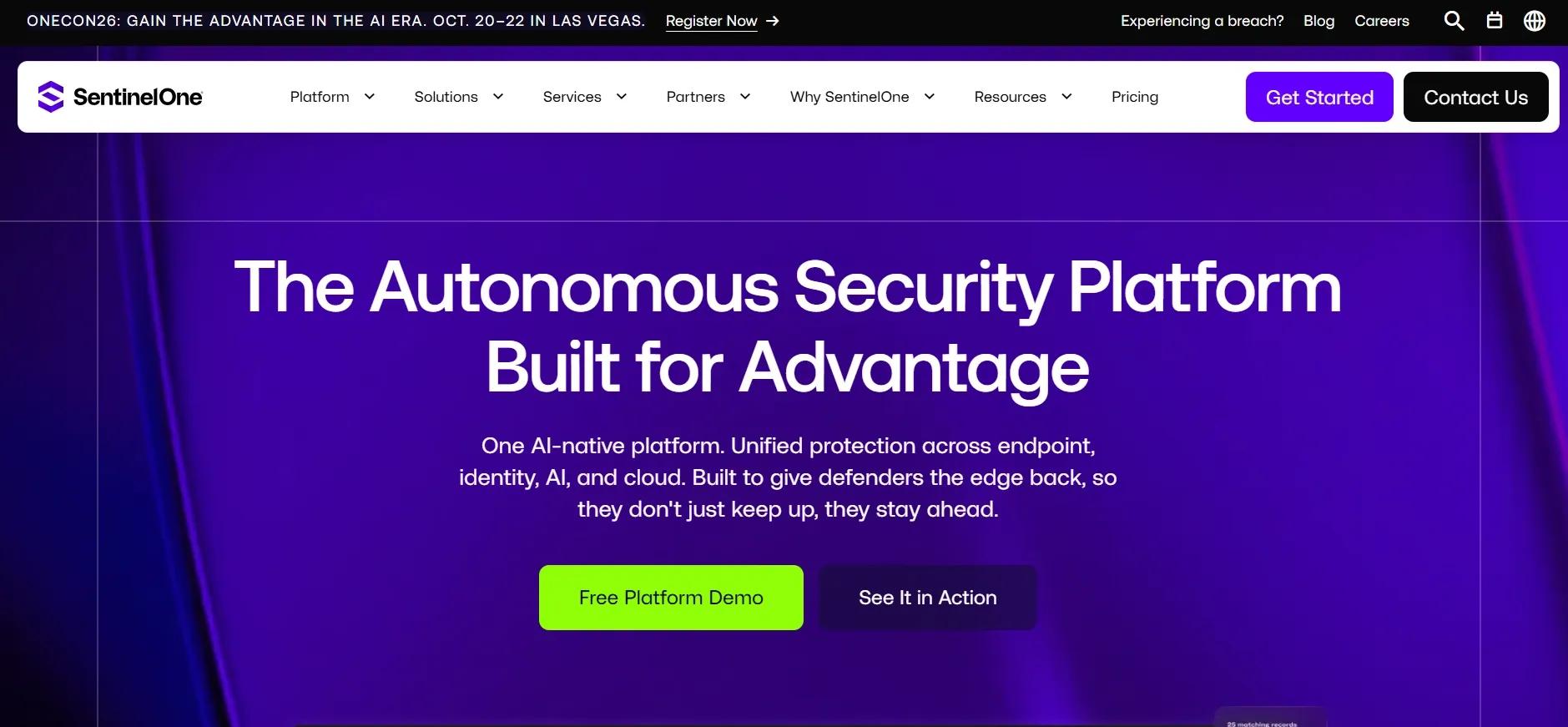
Headquarters: Mountain View, California, USA.
SentinelOne delivers AI-driven endpoint, cloud, and identity protection. Its Singularity platform detects and remediates threats in real time. So it suits teams wanting autonomous, machine-speed defense. Among cyber security companies, its automation depth stands out.
Why they matter: advanced AI detection that goes far beyond traditional antivirus. Its autonomous response suits lean security teams that cannot watch every alert.
11. Tenable
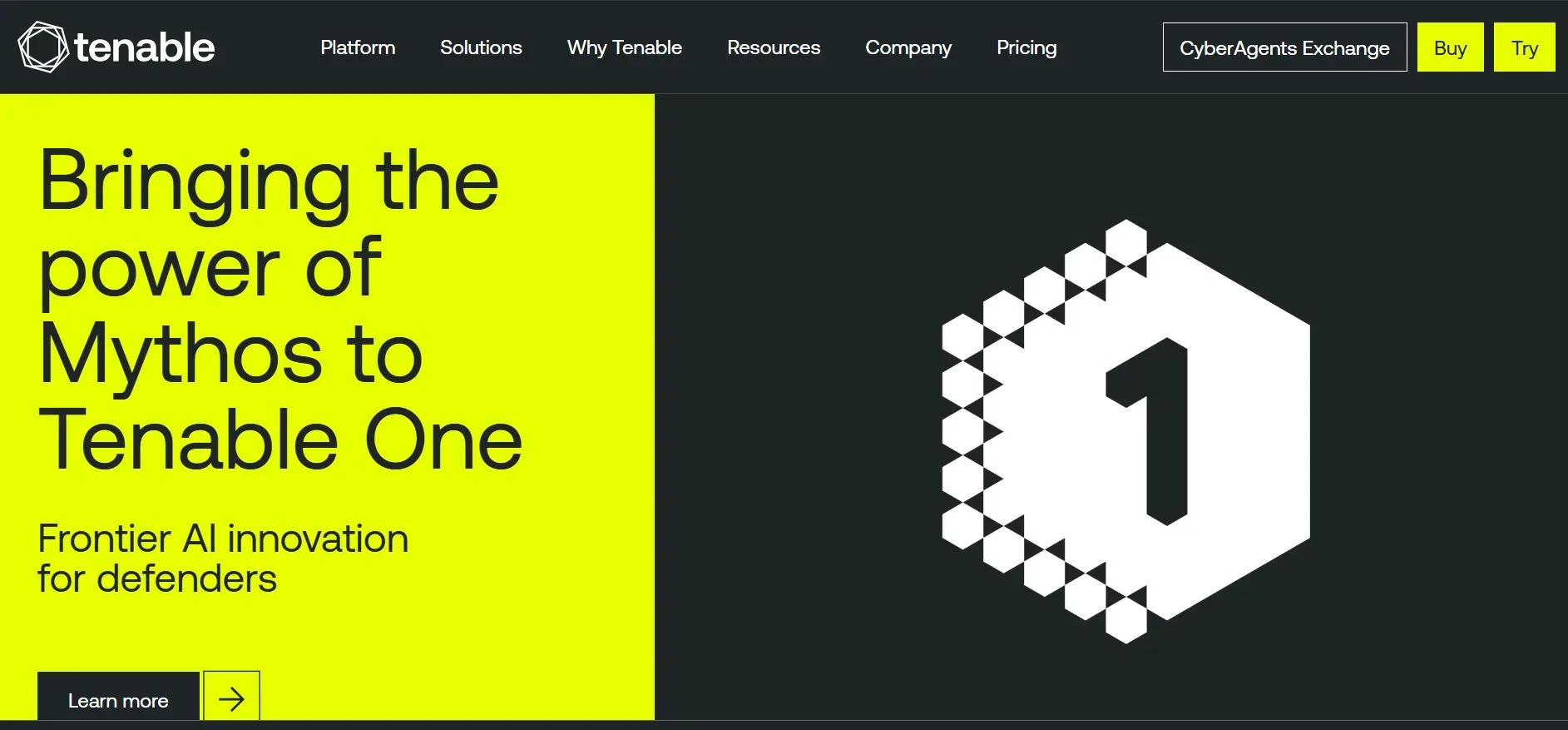
Headquarters: Columbia, Maryland, USA.
Tenable leads in vulnerability management through its Nessus platform. It scans IT and cloud infrastructure to find and fix weaknesses. So it suits security teams that want continuous, real-time visibility of their exposure and risk.
Why they matter: industry-low false positives and deep, accurate scanning. Its continuous assessment keeps your security posture current as the estate changes.
12. Astra Security
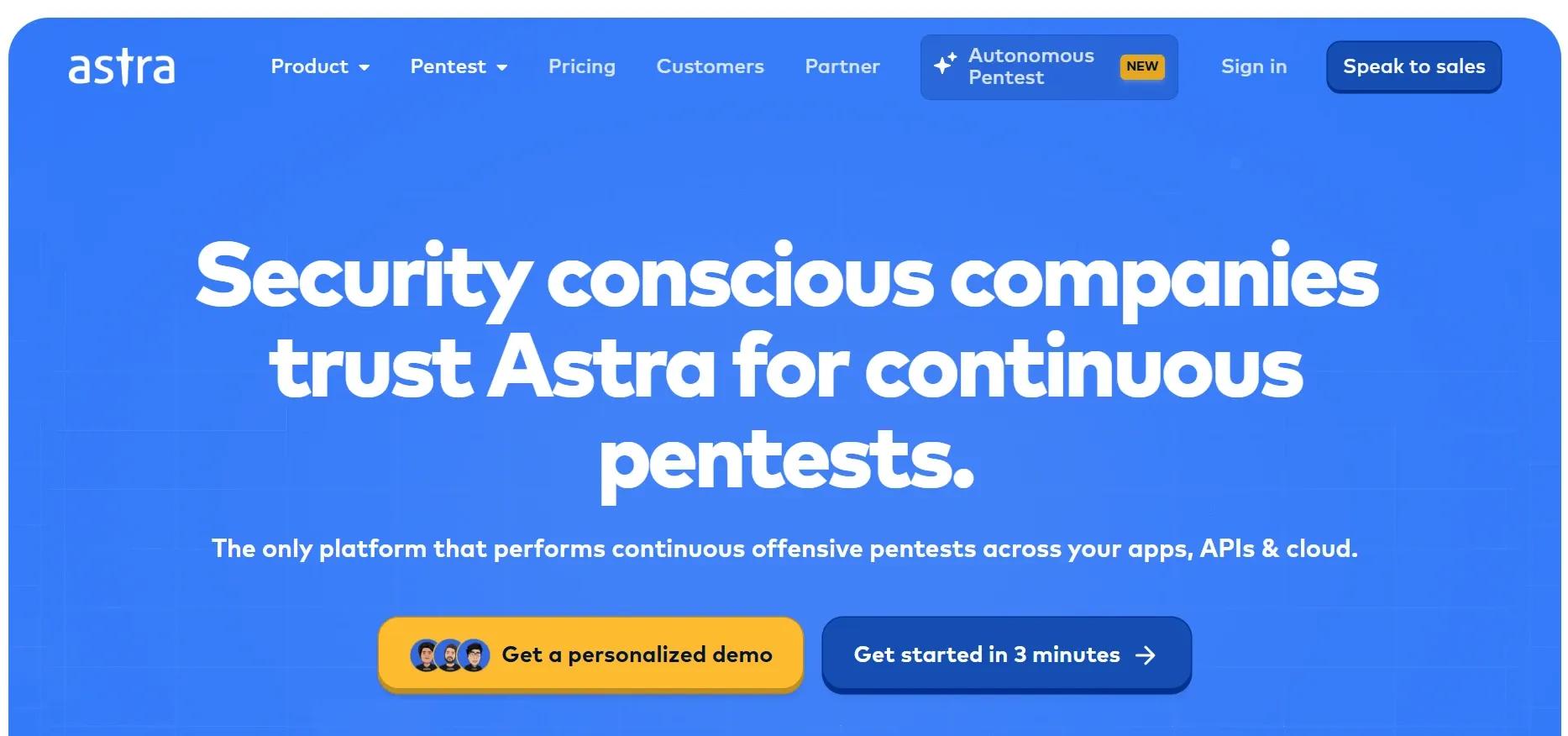
Headquarters: Delaware, USA.
Astra Security is a penetration-testing-as-a-service platform. It blends automated scanning with expert manual pentests. So it suits product teams that need continuous, developer-friendly security testing.
Why they matter: continuous pentesting with a clean, developer-friendly workflow. Its PTaaS model suits fast-moving product teams that ship often and need testing to keep pace.
13. IBM Security
Headquarters: Armonk, New York, USA.
IBM Security offers an enterprise suite spanning threat detection, data security, and identity. It serves large, regulated organizations worldwide. So it suits complex, regulated estates needing strong governance and enterprise scale.
Why they matter: deep enterprise credibility and decades of research. Its threat intelligence and incident response support the largest, most regulated security programs.
14. Trend Micro
Headquarters: Tokyo, Japan.
Trend Micro delivers cloud, endpoint, and network security through Vision One. It protects hybrid, container, and server environments. So it suits organizations running mixed, hybrid estates across old and new systems.
Why they matter: strong workload and hybrid-cloud protection across servers and containers. Its long track record suits organizations making phased, careful security moves.
15. Rapid7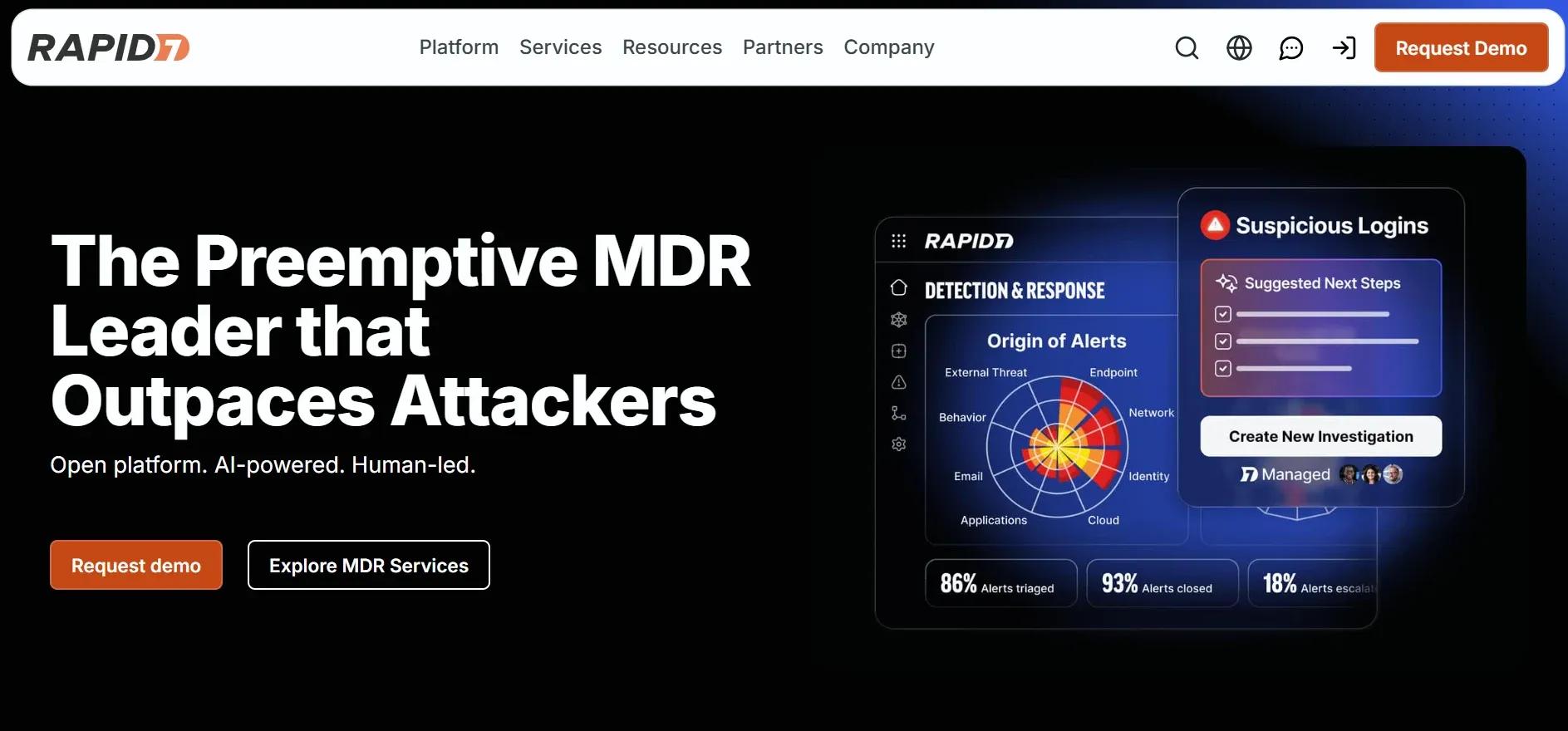
Headquarters: Boston, Massachusetts, USA.
Rapid7 combines detection and response with managed security operations. Its platform covers vulnerability, cloud, and threat detection. So it suits teams wanting security tooling plus a managed service in one place.
Why they matter: a strong blend of tooling and managed detection and response. Its managed model suits lean teams that need extra expert hands on the alerts.
16. McAfee
Headquarters: San Jose, California, USA.
McAfee protects PCs, mobile devices, and identities from malware and threats. It goes beyond antivirus with identity monitoring and firewalls. So it suits everyday consumers and small businesses working to a tight budget.
Why they matter: easy, all-round protection for smaller users. Its consumer focus suits home and small-office needs, where simplicity matters more than enterprise features.
What Is a Cyber Security Company
A cyber security company is a firm that protects an organization's data, systems, and networks from digital threats. The best cyber security companies do this across the whole attack surface. It provides tools, services, or talent to prevent, detect, and respond to attacks. So the goal is simple to state: fewer breaches, and much faster recovery when one inevitably happens.
The field splits into a few kinds of firm. Platform vendors sell software, like firewalls, endpoint agents, and detection engines. Meanwhile, service and development partners build, integrate, and staff the systems that use them. So the strongest cyber security companies combine both a powerful platform and skilled people.
That combination is the key insight most buyers miss. A brilliant platform underperforms without skilled people to run it. So the best results pair a strong tool with engineers who can configure, tune, and respond. Many teams now add machine learning development skills for smarter, faster detection.
Core Cyber Security Services
The best cyber security companies share a core service set. It spans prevention, detection, response, and recovery. Each closes a different gap in an organization's defense. So most businesses need several of these services working together at once.
Endpoint protection. Agents guard laptops, servers, and devices. As a result, the most common entry points are covered.
Network and cloud security. Firewalls and zero trust protect the perimeter and the cloud. Therefore, access stays controlled.
Threat detection and response. XDR and SIEM spot and stop attacks fast. Meanwhile, response teams limit the damage.
Vulnerability management. Scanning finds weaknesses before attackers do. So you fix the gaps proactively, before they become incidents.
Penetration testing. Ethical hackers probe your defenses. Consequently, you learn where you are truly exposed.
Secure development. Engineers build security into software from the start. In addition, DevSecOps keeps it there through every release.
The Layers of Modern Cyber Defense
Modern cyber security is best understood as layers, not a single wall. Attackers probe every angle, so defense must cover every angle too. The strongest cyber security companies build across all of them. So knowing the layers helps you find the gaps in your own setup.
The perimeter. Firewalls and network security guard the edge. However, the edge is now everywhere, not one place.
The endpoint. Agents protect laptops, servers, and devices. As a result, the most common entry points stay covered.
Identity. Access controls decide who can reach what. Meanwhile, stolen credentials cause most breaches.
The cloud. Cloud-native tools defend workloads and data. Therefore, they match where systems actually run.
The application. Secure code and testing stop flaws at the source. So defense starts in development, not after launch.
A single layer is never enough on its own. A firewall will not stop a phished password, and endpoint software will not fix insecure code. So the best cyber security companies weave the layers together, backed by people who can run them. Miss one layer, and attackers will find it. That is why breadth, not a single clever tool, is the mark of a mature defense. That people layer is the one most organizations quietly neglect. It often relies on the same skills the top cloud security companies bring to enterprise builds.
The Cyber Security Talent Gap (and How Softaims Helps)
Every report on cyber security companies and their clients reaches the same conclusion. There are millions more open security roles than there are people to fill them. So even a generously funded security team can end up dangerously understaffed.
This is where a marketplace changes the game. With Softaims, you hire vetted security engineers in 48 hours, not months. You choose the exact skills, from cloud hardening to incident response, and you own the work. In addition, you can pair them with LLM development and AI specialists as your defense evolves.
So the platform leaders in this list supply the tools. Softaims supplies the people who deploy, tune, and operate them. Together, that closes the gap that leaves so many organizations exposed.
This matters most for lean teams. A single overworked analyst cannot watch a growing, multi-cloud estate alone. So adding vetted specialists on demand keeps defense strong as the business scales. It also means you pay for the exact skills you need, when the threat demands them. There is no large permanent team to carry. For deeper cloud defense, the leading cloud security companies show what strong platforms look like.
How to Choose the Right Cyber Security Partner
Choosing among cyber security companies is high-stakes, so make the decision on evidence, not adjectives. Match the tool to your threats, verify analyst standing, and confirm you have the people to run it. So work through these checks before you commit.
Map your risk. Confirm the partner covers your real threats and assets. Therefore, you avoid blind spots.
Check analyst validation. Look for Gartner or independent recognition. As a result, claims get outside backing.
Prioritize detection and response. Speed limits the damage of any breach. Meanwhile, strong XDR is now essential.
Confirm the people. A platform needs skilled operators. So secure the talent, through hiring or a marketplace.
Plan for the whole lifecycle. Prevention, detection, and recovery all matter. Moreover, test your response before you need it.
How Much Does Cybersecurity Cost
Cybersecurity spending depends on several factors, including business size, risk exposure, infrastructure, and the level of protection required. Expenses can include security software, managed services, audits, compliance, and specialist talent.
Security tools are only part of the overall budget. Experienced cybersecurity professionals can also represent a significant expense because skilled talent is in high demand. Businesses should also account for ongoing monitoring, testing, maintenance, and incident response.
How Much Does It Cost to Hire Cybersecurity Developers in 2026
Cybersecurity developer salaries can differ significantly from one country to another. Experience, technical expertise, location, and the complexity of the work all influence compensation.
The table below provides general salary ranges for cybersecurity developers across several global markets.
| Country | Average Salary (USD) |
|---|---|
| United States | $110,000–$150,000 |
| United Kingdom | $85,000–$120,000 |
| Canada | $80,000–$115,000 |
| Australia | $90,000–$130,000 |
| Germany | $75,000–$110,000 |
| Switzerland | $120,000–$160,000 |
| India | $25,000–$45,000 |
| Singapore | $70,000–$100,000 |
| Israel | $85,000–$125,000 |
| Japan | $65,000–$95,000 |
Source: Levels.fyi
These figures are general salary benchmarks. Actual compensation can vary based on seniority, specialization, location, and additional benefits or equity.
When to Hire Dedicated Cybersecurity Developers vs Freelance Cybersecurity Developers
The choice between dedicated and freelance cybersecurity developers depends largely on how long you need support and how complex the project is.
Dedicated cybersecurity developers are a good option for businesses with ongoing security requirements. They can become familiar with your infrastructure, work alongside your internal team, and handle continuous development and security improvements.
Freelance cybersecurity developers can be useful when you need specialized expertise for a limited project or temporary workload. They offer greater flexibility and can reduce long-term hiring commitments, but coordinating multiple freelancers can become challenging as a project grows.
Platforms such as Softaims developers give businesses access to cybersecurity talent for both flexible and longer-term engagements. Companies can select developers based on their technical skills, experience, availability, and budget.
The best hiring model depends on your project's requirements, expected duration, available budget, and how much ongoing cybersecurity support your business needs.
Why Cybersecurity Programs Fail
Even the best cybersecurity companies cannot fix a program with weak processes. Security failures often come from gaps in identity, response planning, access controls, and security governance.
Tools without skilled operators. Security platforms need people who can configure, monitor, and improve them. Without the right team, alerts can pile up while important threats get missed.
No tested response plan. Detecting an attack is only the first step. Organizations also need a clear process for containing and recovering from incidents. CISA recommends having documented incident response and communications plans before an attack happens.
Weak identity controls. Identity remains a major attack surface. Microsoft's 2025 Digital Defense Report found that 97% of identity attacks were password spray attacks, showing why stronger authentication and identity protection matter.
Security added too late. Security should be part of development from the beginning. Adding controls after launch can leave vulnerabilities, weak configurations, and access gaps that are harder to fix later.
Poor AI governance. AI is creating new security risks alongside its benefits. IBM found that 97% of organizations reporting an AI-related security incident lacked proper AI access controls, while 63% lacked AI governance policies.
The common thread is simple. Cybersecurity requires more than buying tools. Businesses need skilled people, strong processes, effective identity controls, tested response plans, and ongoing security management.
Cybersecurity Trends for 2027
The cybersecurity landscape is moving toward AI-assisted defense, stronger identity protection, zero trust, platform consolidation, and dedicated security for AI systems.
AI-driven defense. Security teams are increasingly using AI to detect threats, investigate alerts, and automate responses. Microsoft says AI agents can respond to high-risk signals within seconds, including actions such as suspending compromised accounts and triggering password resets.
AI-powered attacks. Attackers are using AI to improve phishing, credential attacks, and other techniques. Microsoft reported that identity-based attacks increased 32% in the first half of 2025, with more than 97% being large-scale password attacks.
Zero trust. Organizations are moving away from implicit trust and toward continuous verification. CISA's Zero Trust Maturity Model provides a framework for organizations moving toward zero-trust architectures.
Security platform consolidation. Security teams are increasingly looking to simplify fragmented security stacks. Fewer disconnected tools can make it easier to manage alerts, policies, and security operations.
AI security becomes its own market. Gartner forecasts that the market for securing AI will reach $4.8 billion in 2027, up 68.7% from 2026. AI application security alone is expected to reach about $851 million.
AI governance becomes essential. IBM's 2025 research found that the global average cost of a data breach was $4.4 million, while organizations using AI and automation extensively in security saved an average of $1.9 million in breach costs.
Cloud security remains critical. As businesses continue moving applications and infrastructure to the cloud, security teams need stronger controls for identities, workloads, APIs, data, and cloud configurations. CISA's cloud security guidance provides a framework for securing cloud migration and operations.
Frequently Asked Questions
Which are the top cyber security companies in the world?
Microsoft Security, Cisco, and Palo Alto Networks lead among platform giants. CrowdStrike, Fortinet, Zscaler, Check Point, and SentinelOne round out strong options. Softaims and Devaims suit teams that want to build and staff their own defenses.
How much does cyber security cost?
It varies with size, risk, and approach. Platform licenses scale with usage, while skilled engineers command premium rates. A marketplace can cut the talent cost by staffing only when needed.
What is the difference between a platform and a partner?
A platform supplies detection and enforcement software. A development partner builds, integrates, and staffs the systems around it. The strongest defense combines both.
How does Softaims help with cyber security?
Softaims lets you hire vetted security engineers fast, then own the work. It closes the talent gap that leaves many organizations exposed. So you can run any platform with skilled people.
What is zero trust?
Zero trust means never trusting a user or device by default. Every access request is verified, regardless of location. It is now the core model for modern cyber security.
Who owns the code and configurations?
With a custom build, you should own all of it. Confirm ownership of the code, configs, and IP in writing. This avoids vendor lock-in later.
Conclusion
Cybersecurity is no longer an IT line item. It is a core business risk, and the cost of getting it wrong runs into the millions. The cybersecurity companies in this list give you the tools and talent to fight back. But tools alone are never enough. The partner and the people you choose decide whether your defense holds.
So turn this list into a plan. Here is the short checklist to work through before you commit.
- Map your real risks. Know what you are protecting and from whom.
- Match the tool. Pick platforms that fit your threats, not the loudest brand.
- Verify the evidence. Demand analyst recognition and real references.
- Secure the talent. Confirm you can hire or access engineers to run it.
- Rehearse response. Test your incident plan before a real attack.
Get those five right, and you turn a scary landscape into a manageable one. Skip them, and even the best software will not save you.
If your real blocker is talent, and for most teams it is, there is a faster path. Softaims matches you with vetted security engineers within 48 hours, and you own everything they build. For a full, managed secure build, its delivery brand can take the whole thing off your plate. To start, hire security engineers or get in touch. with our teams for a free consultation.


 GitHub
Scott S.

 Verified Expert in Engineering
My name is Scott S. and I have over 6 years of experience in the tech industry. I specialize in the following technologies: Cybersecurity Management, CMMC, NIST Cybersecurity Framework, Compliance. I hold a degree in Master's degree, . Some of the notable projects I've worked on include: AI-Integrated Platform, Platform I Built - Privacy Assessment Platform, Podcast Guest: Understanding Cybersecurity Frameworks, CISSP Certification, Prompt Engineering for ChatGPT - Vanderbilt University. I am based in St. Petersburg, United States. I've successfully completed 5 projects while developing at Softaims.
My passion is building solutions that are not only technically sound but also deliver an exceptional user experience (UX). I constantly advocate for user-centered design principles, ensuring that the final product is intuitive, accessible, and solves real user problems effectively. I bridge the gap between technical possibilities and the overall product vision.
Working within the Softaims team, I contribute by bringing a perspective that integrates business goals with technical constraints, resulting in solutions that are both practical and innovative. I have a strong track record of rapidly prototyping and iterating based on feedback to drive optimal solution fit.
I'm committed to contributing to a positive and collaborative team environment, sharing knowledge, and helping colleagues grow their skills, all while pushing the boundaries of what's possible in solution development.

Leave a Comment
Need help building your team? Let's discuss your project requirements.
Get matched with top-tier developers within 24 hours and start your project with no pressure of long-term commitment.