Top 10 Cloud-Based Cyber Security Companies in the USA 2026
Choosing the right cybersecurity partner can reduce risk and strengthen security. In this guide, we cover 10 leading cybersecurity development companies, including Softaims, Devaims, Coalfire, GuidePoint Security, Optiv, and more.
Technically reviewed by:
Dolly Aswin H.|Binesh S.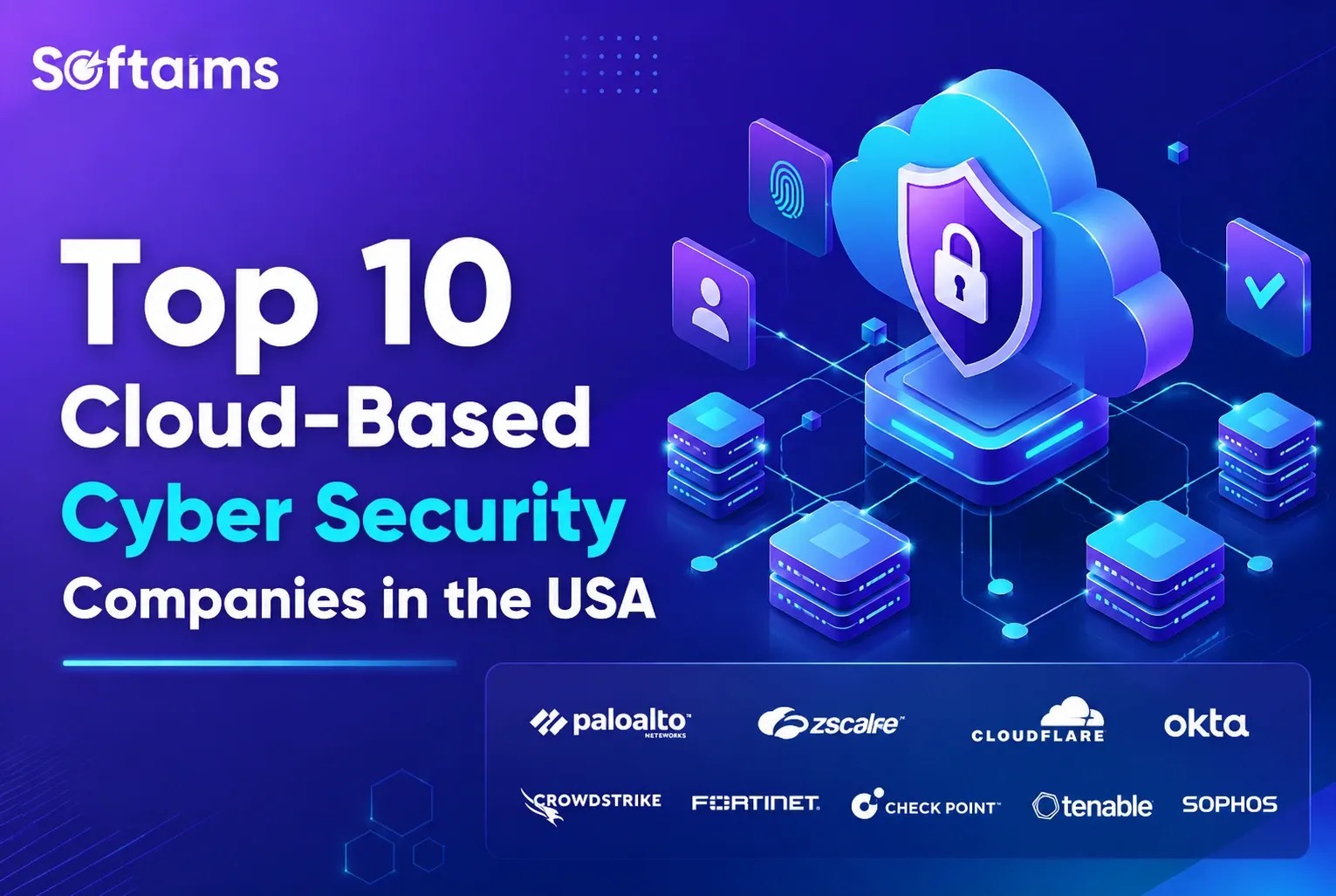
Table of contents
Key Takeaways
- Cloud is the new front line. Most serious US breaches now start in the cloud.
- Compliance runs deep. HIPAA, PCI DSS, SOC 2, and FedRAMP shape US cloud builds.
- Talent is the real barrier. The US faces a 1.2 million developer shortage.
- CNAPP is consolidating the stack. One platform is replacing many point tools.
- Identity is the new perimeter. IAM now sits at the center of cloud defense.
- Softaims closes the gap. Hire vetted, US-aligned cloud engineers fast, and own the result.
For US businesses, the cloud is now both the engine of growth and the biggest target. As workloads shift to AWS, Azure, and Google Cloud, a single misconfigured bucket can leak millions of records. So choosing among the top cloud security companies in the USA is a boardroom decision. It is no longer just an IT team's call.
The pressure is climbing on two fronts. Attacks are getting smarter, and skilled defenders are scarce. The US faces a shortage of roughly 1.2 million software professionals, which leaves many clouds under-defended. Meanwhile, the average breach keeps getting more expensive, per IBM's research. So the wrong partner is a genuinely costly gamble, in dollars and in reputation.
This guide ranks the top 10 cloud security companies in the USA for 2026. It covers the consultancies and engineering firms that design, build, and secure cloud systems for American businesses. Softaims and Devaims open the list, followed by eight recognized US specialists. If you need to build securely now, you can hire vetted cloud security engineers and keep full ownership.
How We Ranked These Cloud Security Companies
We ranked these cloud security companies on hands-on delivery, US compliance depth, and verified capability. A firm had to show real cloud engineering, not just advisory decks. Each criterion below reflects what a US buyer should demand.
Genuine US delivery. Time zones, contracts, and regulations favor a US base. Therefore, we prioritized firms that deliver in the US.
Cloud-native skill. CNAPP, CSPM, and zero trust are the modern core. As a result, we weighted hands-on cloud expertise.
US compliance depth. HIPAA, PCI DSS, SOC 2, and FedRAMP demand real experience. Consequently, we valued regulated-sector delivery.
Implementation, not just advice. Roadmaps mean little without a build. Moreover, we favored firms that ship and operate systems.
Talent access. Cloud security engineers are scarce and pricey. So we valued firms that make that skill accessible fast.
Best Cloud Security Companies in the USA: Comparison Table
The best cloud security companies in the USA for 2026 include Softaims, Devaims, Optiv, GuidePoint Security, and Coalfire. Rapid7, Caylent, Presidio, Bishop Fox, and Palo Alto Networks complete the list. This table sets them side by side.
Company | Base | Focus | Best for |
| Softaims | US and global | Hiring vetted cloud security engineers | Building and securing cloud in-house |
| Devaims | US and global | Secure cloud development, a Softaims brand | Accountable, secure builds |
| Optiv | Denver, CO | Full-spectrum security services | Enterprise security programs |
| GuidePoint Security | Herndon, VA | Practitioner-led consulting | Hands-on advisory and delivery |
| Coalfire | Westminster, CO | Compliance and FedRAMP | Regulated and government clouds |
| Rapid7 | Boston, MA | Cloud security and MDR | Detection plus managed response |
| Caylent | Seattle, WA | AWS-native cloud engineering | AWS-first builds and security |
| Presidio | New York, NY | Cloud, security, and integration | Multi-cloud enterprise projects |
| Bishop Fox | Tempe, AZ | Offensive security and testing | Pen testing and attack surface |
| Palo Alto Networks | Santa Clara, CA | Prisma Cloud platform | Enterprise platform consolidation |
Details reflect public profiles and analyst reports as of 2026 and can change, so verify each firm before you commit. Delivery and ownership models are noted where relevant.
The Top 10 Cloud Security Companies in the USA
This section profiles 10 cloud security companies in the USA for 2026. The list includes Softaims and Devaims. Each entry states the base and core strengths. So you can match a partner to your cloud, your compliance needs, and your team.
1. Softaims
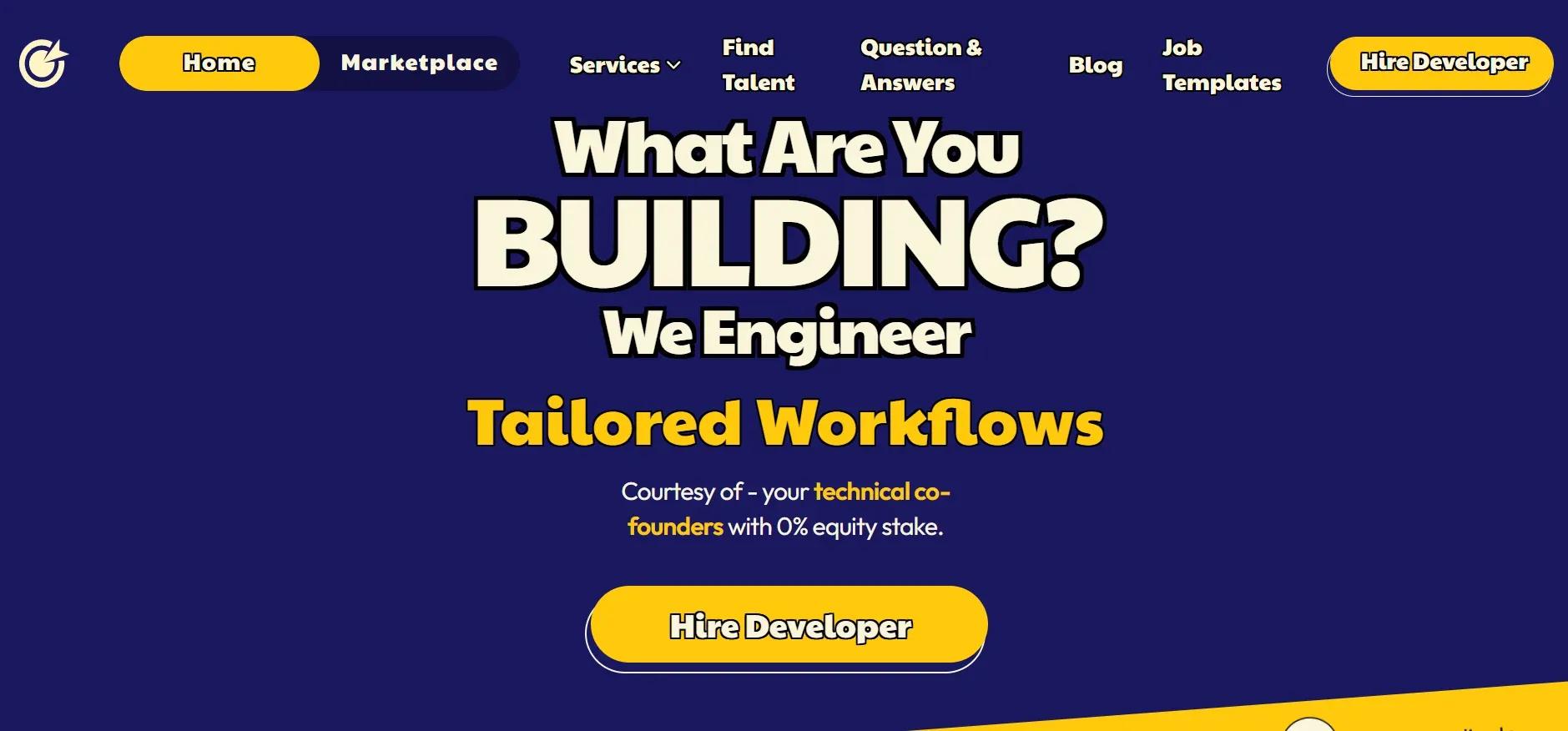
Softaims is a vetted developer marketplace for US cloud and security talent. Rather than a fixed vendor, it gives you a live bench of pre-screened engineers. You filter by skill, cloud platform, seniority, and rate, then hire in 48 hours. So you build and secure your cloud with people who ship production systems, and you own every result.
Key services of Softaims
- Cloud security engineering: hire specialists for cloud security development, from CSPM and IAM to workload protection.
- Secure cloud builds: engineers deliver cloud services with security designed in, not bolted on.
- DevSecOps and compliance: teams embed scanning, policy as code, and audit-ready controls into pipelines.
- Staff augmentation: add one engineer or a full pod, and scale as the roadmap grows.
Why they stand out
Softaims closes the real bottleneck in US cloud security: scarce, expensive talent. So instead of a long hire, you hire vetted cloud engineers fast and keep full ownership. Every engagement runs with US time-zone overlap, so decisions happen in your own working hours. Review the pricing or talk to the team to plan a build.
2. Devaims
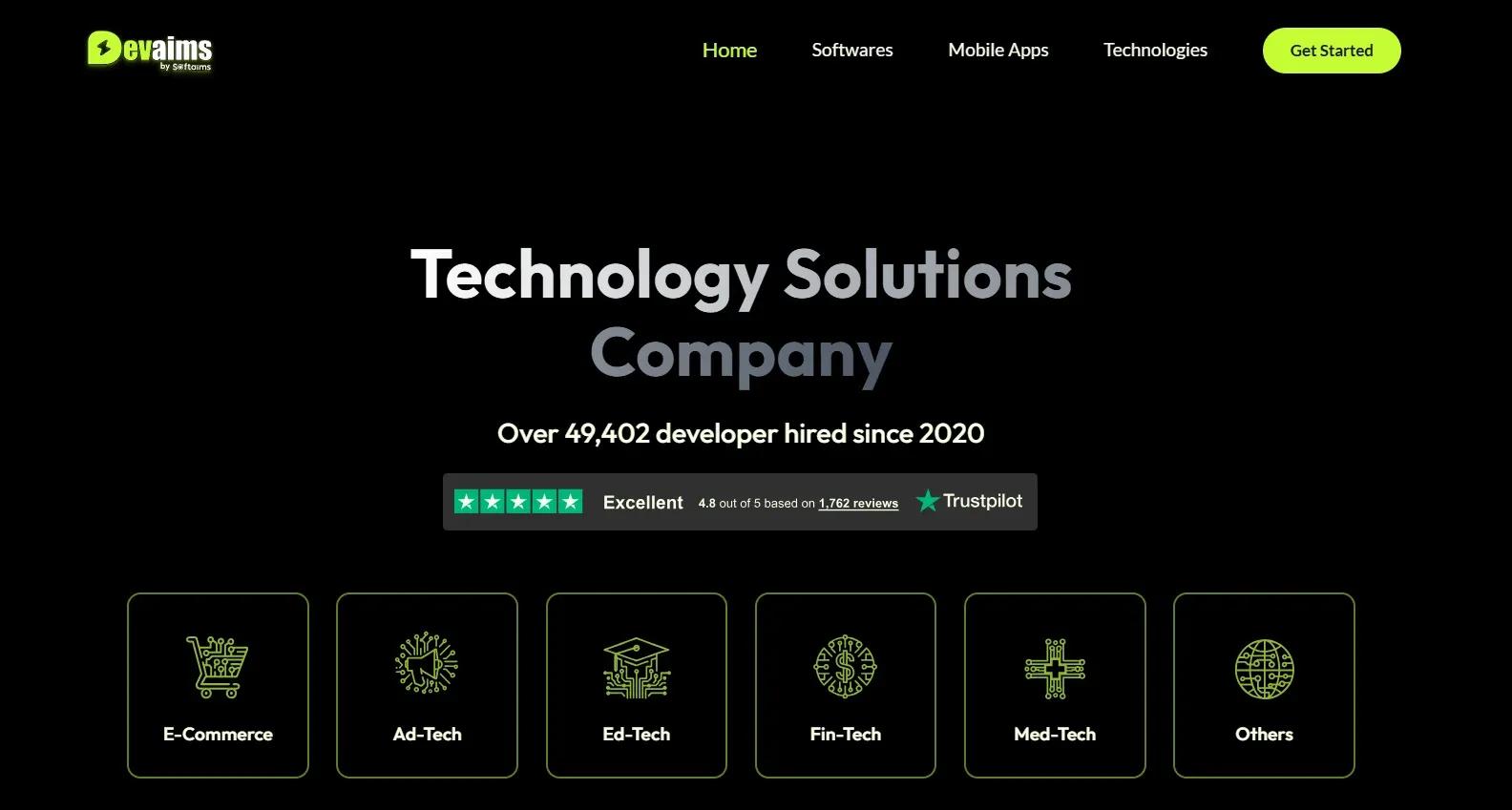
Devaims is a US-based managed delivery company and a Softaims brand. It builds secure cloud systems end to end, with security engineered in from day one. So a team without a platform group still ships a governed, production-ready cloud. It became part of Softaims after an August 2026 acquisition.
Key services of Devaims
- Secure cloud development: it delivers custom software and cloud builds with DevSecOps baked in.
- Single-team accountability: one team owns the build, the security, and the delivery date.
- Managed operations: the same team monitors, patches, and hardens the system after launch.
Why they stand out
Devaims pairs accountable US delivery with the Softaims vetted bench. So you get managed builds and on-demand security talent together. This suits teams that want a secure product on a fixed date, without stitching together separate vendors.
3. Optiv
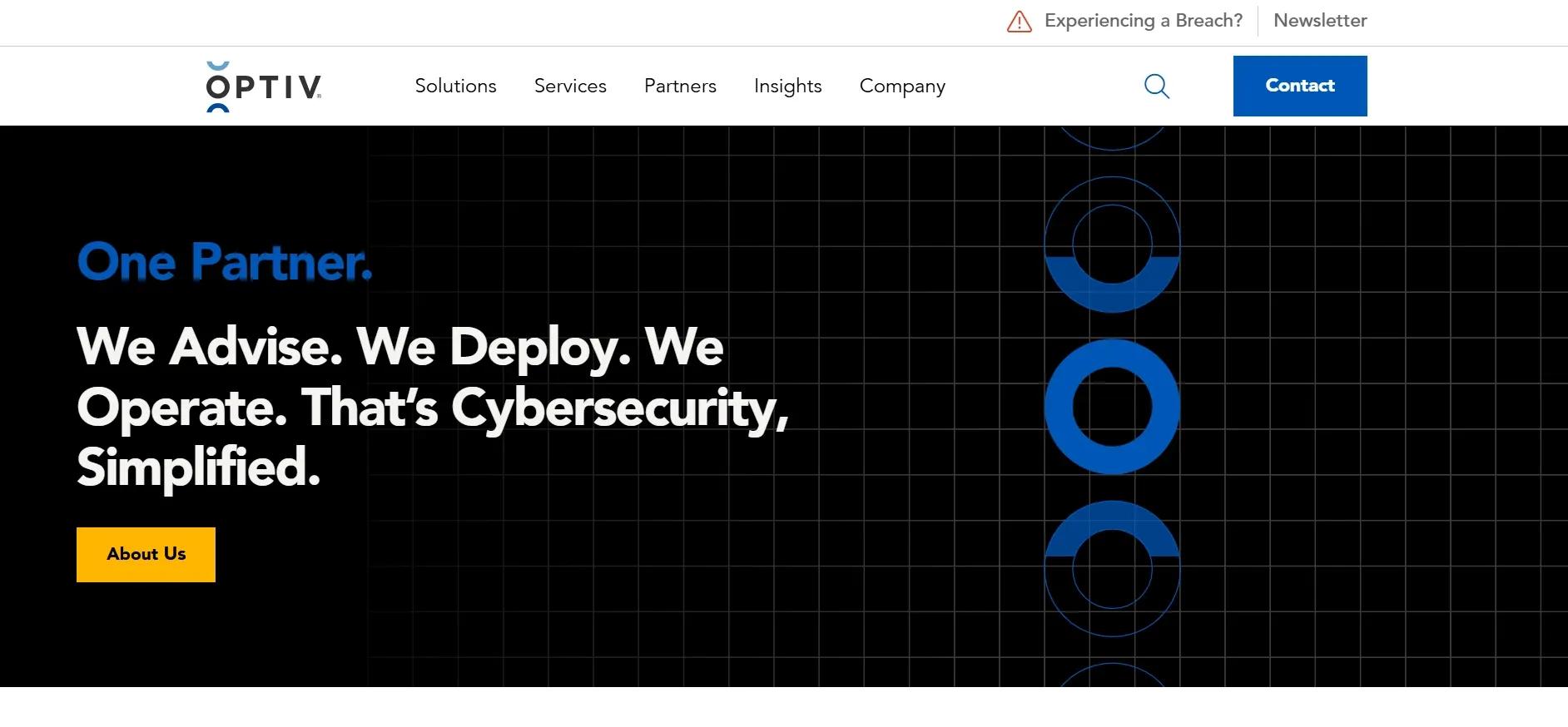
Base: Denver, Colorado.
Optiv is one of the largest cybersecurity solutions providers in North America. It pairs advisory services with a huge technology integration practice. So it suits large enterprises running broad, multi-year security transformation programs.
Why they stand out: scale and end-to-end coverage across the security stack. Among US cloud security companies, few match its integration reach. However, it also resells products, so confirm advice stays independent.
4. GuidePoint Security
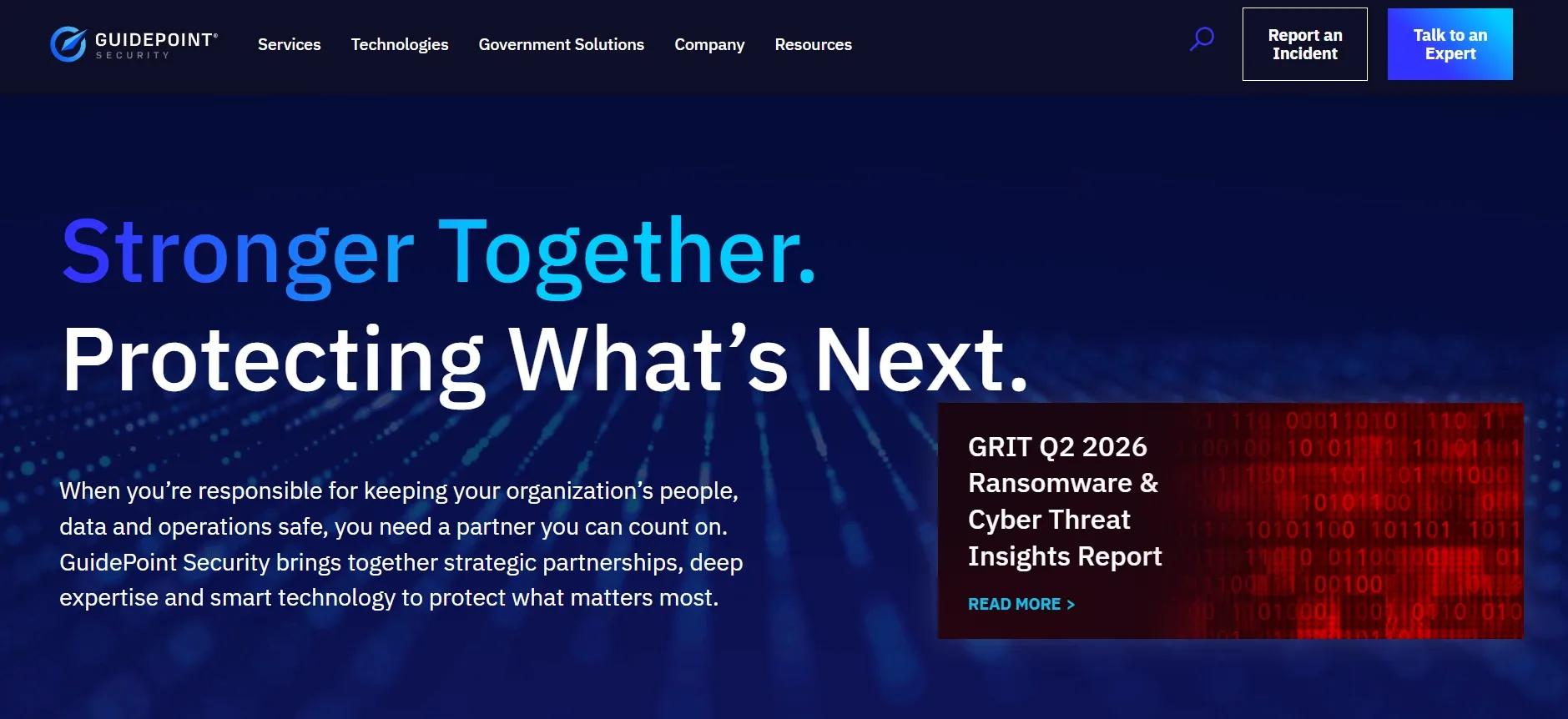
Base: Herndon, Virginia.
GuidePoint Security positions itself as a consultancy staffed by practitioners, not career consultants. Its team includes former CISOs and security architects. So it suits buyers who want hands-on, operational advice from people who have done the job.
Why they stand out: deep practitioner experience and hands-on delivery. Its former CISOs and architects bring real operational credibility to cloud work.
5. Coalfire
Base: Westminster, Colorado.
Coalfire is one of the largest dedicated cybersecurity consultancies in the US. It specializes in compliance-driven work like FedRAMP and HITRUST. So it suits regulated industries and federal government cloud programs alike.
Why they stand out: unmatched depth in compliance and attestation. Among cloud security companies, its FedRAMP and HITRUST record stands out. So it suits public-sector and heavily regulated clouds.
6. Rapid7
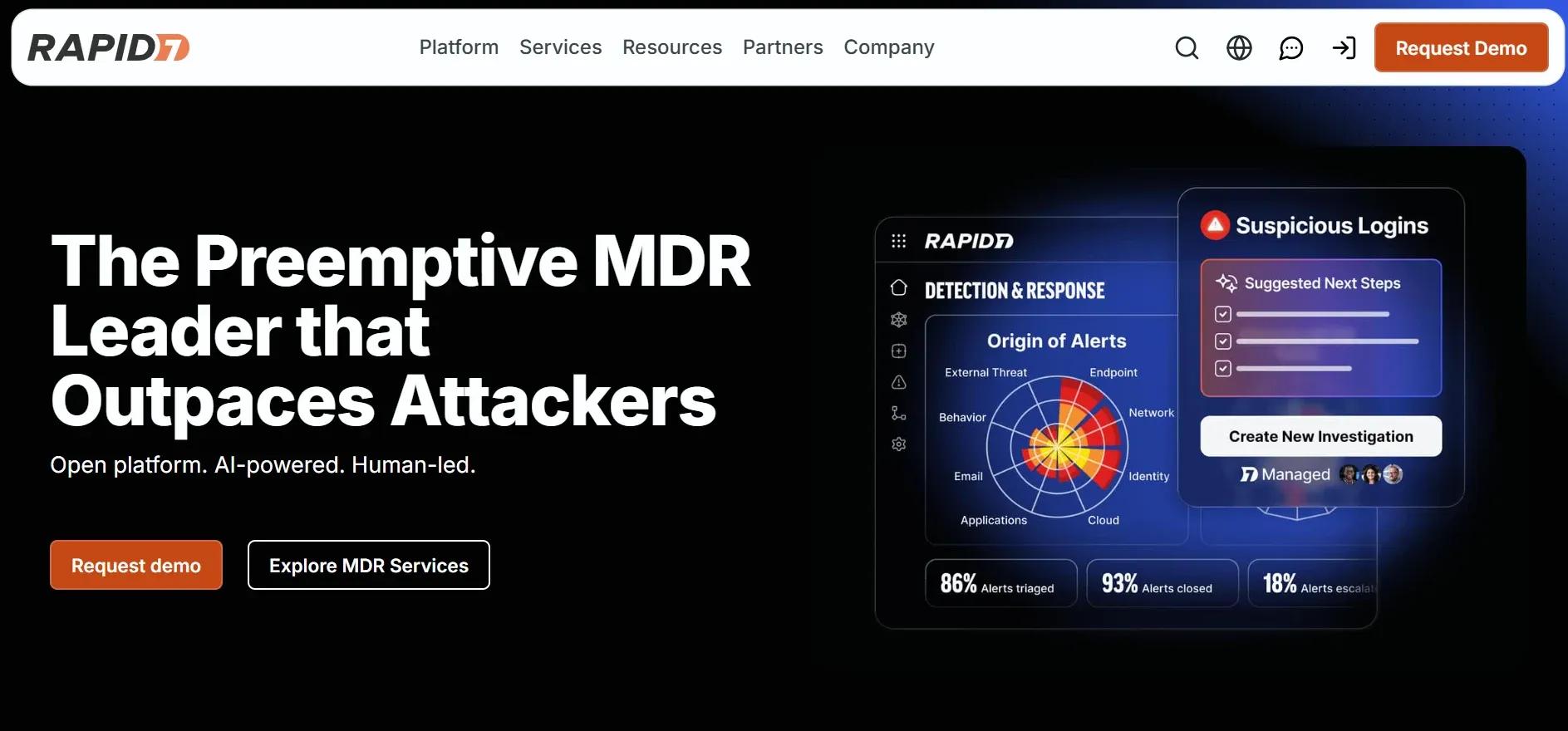
Base: Boston, Massachusetts.
Rapid7 combines cloud security products with managed detection and response. Its platform covers cloud posture, vulnerability, and threat detection. So it suits teams that want detection tooling plus a managed service in one place.
Why they stand out: a strong blend of tooling and managed response. Its cloud security tooling and MDR service pair especially well for lean, understaffed teams.
7. Caylent
Base: Seattle, Washington.
Caylent is an AWS-native cloud engineering firm with security depth. It holds AWS competencies and builds cloud-first, secure systems. So it suits AWS-heavy builds that need both delivery speed and strong security.
Why they stand out: genuine AWS-native engineering and fast delivery. Its AWS competencies suit teams standardizing on Amazon Web Services. So it fits AWS-first builds that demand both speed and strong security controls.
8. Presidio

Base: New York, New York.
Presidio delivers cloud, security, and integration across large enterprises. It is a strong cloud partner with broad platform reach. So it suits complex, multi-cloud enterprise projects that span several providers.
Why they stand out: broad integration muscle and enterprise scale. Its partnerships span AWS, Azure, and Google Cloud alike.
9. Bishop Fox
Base: Tempe, Arizona.
Bishop Fox is a premier offensive security consultancy. Its team includes published researchers and tool authors. Its Cosmos platform runs continuous attack-surface management. So it suits penetration testing and realistic adversary simulation engagements.
Why they stand out: elite offensive-security talent and continuous testing. Its offensive depth suits high-stakes, security-critical clouds that cannot afford surprises.
10. Palo Alto Networks
Base: Santa Clara, California.
Palo Alto Networks is the largest pure-play cybersecurity company. Its Prisma Cloud platform covers code-to-cloud security, containers, and cloud entitlements. So it suits large enterprises that want to consolidate many point tools onto one platform.
Why they stand out: unmatched platform breadth and analyst-leading depth. However, its enterprise pricing suits large budgets.
What Is a Cloud Security Development Company
A cloud security development company is a firm that designs, builds, and secures software running in the cloud. It engineers protection into the system from the start, rather than adding it later. So the result is a defended cloud, not a bolt-on tool.
The work spans several disciplines. It includes secure architecture, posture management, identity, and DevSecOps. In addition, it covers cloud-native application protection and compliance. Therefore, security becomes part of the build, not a final review.
These firms approach the problem from two angles. Some design and harden the cloud architecture itself. Others test it, hunt for weaknesses, and fix them. The strongest US programs combine both, backed by engineers who can act on every finding.
This differs from a pure product vendor. A product vendor sells a detection engine or a firewall. Meanwhile, a development company builds, integrates, and operates the whole secure system. So the strongest results often pair a platform with a skilled US engineering team that owns the outcome.
Core Cloud Security Services in the USA
The best cloud security companies in the USA share a core service set. It spans posture, workloads, identity, data, and application protection. So most US organizations need several of them at once.
Cloud posture management. CSPM finds misconfigurations before attackers do. As a result, the most common cloud risks shrink.
Workload protection. CWPP defends servers, containers, and serverless functions. Therefore, running workloads stay guarded.
Identity and access management. IAM controls who can reach what, and when. Meanwhile, least privilege limits the blast radius.
Data security. Encryption and monitoring protect sensitive data. So a breach exposes far less.
CNAPP. A cloud-native application protection platform unifies these controls. Consequently, teams see risk from code to cloud in one place.
DevSecOps. Security checks run inside the pipeline. In addition, this shifts protection left, before release. Teams building AI defenses often pair this with machine learning development companies for smarter detection.
US Compliance: HIPAA, PCI DSS, SOC 2, and FedRAMP
US compliance shapes how you build and secure in the cloud. The right cloud security companies deliver audit-ready systems, not just tools. So compliance belongs in the design phase, not a late-stage review.
SOC 2. Most US enterprise buyers expect a SOC 2 report before they trust a vendor. Therefore, build for it early.
HIPAA. Healthcare data needs strict access control, encryption, and audit trails. Meanwhile, penalties for breaches are severe.
PCI DSS. Card data invokes tight, tested controls. So segmentation and monitoring are non-negotiable.
FedRAMP. Selling cloud services to the US government requires FedRAMP authorization. As a result, government work needs specialized partners.
A strong US partner bakes these into pipelines from day one. Firms that also handle generative AI integration increasingly automate compliance evidence, too.
The Cloud Security Talent Gap (and How Softaims Helps)
The biggest barrier facing US cloud security companies and their clients is not tools. It is people. Skilled cloud security engineers are scarce, and the US shortage keeps growing. So even the best platform underperforms without the skilled, US-based talent to configure and run it well.
This is where a marketplace changes the equation. With Softaims, you hire vetted cloud security engineers in 48 hours, not months. You choose the exact skills, from CSPM to Kubernetes hardening, and you own the work. In addition, you can pair them with DevOps engineers and generative AI specialists as your stack grows.
So the leading platforms supply the detection engines. Softaims supplies the US-aligned people who deploy, tune, and operate them. Together, that closes the gap that leaves so many clouds exposed.
This matters most for lean teams. A single overworked engineer cannot secure a growing multi-cloud estate. So adding vetted specialists on demand keeps protection strong as the business scales.
Common Cloud Security Threats in 2026
The most common cloud security threats in 2026 are misconfigurations, identity attacks, and exposed data. The best cloud security companies defend against all three. So knowing these threats helps you scope the right partner and the right platform.
Misconfigurations. A wrong setting can expose storage or databases publicly. Therefore, posture management is the first line of defense.
Identity and access attacks. Stolen credentials open the door to the cloud. Meanwhile, weak permissions widen the blast radius.
Exposed data. Unencrypted or over-shared data leaks easily. So encryption and monitoring are essential.
Insecure APIs. Cloud apps rely on APIs, which attackers probe. As a result, API security needs constant attention.
Supply-chain risks. Vulnerable images and dependencies ship into production. Consequently, scanning must run in the pipeline.
Cloud Security Cost in the USA
Among US cloud security companies, costs vary widely by scope, cloud size, and compliance depth. Platform licenses, engineering time, and managed services all add up. So plan for the full picture, not just the tool. Compliance work, such as HIPAA or FedRAMP, adds real cost and time on top.
Platform pricing often scales with workloads, users, or data volume. Meanwhile, US cloud security engineers command premium rates, since talent is scarce. A vetted marketplace can cut that engineering cost, since you hire cloud security engineers only when you need them.
So model three costs together: the platform, the people, and the ongoing operations. In many cases, the people are the largest and most overlooked line. That is exactly where a flexible US hiring model pays off.
Cloud Security vs Traditional Security
Cloud security differs from traditional, on-premise security in a few key ways. For US cloud security companies, the perimeter is gone, and identity becomes the new boundary. So the tools and skills also differ. The leading US cloud security companies build for this new model.
Traditional security defends a fixed network edge. Cloud security defends dynamic, ephemeral workloads instead. In addition, infrastructure lives in code, which changes constantly. Therefore, security must be automated and continuous, not periodic.
This is why legacy tools struggle in the cloud. They assume a static perimeter that no longer exists. So a cloud-native approach, built on CNAPP and zero trust, protects exactly what legacy tools miss.
Industries That Depend Most on Cloud Security
The US industries that depend most on cloud security are finance, healthcare, retail, and government. Each holds sensitive data and faces strict rules. So the leading US cloud security companies tailor their controls to specific sector needs.
Financial services. Banks guard payment and account data under PCI DSS and SEC oversight. Notably, they are early adopters of zero trust.
Healthcare. Providers protect patient records under HIPAA. Meanwhile, breaches carry severe federal penalties.
Retail and eCommerce. Retailers secure payments and customer data at scale. As a result, they need elastic, always-on protection.
Government and public sector. Agencies protect citizen data under FedRAMP and CMMC. Therefore, specialized compliance depth is essential.
Technology and SaaS. Product firms secure multi-tenant cloud platforms. So workload and identity security sit at the center.
CNAPP vs Point Tools: What US Enterprises Are Choosing
US enterprises are consolidating point tools into a single CNAPP. A cloud-native application protection platform unifies posture, workloads, and identity. So teams finally see all their risk in one place, from source code to cloud runtime.
The shift is driven by complexity. Running ten separate tools creates gaps and alert fatigue. In contrast, one platform correlates signals and prioritizes real risk. Therefore, most leading cloud security companies now build around CNAPP.
However, consolidation has trade-offs. A single platform can mean a single vendor's limits. So weigh integration depth against lock-in. In many cases, a platform plus a skilled engineering team gives the best of both.
How to Engage a Cloud Security Partner
You can access cloud security three ways: a product vendor, a consultancy, or a vetted marketplace. Each fits a different need. So match the model to your team and stage.
Product vendor. You buy a platform and run it yourself. However, you still need skilled engineers to operate it.
Consultancy or managed service. A firm advises or runs security for you. Meanwhile, you trade some control for convenience.
Vetted marketplace. You hire engineers to build, deploy, and operate securely. As a result, you keep control and ownership.
For many US teams, a blend works best. Buy a strong platform, then staff it through a marketplace. So the cloud security engineers who run it are yours, without a long recruitment cycle.
How to Choose the Right Cloud Security Partner
To choose the right cloud security partner, focus on three things. Match the platform to your cloud, verify US compliance depth, and confirm the talent to run it. A tool alone secures nothing. So work through these checks.
Map your cloud estate. Confirm the partner covers your clouds and workloads. Therefore, you avoid blind spots.
Check compliance fit. Look for HIPAA, PCI DSS, SOC 2, or FedRAMP experience. As a result, audits go smoother.
Prioritize CNAPP and zero trust. These are the core patterns for 2026. Meanwhile, agentless coverage speeds deployment.
Confirm the people. A platform needs skilled engineers to run it. So secure the talent, through hiring or a marketplace.
Clarify ownership. For custom builds, confirm you own the code and configs. Moreover, avoid vendor lock-in where you can.
Why Cloud Security Projects Fail
Cloud security projects fail most often when the tool ships but nobody operates it well. The causes repeat, so each is avoidable. Learn them before you commit.
No one owns operations. A platform without skilled operators drifts. Therefore, assign clear ownership from day one.
Misconfigurations go unchecked. Posture issues pile up without monitoring. So automate CSPM and alerting early.
Identity is an afterthought. Weak access controls invite breaches. Meanwhile, least privilege limits the damage.
Security bolts on late. Adding controls after launch leaves gaps. As a result, DevSecOps must run from the start.
The common thread is people. Even the best cloud security companies cannot help if the operator lacks skill. So securing talent matters as much as securing tools. Firms building AI defenses often add LLM development talent for smarter detection.
Cloud Security Trends for 2026
The biggest cloud security trends for 2026 are CNAPP consolidation, AI-driven detection, and identity-first security. The leading US cloud security companies already build around them. So these shifts should shape your shortlist.
CNAPP consolidation. Teams replace many point tools with one platform. Gartner projects 40% of zero-trust enterprises to rely on CNAPP by 2029.
AI-driven detection. AI now spots anomalies and predicts attacks. Meanwhile, AI agents automate response.
Identity-first security. The identity perimeter is now the primary control. Therefore, IAM sits at the center of cloud defense.
Container security. Gartner expects half of enterprise apps to run in containers by 2029. So container protection becomes essential.
Multi-cloud by default. Most US companies run several clouds at once. As a result, unified, cloud-agnostic tools win.
Frequently Asked Questions
Which are the best cloud security companies in the USA?
Optiv, GuidePoint Security, and Coalfire lead the consulting market. Rapid7, Caylent, Presidio, Bishop Fox, and Palo Alto Networks round out strong options. Softaims and Devaims suit teams that want to build and staff secure cloud systems directly.
How much does cloud security cost in the USA?
It varies with scope, cloud size, and compliance. Platform licenses scale with usage, while skilled engineers command premium rates. A marketplace can cut the engineering cost by staffing only when needed.
What is FedRAMP, and do I need it?
FedRAMP is the US government's cloud security authorization program. You need it to sell cloud services to federal agencies. So selling to federal agencies requires a partner with proven FedRAMP experience and authorizations.
Do I need a platform or a development partner?
Often both. A platform supplies detection and enforcement. A development partner builds, integrates, and staffs the secure system around it.
How does Softaims help with cloud security?
Softaims lets you hire vetted, US-aligned cloud security engineers fast. You own the work and close the talent gap. So you can deploy and operate any platform with skilled people.
Who owns the code and configurations?
With a custom build, you should own all of it. Confirm ownership of the code, configs, and IP in writing. This avoids vendor lock-in later.
Conclusion
Cloud security is now the front line of business risk for US companies. The consultancies and engineering firms in this list design, build, and defend the cloud for US organizations. However, tools and advice alone secure nothing without skilled people to build and run the system. So the winners pair strong delivery with the skilled talent to build and operate it.
Before you commit, map your cloud, check compliance fit, and secure the engineers to run the stack. A verified, honest shortlist protects your data, your customers, and your reputation from the very first sprint. Would you rather build securely without the hiring wait? Then Softaims matches you with vetted, US-aligned cloud security engineers within 48 hours. To start, hire cloud engineers or get in touch.

 Stackoverflow
Gareth S.

 Verified Expert in Engineering
My name is Gareth S. and I have over 10 years of experience in the tech industry. I specialize in the following technologies: Information Security, Network Security, Microsoft Azure, Amazon Web Services, Cloud Security, etc.. I hold a degree in , . Some of the notable projects I've worked on include: Diane Money, Krown Network, Walmart, TheAA, American Marketing Association, etc.. I am based in London, United Kingdom. I've successfully completed 6 projects while developing at Softaims.
I am a dedicated innovator who constantly explores and integrates emerging technologies to give projects a competitive edge. I possess a forward-thinking mindset, always evaluating new tools and methodologies to optimize development workflows and enhance application capabilities. Staying ahead of the curve is my default setting.
At Softaims, I apply this innovative spirit to solve legacy system challenges and build greenfield solutions that define new industry standards. My commitment is to deliver cutting-edge solutions that are both reliable and groundbreaking.
My professional drive is fueled by a desire to automate, optimize, and create highly efficient processes. I thrive in dynamic environments where my ability to quickly master and deploy new skills directly impacts project delivery and client satisfaction.

Leave a Comment
Need help building your team? Let's discuss your project requirements.
Get matched with top-tier developers within 24 hours and start your project with no pressure of long-term commitment.