
Daniel Russo
ScaleUp software
Working with Softaims allowed us to quickly onboard highly skilled engineers who integrated seamlessly with our team. The experience was smooth and the results exceeded our expectations.
Video testimonial available
See pre-vetted cloud engineers with transparent hourly rates, experience, ratings, and filters to quickly shortlist the right candidates for your project.




Clients rate Softaims Cloud Engineers4.9 / 5.0 on averagebased on 13,542 reviews.
Vetted Experts
Trial-to-Hire Success Rate
Fast Candidate Matching
"Working with Softaims allowed us to quickly onboard highly skilled engineers who integrated seamlessly with our team. The experience was smooth and the results exceeded our expectations."

Daniel Russo
ScaleUp software


 Trustpilot
Explore related technologies and frameworks to find the perfect developer for your project

Softaims connects you with rigorously vetted full-time and freelance software engineers across every modern tech stack. From AI specialists to Cloud Architects, access a curated network of elite remote talent designed to scale your business.
Every Cloud Engineer in our talent pool has gone through our rigorous vetting process, so you can be confident that they will perform as well in reality as they do on paper.
Within 48 hours of your request, we send you a list of Cloud Engineers who meet your needs and who are ready to join your team as soon as you're ready.
Access top talent from around the world at competitive rates without compromising on quality or expertise. Get the best value for your hiring budget.
Make your hiring process bulletproof with our replacement guarantee. Not happy with your Cloud Engineer? We'll replace them, no charges, no questions.
Quickly find Cloud Engineers that match your requirements with our advanced filtering system. Filter by skills, experience, hourly rate, location, and more.
Whether you need a full-time team member or a freelance Cloud Engineer for a specific project, we have the right talent ready to join your team.
Trustpilot| Features | Softaims | Toptal | Upwork | Freelancers | In-house Resources |
|---|---|---|---|---|---|
Fully Compliant Developers are employed by U.S corporations | |||||
High-Quality Pre-vetted, highly trained, and skilled resources | |||||
Affordability Competitive rates without compromising quality | |||||
Try Before You Buy Test developers before committing | |||||
Secure Locations Developers work in secure and monitored environments | |||||
Highly Scalable Plug in and out developers based on your business needs | |||||
Diverse Tech Stack Broad expertise in diverse tech stack in your time zone |
ScaleUp software
Working with Softaims allowed us to quickly onboard highly skilled engineers who integrated seamlessly with our team. The experience was smooth and the results exceeded our expectations.
Video testimonial available

Ex-VP Engineering at Uber
Softaims made hiring remote developers effortless. The talent matched our requirements perfectly, and collaboration with the team was extremely efficient.
Video testimonial available

CT0 at EdAider
The Softaims platform gave us access to developers who immediately added value. Their expertise and professionalism made the entire process seamless.
Video testimonial available

Hello Median
Softaims helped us scale our engineering team quickly. The quality of the developers and the speed of onboarding were impressive.
Video testimonial available

CEO at Stads.io
Hiring through Softaims was straightforward and effective. We were able to collaborate with skilled engineers who understood our technical needs.
Video testimonial available

CEO at Onenine
Softaims provided us with experienced developers who contributed immediately to our projects. The process was efficient and the results were excellent.

CEO at Sparklaunch Media
Softaims provided us access to highly skilled remote engineers who contributed immediately. The process was efficient, and the quality of work exceeded our expectations.

CEO at Lovart
Hiring through Softaims was seamless. We were able to find developers who perfectly matched our technical requirements and collaborated effectively with our in-house team.
ScaleUp software
Working with Softaims allowed us to quickly onboard highly skilled engineers who integrated seamlessly with our team. The experience was smooth and the results exceeded our expectations.
Ex-VP Engineering at Uber
Softaims made hiring remote developers effortless. The talent matched our requirements perfectly, and collaboration with the team was extremely efficient.
CT0 at EdAider
The Softaims platform gave us access to developers who immediately added value. Their expertise and professionalism made the entire process seamless.
Hello Median
Softaims helped us scale our engineering team quickly. The quality of the developers and the speed of onboarding were impressive.
CEO at Stads.io
Hiring through Softaims was straightforward and effective. We were able to collaborate with skilled engineers who understood our technical needs.
CEO at Onenine
Softaims provided us with experienced developers who contributed immediately to our projects. The process was efficient and the results were excellent.
CEO at Sparklaunch Media
Softaims provided us access to highly skilled remote engineers who contributed immediately. The process was efficient, and the quality of work exceeded our expectations.
CEO at Lovart
Hiring through Softaims was seamless. We were able to find developers who perfectly matched our technical requirements and collaborated effectively with our in-house team.
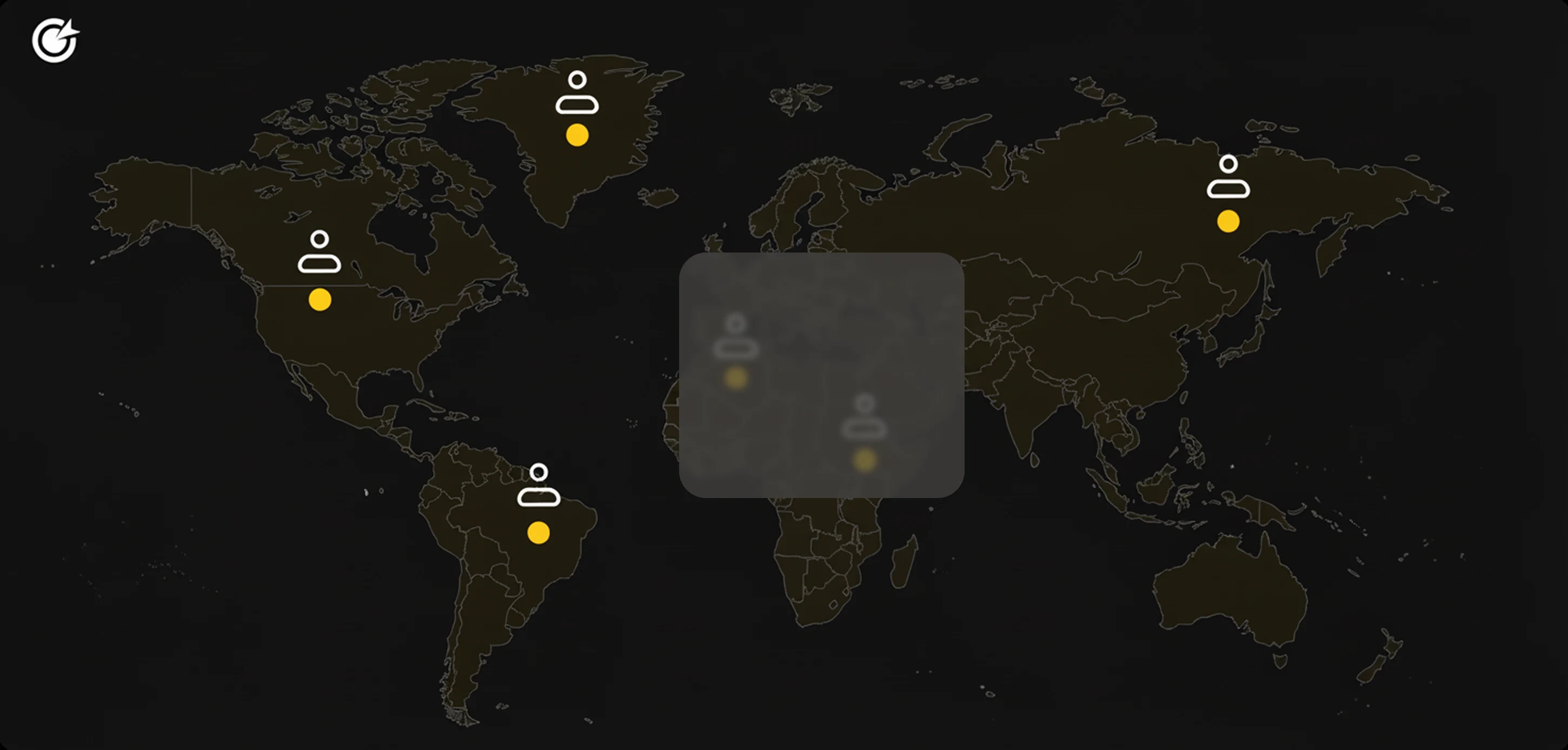
Hire Softaims talent around the world
25.1K+
Softaims cloud engineers in the world
162+
We'll help you find the perfect fit for your team. From AI specialists to Cloud Architects, access a curated network of elite remote talent designed to scale your business.
Hire Cloud Engineer
Hover over countries on the map to see the number of available developers in each location
Our industry recognition is a testament to our rigorous vetting process and the impactful digital solutions we deliver. From connecting clients with top-tier global talent to building scalable web and mobile apps, our commitment to excellence sets us apart.

Clutch Top 1000 Companies

Top Entertainment App Developers

Expertise Best Mobile App Developer

Software World Top App Development Companies

Horizon Award Gold Awards Winner

Horizon Award Silver Awards Winner

Right firms Top Mobile App Development Company

Access free Cloud Engineers job description templates, expert-curated interview questions, and comprehensive Cloud Engineers roadmap to streamline your hiring process and find the best remote Cloud Engineers for your team.
Download ready-to-use Cloud Engineers job description templates tailored for your hiring needs.
Browse comprehensive FAQs and interview questions specifically for Cloud Engineers and Cloud Engineer roles.
Explore step-by-step learning paths and skill roadmaps specifically designed for Cloud Engineers and Cloud Engineer roles.
Discover expert-curated best practices, tips, and strategies specifically for Cloud Engineer roles and hiring Cloud Engineers.
Find answers to frequently asked questions about Softaims, our hiring process, developer vetting, pricing models, and how we ensure quality talent for your projects.
Free Productivity Timer Tools
Boost your team's productivity with our free online timer tools. Perfect for Pomodoro sessions, meetings, standups, and focused work sessions. No signup required, works offline.


By Erdiansyah E.
 Verified Expert in Engineering
7 years of experience
My name is Erdiansyah E. and I have over 7 years of experience in the tech industry. I specialize in the following technologies: Solution Architecture, DevOps Engineering, Cloud Engineering, Linux System Administration, node.js, etc.. I hold a degree in Bachelor of Engineering (B.Eng.). Some of the notable projects I’ve worked on include: Mobile App, Enterprise Hotel & Traveling Booking System, Enterprise ECommerce Application. I am based in Jakarta, Indonesia. I've successfully completed 3 projects while developing at Softaims.
I'm committed to continuous learning, always striving to stay current with the latest industry trends and technical methodologies. My work is driven by a genuine passion for solving complex, real-world challenges through creative and highly effective solutions. Through close collaboration with cross-functional teams, I've consistently helped businesses optimize critical processes, significantly improve user experiences, and build robust, scalable systems designed to last.
My professional philosophy is truly holistic: the goal isn't just to execute a task, but to deeply understand the project's broader business context. I place a high priority on user-centered design, maintaining rigorous quality standards, and directly achieving business goals—ensuring the solutions I build are technically sound and perfectly aligned with the client's vision. This rigorous approach is a hallmark of the development standards at Softaims.
Ultimately, my focus is on delivering measurable impact. I aim to contribute to impactful projects that directly help organizations grow and thrive in today’s highly competitive landscape. I look forward to continuing to drive success for clients as a key professional at Softaims.
As the demand for skilled developers continues to soar in 2026, hiring cloud engineering Developers has become a critical component for companies looking to stay competitive. cloud engineering Developers are essential for crafting innovative, high-quality applications that capture the market's attention. Their expertise in modern programming practices, along with their ability to integrate the latest technologies, makes them invaluable assets to any development team.
Finding the right cloud engineering Developers can be a daunting task due to the vast pool of talent available. It requires a strategic approach that not only evaluates technical skills but also considers cultural fit and adaptability. This comprehensive guide will provide actionable insights into the hiring process, ensuring you secure top-tier cloud engineering Developers for your projects.
cloud engineering Developers are at the forefront of software innovation, bringing creative solutions to life through their deep understanding of modern technology. They are responsible for designing, developing, and maintaining applications that meet business objectives. Companies hire cloud engineering Developers to leverage their expertise in creating seamless user experiences, which is crucial for customer retention and engagement.
The dynamic nature of software development requires cloud engineering Developers to be proficient in a variety of tools and frameworks. This includes version control systems like Git, cloud platforms such as AWS, and modern development practices. These tools help developers build robust applications that can scale with business needs.
Moreover, cloud engineering Developers play a key role in integrating new features that enhance application functionality. This ability to innovate and adapt is why companies invest in cloud engineering Developers, ensuring they remain competitive in a rapidly evolving digital landscape.
In addition to technical skills, cloud engineering Developers contribute to strategic decision-making processes. Their insights into user behavior and application performance allow companies to refine their strategies, enhancing both the user experience and business outcomes. This strategic value makes cloud engineering Developers indispensable in today's tech-driven world.
When hiring cloud engineering Developers, identifying the right skill set is crucial. A proficient cloud engineering Developer should possess a strong grasp of relevant programming languages and frameworks. These form the foundation for development, enabling developers to write efficient and maintainable code.
Additionally, familiarity with integrated development environments and modern tooling is essential. Understanding architecture patterns and best practices is also important for building responsive and scalable applications. Beyond technical skills, cloud engineering Developers should have strong problem-solving abilities and experience with testing frameworks for maintaining high-quality code.
To see the detailed skill paths and learning journeys for various technologies, visit our roadmaps page
Evaluating candidates for cloud engineering Developer positions involves a multi-step process that ensures you hire the best talent. The first step is to screen resumes for relevant experience and skills. Look for candidates who have worked on projects similar to your organization's needs, as this indicates their ability to adapt to your specific requirements.
Next, conduct a technical assessment to evaluate the candidate's coding skills and problem-solving abilities. This assessment should include tasks related to cloud engineering development, such as building a small application or solving a coding challenge. Use platforms like HackerRank or LeetCode for standardized assessments.
Following the technical assessment, proceed with an interview to discuss the candidate's approach to problem-solving and their understanding of cloud engineering development best practices. This is also an opportunity to assess their communication skills and cultural fit within your team. Finally, verify references to confirm the candidate's past performance and reliability.
Conducting effective interviews is crucial for identifying the best cloud engineering Developers. Start by asking technical questions that gauge the candidate's proficiency in relevant programming languages and tools. These questions should reveal their depth of understanding and practical experience.
In addition to technical questions, behavioral questions can provide insights into the candidate's problem-solving skills and ability to work in a team. Questions like "Describe a time when you faced a challenging bug and how you resolved it" can reveal how the candidate approaches complex issues. It's also important to assess the candidate's understanding of design principles and best practices.
Finally, incorporate scenario-based questions to evaluate how candidates would handle real-world challenges. For example, "Imagine you need to optimize an application's performance; what steps would you take?" These questions help determine the candidate's ability to apply their knowledge effectively.
For more detailed insights into our hiring process and answers to common queries, please visit our dedicated FAQ page: faqs
Identifying potential red flags during the interview process can prevent costly hiring mistakes. One major red flag is a lack of understanding of core concepts. Candidates who struggle to explain fundamental principles or fail to demonstrate knowledge of common tools and frameworks may not have the necessary expertise for senior-level work.
Another red flag is poor problem-solving skills. If a candidate cannot articulate a clear process for addressing bugs or optimizing performance, they may not be able to handle the complexities of modern software development. Similarly, an inability to provide examples of past work or projects can indicate a lack of practical experience.
Communication skills are equally important. Candidates who struggle to explain their thought process or fail to engage in meaningful discussions about technical challenges may find it difficult to collaborate effectively within a team. Ensure that candidates demonstrate the ability to communicate complex ideas clearly and concisely.
Be cautious of candidates who show a lack of enthusiasm or passion for cloud engineering development. This can manifest as vague or non-specific answers to questions about their interest in the technology or their favorite projects. Passionate developers are more likely to stay motivated and contribute positively to your organization.
Finally, watch for candidates who cannot accept feedback or seem defensive when discussing areas for improvement. A growth mindset is essential for developers who need to continuously learn and adapt in the fast-paced tech industry.
Understanding the cost of hiring cloud engineering Developers is essential for budgeting and resource allocation. Salaries can vary significantly based on location, experience, and the complexity of the projects involved. Companies need to be aware of the average salary ranges to attract top talent while remaining financially sustainable.
In 2026, the cost of hiring cloud engineering Developers continues to reflect global economic trends and the demand for skilled professionals. The following table provides an overview of average salaries for developers across different countries, helping you make informed decisions when planning your hiring strategy.
| Country | Average Salary (USD) |
|---|---|
| United States | $110,000 - $150,000 |
| United Kingdom | $85,000 - $120,000 |
| Canada | $80,000 - $115,000 |
| Australia | $90,000 - $130,000 |
| Germany | $75,000 - $110,000 |
| Switzerland | $120,000 - $160,000 |
| India | $25,000 - $45,000 |
| Singapore | $70,000 - $100,000 |
| Israel | $85,000 - $125,000 |
| Japan | $65,000 - $95,000 |
Deciding between hiring dedicated cloud engineering Developers and freelance cloud engineering Developers depends on your project's scope and long-term goals. Dedicated cloud engineering Developers are ideal for projects requiring ongoing development and maintenance. They provide consistent support and are often more aligned with the company's culture and objectives.
On the other hand, freelance cloud engineering Developers can be a cost-effective solution for short-term projects or specific tasks. They offer flexibility and can be hired on a project-by-project basis, which is beneficial for companies with fluctuating workloads. However, managing freelancers can be challenging, particularly if the project requires extensive collaboration and communication.
Platforms like developers offer both dedicated and freelance cloud engineering Developers, providing businesses with the flexibility to choose the model that best suits their needs. It's crucial to assess the complexity and duration of your project when determining which type of developer to hire.
Ultimately, the decision should be based on a thorough analysis of your project's requirements, budget, and timeline. Consider factors such as the need for ongoing support, the level of expertise required, and the importance of seamless integration with your existing team.
Implementing best practices in your hiring process can significantly improve the quality of cloud engineering Developers you bring on board. Start by clearly defining the role and responsibilities, ensuring candidates understand the expectations and objectives of the position. This clarity helps attract candidates who are genuinely interested and qualified.
Utilize structured interviews to maintain consistency and fairness. Standardizing interview questions and assessment criteria allows for objective evaluation of candidates, reducing bias and ensuring a focus on relevant skills and experiences. Incorporate practical tests and coding challenges that reflect real-world scenarios, providing insights into how candidates approach problem-solving.
Engage with potential hires through professional networks and platforms such as LinkedIn. This not only expands your reach but also gives you access to passive candidates who may not be actively seeking new opportunities but possess the skills you need. Building relationships with industry leaders and influencers can also help identify top talent.
Finally, offer competitive compensation packages and career development opportunities. Highlighting growth potential and an attractive work environment can differentiate your company from competitors, attracting top-tier cloud engineering Developers.
Staying updated with the latest trends in cloud engineering development is crucial for hiring the right talent. In 2026, emerging technologies such as artificial intelligence, machine learning, and cloud-native development are reshaping the landscape. Developers are increasingly required to incorporate these technologies into applications to meet evolving user demands.
Another trend is the growing focus on application security and data privacy. As cyber threats become more sophisticated, cloud engineering Developers must prioritize secure coding practices and implement robust security measures. This includes following OWASP guidelines to protect against vulnerabilities.
The rise of serverless architecture and microservices is also influencing development practices, enabling faster and more efficient application deployment. Developers need to optimize applications to leverage these modern architectures. Additionally, the continued emphasis on user experience design highlights the importance of developers who are skilled in crafting intuitive and engaging interfaces.
DevOps and continuous integration/continuous deployment (CI/CD) practices continue to gain importance, with tools like GitHub Actions and Docker becoming essential for modern development workflows.
Hiring cloud engineering Developers through Softaims offers numerous benefits, particularly in terms of quality assurance and time savings. Softaims provides access to the top 3% of cloud engineering Developers worldwide, ensuring you get skilled professionals who can hit the ground running.
The rigorous vetting process at Softaims includes technical assessments, code reviews, and soft skills evaluation. This comprehensive screening ensures that developers not only have the technical expertise but also the communication skills and professionalism required for successful collaboration.
Softaims offers flexible engagement models, allowing you to hire developers on a full-time, part-time, or project basis. This flexibility is valuable for companies with varying project needs and budgets. The platform also provides a risk-free trial period, giving you the opportunity to evaluate the developer's fit before making a long-term commitment.
With competitive rates and transparent pricing, Softaims makes it easy to budget for your development needs. The platform handles administrative tasks such as contracts and payments, allowing you to focus on your core business objectives while building your development team.
In conclusion, hiring cloud engineering Developers in 2026 requires a strategic approach that balances technical proficiency with cultural fit and adaptability. By understanding the key skills, interview techniques, and market trends outlined in this guide, companies can make informed decisions to attract and retain top talent. As the demand for skilled developers continues to grow, investing in a thorough hiring process will be crucial for staying competitive in the market. Whether you choose to hire dedicated developers or freelancers, platforms like Softaims can help streamline your hiring process and connect you with pre-vetted, experienced cloud engineering Developers ready to contribute to your projects from day one.


 Github
 Stackoverflow