React Tutorials & Guides
Softaims is the premier resource for building world-class engineering teams. Featuring actionable hiring guides, technical tutorials for the top 3% of talent, and deep insights into React and the software trends shaping the global digital economy.

Browse by Category


Featured posts
React Hooks Explained: useState, useEffect, and Custom Hooks
React Hooks replaced class components as the standard way to manage state and side effects in React. But knowing the API is not the same as knowing how to use React Hooks well. This guide covers all you need to learn about React hooks.




ReactJS for Absolute Beginners: Complete Guide 2026
React powers nearly 70% of JavaScript-framework websites and remains the most in-demand frontend skill in 2026, yet starting from zero still feels overwhelming. This hands-on guide breaks down every foundational concept for you.


React vs Angular vs Vue: Which Framework Should You Choose in 2026
In 2026, React, Angular, and Vue have become technical peers, shifting the choice from performance benchmarks to team strategy. Success now depends on matching a framework's structure to your hiring goals and long-term maintenance needs.

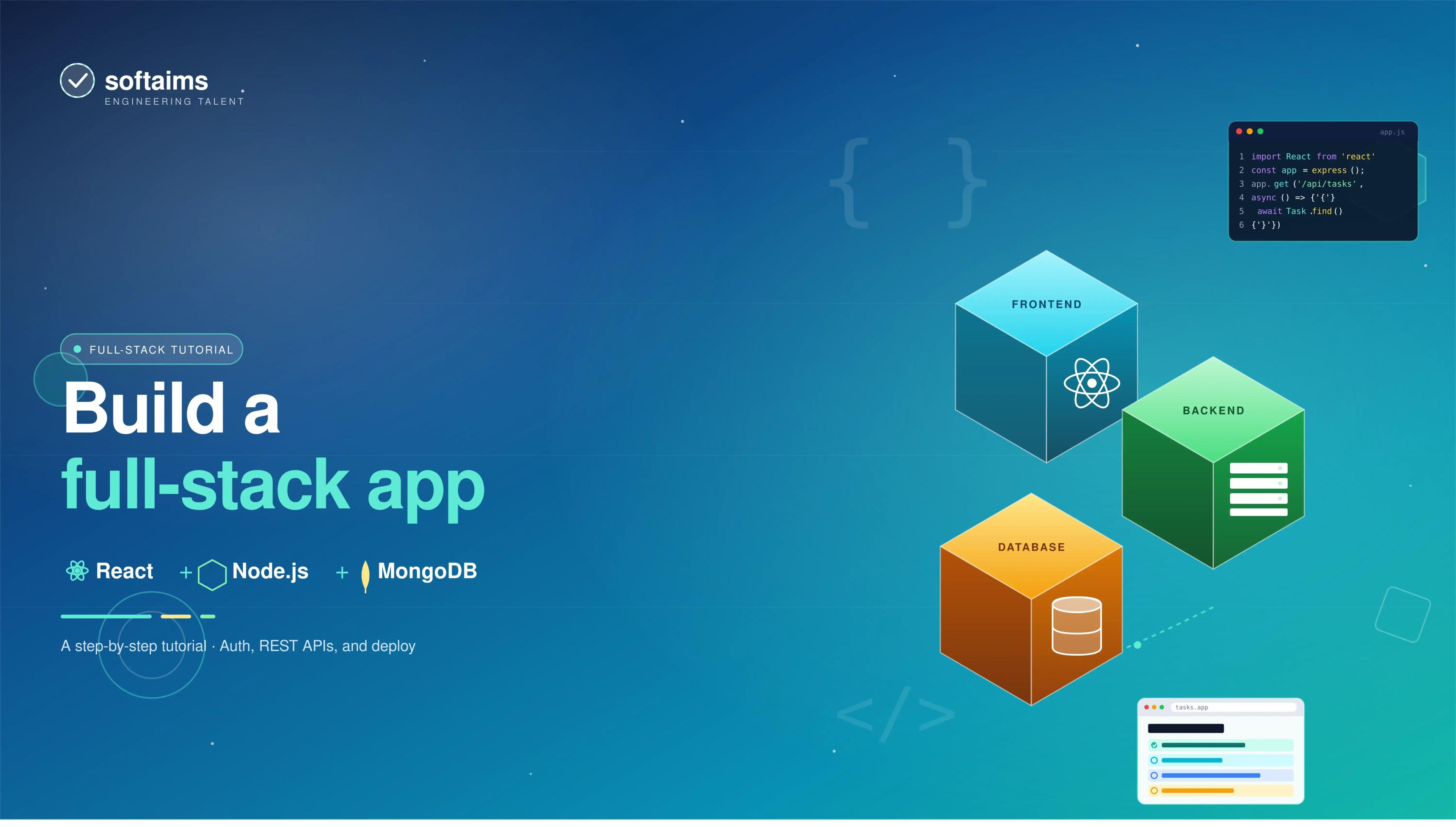
How to Build a Full-Stack React App with Node.js Backend (Step by Step)
Learn how to build a complete full-stack task manager from scratch using React, Node.js, Express, and MongoDB. Includes JWT auth and deployment.

React 19 Complete Guide: Server Components, Actions & Concurrent Features (2026)
React 19 is the most significant release in the framework's history. Here's what changed, what it means for your codebase, and how to migrate without breaking production.


TypeScript + React in 2026: Type-Safe Patterns Every Production App Needs
TypeScript is now the default for React. But most codebases use it defensively — typing props and calling it done. Here are the patterns that make TypeScript actually earn its keep.



React Performance Optimization in 2026: Advanced Techniques Beyond Basic Memoization
useMemo and useCallback are not a performance strategy. Here's what actually makes React apps fast in 2026 — from Server Components to bundle analysis to Suspense-driven streaming.


React Testing Strategy in 2026: Unit, Integration & E2E with Vitest & Playwright
Most React codebases are either under-tested or tested in ways that don't catch real bugs. Here's a practical testing strategy that gives you confidence without slowing down development.

Scalable React Architecture in 2026: Patterns Senior Developers Actually Use
Most React architecture advice breaks down at 50+ components. Here are the patterns senior developers use to keep large React codebases maintainable as teams and features grow.



React vs. Angular vs. Vue in 2026: Which Framework is the Right Choice for Your Project?
Choosing a frontend framework in 2026? We compare React, Angular, and Vue across performance, scalability, and talent availability to help you pick the right stack.


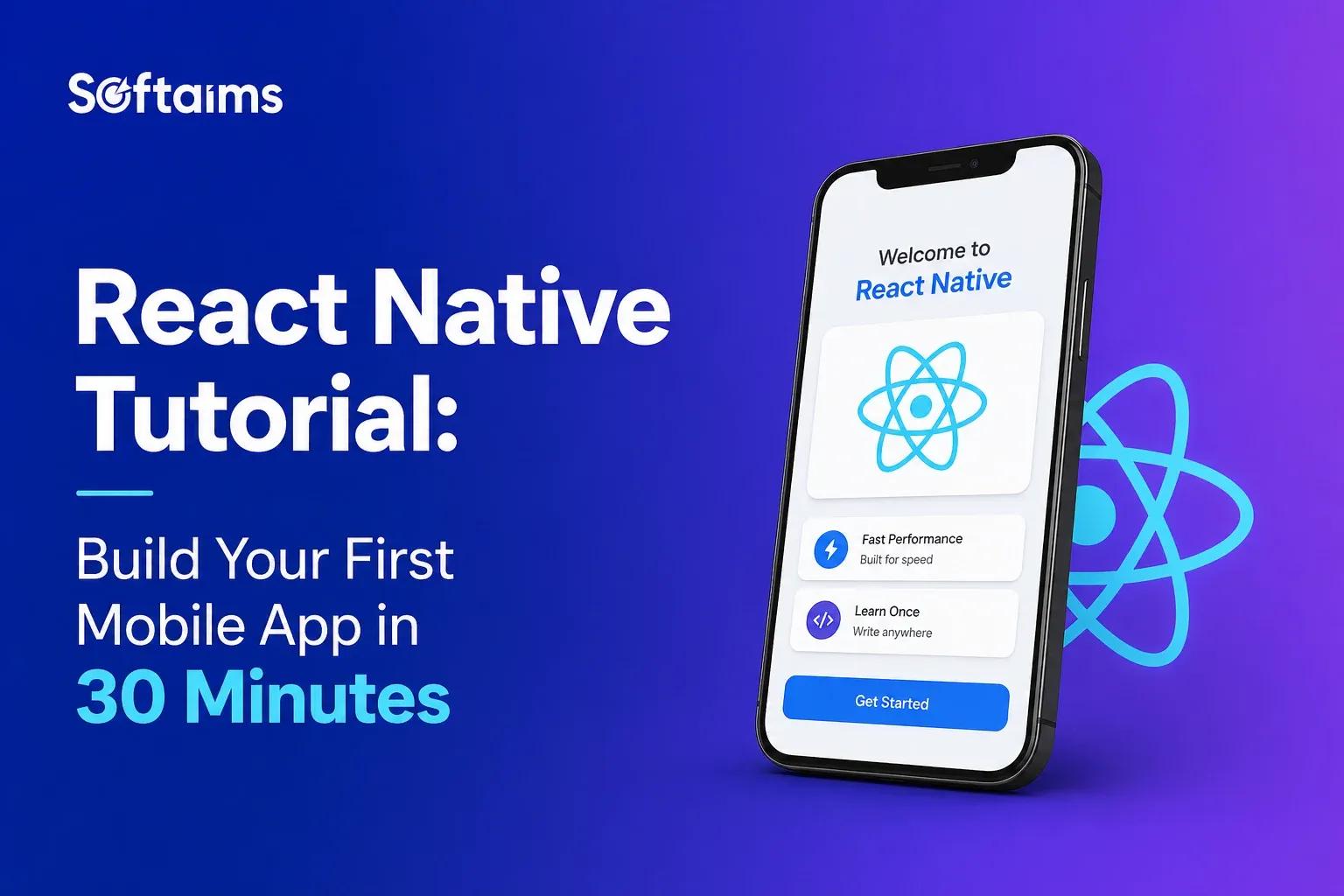
React Native Tutorial: Build Your First Mobile App in 30 Minutes
You already know React and JavaScript. That means you are closer to building mobile apps than you think. This tutorial walks you through building a working notes app with React Native and Expo, covering everything.


Editor's Picks
Top 10 Healthtech Compliance Companies In The World (2027)
Navigating healthtech compliance is critical. This guide shortlists 2027’s top compliance partners, combining automated software, expert consultancies, and compliance-ready engineering talent to protect data and speed up audits.


Top 10 Healthtech Compliance Companies In The USA (2027)
Navigating US healthtech compliance is critical. This guide shortlists 2027’s top American compliance partners, combining automated software, expert consultancies, and compliance-ready engineering talent to protect data and speed up audits.


Top 10 Healthtech Compliance Companies In UK (2027)
Navigating UK healthtech compliance is critical for NHS adoption. This guide shortlists 2027’s top UK partners, combining automated software, expert consultancies, and compliance-ready talent for DSPT, DTAC, and UK GDPR success.