Top 10 API Development and Management Companies in the USA
APIs connect apps, platforms, data, and AI systems, making reliable API development essential for modern businesses. In this guide, we cover 10 API development and management companies in the USA, their key services, expertise, and what they offer.
Table of contents
Key Takeaways
- APIs power modern software. US businesses rely on them to connect apps, services, data, and AI systems.
- The market is growing. API management is projected to reach $22 billion by 2031.
- Tools need skilled engineers. An API gateway cannot replace good API design and development.
- Security matters. APIs are a major attack surface and need strong security practices.
- Talent can be hard to find. Experienced API engineers can be expensive and difficult to hire.
- SoftAims helps fill the gap. Hire vetted API developers quickly while keeping control of your project.
Behind almost every American app, integration, and AI agent sits an API quietly doing the heavy lifting. When those APIs are fast, secure, and well-governed, the whole business hums along. When they are slow, exposed, or sprawling, everything downstream quietly suffers. So the API development companies you pick to build and manage them shape far more than a technical layer. It shapes how quickly you ship and how safely you scale. It also shapes how easily partners and customers can plug into what you have built.
The US sits at the center of this shift. The country holds the largest share of the global API management market. That sector is worth around $10 billion in 2026 and climbing toward $22 billion by 2031. Meanwhile, American enterprises now run thousands of APIs apiece. A single Google platform handles over two trillion calls a month. So for US firms in 2026, choosing the right API development companies has become a genuine strategic call.
This guide ranks the top 10 API development and management companies in the USA for 2026. It spans the platforms that secure and scale APIs, plus the partners who help you build and staff the work. Softaims and Devaims open the list, followed by eight recognized American leaders. If your real bottleneck is talent, you can hire vetted API developers within 48 hours and stay fully in control.
How We Ranked These API Development Companies
We ranked these API development companies on production scale, genuine US delivery, and real results. A firm had to prove it powers real APIs at scale, not just in demos. Each measure below reflects what an American buyer should demand.
Production scale. Real platforms run billions of calls reliably. So we favored proven, high-volume delivery.
Security and governance. APIs are a leading US attack surface. Consequently, we weighted strong security and policy control.
Developer experience. Good tooling speeds every team that consumes an API. As a result, we valued clean developer portals.
Lifecycle coverage. The best span design, build, deploy, and monitor. Meanwhile, we prized full-lifecycle capability.
People and delivery. Platforms need skilled engineers to run them. Therefore, we valued firms that make that talent reachable.
Top US API Development Companies: Comparison Table
The top API development and management companies in the USA for 2026 include Softaims, Devaims, Postman, and Kong. MuleSoft, Apigee, IBM API Connect, Boomi, AWS API Gateway, and Azure API Management complete the list. This table gives the fast overview.
Company | Base | Focus | Best for |
| Softaims | US and global | Hiring vetted API developers | Building and staffing APIs |
| Devaims | US and global | Full API product delivery | Accountable API builds |
| Postman | San Francisco, CA | API platform and tooling | Design, test, collaboration |
| Kong | San Francisco, CA | API gateway and management | High-performance gateways |
| MuleSoft | San Francisco, CA | Integration and API management | Enterprise integration |
| Apigee | Google Cloud, CA | Enterprise API management | Large-scale API programs |
| IBM API Connect | Armonk, NY | Full API lifecycle | Regulated enterprises |
| Boomi | Chesterbrook, PA | Integration and API management | Connecting apps and data |
| AWS API Gateway | Seattle, WA | Cloud-native API gateway | AWS-first workloads |
| Azure API Management | Redmond, WA | Cloud API management | Microsoft-stack estates |
Details reflect public profiles and market data as of 2026 and can change, so confirm each firm before you engage. Categories are noted to aid comparison.
The Top 10 API Development and Management Companies in the USA
Finding the right API partner depends on what you need to build, integrate, or manage. Some companies focus on custom API development and integrations, while others provide API management platforms for security, monitoring, and lifecycle management.
This list covers top 10 API development and management companies in the USA, including software development firms and API platforms. We look at their core services, technical expertise, and the types of projects they support, so you can narrow down the options for your API requirements.
1. Softaims
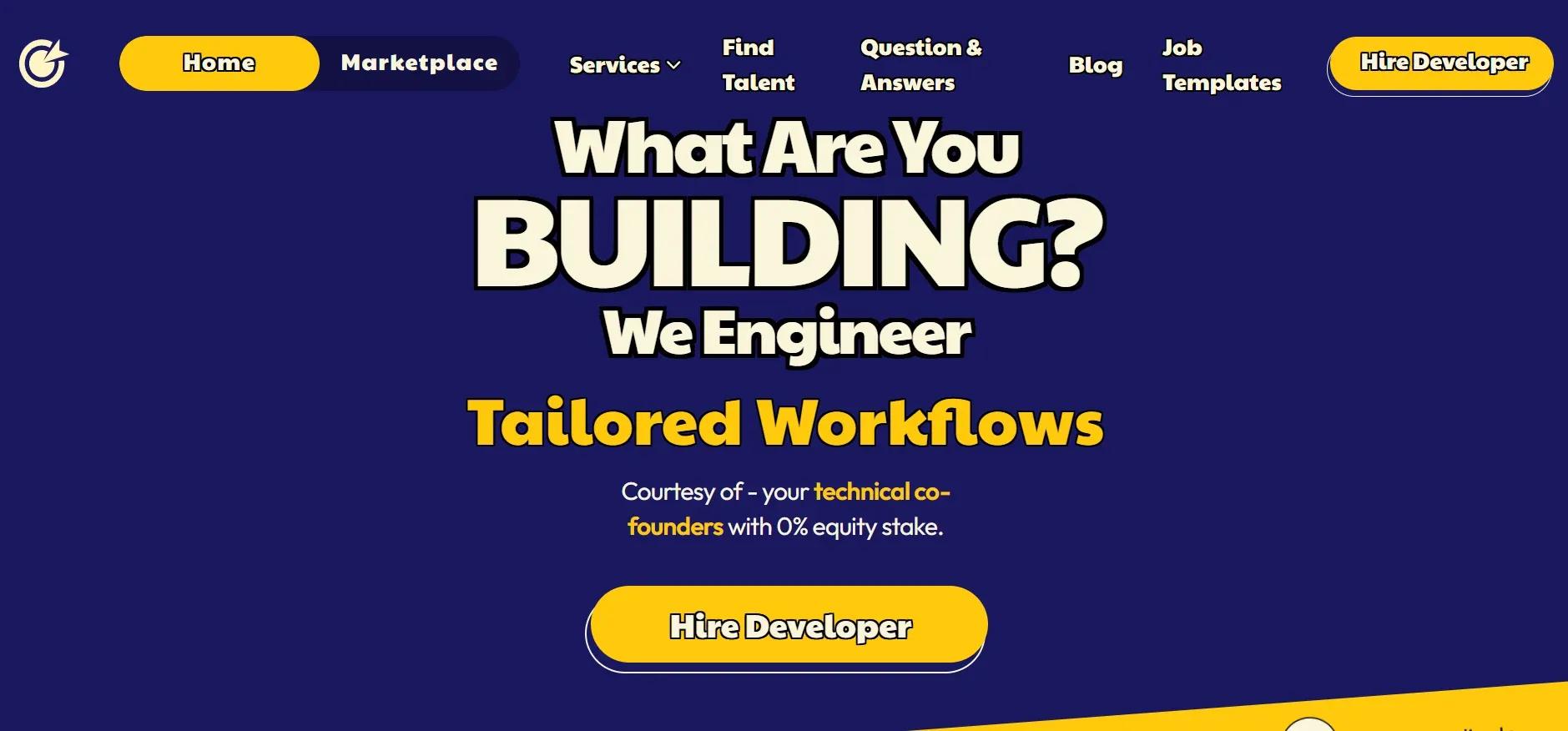
Building a reliable API takes more than choosing an API gateway or management platform. You need engineers who understand API architecture, backend systems, security, testing, and production deployments.
That is where SoftAims fits in. It gives businesses access to pre-vetted API and backend developers with experience across modern API technologies and frameworks. Companies can filter developers by skills, experience, rates, and other project requirements before deciding who to interview. SoftAims says it can provide API developer matches within 48 hours.
This model can be useful for companies that need API development expertise without spending months building a technical hiring pipeline. Developers can work directly with your existing team, while you retain management control over the project. Clients also retain 100% of the intellectual property rights to the work produced by the developer.
SoftAims covers more than basic API development. Its API engineering capabilities include RESTful API design, GraphQL development, API testing, performance optimization, legacy API modernization, security, documentation, and integration work.
Key services of SoftAims
- API development: Hire vetted API developers for REST, GraphQL, API design, testing, and implementation.
- Backend engineering: Build the backend services, databases, and business logic that power your APIs.
- API integration: Connect internal systems, third-party platforms, and external services through reliable API integrations.
- API testing: Improve API reliability with automated testing, performance checks, and quality assurance.
- DevOps and cloud: Support API deployments, infrastructure, monitoring, and ongoing delivery with DevOps implementation.
- AI and APIs: Connect APIs with machine learning and generative AI integration.
Why they stand out
SoftAims focuses on the engineering talent behind API development, rather than just the API management tools themselves. Businesses can access pre-vetted developers, review candidates based on project requirements, and add technical talent without building the entire hiring process internally.
For companies looking to scale API development, modernize legacy systems, or connect multiple platforms, this provides a flexible way to add experienced engineers to an existing team.
To get started, hire API developers, review SoftAims pricing, or contact the team.
2. Devaims
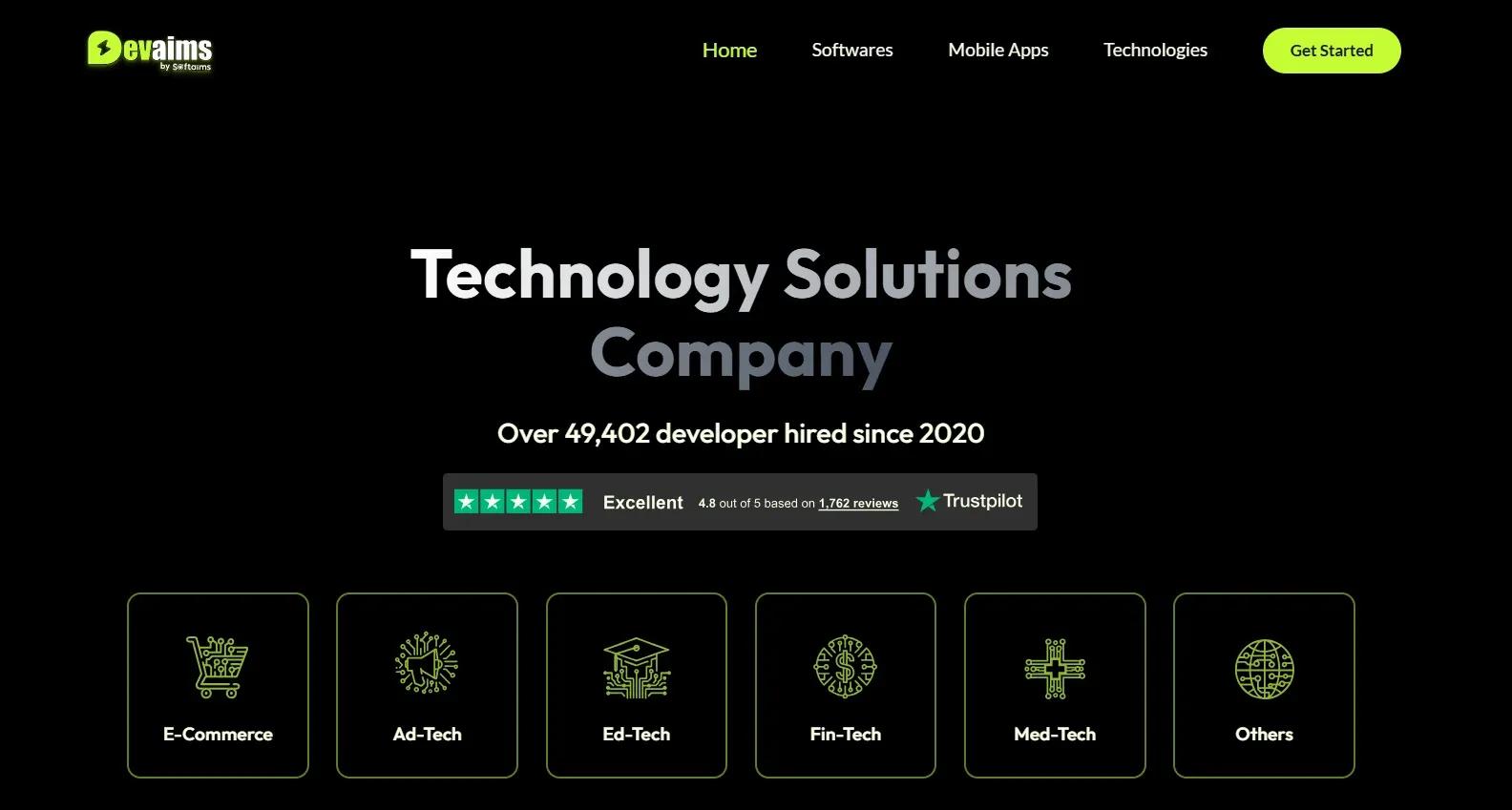
Sometimes you do not need to hire and manage individual API developers. You need a team that can take an API project from an initial idea to a working product.
Devaims provides managed software development for businesses that want one team handling the technical delivery. Its work can cover API development, backend systems, integrations, and the wider product infrastructure needed to take an application from concept to launch.
This approach can be useful for companies that want a dedicated delivery team instead of coordinating multiple developers, agencies, and technical vendors. Devaims handles the development work while the client remains involved in the key product and business decisions.
Key services of Devaims
- API development: Design and build APIs that connect applications, databases, platforms, and third-party services.
- Software development: Custom software development for businesses building new products or modernizing existing systems.
- Mobile app development: Mobile app development for iOS and Android products that connect with APIs and backend services.
- API integration: Connect internal systems, third-party tools, payment platforms, and other business applications.
- Ongoing development: Continue improving, maintaining, and scaling software after the initial launch.
Why they stand out
Devaims is a fit for businesses that want managed software delivery rather than individual developers. Its broader development capabilities also make it useful for API projects that are part of a larger web or mobile application.
For businesses looking for a team to handle development from planning through launch, visit Devaims or contact the team.
3. Postman
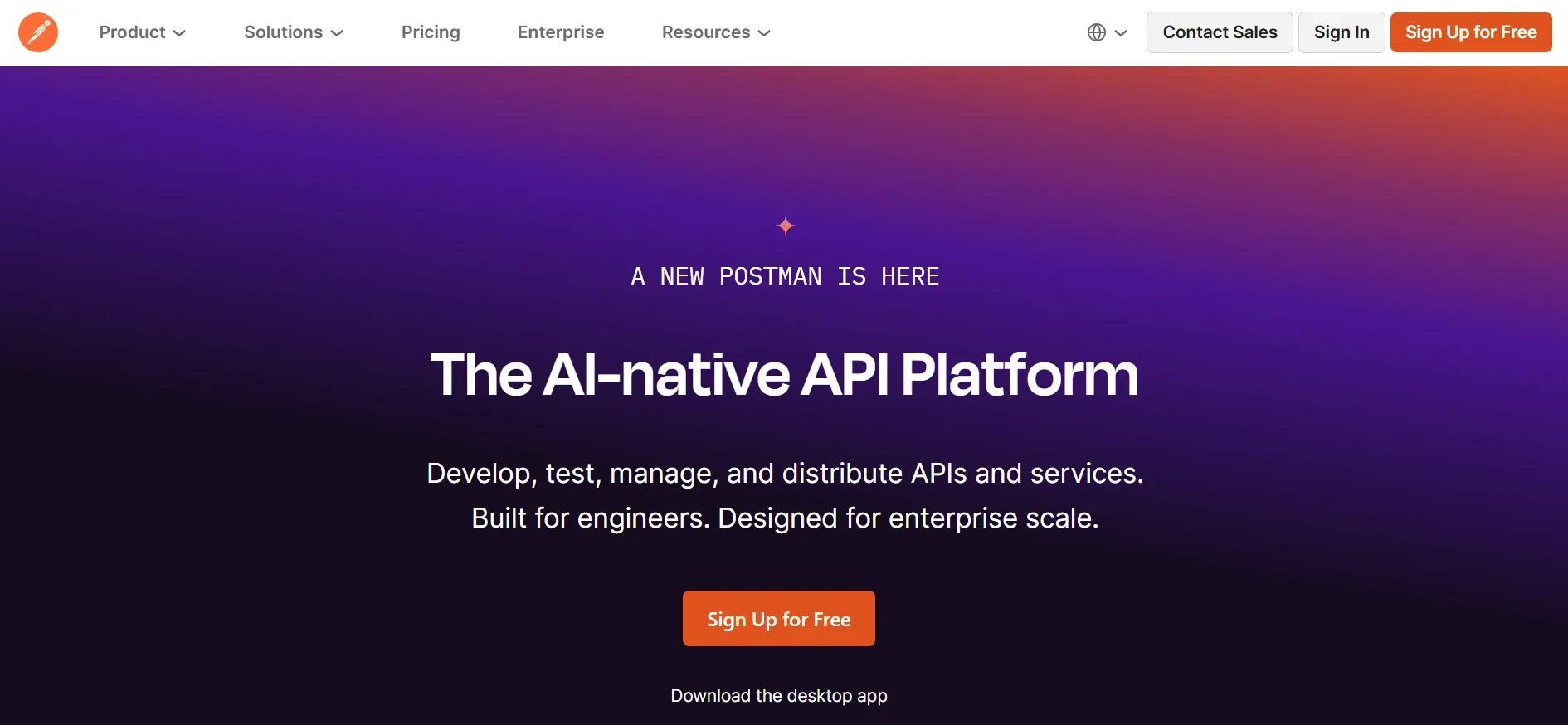
Base: San Francisco, California.
Postman is the most widely used API platform on earth, trusted by millions of developers. It handles API design, testing, documentation, and collaboration in one place. So it suits US teams wanting one shared home for the entire API workflow, from first draft to live docs.
Why they matter: unrivaled developer adoption and a complete toolset. Among API development companies, its collaboration features speed every team that touches an API.
4. Kong
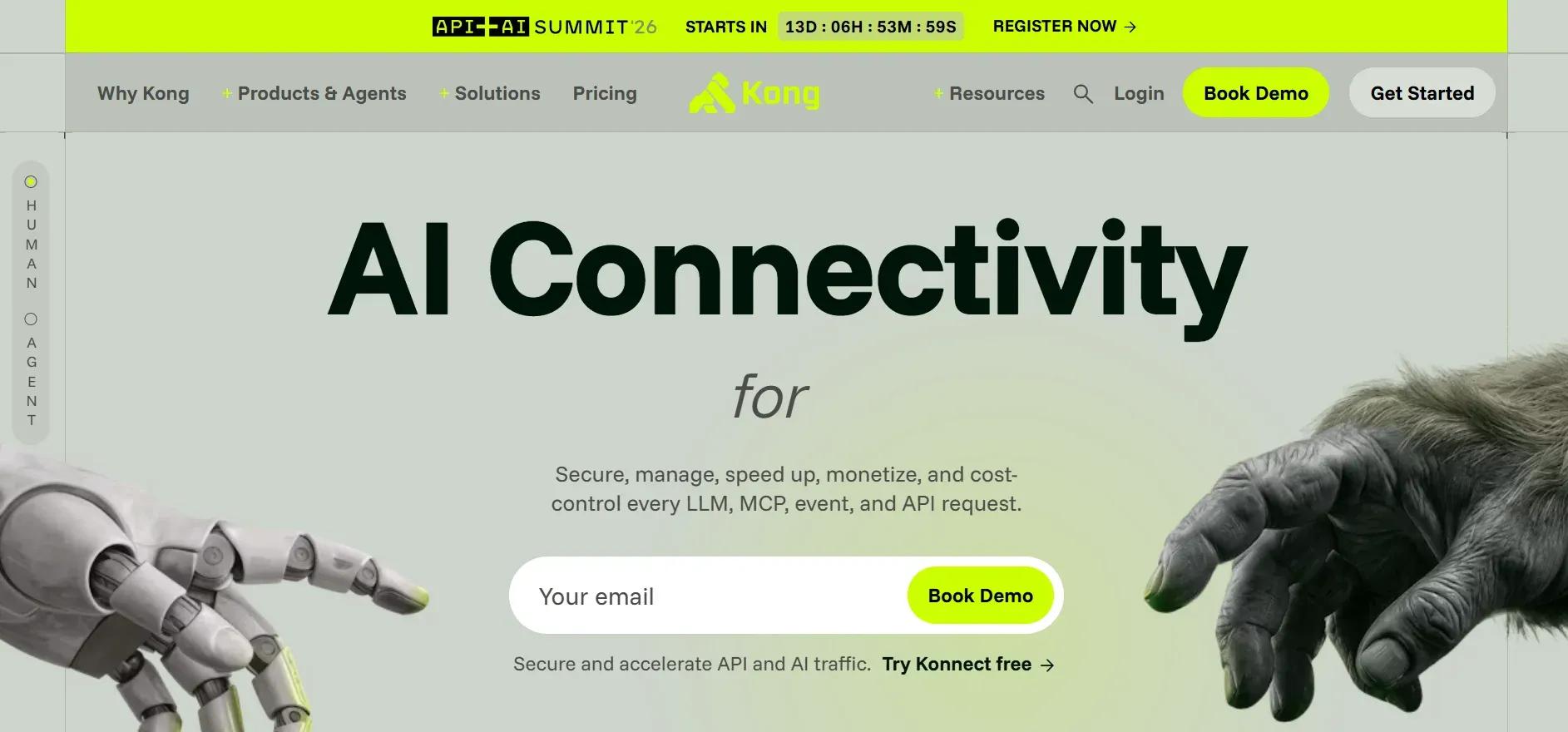
Base: San Francisco, California.
Kong builds one of the fastest, most popular API gateways, now valued near $2 billion. Its Konnect platform governs APIs across cloud and on-premise setups. So it suits engineering teams needing high-performance, portable gateways across many environments.
Why they matter: elite gateway speed and a strong open-source core. Its hybrid model suits multi-cloud American estates.
5. MuleSoft
Base: San Francisco, California.
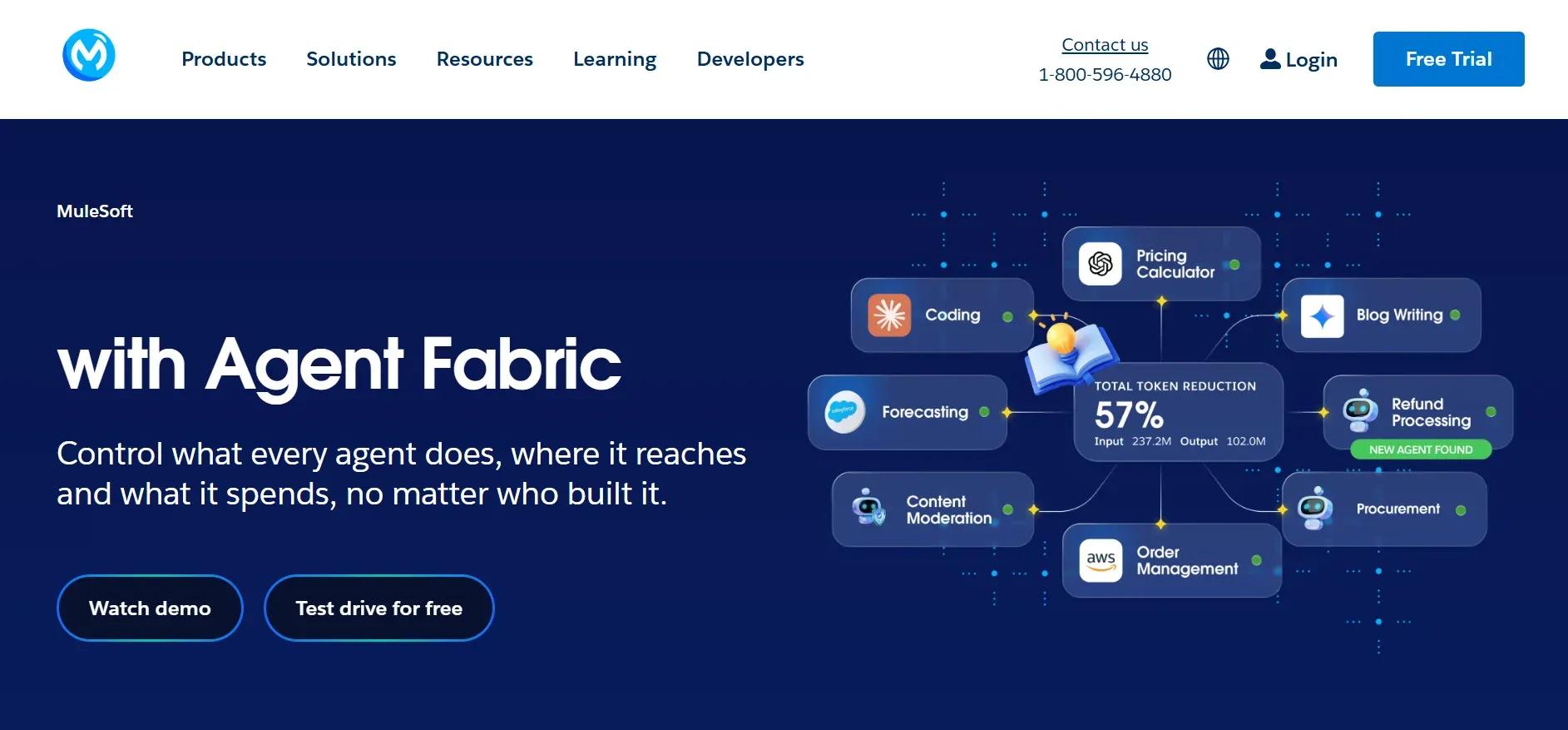
MuleSoft, part of Salesforce, leads in enterprise integration and API management. Its Anypoint Platform connects apps, data, and devices at scale. So it suits large US enterprises with complex, system-wide integration needs.
Why they matter: deep integration heritage and Salesforce backing. Its platform suits enterprise-wide API programs.
6. Apigee
Base: Google Cloud, California.
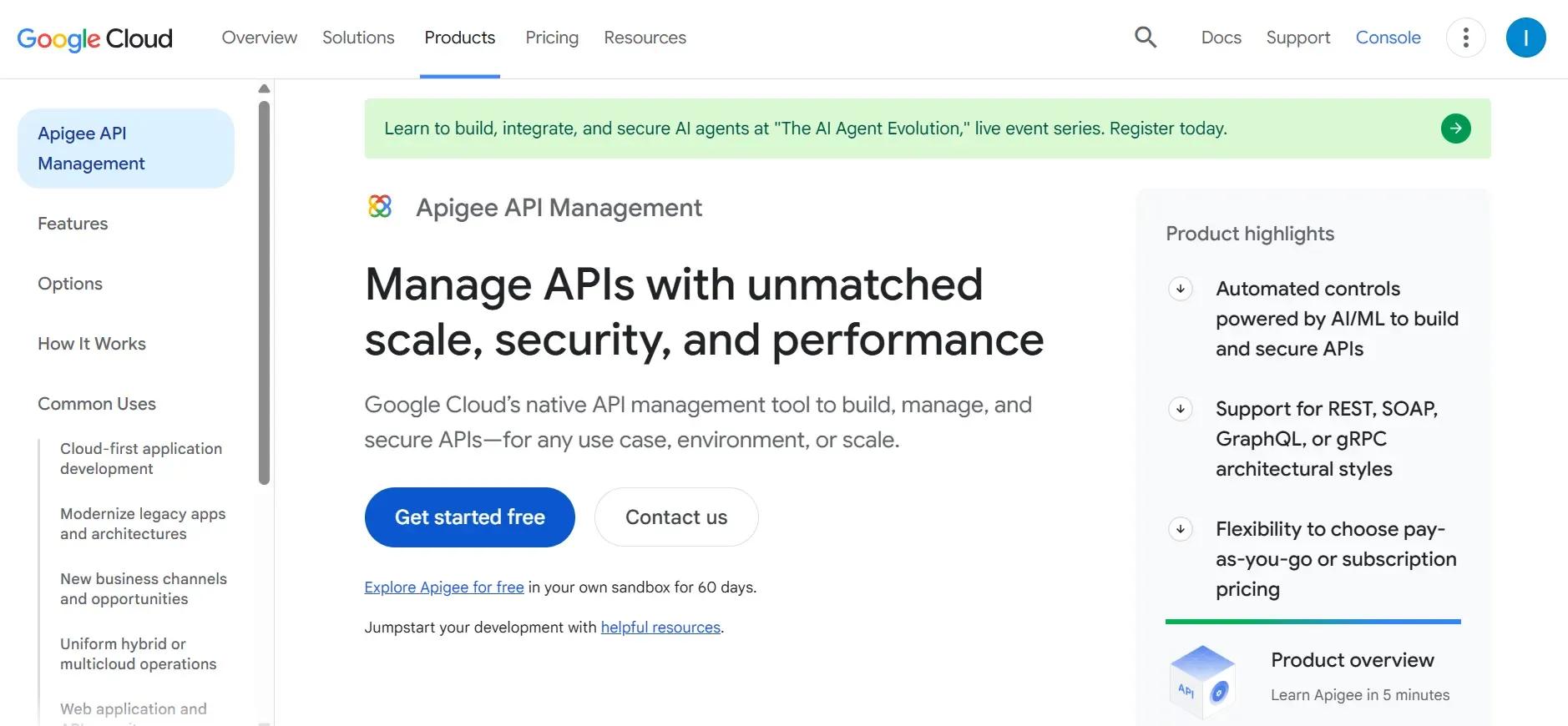
Apigee is Google Cloud's enterprise API management platform, processing over two trillion calls a month. It covers security, analytics, and monetization at vast scale. So it suits large American organizations running strategic API programs.
Why they matter: hyperscale reach and powerful analytics. Its Google Cloud tie-in suits cloud-first enterprises.
7. IBM API Connect
Base: Armonk, New York.
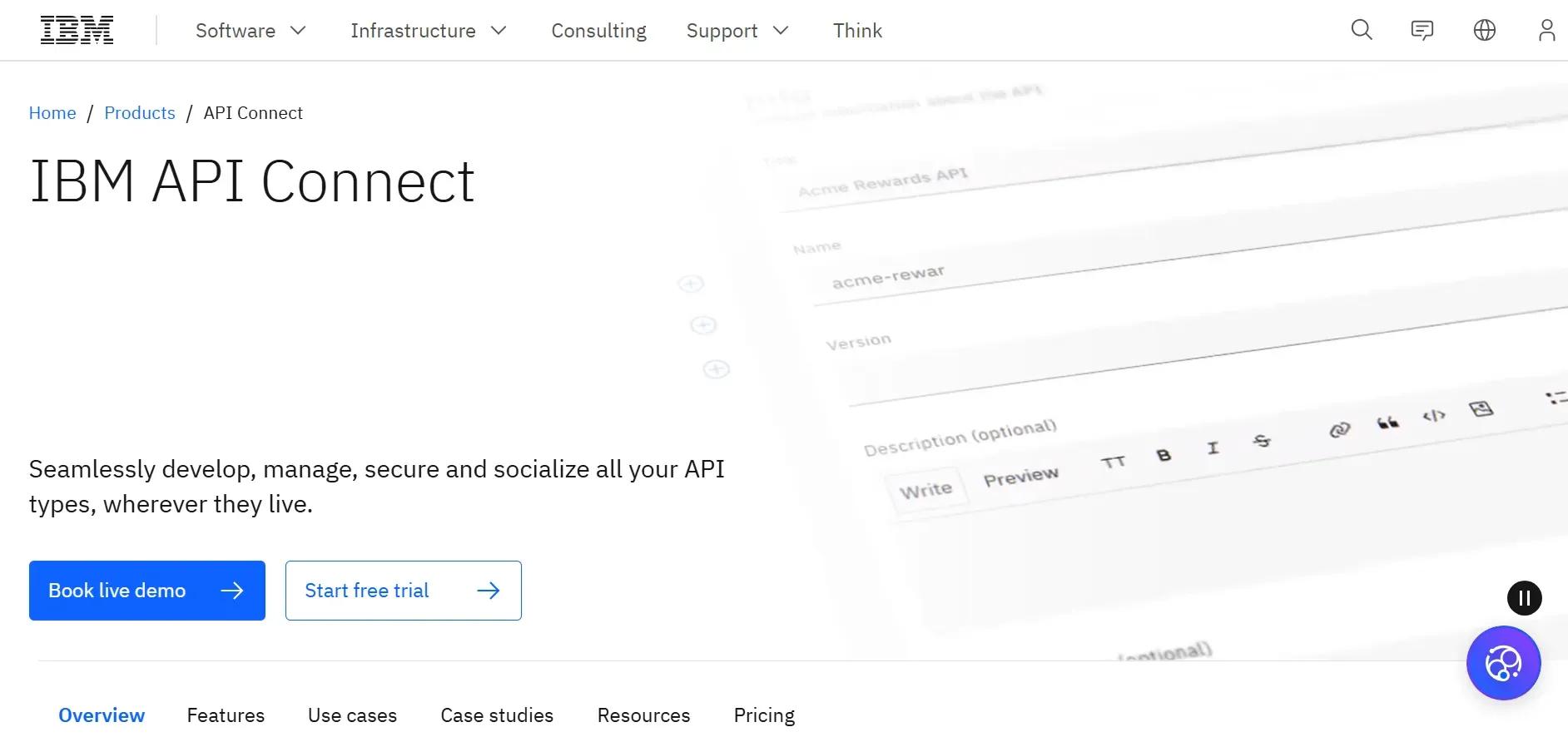
IBM API Connect delivers full API lifecycle management for regulated US enterprises. It spans create, secure, manage, and socialize across hybrid environments. So it suits US banks, insurers, and other heavily governed enterprise estates.
Why they matter: enterprise credibility and hybrid depth. Its governance suits compliance-heavy American sectors.
8. Boomi
Base: Chesterbrook, Pennsylvania.
Boomi pairs integration with API management to connect apps and data. Its platform tackles API sprawl and speeds integration delivery. So it suits US businesses connecting many apps and systems together quickly.
Why they matter: strong integration and a clear anti-sprawl focus. Its low-code approach speeds delivery.
9. AWS API Gateway
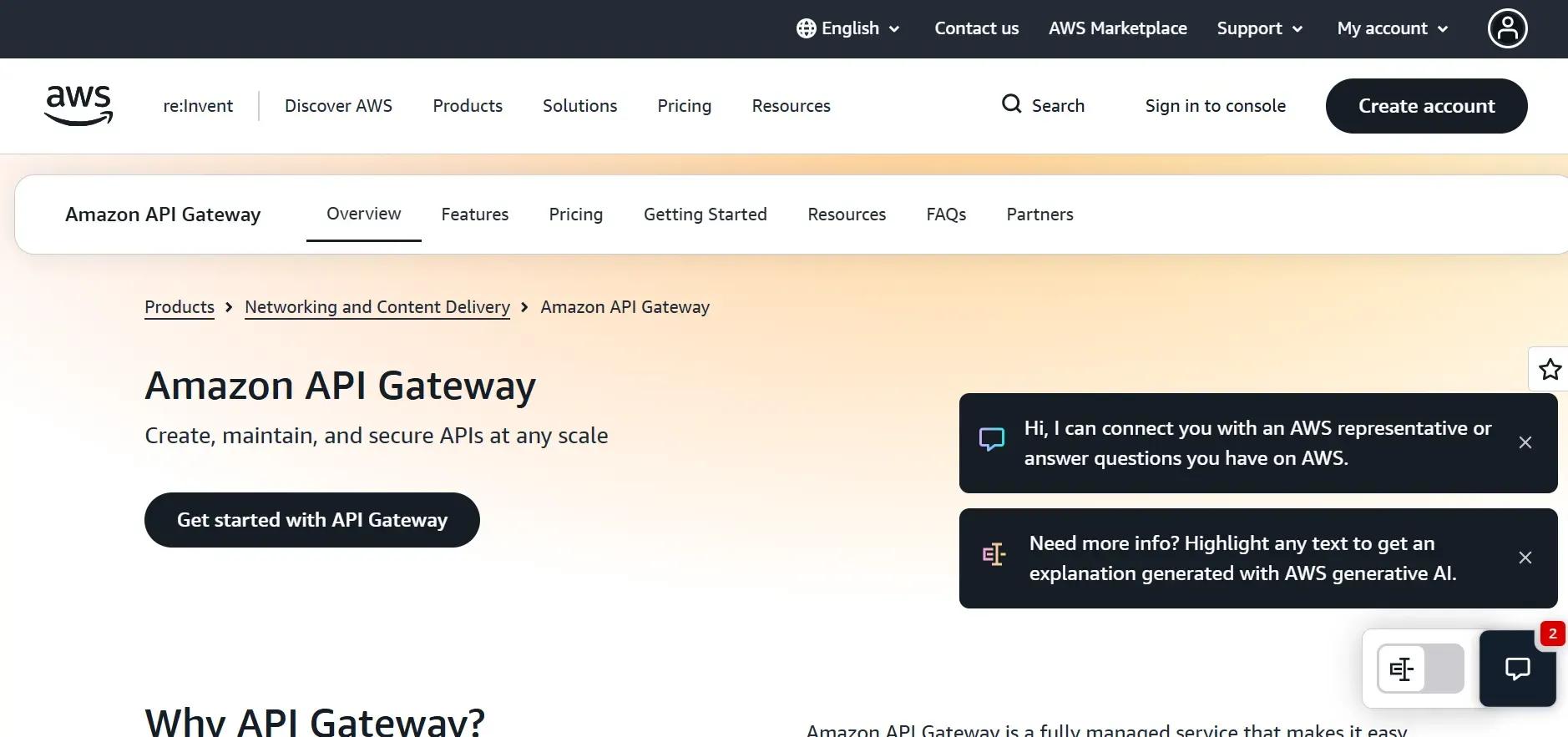
Base: Seattle, Washington.
AWS API Gateway is Amazon's fully managed, cloud-native API gateway. It creates, publishes, and secures APIs at any scale, billed per call. So it suits AWS-first US teams building serverless, event-driven, and cloud-native workloads.
Why they matter: deep AWS integration and elastic, near-infinite scale. Its pay-per-call model suits variable, cloud-native US traffic.
10. Azure API Management
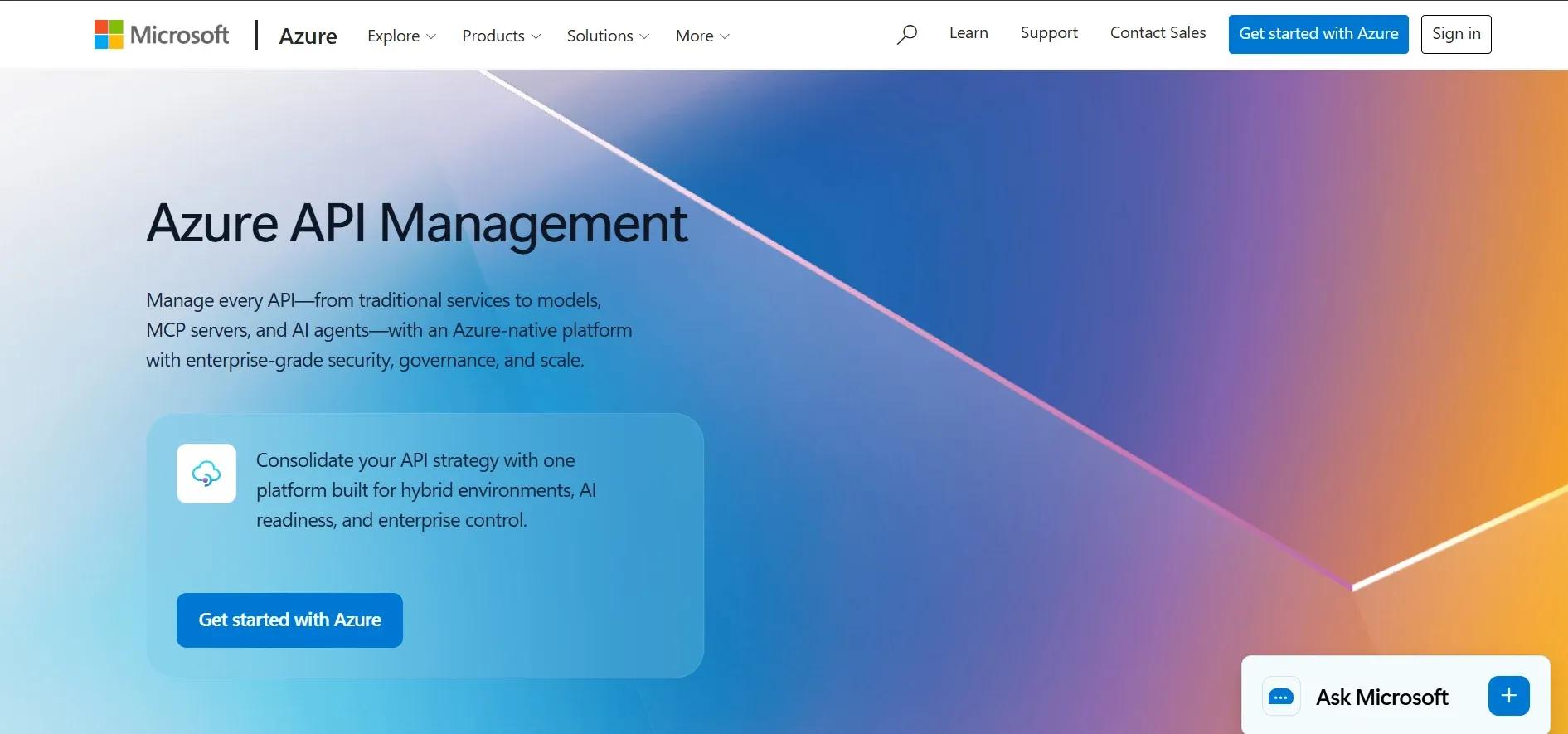
Base: Redmond, Washington.
Azure API Management is Microsoft's cloud platform for publishing and governing APIs. It offers gateways, developer portals, and policy control. So it suits large US enterprises built firmly on the Microsoft technology stack.
Why they matter: tight Azure integration and strong enterprise governance. Its hybrid, self-hosted gateway suits Microsoft-centric US estates.
What Is an API Development and Management Company?
An API development company builds APIs, manages them, or does both together. Development means designing and coding the actual APIs that expose your services. Management means securing, governing, scaling, and monitoring those APIs once they are live. So the two together turn a raw internal service into a reliable, consumable, well-governed product.
The difference matters the moment you start comparing API development companies. Platform vendors like Postman, Kong, and Apigee supply the tools to manage APIs. Meanwhile, development partners like Softaims and Devaims supply the engineers who design and build them. So the strongest US programs always combine a good platform with genuinely skilled people.
That pairing is the insight many buyers of API development companies overlook. The most powerful API gateway is useless without well-built APIs sitting behind it. So the best results always pair a strong management platform with real, hands-on API engineering. Many teams add generative AI development for smarter automation.
Core API Management Features
The best API development companies and platforms share a core feature set. It stretches across the gateway, security, analytics, lifecycle, and developer experience. So most serious US enterprise API programs need all of these features working together.
API gateway. The gateway routes and controls all API traffic. So it enforces rate limits, authentication, and policies.
Security. Platforms handle authentication, rate limiting, and threat protection. Therefore, APIs stay defended.
Analytics. Dashboards reveal usage, performance, and errors. Meanwhile, teams catch issues before users do.
Lifecycle management. Tools cover design, versioning, and retirement. So APIs evolve without breaking consumers.
Developer portal. A portal lets developers discover and adopt APIs. Consequently, adoption and reuse grow.
Together, these features turn a raw endpoint into a governed, observable product. Miss even one, and the gaps show up fast: unsecured traffic, blind spots, or APIs that nobody can find. So the strongest US API development companies insist on all five features, not just a gateway. That completeness is what separates a real platform from a simple, bare proxy.
The API Lifecycle: From Design to Retirement
For API development companies, every good API follows a clear lifecycle, and skipping stages causes pain later. Understanding the arc helps you plan and pick the right partner. So the best firms make each stage explicit.
Design. Teams define the contract, schema, and standards first. So consumers get a stable, predictable interface to work against.
Build. Engineers implement the API and the services behind it. Meanwhile, automated tests confirm it behaves as designed.
Secure. Teams add authentication, authorization, and rate limits. So the API becomes safe to expose publicly.
Deploy and manage. The API ships behind a gateway with monitoring. So it remains fast and fully observable in production.
Version and retire. Teams evolve the API without breaking consumers. Consequently, change stays controlled and safe.
REST vs GraphQL vs gRPC: Which to Build
For API development companies, choosing the right API style shapes performance, flexibility, and developer experience. The best firms pick the style to fit the job, not the trend. So knowing the options helps you brief them accurately and well.
REST. The most common, well-understood style. So it fits most public and general-purpose APIs.
GraphQL. Lets clients request exactly the data they need. Meanwhile, it suits complex, data-rich, modern front ends.
gRPC. A fast, efficient style for service-to-service calls. So it suits fast, high-performance internal microservice communication.
Getting this wrong is costly. The wrong style breeds clumsy workarounds and frustrates the developers who have to consume your API. So treat the style decision as architectural, made early, not a detail left to chance. The best US API development companies settle it during design, before a line of code is written.
API Security: The Rising US Priority
For API development companies, APIs are now a leading target for attackers, and the risk keeps climbing. Every open endpoint is a potential doorway, so security can never be an afterthought. The best firms build it in from the design stage.
A mature approach layers several defenses. It layers strong authentication, authorization, rate limiting, and input validation together. On top of that, it relies on monitoring and a gateway to catch and block abuse. So threats get caught well before they cause harm.
Regulation raises the bar in the US, too. Data-privacy laws hold you responsible for what your APIs expose, and a breach through an API carries real penalties. So the strongest API development companies bake compliance and least-privilege access into every endpoint. The leading cloud security companies advise the same. That discipline turns security from a cost into a trust advantage.
Build vs Buy vs Hire: The API Decision
For API development companies and their US clients, every program faces a choice. You can license a platform, engage an agency, or build with your own hired talent. Each fits a different need. So the sharpest teams choose deliberately, not by default.
Buy a platform. A management platform handles the gateway and governance. Yet it never builds the actual APIs for you.
Hire an agency. A full-service firm ships the whole build. Meanwhile, it runs pricier and can loosen your control.
Build with hired talent. Vetted engineers build exactly the APIs you need, and you own them. So you retain control, flexibility, and full IP ownership.
For most US teams, a blend works best. You license a platform to manage the APIs, then hire vetted engineers to build them. So you land strong governance and strong delivery at once.
The API Talent Gap (and How Softaims Helps)
The biggest barrier in US API work is not tools. It is people. Skilled API and backend engineers are scarce and expensive nationwide. So even a great, expensive US platform underdelivers without the skilled engineering talent to build on it.
A marketplace rewrites that math. With Softaims, you hire vetted API developers in 48 hours instead of months. You choose the exact skills, from REST and GraphQL to gateway configuration, and you own the work. You can also blend in LLM development and AI specialists as your platform grows.
So the platform leaders above supply the management tools. Softaims supplies the engineers who design, build, and run the APIs. Together they close the gap that stalls so many US API programs. Among API development companies, that flexible model is increasingly the norm for lean teams.
APIs as a Product, Not a Byproduct
The biggest shift among US API development companies is treating each API as a product. A byproduct is an afterthought, whereas a product has an owner, a roadmap, and real users to please. So the best firms actively push their clients toward that product mindset.
The payoff is real. A well-run API product attracts developers, drives new integrations, and can even earn revenue directly. Meanwhile, a neglected API frustrates its consumers and quietly rots over time. So the difference between the two comes down to ownership and genuine care.
This is exactly why great APIs need far more than code. They need clear documentation, versioning, dedicated support, and a proper developer portal. So a strong partner treats the developer experience just as seriously as the underlying engineering. The top API development companies now do exactly that by default.
How Much Does API Development Cost in the USA?
Across API development companies, US costs vary widely by scope, scale, and platform. A simple internal API is a world away from a full, monetized public API program. So take any single figure with real caution.
Platform pricing spans a huge range. Open-source gateways like Kong are free to run, while managed tiers start around $25 to $99 a month. Meanwhile, AWS and Azure bill per call. Enterprise platforms like MuleSoft, Apigee, and IBM often reach six figures a year. So the platform is only ever part of the total bill.
Engineering talent is the other big cost line. Skilled US API engineers command premium rates, since demand outstrips supply. A vetted marketplace keeps that cost in check, since you engage only the precise skills and hours required. So you build strong, well-run APIs without carrying a large permanent team on the payroll.
Do not forget the hidden costs. A running API needs versioning, docs, monitoring, and support as its consumer base grows. So plan a budget for the whole lifecycle, not just the first build. Neglecting that upkeep is how a promising API slowly becomes a liability nobody wants to touch.
Why US API Projects Fail
Even the best API development companies see US projects fail for a handful of avoidable reasons. The technology itself is rarely the culprit. The identical missteps recur across US firms of every size. So recognize them, and you can sidestep each.
No design discipline. APIs built without a contract break consumers constantly. Therefore, design first, always.
Weak security. An exposed, unguarded API invites attack. So bake security in right from the start.
API sprawl. Ungoverned APIs multiply and become unmanageable. Meanwhile, a management platform and clear standards keep them in check.
No versioning. Changing an API without versioning breaks clients. So disciplined, controlled versioning is essential.
The common thread through all of these is people. The best platform is no help if nobody designs and governs the APIs properly. So locking in the right talent counts as much as choosing the right tools.
APIs and the AI Era
Artificial intelligence has made APIs more vital than ever for US firms. Every AI agent, copilot, and model reaches the outside world through an API. So the best API development companies now design APIs with AI consumers in mind, not just human developers.
This reshapes what a good API even looks like. It must be well-documented, predictable, and machine-readable, so an AI agent can discover and call it reliably. Meanwhile, security tightens further, since agents can hammer APIs at machine speed. So clear contracts and strong guardrails become essential.
The opportunity is significant. Firms that expose clean, well-documented, agent-ready APIs can plug straight into the fast-growing AI ecosystem. So a strong partner future-proofs your APIs for both human and machine consumers alike, drawing on real machine learning experience.
US API Development Trends for 2026
The API development companies leading in 2026 build around three shifts. These are AI-powered APIs, API-as-a-product, and stronger security. So these trends should steer your shortlist.
AI and agentic APIs. APIs now feed and control AI agents. Meanwhile, AI agents consume APIs to act on the world.
API-as-a-product. Teams treat APIs as products with owners and roadmaps. As a result, quality and adoption climb.
API security first. Security shifts left into design. Therefore, threats get designed out early.
Open-source and portability. Teams favor open gateways to avoid lock-in. So Kong, Tyk, and WSO2 keep growing.
AI-assisted lifecycle. AI now automates design, testing, and docs. Consequently, API delivery gets both faster and cleaner.
Frequently Asked Questions
Which are the top API development companies in the USA?
Postman, Kong, and MuleSoft lead among platforms. Apigee, IBM API Connect, Boomi, AWS API Gateway, and Azure API Management round out strong options. Softaims and Devaims suit teams that want to build and staff their own APIs.
How much does API development cost in the USA?
Open-source gateways cost nothing to run, while managed tiers begin around $25 to $99 a month. Enterprise platforms often run to six figures annually. Skilled US developers are the other major cost.
What is the difference between API development and API management?
Development means designing and building APIs. Management means securing, governing, and scaling those APIs after launch. Strong programs need both.
How does Softaims help with API development?
Softaims lets you hire vetted, US-aligned API developers fast, then own the work. It bridges the talent shortage that stalls so many API programs. So you can build and operate APIs with genuinely skilled people.
Which API style should I use?
REST fits most general APIs, GraphQL fits data-rich front ends, and gRPC fits high-performance internal calls. Many systems mix all three. A good partner helps you choose.
Who owns the APIs and code?
On a custom build, all of it should belong to you. Get ownership of the APIs, code, and schemas agreed in writing. This avoids vendor lock-in later.
Conclusion: Your US API Strategy Action Plan
APIs are the connective tissue of all modern American software, and their quality shapes everything else built on top. The API development companies in this list give you the platforms and talent to get them right. But the tools alone are never enough on their own. The people who actually design and build your APIs decide whether they scale cleanly or crumble under load.
So convert this shortlist into a plan. Here is the quick checklist to run through before you commit.
- Design first. Define the contract and standards before you build.
- Secure early. Bake in authentication, limits, and validation from the start.
- Pick the platform. Match a gateway and management tool to your scale.
- Govern sprawl. Use standards and a portal to keep APIs manageable.
- Secure the talent. Line up the engineers to design, build, and run it.
Nail those five, and your APIs turn into a real advantage. Ignore them, and even the finest platform will not rescue the program.
If your real blocker is talent, and for most US teams it is, a faster route exists. Softaims matches you with vetted, US-aligned API developers within 48 hours, and you own everything they build. For a fully managed API product, its delivery brand can take the whole thing off your plate. To begin, hire API developers or get in touch.


 Stackoverflow
Eric P.

 Verified Expert in Engineering
My name is Eric P. and I have over 16 years of experience in the tech industry. I specialize in the following technologies: API, Application Integration, API Integration, Dell Boomi, Azure DevOps, etc.. I hold a degree in Bachelor of Science (BS). Some of the notable projects I’ve worked on include: Red Spot Interactive, Denim, Youth Athletes United, Rico Inc, Emarketer, etc.. I am based in Dunellen, United States. I've successfully completed 18 projects while developing at Softaims.
I approach every technical challenge with a mindset geared toward engineering excellence and robust solution architecture. I thrive on translating complex business requirements into elegant, efficient, and maintainable outputs. My expertise lies in diagnosing and optimizing system performance, ensuring that the deliverables are fast, reliable, and future-proof.
The core of my work involves adopting best practices and a disciplined methodology, focusing on meticulous planning and thorough verification. I believe that sustainable solution development requires discipline and a deep commitment to quality from inception to deployment. At Softaims, I leverage these skills daily to build resilient systems that stand the test of time.
I am dedicated to making a tangible difference in client success. I prioritize clear communication and transparency throughout the development lifecycle to ensure every deliverable exceeds expectations.

Leave a Comment
Need help building your team? Let's discuss your project requirements.
Get matched with top-tier developers within 24 hours and start your project with no pressure of long-term commitment.