
Daniel Russo
ScaleUp software
Working with Softaims allowed us to quickly onboard highly skilled engineers who integrated seamlessly with our team. The experience was smooth and the results exceeded our expectations.
Video testimonial available
See pre-vetted graphql developers with transparent hourly rates, experience, ratings, and filters to quickly shortlist the right candidates for your project.




Clients rate Softaims GraphQL Developers4.9 / 5.0 on averagebased on 13,542 reviews.
Vetted Experts
Trial-to-Hire Success Rate
Fast Candidate Matching
"Working with Softaims allowed us to quickly onboard highly skilled engineers who integrated seamlessly with our team. The experience was smooth and the results exceeded our expectations."

Daniel Russo
ScaleUp software


 Trustpilot
Explore related technologies and frameworks to find the perfect developer for your project

Softaims connects you with rigorously vetted full-time and freelance software engineers across every modern tech stack. From AI specialists to Cloud Architects, access a curated network of elite remote talent designed to scale your business.
Every GraphQL Developer in our talent pool has gone through our rigorous vetting process, so you can be confident that they will perform as well in reality as they do on paper.
Within 48 hours of your request, we send you a list of GraphQL Developers who meet your needs and who are ready to join your team as soon as you're ready.
Access top talent from around the world at competitive rates without compromising on quality or expertise. Get the best value for your hiring budget.
Make your hiring process bulletproof with our replacement guarantee. Not happy with your GraphQL Developer? We'll replace them, no charges, no questions.
Quickly find GraphQL Developers that match your requirements with our advanced filtering system. Filter by skills, experience, hourly rate, location, and more.
Whether you need a full-time team member or a freelance GraphQL Developer for a specific project, we have the right talent ready to join your team.
Trustpilot| Features | Softaims | Toptal | Upwork | Freelancers | In-house Resources |
|---|---|---|---|---|---|
Fully Compliant Developers are employed by U.S corporations | |||||
High-Quality Pre-vetted, highly trained, and skilled resources | |||||
Affordability Competitive rates without compromising quality | |||||
Try Before You Buy Test developers before committing | |||||
Secure Locations Developers work in secure and monitored environments | |||||
Highly Scalable Plug in and out developers based on your business needs | |||||
Diverse Tech Stack Broad expertise in diverse tech stack in your time zone |
ScaleUp software
Working with Softaims allowed us to quickly onboard highly skilled engineers who integrated seamlessly with our team. The experience was smooth and the results exceeded our expectations.
Video testimonial available

Ex-VP Engineering at Uber
Softaims made hiring remote developers effortless. The talent matched our requirements perfectly, and collaboration with the team was extremely efficient.
Video testimonial available

CT0 at EdAider
The Softaims platform gave us access to developers who immediately added value. Their expertise and professionalism made the entire process seamless.
Video testimonial available

Hello Median
Softaims helped us scale our engineering team quickly. The quality of the developers and the speed of onboarding were impressive.
Video testimonial available

CEO at Stads.io
Hiring through Softaims was straightforward and effective. We were able to collaborate with skilled engineers who understood our technical needs.
Video testimonial available

CEO at Onenine
Softaims provided us with experienced developers who contributed immediately to our projects. The process was efficient and the results were excellent.

CEO at Sparklaunch Media
Softaims provided us access to highly skilled remote engineers who contributed immediately. The process was efficient, and the quality of work exceeded our expectations.

CEO at Lovart
Hiring through Softaims was seamless. We were able to find developers who perfectly matched our technical requirements and collaborated effectively with our in-house team.
ScaleUp software
Working with Softaims allowed us to quickly onboard highly skilled engineers who integrated seamlessly with our team. The experience was smooth and the results exceeded our expectations.
Ex-VP Engineering at Uber
Softaims made hiring remote developers effortless. The talent matched our requirements perfectly, and collaboration with the team was extremely efficient.
CT0 at EdAider
The Softaims platform gave us access to developers who immediately added value. Their expertise and professionalism made the entire process seamless.
Hello Median
Softaims helped us scale our engineering team quickly. The quality of the developers and the speed of onboarding were impressive.
CEO at Stads.io
Hiring through Softaims was straightforward and effective. We were able to collaborate with skilled engineers who understood our technical needs.
CEO at Onenine
Softaims provided us with experienced developers who contributed immediately to our projects. The process was efficient and the results were excellent.
CEO at Sparklaunch Media
Softaims provided us access to highly skilled remote engineers who contributed immediately. The process was efficient, and the quality of work exceeded our expectations.
CEO at Lovart
Hiring through Softaims was seamless. We were able to find developers who perfectly matched our technical requirements and collaborated effectively with our in-house team.
Hire Softaims talent around the world
25.1K+
Softaims graphql developers in the world
1.3K+
We'll help you find the perfect fit for your team. From AI specialists to Cloud Architects, access a curated network of elite remote talent designed to scale your business.
Hire GraphQL Developer
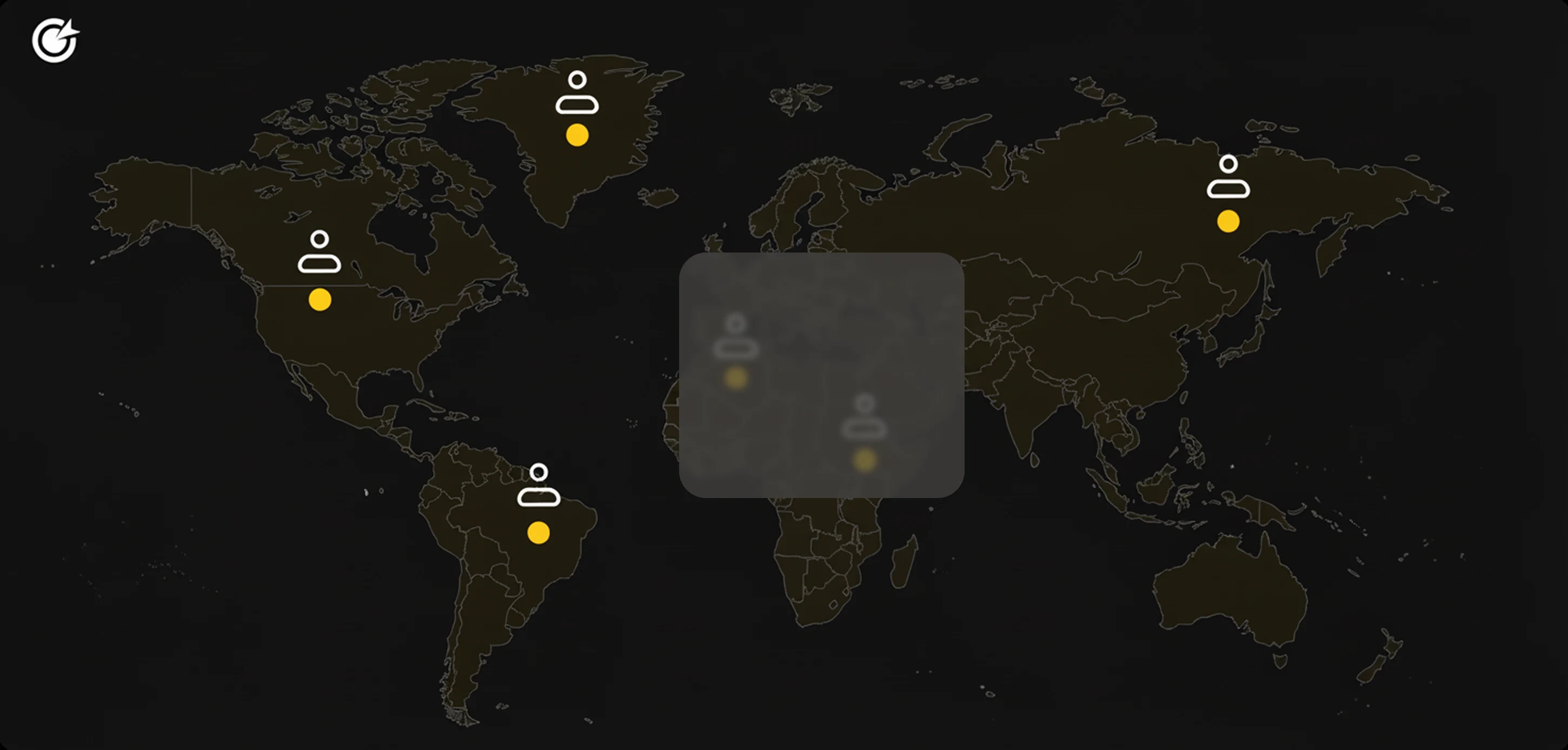
Hover over countries on the map to see the number of available developers in each location
Our dedicated graphql developers use the following technologies to build modern web applications.
Apollo Server
GraphQL Yoga
Mercurius
Hot Chocolate (.NET)
Strawberry (Python)
Absinthe (Elixir)
Graphene (Python)
Juniper (Rust)
Sangria (Scala)
Lacinia (Clojure)
Tartiflette (Python)
GraphQL-Go
Netflix DGS (Java)
Garph (TypeScript)
Apollo Client
Relay
urql
TanStack Query
GraphQL-request
Gql-tada
Houdini (Svelte)
Villus (Vue)
Micro-graphql-react
Genql
GraphQL Zeus
Graffle
Wonka
GraphiQL
GraphQL Playground
Apollo Studio
Insomnia
GraphQL Code Generator
GraphQL Inspector
GraphQL Voyager
GraphQL Faker
Postman GraphQL
GraphQL Hive
SpectaQL
Magidoc
GraphQL ESLint
Apollo Federation
Apollo GraphOS
Stellate (Edge Cache)
WunderGraph
StepZen
Hygraph (Headless CMS)
WunderGraph Cosmo
GraphQL Mesh
Inigo
Gloo Edge GraphQL
Tyk GraphQL
Kong GraphQL Proxy
Escape
GraphQL Shield
GraphQL Armor
GraphQL Cop
GraphQL Test Utils
EasyGraphQL Tester
Depth Limit
GraphQL Guard
GQLSpection
k6 GraphQL
GraphQL Rate Limit
InQL (Introspection Tool)
We offer comprehensive graphql services to help you build, maintain, and scale your applications.
Our engineers architect scalable, distributed GraphQL architectures using Apollo Federation and subgraphs. We specialize in unifying disparate microservices into a single, high-performance supergraph, allowing your teams to work independently while delivering a seamless, unified API experience to front-end consumers.
Our developers implement mission-critical real-time features using GraphQL Subscriptions and Live Queries. Whether building live financial tickers or collaborative editing tools, we ensure low-latency, stateful connections and robust message delivery across high-concurrency environments.
Our engineers optimize complex data fetching using advanced directives like @defer and @stream. By strategically delivering partial query results, our developers significantly improve Time to First Byte (TTFB) and perceived performance for data-heavy applications and enterprise dashboards.
Our security-focused engineers safeguard your GraphQL endpoints against malicious traffic. We implement sophisticated query depth limiting, complexity analysis, and persistent queries to prevent DoS attacks, while ensuring strict field-level authorization and Zero Trust security protocols.
Our developers utilize GraphQL Mesh to create powerful orchestration layers over legacy REST, SOAP, and gRPC services. We enable your enterprise to modernize its tech stack incrementally, providing a clean, modern GraphQL interface to your frontend teams without requiring an immediate backend rewrite.
Our engineers bridge the gap between backend and mobile using Apollo Kotlin and Apollo iOS. We generate strongly-typed models at compile-time, ensuring end-to-end type safety that eliminates runtime errors and drastically accelerates developer productivity across your mobile and web ecosystems.
Our developers prioritize a schema-first approach to ensure clear contracts between frontend and backend teams. We leverage tools like GraphOS and Hive for schema registry, breaking-change detection, and automated documentation, facilitating seamless collaboration in large-scale engineering organizations.
Our engineers deploy high-performance GraphQL servers to edge environments and serverless platforms like AWS Lambda and Cloudflare Workers. We optimize cold-start times and implement global caching strategies to ensure your API delivers ultra-low latency response times to users worldwide.
Our developers implement deep observability into your graph using Apollo Studio and OpenTelemetry. Our engineers monitor field-level usage, identify slow resolvers, and analyze operation traces to proactively optimize performance and ensure your GraphQL layer scales efficiently with user demand.
Need it built, not staffed?
Hiring a GraphQL developer gives you a person on your team. Our software development service gives you the finished work, scoped and shipped by the same vetted engineers, with the code and the IP yours at the end.
Our industry recognition is a testament to our rigorous vetting process and the impactful digital solutions we deliver. From connecting clients with top-tier global talent to building scalable web and mobile apps, our commitment to excellence sets us apart.
Clutch Top 1000 Companies

Top Entertainment App Developers

Expertise Best Mobile App Developer
Software World Top App Development Companies

Horizon Award Gold Awards Winner

Horizon Award Silver Awards Winner

Right firms Top Mobile App Development Company

Access free GraphQL Developers job description templates, expert-curated interview questions, and comprehensive GraphQL Developers roadmap to streamline your hiring process and find the best remote GraphQL Developers for your team.
Download ready-to-use GraphQL Developers job description templates tailored for your hiring needs.
Browse comprehensive FAQs and interview questions specifically for GraphQL Developers and GraphQL Developer roles.
Explore step-by-step learning paths and skill roadmaps specifically designed for GraphQL Developers and GraphQL Developer roles.
Discover expert-curated best practices, tips, and strategies specifically for GraphQL Developer roles and hiring GraphQL Developers.
Find answers to frequently asked questions about Softaims, our hiring process, developer vetting, pricing models, and how we ensure quality talent for your projects.
Free Productivity Timer Tools
Boost your team's productivity with our free online timer tools. Perfect for Pomodoro sessions, meetings, standups, and focused work sessions. No signup required, works offline.


By Anton K.
 Verified Expert in Engineering
12 years of experience
My name is Anton K. and I have over 12 years of experience in the tech industry. I specialize in the following technologies: PHP, Symfony, Laravel, MySQL, PostgreSQL, etc.. Some of the notable projects I’ve worked on include: Dance Studio Manager: CRM, Build Sumo, PPTstar:online shop, Poweredtemplates: online shop. I am based in Torrevieja, Spain. I've successfully completed 4 projects while developing at Softaims.
I possess comprehensive technical expertise across the entire solution lifecycle, from user interfaces and information management to system architecture and deployment pipelines. This end-to-end perspective allows me to build solutions that are harmonious and efficient across all functional layers.
I excel at managing technical health and ensuring that every component of the system adheres to the highest standards of performance and security. Working at Softaims, I ensure that integration is seamless and the overall architecture is sound and well-defined.
My commitment is to taking full ownership of project delivery, moving quickly and decisively to resolve issues and deliver high-quality features that meet or exceed the client's commercial objectives.
The demand for GraphQL Engineers has surged as companies increasingly adopt GraphQL for efficient API management. GraphQL, known for its ability to streamline data fetching, is becoming a vital tool in modern software development. In 2026, the trend is expected to continue, with organizations seeking experts to leverage GraphQL's capabilities. This article explores the comprehensive hiring process for GraphQL Engineers, focusing on skills, costs, and best practices.
Understanding the nuances of hiring GraphQL Engineers is crucial for businesses aiming to enhance their technological infrastructure. From detailed skill assessments to cost considerations, this guide provides actionable insights to attract top talent. As the technology landscape evolves, staying informed about the latest trends and methodologies is essential for successful recruitment. For more on GraphQL's growing impact, visit the official GraphQL website.

When hiring GraphQL Engineers, understanding the core competencies is essential. These engineers should possess a strong command of JavaScript, as it's the primary language used in most GraphQL implementations. Familiarity with frameworks such as React or Angular is also beneficial, given their widespread use in front-end development. Moreover, experience with server-side technologies like Node.js or Express.js can significantly enhance an engineer's ability to manage GraphQL servers.
In addition to technical skills, problem-solving abilities are crucial. GraphQL Engineers need to design efficient schemas and queries, minimizing over-fetching and under-fetching of data. A deep understanding of RESTful services and the ability to transition from REST to GraphQL effectively is also valuable. For guidelines on transitioning, refer to the GraphQL learning resources.
Evaluating candidates for GraphQL Engineers requires a structured approach. Begin by examining their educational background and professional experience. Candidates with a solid foundation in computer science and software engineering are often well-equipped for the role. Next, assess their technical skills through coding tests that simulate real-world challenges. These tests should focus on their ability to write efficient queries and manage GraphQL servers.
Conduct technical interviews to delve deeper into the candidate's understanding of GraphQL. Ask about their experience with schema design and query optimization. Inquire about specific projects they've worked on and their role in those projects. This helps gauge their practical experience and problem-solving capabilities.
Interviewing GraphQL Engineers effectively requires asking the right questions to uncover their technical expertise and problem-solving abilities. Start with basic questions about their understanding of GraphQL concepts and move towards more complex scenario-based questions. This approach helps in assessing both their foundational knowledge and advanced problem-solving skills.
Technical questions should cover schema design, query optimization, and error handling within GraphQL. Additionally, explore their experience with integrating GraphQL with other technologies like Apollo Client or Relay. This can provide insights into their ability to work within a modern tech stack and their understanding of GraphQL's role in it.
Identifying potential red flags during interviews with GraphQL Engineers is crucial to ensure you're hiring the right candidate. One major concern is a lack of understanding of core GraphQL concepts, such as schema design or query optimization. If a candidate struggles to articulate the benefits of GraphQL or its use cases, it could indicate a superficial grasp of the technology.
Another red flag is the inability to provide detailed examples of past work. Candidates should be able to discuss specific projects, the challenges they faced, and how they overcame them using GraphQL. Additionally, watch for a lack of collaborative experience. GraphQL Engineers often work in teams, and strong communication skills are essential.
Lastly, be cautious of candidates who cannot adapt to new technologies or methodologies. The tech industry evolves rapidly, and GraphQL Engineers should demonstrate a willingness to learn and grow. This adaptability is crucial for staying current with the latest developments in the field.
Deciding between hiring dedicated GraphQL Engineers and freelance GraphQL Engineers depends on your project's scope and timeline. Dedicated engineers are ideal for long-term projects requiring consistent updates and maintenance. They offer stability and deep integration into your company's culture and workflow. For ongoing projects or those critical to business operations, dedicated engineers ensure continuity and strong team collaboration. More on dedicated team benefits can be found at Softaims, a platform offering varied hiring options.
Freelance GraphQL Engineers, on the other hand, are suitable for short-term projects or when specific expertise is needed temporarily. They provide flexibility and can be a cost-effective solution for startups or smaller companies. Freelancers can bring fresh perspectives and specialized skills to a project without the long-term commitment of a full-time hire. For tips on managing freelancers, see Forbes' management tips.
Ultimately, the decision should align with your project's goals, budget, and the level of expertise required. Both dedicated and freelance GraphQL Engineers have their advantages, and understanding these can help you make an informed choice that benefits your organization in the long run.
Companies hire GraphQL Engineers to leverage the efficiency and flexibility of GraphQL in managing APIs. GraphQL allows for precise data fetching, reducing the amount of data transferred over the network, which improves application performance. This capability is particularly beneficial for applications with complex data requirements or those that need to operate efficiently on mobile devices.
Another reason companies seek GraphQL Engineers is for the enhanced developer experience. GraphQL's self-documenting nature means developers can explore available data and understand API capabilities without additional documentation. This reduces onboarding time and speeds up development cycles. For further reading on GraphQL's benefits, visit InfoWorld's feature on GraphQL.
Moreover, GraphQL's growing ecosystem and community support make it an attractive choice for enterprises looking to modernize their tech stack. With tools like Apollo DevTools and GraphQL Shield, companies can build robust, secure applications efficiently. Hiring GraphQL Engineers allows companies to fully harness these tools and drive innovation.
In conclusion, the decision to hire GraphQL Engineers is driven by the need for efficient data management, improved developer experience, and access to a rich ecosystem of tools and community support. These factors collectively enhance product development and operational efficiency.
Hiring costs for GraphQL Engineers vary significantly based on location, experience, and project requirements. In 2026, the salary expectations for GraphQL Engineers reflect the growing demand for their expertise in the tech industry. Here's a look at average salaries across different countries:
| Country | Average Salary (USD) |
|---|---|
| United States | $120,000 - $150,000 |
| United Kingdom | $85,000 - $110,000 |
| Canada | $90,000 - $115,000 |
| Australia | $95,000 - $120,000 |
| Germany | $100,000 - $130,000 |
| Switzerland | $130,000 - $160,000 |
| India | $30,000 - $50,000 |
| Singapore | $95,000 - $125,000 |
| Israel | $110,000 - $140,000 |
| Japan | $85,000 - $105,000 |
GraphQL offers numerous benefits for modern applications, making it a preferred choice for developers and businesses alike. One of the primary advantages is its ability to reduce data over-fetching and under-fetching. Unlike traditional REST APIs, GraphQL allows clients to request only the data they need, optimizing network usage and improving application performance.
Moreover, GraphQL's type system ensures that APIs are self-documenting, which reduces the need for extensive documentation and simplifies the development process. Developers can easily understand what data is available and how to request it, leading to faster and more efficient development cycles. For a detailed explanation of GraphQL's features, explore GraphQL's schema documentation.
Another significant benefit is the ease of evolving APIs. With GraphQL, developers can add new fields and types without impacting existing queries, allowing for seamless updates and minimal disruption to clients. This flexibility is crucial in rapidly changing tech environments where quick iterations are necessary. Additionally, GraphQL's strong community support and the availability of tools like Apollo Server enhance its adoption and implementation in various projects.
In summary, GraphQL's efficiency, flexibility, and strong community support make it an excellent choice for modern applications. These benefits collectively contribute to its growing popularity and widespread adoption in the tech industry.
While GraphQL offers numerous advantages, its implementation comes with challenges that organizations must address. One common challenge is the initial learning curve, as developers need to familiarize themselves with GraphQL's unique concepts and syntax. This can be mitigated by providing adequate training and resources, such as the GraphQL official learning guide.
Another challenge is managing complex schemas, which can become difficult to maintain as applications grow. Organizations need to implement best practices in schema design and regularly review and refactor schemas to maintain simplicity and efficiency. For advanced schema management techniques, consider resources like GraphQL Tooling.
Additionally, integrating GraphQL with existing systems can pose challenges, especially when transitioning from RESTful services. A phased approach, starting with small, non-critical parts of the application, can help manage this transition effectively. Organizations should also consider potential security issues, such as unauthorized data access, and implement robust authentication and authorization mechanisms using tools like GraphQL Shield.
Several tools and frameworks are available to support GraphQL Engineers in building efficient and scalable applications. One popular choice is Apollo, which offers a comprehensive suite of services for managing GraphQL servers and clients. Apollo's tools facilitate schema design, query execution, and caching, making it a preferred choice for many developers.
Another essential tool is Relay, developed by Facebook, which is optimized for data fetching and management in React applications. Relay's unique approach to data requirements and its integration with GraphQL make it an excellent choice for building complex, data-driven React apps.
In addition to these, tools like Prisma provide powerful database management capabilities, allowing GraphQL Engineers to automate database interactions and focus on application logic. For a comprehensive list of GraphQL tools, visit GraphQL Tools.
The demand for GraphQL Engineers is expected to grow as more companies recognize the benefits of GraphQL in modern application development. This trend is driven by the increasing need for efficient data management and the adoption of microservices architectures, where GraphQL excels in orchestrating data across multiple services.
Moreover, the rise of JAMstack (JavaScript, APIs, Markup) and serverless architectures presents new opportunities for GraphQL Engineers. These modern technologies align well with GraphQL's capabilities, allowing developers to build highly performant and scalable applications. For insights into JAMstack and its benefits, explore the JAMstack community.
As the GraphQL ecosystem continues to evolve, Engineers will benefit from advancements in tooling, security, and integration with other technologies. The future outlook for GraphQL Engineers is promising, with opportunities to lead innovative projects and drive technological advancements. For a broader perspective on industry trends, consider the Stack Overflow Developer Survey.
Building a strong GraphQL development team requires a strategic approach to recruitment and team management. Start by clearly defining the skills and experience needed for your projects. Look for candidates with a mix of technical expertise and soft skills, such as communication and teamwork.
Create a supportive environment that encourages continuous learning and development. Provide access to resources and training programs that keep the team updated on the latest GraphQL advancements. For training options, consider Udemy's GraphQL courses.
Foster collaboration by implementing agile methodologies and regular team meetings to discuss project progress and challenges. Encouraging open communication and feedback helps build a cohesive and productive team. For agile practice insights, visit Scrum Alliance.
Finally, ensure your team has access to the right tools and technologies to perform their tasks efficiently. Invest in quality development environments and collaboration platforms. For recommendations on development tools, refer to JetBrains WebStorm.
Managing GraphQL projects effectively involves adhering to best practices that ensure project success and sustainability. Start by establishing clear project goals and requirements, involving all stakeholders in the planning process. This alignment helps in setting realistic timelines and resource allocation.
Implement a robust version control system to manage code changes and collaborate efficiently. Using platforms like GitHub or GitLab facilitates collaborative development and tracking of project progress.
Regularly review and refactor your GraphQL schemas to maintain simplicity and efficiency. Conduct code reviews and testing to identify potential issues early. Tools like Jest or Mocha can aid in automated testing and quality assurance.
Finally, document your GraphQL APIs thoroughly to ensure ease of use and maintenance. Utilize tools like Swagger or Stoplight for API documentation, making it easier for developers to understand and utilize the APIs effectively.
In conclusion, hiring GraphQL Engineers is a strategic move for companies looking to innovate and enhance their technological capabilities. By understanding the key skills required, conducting thorough evaluations, and implementing best practices, businesses can successfully integrate GraphQL into their operations. As the demand for efficient data management grows, GraphQL Engineers will continue to play a pivotal role in driving technological advancements and achieving business objectives.


 Github