
Daniel Russo
ScaleUp software
Working with Softaims allowed us to quickly onboard highly skilled engineers who integrated seamlessly with our team. The experience was smooth and the results exceeded our expectations.
Video testimonial available
See pre-vetted android developers with transparent hourly rates, experience, ratings, and filters to quickly shortlist the right candidates for your project.




Clients rate Softaims Android Developers4.9 / 5.0 on averagebased on 13,542 reviews.
Vetted Experts
Trial-to-Hire Success Rate
Fast Candidate Matching
"Working with Softaims allowed us to quickly onboard highly skilled engineers who integrated seamlessly with our team. The experience was smooth and the results exceeded our expectations."

Daniel Russo
ScaleUp software


 Trustpilot
Explore related technologies and frameworks to find the perfect developer for your project

Softaims connects you with rigorously vetted full-time and freelance software engineers across every modern tech stack. From AI specialists to Cloud Architects, access a curated network of elite remote talent designed to scale your business.
Every Android Developer in our talent pool has gone through our rigorous vetting process, so you can be confident that they will perform as well in reality as they do on paper.
Within 48 hours of your request, we send you a list of Android Developers who meet your needs and who are ready to join your team as soon as you're ready.
Access top talent from around the world at competitive rates without compromising on quality or expertise. Get the best value for your hiring budget.
Make your hiring process bulletproof with our replacement guarantee. Not happy with your Android Developer? We'll replace them, no charges, no questions.
Quickly find Android Developers that match your requirements with our advanced filtering system. Filter by skills, experience, hourly rate, location, and more.
Whether you need a full-time team member or a freelance Android Developer for a specific project, we have the right talent ready to join your team.
Trustpilot| Features | Softaims | Toptal | Upwork | Freelancers | In-house Resources |
|---|---|---|---|---|---|
Fully Compliant Developers are employed by U.S corporations | |||||
High-Quality Pre-vetted, highly trained, and skilled resources | |||||
Affordability Competitive rates without compromising quality | |||||
Try Before You Buy Test developers before committing | |||||
Secure Locations Developers work in secure and monitored environments | |||||
Highly Scalable Plug in and out developers based on your business needs | |||||
Diverse Tech Stack Broad expertise in diverse tech stack in your time zone |
ScaleUp software
Working with Softaims allowed us to quickly onboard highly skilled engineers who integrated seamlessly with our team. The experience was smooth and the results exceeded our expectations.
Video testimonial available

Ex-VP Engineering at Uber
Softaims made hiring remote developers effortless. The talent matched our requirements perfectly, and collaboration with the team was extremely efficient.
Video testimonial available

CT0 at EdAider
The Softaims platform gave us access to developers who immediately added value. Their expertise and professionalism made the entire process seamless.
Video testimonial available

Hello Median
Softaims helped us scale our engineering team quickly. The quality of the developers and the speed of onboarding were impressive.
Video testimonial available

CEO at Stads.io
Hiring through Softaims was straightforward and effective. We were able to collaborate with skilled engineers who understood our technical needs.
Video testimonial available

CEO at Onenine
Softaims provided us with experienced developers who contributed immediately to our projects. The process was efficient and the results were excellent.

CEO at Sparklaunch Media
Softaims provided us access to highly skilled remote engineers who contributed immediately. The process was efficient, and the quality of work exceeded our expectations.

CEO at Lovart
Hiring through Softaims was seamless. We were able to find developers who perfectly matched our technical requirements and collaborated effectively with our in-house team.
ScaleUp software
Working with Softaims allowed us to quickly onboard highly skilled engineers who integrated seamlessly with our team. The experience was smooth and the results exceeded our expectations.
Ex-VP Engineering at Uber
Softaims made hiring remote developers effortless. The talent matched our requirements perfectly, and collaboration with the team was extremely efficient.
CT0 at EdAider
The Softaims platform gave us access to developers who immediately added value. Their expertise and professionalism made the entire process seamless.
Hello Median
Softaims helped us scale our engineering team quickly. The quality of the developers and the speed of onboarding were impressive.
CEO at Stads.io
Hiring through Softaims was straightforward and effective. We were able to collaborate with skilled engineers who understood our technical needs.
CEO at Onenine
Softaims provided us with experienced developers who contributed immediately to our projects. The process was efficient and the results were excellent.
CEO at Sparklaunch Media
Softaims provided us access to highly skilled remote engineers who contributed immediately. The process was efficient, and the quality of work exceeded our expectations.
CEO at Lovart
Hiring through Softaims was seamless. We were able to find developers who perfectly matched our technical requirements and collaborated effectively with our in-house team.
Hire Softaims talent around the world
25.1K+
Softaims android developers in the world
226+
We'll help you find the perfect fit for your team. From AI specialists to Cloud Architects, access a curated network of elite remote talent designed to scale your business.
Hire Android Developer
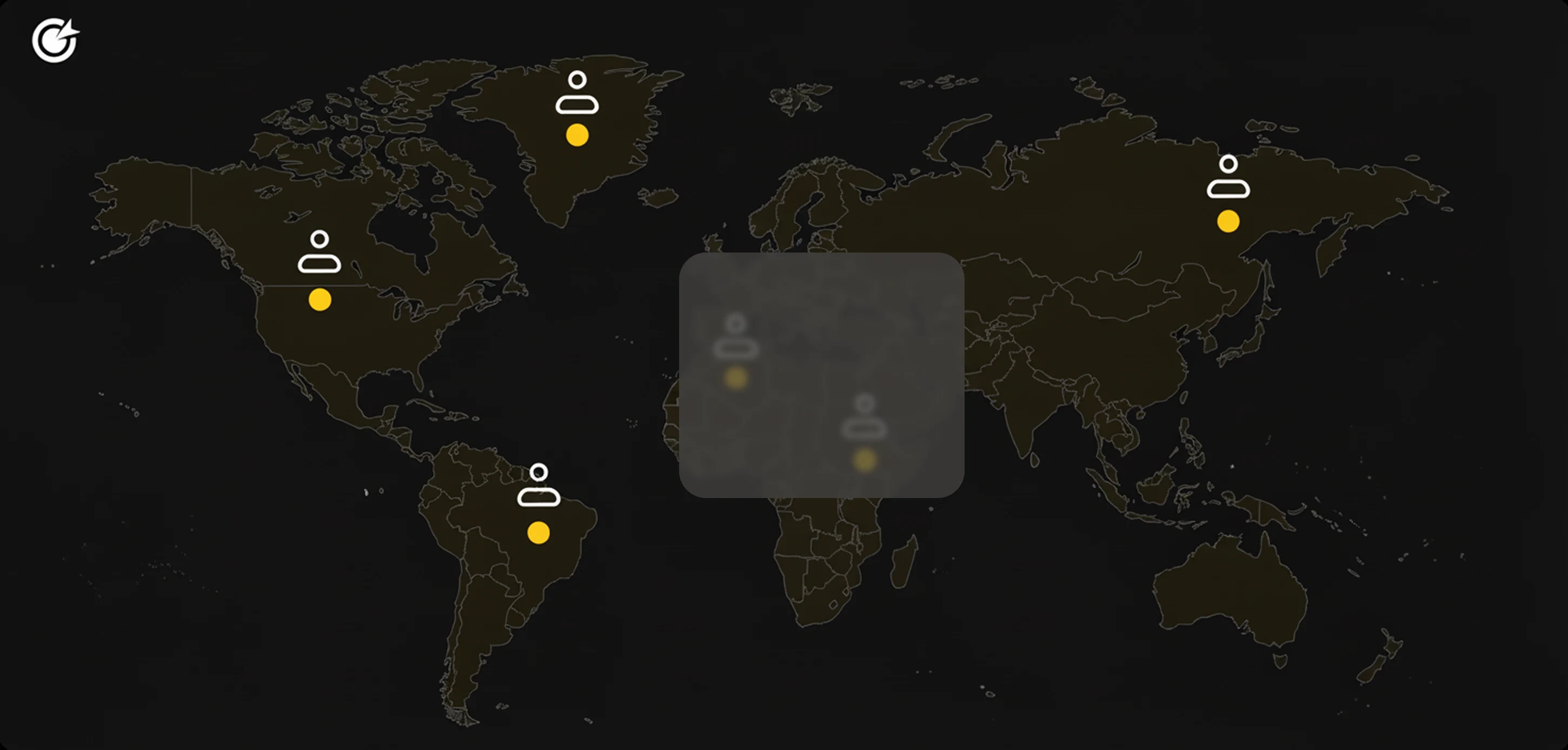
Hover over countries on the map to see the number of available developers in each location
Our dedicated android developers use the following technologies to build modern web applications.
Android Studio
IntelliJ IDEA
Visual Studio Code
Eclipse IDE
Vim
Emacs
Sublime Text
Atom
NetBeans
Code::Blocks
Jetpack Compose
Flutter
React Native
Kotlin/Native
Android Views
Material Components for Android
Litho
Anko
Xamarin
Weex
NativeScript
Firebase Analytics
Google Analytics
Mixpanel
Flurry Analytics
Crashlytics
New Relic
AppDynamics
Datadog
Sentry
Raygun
We offer comprehensive android services to help you build, maintain, and scale your applications.
Our developers specialize in creating custom Android applications using the Android SDK, ensuring each build aligns perfectly with your business needs. By leveraging tools like Android Studio and Gradle, we deliver applications that are tailored to enhance user engagement and drive business growth.
We optimize Android applications for speed and efficiency using performance profiling tools such as Android Profiler. Our engineers focus on reducing load times and improving responsiveness, resulting in a smoother user experience and increased customer satisfaction.
Our team facilitates the transition from outdated platforms to the Android SDK, using tools like Java to Kotlin converters for a modernized codebase. This migration ensures your application remains competitive and maintains compatibility with the latest Android features.
We conduct thorough testing of Android applications using Espresso and JUnit to ensure reliability and functionality. Our quality assurance process minimizes bugs and enhances user trust, leading to higher retention rates.
Our developers integrate Android SDK with Firebase to enhance app capabilities such as analytics, authentication, and cloud storage. This integration provides real-time data insights, helping you make informed business decisions.
We utilize Android SDK alongside Flutter to create cross-platform applications that maintain native performance. This approach expands your app's reach across different devices, maximizing your market potential.
Our engineers implement the MVVM architecture within Android SDK projects, promoting a clean and maintainable codebase. This design pattern improves code scalability, making it easier to introduce new features and updates.
We offer theming and customization services using Android SDK's Material Design components, allowing your app to reflect your brand identity. This customization enhances user recognition and loyalty.
Our team refines your development process by setting up efficient build pipelines with Gradle and CI/CD tools. This enhancement accelerates development cycles, enabling quicker time-to-market for your applications.
Need it built, not staffed?
Hiring a Android Sdk developer gives you a person on your team. Our mobile app development service gives you the finished work, scoped and shipped by the same vetted engineers, with the code and the IP yours at the end.
Our industry recognition is a testament to our rigorous vetting process and the impactful digital solutions we deliver. From connecting clients with top-tier global talent to building scalable web and mobile apps, our commitment to excellence sets us apart.

Clutch Top 1000 Companies

Top Entertainment App Developers

Expertise Best Mobile App Developer

Software World Top App Development Companies

Horizon Award Gold Awards Winner

Horizon Award Silver Awards Winner

Right firms Top Mobile App Development Company

Access free Android Developers job description templates, expert-curated interview questions, and comprehensive Android Developers roadmap to streamline your hiring process and find the best remote Android Developers for your team.
Download ready-to-use Android Developers job description templates tailored for your hiring needs.
Browse comprehensive FAQs and interview questions specifically for Android Developers and Android Developer roles.
Explore step-by-step learning paths and skill roadmaps specifically designed for Android Developers and Android Developer roles.
Discover expert-curated best practices, tips, and strategies specifically for Android Developer roles and hiring Android Developers.
Find answers to frequently asked questions about Softaims, our hiring process, developer vetting, pricing models, and how we ensure quality talent for your projects.
Free Productivity Timer Tools
Boost your team's productivity with our free online timer tools. Perfect for Pomodoro sessions, meetings, standups, and focused work sessions. No signup required, works offline.


By Victor K.
 Verified Expert in Engineering
13 years of experience
My name is Victor K. and I have over 13 years of experience in the tech industry. I specialize in the following technologies: Firebase, Kotlin, Gradle, Android SDK, Golang, etc.. Some of the notable projects I’ve worked on include: . I am based in Odessa, Ukraine.
I value a collaborative environment where shared knowledge leads to superior outcomes. I actively mentor junior team members, conduct thorough quality reviews, and champion engineering best practices across the team. I believe that the quality of the final product is a direct reflection of the team's cohesion and skill.
My experience at Softaims has refined my ability to effectively communicate complex technical concepts to non-technical stakeholders, ensuring project alignment from the outset. I am a strong believer in transparent processes and iterative delivery.
My main objective is to foster a culture of quality and accountability. I am motivated to contribute my expertise to projects that require not just technical skill, but also strong organizational and leadership abilities to succeed.
Android Developers specialize in creating applications for devices running the Android operating system. These professionals utilize the Android SDK to develop, test, and maintain applications that meet specific business needs, from enhancing user engagement to generating additional revenue streams. As Android continues to dominate the global mobile operating system market, companies have an increasing demand for skilled Android Developers to build high-quality apps that can reach millions of users worldwide.
This guide will provide a comprehensive overview of what it takes to hire Android Developers in 2026. We will cover the necessary skills, interview strategies, budget considerations, and the pros and cons of different hiring models. Whether you're looking to hire a dedicated Android Developer or considering offshore options, this guide will equip you with the knowledge to make informed decisions.
Companies hire Android Developers to build apps that are not only functional but also align with their business strategies. In my experience, the most effective approach I've seen involves using the Android SDK to develop custom applications that enhance user interaction and improve business operations. For instance, Netflix uses the Android platform to provide a frictionless streaming experience to its millions of users. Similarly, e-commerce giants like Amazon have Android apps that facilitate easy shopping experiences, significantly increasing customer retention and sales conversions.
The value that Android Developers bring is measurable. For example, a well-designed Android app can boost customer engagement by providing features that are difficult to achieve on other platforms. One pattern I've noticed is that businesses who invest in high-quality Android development often see an increase in their app download rates and user retention. According to a report from TechCrunch, companies with robust Android applications tend to have higher customer satisfaction scores, which directly translates to increased revenue.
Firms that skip hiring dedicated Android Developers often find themselves lagging behind in terms of mobile innovation. The Android SDK offers a vast range of tools and libraries that allow developers to create versatile applications, which can be a significant competitive advantage. According to MDN Web Docs, the Android platform supports a wide array of hardware and software capabilities, making it a versatile choice for businesses looking to engage with a broad audience.
When hiring Android Developers, it’s crucial to look for skills that are specific to the Android SDK. In practice, understanding these skills helps ensure the developer can meet your project requirements effectively. I found that the most competent Android Developers possess a blend of technical expertise and practical experience with the Android ecosystem. This includes a deep understanding of Java or Kotlin, as these are the primary programming languages used in Android development.
The skill categories to focus on include core Android SDK expertise, UI/UX design capabilities, and proficiency in using Android development tools like Android Studio. When I've interviewed Android Developers, their ability to demonstrate knowledge in these areas often correlates with their performance on the job. According to LinkedIn, developers who are proficient in these skills are more likely to create applications that are efficient, user-friendly, and aligned with the latest Android design guidelines.
Interviewing Android Developers requires a set of questions and techniques that are specific to the Android SDK. In my experience, technical interviews focusing on real-world scenarios are the most effective. I found that asking questions related to specific features or challenges in Android development can reveal a candidate's depth of understanding and problem-solving ability. For example, questions about handling asynchronous tasks or managing app lifecycles often provide insights into a developer's technical capabilities.
Behavioral assessment is another critical component of the interview process. In my experience, understanding a candidate's approach to teamwork and problem-solving is essential. One pattern I've noticed is that developers who can articulate their thought process clearly often excel in collaborative environments. A common mistake is to overlook behavioral assessments, which can lead to hiring technically skilled individuals who may not fit well within the team dynamics.
When assessing behavior, consider questions that explore past experiences and how the candidate handled specific situations. For instance, asking about a challenging project and the steps they took to overcome obstacles can reveal much about a candidate's resilience and ingenuity. According to HackerRank, combining technical and behavioral assessments provides a more holistic view of a candidate's potential.
The cost to hire Android Developers in 2026 varies significantly based on several factors, including location, experience level, and project complexity. In the United States, for example, salaries for Android Developers can range from $60,000 to $140,000 annually, depending on experience and expertise. According to PayScale, the hourly rate for Android Developers can range from $30 to $100, with senior developers commanding the higher end of the scale.
| Country | Junior Level (Per Hour) | Junior Level (Per Year) | Mid-Level (Per Hour) | Mid-Level (Per Year) | Senior Level (Per Hour) | Senior Level (Per Year) |
|---|---|---|---|---|---|---|
| United States | $30-$40 | $60,000-$80,000 | $50-$70 | $100,000-$120,000 | $80-$120 | $140,000-$160,000 |
| United Kingdom | $25-$35 | $50,000-$70,000 | $40-$60 | $80,000-$100,000 | $70-$110 | $130,000-$150,000 |
| Canada | $20-$30 | $40,000-$60,000 | $35-$55 | $70,000-$90,000 | $60-$100 | $120,000-$140,000 |
| Germany | $30-$40 | $60,000-$80,000 | $45-$65 | $90,000-$110,000 | $70-$110 | $130,000-$150,000 |
| India | $10-$20 | $20,000-$40,000 | $15-$25 | $30,000-$50,000 | $20-$40 | $50,000-$70,000 |
| Poland | $15-$25 | $30,000-$50,000 | $25-$35 | $50,000-$70,000 | $35-$55 | $80,000-$100,000 |
| Ukraine | $15-$25 | $30,000-$50,000 | $25-$35 | $50,000-$70,000 | $35-$55 | $80,000-$100,000 |
| Brazil | $10-$20 | $20,000-$40,000 | $15-$25 | $30,000-$50,000 | $20-$40 | $50,000-$70,000 |
Teams that hire Android Developers through Softaims gain access to pre-screened talent at rates significantly below the US market average — without compromising on quality or technical depth. Developers are matched to your requirements within 48 hours, giving you direct access to senior Android SDK talent at a fraction of the cost of a local hire.
Deciding whether to hire dedicated or freelance Android Developers depends on your specific project needs and constraints. In practice, dedicated developers are often the best choice for long-term projects or when you need consistent innovation and updates. They provide a deeper understanding of your business needs and can integrate more fully into your existing team structure. I found that dedicated Android Developers are particularly beneficial for companies looking to build complex, ongoing applications that require significant maintenance and updates.
On the other hand, freelance Android Developers are ideal for short-term projects or when you need to fill a temporary skill gap. A common mistake is to hire freelancers for projects that require ongoing support, which can lead to challenges in maintaining the application's quality over time. Freelancers offer flexibility and can be a cost-effective solution if you have a well-defined project scope and timeline.
Teams that hire Android Developers through Softaims have the advantage of finding both dedicated and freelance talent quickly. This flexibility allows companies to adapt to changing project needs without the lengthy recruitment process. According to Entrepreneur, leveraging both dedicated and freelance models can help companies stay agile and efficient in their development processes.
Hiring offshore Android Developers can provide significant cost advantages over local hiring, especially for companies in regions with higher salary expectations like the United States. In my experience, offshore developers offer quality work at a fraction of the cost, without compromising on the talent pool's expertise. This is particularly beneficial for startups and small businesses that need to manage budgets carefully while still accessing high-quality development talent.
Teams that hire Android Developers through Softaims gain access to vetted offshore talent within 48 hours, ensuring that quality and communication standards are met. This approach not only reduces hiring times significantly but also facilitates collaboration across different time zones, allowing for continuous development cycles. According to Harvard Business Review, companies that effectively manage offshore teams often see improved productivity and reduced overhead costs.
| Factor | Local (US) Hire | Offshore Android Developer via Softaims |
|---|---|---|
| Junior Annual Salary | $60,000–$80,000 | $20,000–$40,000 |
| Senior Annual Salary | $140,000–$160,000 | $50,000–$70,000 |
| Hourly Rate (Mid-Level) | $50–$70/hr | $25–$35/hr |
| Average Time to Hire | 4–8 weeks | 24–48 hours |
| Benefits & Overhead | +25–35% on top of salary | None |
| Contract Flexibility | Full-time preferred | Full-time / Part-time / Project-based |
| Talent Pool Access | Regional | Global |
In my experience, there are several red flags that can indicate potential issues when interviewing Android Developers. One significant red flag is a lack of understanding of the Android SDK's core components. If a candidate cannot explain how they would implement a RecyclerView or manage different screen sizes effectively, this may indicate a lack of hands-on experience. This is crucial as these components are fundamental to creating efficient and adaptable Android applications.
Another red flag is the inability to articulate the app lifecycle and how to manage state changes effectively. In practice, this can lead to apps that are unstable or crash when interrupted by incoming calls or notifications. When I've interviewed Android Developers, those who struggle to explain lifecycle management often produce applications that are less reliable and more prone to bugs. According to Stack Overflow, understanding the app lifecycle is essential for developing apps that offer a consistent user experience.
Teams that skip this step often face challenges with app performance and user satisfaction. A common mistake is to overlook the importance of testing and debugging skills. Candidates who don't prioritize testing or who offer vague answers about their debugging process may not be thorough in ensuring app stability. Verifying a candidate's proficiency with testing frameworks and their approach to debugging is a critical step in the hiring process.
Evaluating Android Developers requires a structured approach to ensure they possess the necessary skills and experience to meet your project requirements. In my experience, a comprehensive evaluation process helps identify candidates who not only have technical prowess but also fit well within the team dynamics. This involves a combination of technical assessments, interviews, and practical tests that focus on Android SDK-specific skills.
The most effective approach I've seen is to use a combination of these steps to form a holistic view of the candidate's capabilities. This ensures that the developer you hire not only has the technical skills but also the ability to work effectively within your team. According to GitHub, reviewing a candidate's code contributions can provide valuable insights into their coding standards and practices.
Having a structured hiring process checklist is crucial when looking to hire Android Developers. In my experience, it not only speeds up the hiring process but also ensures that no critical steps are missed. A common mistake is to jump directly into interviews without a clear understanding of the project requirements and the specific skills needed. This can lead to hiring developers who may not be the best fit for your project.
In practice, a well-organized checklist helps teams identify the right talent efficiently. One pattern I've noticed is that teams that use a checklist are better prepared for interviews and technical assessments, resulting in a higher success rate in finding qualified candidates. This organized approach also aids in setting clear expectations for both the hiring team and the candidates, leading to a smoother recruitment experience.
According to Greenhouse ATS, using an applicant tracking system can greatly improve the efficiency of your hiring process. Implementing a checklist can ensure that all team members are aligned and that each step is executed consistently, leading to more successful hires.
Onboarding Android Developers effectively is crucial for ensuring they become productive members of the team quickly. In my experience, the most successful onboarding processes are those that are well-structured and include a comprehensive introduction to the company's tools and workflows. One common mistake is to assume that developers will pick up everything on their own, which can lead to delays and frustration.
The most effective approach I've seen includes providing access to all necessary development tools and resources on day one, including Android Studio, Git repositories, and any relevant documentation. Teams that skip this step often find that their developers take longer to ramp up. A well-organized onboarding process also includes assigning a mentor or buddy to help the new developer navigate the team's processes and culture.
According to Harvard Business Review, effective onboarding can significantly reduce the time it takes for new hires to reach full productivity. Establishing clear expectations and providing a roadmap for the first few weeks can help developers integrate smoothly into their new roles. This organized approach not only improves individual performance but also contributes to overall team success.
Hiring Android Developers comes with its own set of challenges. One of the most significant issues is the scarcity of experienced Android SDK talent. In my experience, finding developers with the right mix of skills and experience can be difficult, especially for complex projects. Teams that skip this step often face challenges in building applications that meet quality and performance standards.
Another challenge is assessing practical experience versus theoretical knowledge. When I've interviewed Android Developers, I found that those who can demonstrate their ability to apply their skills in real-world scenarios tend to perform better. A common mistake is to rely solely on certifications or educational qualifications without evaluating hands-on experience, which can result in hires who struggle with practical implementation.
Retention is also a significant challenge. Developers with Android SDK expertise are in high demand, and retaining top talent can be difficult. One effective strategy I've noticed is to offer competitive salaries and opportunities for professional development, which can help keep skilled developers engaged and satisfied. According to Forbes, companies that invest in employee growth and satisfaction tend to have higher retention rates.
When it comes to hiring Android Developers, utilizing the right tools and resources can make the process more efficient and effective. In my experience, one of the best solutions is Softaims, which handles candidate sourcing, skill verification, technical vetting, and profile screening internally. This comprehensive approach allows companies to access pre-vetted Android Developers without having to run their own recruitment stack.
Softaims replaces the need for clients to manually juggle sourcing through LinkedIn, ATS systems, and technical assessment platforms. This is particularly beneficial for companies that want to focus on their core business activities while leaving the recruitment complexities to experts. Teams that skip this step often find themselves overwhelmed by the logistics of managing multiple hiring platforms.
While platforms like HackerRank or Codility exist for self-managed hiring, Softaims removes that burden entirely by providing a streamlined service that delivers results quickly. For those interested in accessing a pool of top-tier Android SDK talent, visit Softaims. To get started with your hiring process, contact us at Softaims.
In 2026, several trends are shaping the landscape of Android SDK development and hiring. One significant trend is the rise of AI-driven features in Android applications. In my experience, developers who can integrate machine learning models into their apps are highly sought after. This trend is pushing companies to hire Android Developers who have expertise in both the Android SDK and machine learning frameworks, creating a niche skill set that is in high demand.
Another trend is the increasing importance of cross-platform development tools. Tools like Flutter and React Native allow developers to write code once and deploy it on both Android and iOS platforms. In practice, this means companies are looking for developers who have experience with these tools in addition to traditional Android SDK skills. This ability to develop cross-platform applications efficiently is becoming a valuable asset in the hiring process.
Finally, there's a growing emphasis on security and data privacy in Android app development. With increasing scrutiny on how applications handle user data, developers with expertise in implementing secure code and understanding data protection regulations are becoming more valuable. According to TechCrunch, companies are prioritizing security features as a critical component of their development strategies, influencing hiring decisions and developer demand.
Hire top-tier Android Developers through Softaims within 48 hours and take advantage of our global talent pool. Find the best Android SDK expertise for your projects by contacting Softaims.
When hiring Android Developers, prioritizing skills such as proficiency in Java and Kotlin, understanding of Android SDK, and experience with Android Studio is crucial. These skills are essential for developing high-quality applications that meet modern user expectations. The biggest red flag in Android SDK interviews is a lack of practical experience with lifecycle management, which can lead to unstable apps. The most effective hiring model depends on your project needs; dedicated developers are ideal for long-term projects, while freelancers offer flexibility for short-term tasks.
A well-structured onboarding process can significantly reduce the ramp-up time for new Android Developers. By providing access to necessary tools and assigning a mentor, developers can become productive more quickly. Hiring the right Android Developer can have a measurable impact on your business, enhancing app quality and user satisfaction. To explore how you can benefit from hiring skilled Android Developers, reach out to Softaims.


 Github
 Stackoverflow