
Daniel Russo
ScaleUp software
Working with Softaims allowed us to quickly onboard highly skilled engineers who integrated seamlessly with our team. The experience was smooth and the results exceeded our expectations.
Video testimonial available
See pre-vetted ecommerce specialists with transparent hourly rates, experience, ratings, and filters to quickly shortlist the right candidates for your project.




Clients rate Softaims Ecommerce Specialists4.9 / 5.0 on averagebased on 13,542 reviews.
Vetted Experts
Trial-to-Hire Success Rate
Fast Candidate Matching
"Working with Softaims allowed us to quickly onboard highly skilled engineers who integrated seamlessly with our team. The experience was smooth and the results exceeded our expectations."

Daniel Russo
ScaleUp software


 Trustpilot
Explore related technologies and frameworks to find the perfect developer for your project

Softaims connects you with rigorously vetted full-time and freelance software engineers across every modern tech stack. From AI specialists to Cloud Architects, access a curated network of elite remote talent designed to scale your business.
Every Ecommerce Specialist in our talent pool has gone through our rigorous vetting process, so you can be confident that they will perform as well in reality as they do on paper.
Within 48 hours of your request, we send you a list of Ecommerce Specialists who meet your needs and who are ready to join your team as soon as you're ready.
Access top talent from around the world at competitive rates without compromising on quality or expertise. Get the best value for your hiring budget.
Make your hiring process bulletproof with our replacement guarantee. Not happy with your Ecommerce Specialist? We'll replace them, no charges, no questions.
Quickly find Ecommerce Specialists that match your requirements with our advanced filtering system. Filter by skills, experience, hourly rate, location, and more.
Whether you need a full-time team member or a freelance Ecommerce Specialist for a specific project, we have the right talent ready to join your team.
Trustpilot| Features | Softaims | Toptal | Upwork | Freelancers | In-house Resources |
|---|---|---|---|---|---|
Fully Compliant Developers are employed by U.S corporations | |||||
High-Quality Pre-vetted, highly trained, and skilled resources | |||||
Affordability Competitive rates without compromising quality | |||||
Try Before You Buy Test developers before committing | |||||
Secure Locations Developers work in secure and monitored environments | |||||
Highly Scalable Plug in and out developers based on your business needs | |||||
Diverse Tech Stack Broad expertise in diverse tech stack in your time zone |
ScaleUp software
Working with Softaims allowed us to quickly onboard highly skilled engineers who integrated seamlessly with our team. The experience was smooth and the results exceeded our expectations.
Video testimonial available

Ex-VP Engineering at Uber
Softaims made hiring remote developers effortless. The talent matched our requirements perfectly, and collaboration with the team was extremely efficient.
Video testimonial available

CT0 at EdAider
The Softaims platform gave us access to developers who immediately added value. Their expertise and professionalism made the entire process seamless.
Video testimonial available

Hello Median
Softaims helped us scale our engineering team quickly. The quality of the developers and the speed of onboarding were impressive.
Video testimonial available

CEO at Stads.io
Hiring through Softaims was straightforward and effective. We were able to collaborate with skilled engineers who understood our technical needs.
Video testimonial available

CEO at Onenine
Softaims provided us with experienced developers who contributed immediately to our projects. The process was efficient and the results were excellent.

CEO at Sparklaunch Media
Softaims provided us access to highly skilled remote engineers who contributed immediately. The process was efficient, and the quality of work exceeded our expectations.

CEO at Lovart
Hiring through Softaims was seamless. We were able to find developers who perfectly matched our technical requirements and collaborated effectively with our in-house team.
ScaleUp software
Working with Softaims allowed us to quickly onboard highly skilled engineers who integrated seamlessly with our team. The experience was smooth and the results exceeded our expectations.
Ex-VP Engineering at Uber
Softaims made hiring remote developers effortless. The talent matched our requirements perfectly, and collaboration with the team was extremely efficient.
CT0 at EdAider
The Softaims platform gave us access to developers who immediately added value. Their expertise and professionalism made the entire process seamless.
Hello Median
Softaims helped us scale our engineering team quickly. The quality of the developers and the speed of onboarding were impressive.
CEO at Stads.io
Hiring through Softaims was straightforward and effective. We were able to collaborate with skilled engineers who understood our technical needs.
CEO at Onenine
Softaims provided us with experienced developers who contributed immediately to our projects. The process was efficient and the results were excellent.
CEO at Sparklaunch Media
Softaims provided us access to highly skilled remote engineers who contributed immediately. The process was efficient, and the quality of work exceeded our expectations.
CEO at Lovart
Hiring through Softaims was seamless. We were able to find developers who perfectly matched our technical requirements and collaborated effectively with our in-house team.
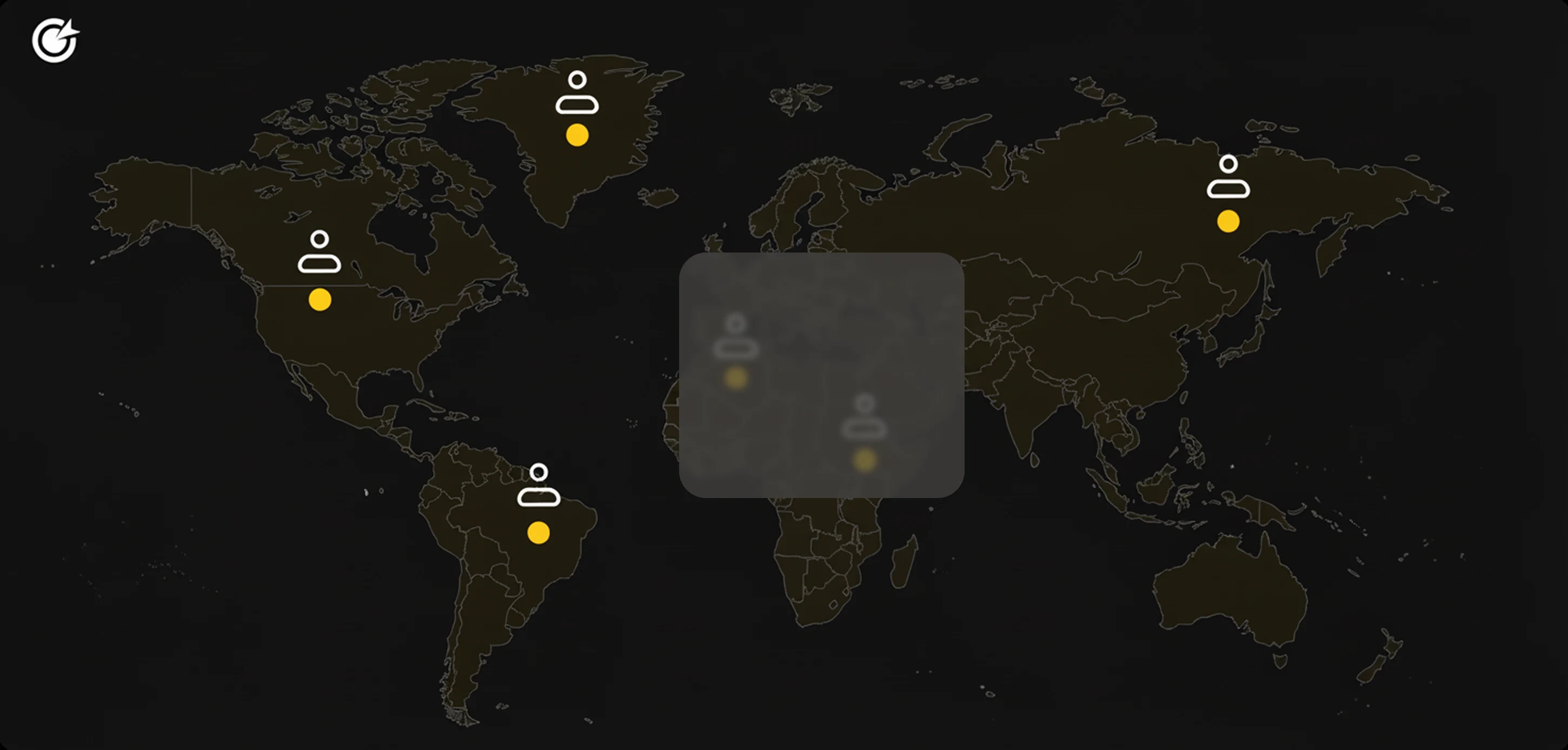
Hire Softaims talent around the world
25.1K+
Softaims ecommerce specialists in the world
434+
We'll help you find the perfect fit for your team. From AI specialists to Cloud Architects, access a curated network of elite remote talent designed to scale your business.
Hire Ecommerce Specialist
Hover over countries on the map to see the number of available developers in each location
Our dedicated ecommerce specialists use the following technologies to build modern web applications.
Shopify
BigCommerce
commercetools
Salesforce Commerce Cloud
Adobe Commerce
Commerce Layer
Swell
Elastic Path
VTEX
Nacelle
Fabric
Wix eCommerce
SAP Commerce Cloud
Algolia
Meilisearch
Typesense
Bloomreach
Klevu
Nosto
Constructor.io
Searchspring
Coveo
Clerk.io
Luigi's Box
Yext
We offer comprehensive ecommerce specialists services to help you build, maintain, and scale your applications.
We architect decoupled, future-proof ecommerce solutions using MACH (Microservices, API-first, Cloud-native, and Headless) principles. By utilizing platforms like Commercetools, BigCommerce, or Shopify Plus, our engineers deliver ultra-fast, highly flexible storefronts that can be updated without disturbing backend logic.
We build sophisticated recommendation systems using machine learning to analyze user behavior in real-time. Our engineers implement hyper-personalized shopping experiences—from dynamic product grids to tailored promotional content—proven to increase Average Order Value (AOV) and customer lifetime value.
Our team develops complex B2B solutions designed for high-volume transactions and multi-layered organizational structures. We implement advanced features like tiered pricing, bulk ordering workflows, corporate account management, and custom request-for-quote (RFQ) systems tailored for global trade.
We unify your retail presence across web, mobile, social media, and physical storefronts. Our engineers build centralized hubs that synchronize inventory, orders, and customer data across global marketplaces like Amazon, eBay, and Walmart, ensuring a consistent brand experience everywhere.
We implement global payment architectures that support multi-currency, localized gateways, and 'Buy Now, Pay Later' (BNPL) options. Our developers ensure 100% PCI-DSS compliance and integrate advanced fraud detection systems to protect your revenue and build customer trust.
Transform your supply chain into a competitive advantage. We build AI models that analyze seasonal trends, market fluctuations, and historical data to predict inventory needs with precision, reducing stockouts and overstock costs through automated replenishment systems.
We bridge the gap between web and mobile with ecommerce PWAs that offer lightning-fast load times and offline capabilities. By focusing on Core Web Vitals and app-like interactions, we significantly reduce bounce rates and increase mobile conversion rates for global retailers.
Our engineers build robust subscription frameworks for digital and physical products. We integrate specialized tools like Recharge or Bold to handle complex recurring billing, automated renewals, and flexible customer portals, driving predictable long-term revenue growth.
We ensure your storefront is a seamless extension of your business operations. Our experts specialize in deep-level integrations with ERPs like NetSuite, SAP, and Microsoft Dynamics, and CRMs like Salesforce, creating a 360-degree view of your operations and customer interactions.
Our industry recognition is a testament to our rigorous vetting process and the impactful digital solutions we deliver. From connecting clients with top-tier global talent to building scalable web and mobile apps, our commitment to excellence sets us apart.

Clutch Top 1000 Companies

Top Entertainment App Developers

Expertise Best Mobile App Developer

Software World Top App Development Companies

Horizon Award Gold Awards Winner

Horizon Award Silver Awards Winner

Right firms Top Mobile App Development Company

Access free Ecommerce Specialists job description templates, expert-curated interview questions, and comprehensive Ecommerce Specialists roadmap to streamline your hiring process and find the best remote Ecommerce Specialists for your team.
Download ready-to-use Ecommerce Specialists job description templates tailored for your hiring needs.
Browse comprehensive FAQs and interview questions specifically for Ecommerce Specialists and Ecommerce Specialist roles.
Explore step-by-step learning paths and skill roadmaps specifically designed for Ecommerce Specialists and Ecommerce Specialist roles.
Discover expert-curated best practices, tips, and strategies specifically for Ecommerce Specialist roles and hiring Ecommerce Specialists.
Find answers to frequently asked questions about Softaims, our hiring process, developer vetting, pricing models, and how we ensure quality talent for your projects.
Free Productivity Timer Tools
Boost your team's productivity with our free online timer tools. Perfect for Pomodoro sessions, meetings, standups, and focused work sessions. No signup required, works offline.


By Matthew L.
 Verified Expert in Engineering
14 years of experience
My name is Matthew L. and I have over 14 years of experience in the tech industry. I specialize in the following technologies: WordPress, WordPress Development, WordPress e-Commerce, Shopify, Squarespace, etc.. I hold a degree in Associate's degree. Some of the notable projects I’ve worked on include: Elevated Home Page Redesign Plan, Landing Page Design Needed for 2020 Ryder Cup Tournament, Home Page Redesign Proposal, Wordpress/Woocommerce Site Redesign, Wordpress Woocommerce, etc.. I am based in Fernandina Beach, United States. I've successfully completed 26 projects while developing at Softaims.
I am a dedicated innovator who constantly explores and integrates emerging technologies to give projects a competitive edge. I possess a forward-thinking mindset, always evaluating new tools and methodologies to optimize development workflows and enhance application capabilities. Staying ahead of the curve is my default setting.
At Softaims, I apply this innovative spirit to solve legacy system challenges and build greenfield solutions that define new industry standards. My commitment is to deliver cutting-edge solutions that are both reliable and groundbreaking.
My professional drive is fueled by a desire to automate, optimize, and create highly efficient processes. I thrive in dynamic environments where my ability to quickly master and deploy new skills directly impacts project delivery and client satisfaction.
As the digital landscape continues to evolve, hiring skilled E-commerce Developers is becoming increasingly critical for businesses aiming to establish a strong online presence. E-commerce Developers are responsible for creating and maintaining online stores, ensuring seamless user experience, and integrating various payment gateways. Their expertise is vital for businesses looking to capitalize on the growing trend of online shopping, which is expected to reach new heights by 2026. With the right E-commerce Developers, companies can enhance their digital platforms and drive significant revenue growth.
In this comprehensive guide, we will explore the essential aspects of hiring E-commerce Developers, including the skills to look for, the cost of hiring, and the differences between dedicated and freelance developers. We will also provide actionable insights and tips for selecting the best candidates for your business needs. Understanding the intricacies of this role can help you make informed decisions and build a capable team that supports your e-commerce initiatives. To further assist you, we will include links to reliable resources and tools that can aid in your hiring process.

When hiring E-commerce Developers, it's crucial to identify candidates who possess a robust set of skills that align with your business objectives. An ideal candidate should have a strong understanding of HTML, CSS, and JavaScript, the foundational languages of web development. These skills enable developers to build responsive and visually appealing websites that function seamlessly across various devices. Additionally, proficiency in React or Angular can enhance the interactivity and performance of your e-commerce platform. For more on these technologies, visit React and Angular.
E-commerce Developers should also be familiar with back-end technologies such as Node.js or Python for handling server-side logic. These technologies enable developers to create efficient and scalable applications that can handle high traffic volumes typically associated with successful e-commerce sites. Furthermore, experience with RESTful APIs is essential for integrating third-party services and ensuring smooth communication between different system components. Explore more about back-end technologies at Node.js and Python.
Another critical skill set includes understanding e-commerce platforms like Shopify, Magento, or WooCommerce. Familiarity with these platforms allows developers to customize online stores according to specific business needs and integrate essential features such as inventory management and payment gateways. Additionally, knowledge of SEO best practices is vital for optimizing product pages and improving site visibility on search engines. Visit Shopify and Magento for more information on these platforms.
Hiring E-commerce Developers requires a strategic approach to ensure you attract and retain the best talent. Begin by clearly defining the role and responsibilities of the E-commerce Developers within your organization. This involves outlining the specific technologies and platforms they will work with, as well as the goals you aim to achieve with your e-commerce platform. A well-defined job description helps attract candidates who are genuinely interested and qualified for the position. For guidance on creating effective job descriptions, refer to Softaims Guide.
Next, utilize various channels to reach potential candidates. Job boards such as Indeed and LinkedIn are excellent platforms for posting job listings and searching for qualified individuals. Additionally, consider leveraging industry-specific forums and communities where E-commerce Developers frequently engage. These platforms can provide access to a pool of candidates who are actively seeking new opportunities and are passionate about their craft.
Once you have a list of potential candidates, conduct thorough technical interviews to assess their expertise and problem-solving abilities. During interviews, ask questions that gauge their understanding of relevant technologies and their experience in developing e-commerce platforms. Additionally, consider using coding assessments or live coding sessions to evaluate their practical skills. For more interview tips, visit HackerRank.
Finally, assess the cultural fit and soft skills of candidates, as these are crucial for ensuring they can work well within your team. Effective communication, collaboration, and adaptability are essential traits for E-commerce Developers, given the dynamic nature of the industry. Once you've identified the right candidate, negotiate the terms of employment and finalize the offer, ensuring it aligns with industry standards and expectations.
Conducting interviews for E-commerce Developers involves asking a mix of technical and behavioral questions to assess candidates' skills and suitability for the role. Technical questions should focus on the candidate's proficiency with front-end and back-end technologies, as well as their experience with e-commerce platforms. For instance, you might ask, "Can you explain how you would implement a secure payment gateway integration?" or "Describe a challenging project you worked on and how you overcame the obstacles." These questions help evaluate the candidate's problem-solving skills and practical experience.
Behavioral questions are equally important, as they provide insight into how candidates handle teamwork, deadlines, and communication. Questions like "Describe a situation where you had to collaborate with a challenging team member" or "How do you prioritize tasks when working on multiple projects?" help assess the candidate's interpersonal skills and ability to thrive in a collaborative environment.
To further evaluate candidates, consider using technical assessments or coding challenges that simulate real-world scenarios. Platforms like Codewars and LeetCode offer a variety of coding problems that can test a candidate's problem-solving abilities and technical expertise. Such assessments provide valuable insights into a candidate's practical skills and readiness to tackle complex e-commerce projects.
The cost of hiring E-commerce Developers varies significantly depending on the region, experience level, and technical expertise. In 2026, the demand for skilled developers is expected to remain high, influencing salary trends across different countries. Understanding these variations can help businesses budget effectively and make informed hiring decisions.
| Country | Average Salary (USD) |
|---|---|
| United States | $110,000 - $130,000 |
| United Kingdom | $85,000 - $105,000 |
| Canada | $90,000 - $110,000 |
| Australia | $95,000 - $115,000 |
| Germany | $100,000 - $120,000 |
| Switzerland | $120,000 - $140,000 |
| India | $30,000 - $50,000 |
| Singapore | $90,000 - $110,000 |
| Israel | $100,000 - $120,000 |
| Japan | $95,000 - $115,000 |
Salaries in the United States and Switzerland tend to be on the higher end, reflecting the competitive market for top talent in these regions. Conversely, countries like India offer more cost-effective hiring solutions, making them attractive options for businesses looking to optimize their budgets. It's crucial to consider the cost of living and the quality of candidates available in each region when evaluating salary expectations.
Deciding between hiring dedicated E-commerce Developers or opting for freelancers depends on your project requirements, budget, and long-term business goals. Dedicated E-commerce Developers are typically full-time employees who work exclusively on your projects. They offer the advantage of deep integration within your team and a thorough understanding of your business processes. This approach is ideal for companies that require ongoing development and maintenance of complex e-commerce platforms.
Freelance E-commerce Developers, on the other hand, provide flexibility and scalability, making them suitable for short-term projects or specific tasks that do not require continuous oversight. They can be a cost-effective solution for businesses looking to reduce overhead costs without compromising quality. However, managing freelancers can be challenging, especially when coordinating multiple developers across different time zones.
Platforms like Softaims offer both dedicated and freelance options, allowing businesses to choose the model that best suits their needs. Softaims provides access to a diverse pool of E-commerce Developers, enabling companies to find the right talent quickly and efficiently. This flexibility ensures that businesses can adapt to changing project demands and scale their development efforts as needed.
Ultimately, the decision to hire dedicated versus freelance E-commerce Developers should align with your strategic objectives and resource availability. Consider factors such as project complexity, timeline, and budget constraints when making this choice. By evaluating these aspects carefully, you can optimize your hiring strategy and ensure the successful execution of your e-commerce initiatives.
Companies hire E-commerce Developers to leverage their expertise in building and maintaining robust online platforms that drive sales and enhance customer experiences. As online shopping continues to grow, businesses need to offer seamless, user-friendly interfaces that cater to a global audience. E-commerce Developers play a vital role in achieving this by creating responsive designs, integrating secure payment systems, and ensuring site performance meets user expectations. For insights on e-commerce trends, visit Forrester.
Moreover, E-commerce Developers help businesses stay competitive by implementing the latest technologies and features that enhance the shopping experience. From personalized recommendations to advanced search capabilities, developers can incorporate innovative solutions that increase customer engagement and retention. Their ability to adapt to changing market trends and consumer behaviors is crucial for businesses looking to remain relevant in a fast-paced digital environment. Discover more about technological advancements at Gartner.
In addition to technical skills, E-commerce Developers bring valuable insights into optimizing business processes and improving operational efficiency. By automating tasks such as inventory management and order processing, they enable companies to streamline operations and reduce costs. This operational expertise is essential for businesses aiming to scale their online presence and achieve sustainable growth. Learn more about e-commerce strategies at McKinsey.
Identifying red flags during interviews can help you avoid costly hiring mistakes and ensure you select the best candidates. One significant red flag is a lack of concrete examples or real-world experience. If a candidate cannot provide specific instances where they have applied their skills in e-commerce projects, it may indicate a lack of practical expertise. In such cases, asking for detailed project descriptions and outcomes can reveal whether they possess the necessary skills and experience.
Another red flag is an inability to explain technical concepts clearly. E-commerce Developers should be able to articulate their thought processes and solutions effectively, even to non-technical stakeholders. If a candidate struggles to communicate complex ideas, it could lead to misunderstandings and inefficiencies within the team. Assessing communication skills during interviews is crucial for ensuring seamless collaboration.
Finally, pay attention to a candidate's attitude towards continuous learning and adaptation. The technology landscape is constantly evolving, and E-commerce Developers must stay updated with the latest trends and tools. Candidates who express a reluctance to learn new skills or adapt to industry changes may not be the right fit for a dynamic, forward-thinking organization. Encouraging candidates to discuss recent courses or certifications they've completed can provide insights into their commitment to professional growth.
Evaluating E-commerce Developers involves a structured approach to assess their technical skills, problem-solving abilities, and cultural fit. Start by reviewing candidates' resumes and portfolios to identify relevant experience and accomplishments. Look for projects that demonstrate their expertise in e-commerce development and their ability to deliver successful outcomes. For more on resume evaluation, visit The Balance Careers.
Next, conduct initial phone screenings to gauge candidates' communication skills and enthusiasm for the role. These conversations provide an opportunity to discuss their motivations and career aspirations, helping you determine whether they align with your company's values and goals. Following the phone screenings, administer technical assessments to evaluate candidates' coding skills and problem-solving capabilities.
After technical assessments, host panel interviews where candidates can engage with different team members. This approach allows you to gather diverse perspectives on the candidate's potential fit within the team. During these interviews, assess both technical expertise and interpersonal skills, ensuring candidates can collaborate effectively in a team environment. Finally, check references to verify past performance and gather additional insights into their work ethic and reliability.
Having a comprehensive hiring process checklist ensures that you cover all necessary steps when hiring E-commerce Developers. Start by defining your hiring criteria, including the skills, experience, and qualifications required for the role. This clarity helps guide the entire process and ensures consistency in candidate evaluation. For more on creating hiring checklists, visit SHRM.
Next, prepare job descriptions and post them on relevant job boards and social media platforms to attract a diverse pool of candidates. Ensure that your job postings highlight the unique aspects of your company culture and the benefits of working with your team. This approach can help attract candidates who are genuinely interested in your organization and its values.
Once you've attracted candidates, screen applications and resumes to shortlist individuals who meet your criteria. Conduct interviews and assessments to evaluate their technical skills and cultural fit. Finally, evaluate the final candidates and extend offers to those who align with your company's goals and values. Ensure a smooth onboarding process to integrate new hires efficiently and set them up for success.
The landscape of e-commerce development is continuously evolving, with new trends emerging that shape how businesses approach online retail. One significant trend is the increasing emphasis on personalization, driven by advancements in data analytics and machine learning. E-commerce Developers are now tasked with creating personalized shopping experiences that cater to individual customer preferences, enhancing engagement and loyalty. For more on personalization trends, visit Accenture.
Another trend is the growing importance of mobile commerce, as more consumers use smartphones for online shopping. E-commerce Developers must prioritize mobile-first design and ensure seamless user experiences across all devices. This shift requires developers to adopt responsive design principles and optimize site performance for mobile users. For insights on mobile commerce, refer to eMarketer.
Additionally, the integration of artificial intelligence and augmented reality is transforming how consumers interact with online stores. E-commerce Developers are leveraging these technologies to create immersive shopping experiences that enhance product visualization and decision-making. These innovations are expected to become standard features in e-commerce platforms by 2026, offering new opportunities for businesses to differentiate themselves in a competitive market. Learn more about AI and AR trends at PwC.
Search engine optimization (SEO) is a critical component of e-commerce development, as it directly impacts a website's visibility and traffic. E-commerce Developers must implement SEO best practices to ensure that online stores rank highly on search engine results pages. This involves optimizing product descriptions, meta tags, and URLs to include relevant keywords that reflect consumer search behavior. For SEO guidelines, visit Moz.
Another essential aspect of SEO is improving site speed and performance. E-commerce Developers should prioritize efficient coding practices, image optimization, and the use of content delivery networks (CDNs) to reduce page load times. Faster websites not only improve user experience but also receive favorable rankings from search engines like Google. For more on site speed optimization, refer to Google PageSpeed Insights.
Finally, building high-quality backlinks remains a crucial strategy for boosting SEO. E-commerce Developers can collaborate with marketing teams to create engaging content that attracts links from reputable websites. This approach enhances the store's authority and trustworthiness, further improving its search engine rankings. Explore more about backlinks at Ahrefs.
Ensuring the security of online stores is paramount for E-commerce Developers, as data breaches can have severe consequences for businesses and consumers alike. Implementing robust security measures helps protect sensitive customer information and maintain trust in the e-commerce platform. Developers should prioritize using HTTPS protocols to encrypt data transmitted between the server and the user's browser, safeguarding against potential interception. For more on HTTPS implementation, visit Let's Encrypt.
Another critical aspect of security is implementing strong authentication mechanisms, such as two-factor authentication (2FA) and secure password policies. These measures add an extra layer of protection against unauthorized access to user accounts and sensitive data. For insights on authentication practices, refer to Auth0.
Regularly updating software and plugins is essential for maintaining a secure e-commerce platform. E-commerce Developers must stay vigilant about applying security patches and updates to prevent vulnerabilities that hackers could exploit. Additionally, conducting regular security audits and penetration testing helps identify and address potential weaknesses in the system. For more on security audits, explore SANS Institute.
Integrating payment gateways is a crucial task for E-commerce Developers, as it directly affects the user experience and transaction security. Developers must choose reliable payment gateway providers that offer secure and seamless transactions. Popular options include Stripe, PayPal, and Square, each offering various features tailored to different business needs.
When integrating payment gateways, E-commerce Developers should prioritize implementing strong encryption protocols to protect sensitive payment information. This includes using Secure Socket Layer (SSL) certificates and ensuring compliance with Payment Card Industry Data Security Standards (PCI DSS). For more on PCI compliance, visit PCI Security Standards Council.
Additionally, providing users with diverse payment options enhances the shopping experience and can increase conversion rates. E-commerce Developers should consider integrating multiple payment methods, such as credit cards, digital wallets, and bank transfers, to accommodate various customer preferences. For insights on payment options, refer to Oberlo.
As we look towards 2026, the demand for skilled E-commerce Developers will only continue to rise, driven by the rapid growth of online shopping and technological advancements. Companies must adopt a strategic approach to hiring, focusing on identifying candidates with the right blend of technical expertise, problem-solving abilities, and cultural fit. By leveraging the insights and strategies outlined in this guide, businesses can build a capable team of E-commerce Developers that supports their digital objectives and drives long-term success. Staying informed about industry trends and continuously adapting to new challenges will ensure that your e-commerce platform remains competitive in an ever-evolving digital landscape.


 Github
 Stackoverflow