
Daniel Russo
ScaleUp software
Working with Softaims allowed us to quickly onboard highly skilled engineers who integrated seamlessly with our team. The experience was smooth and the results exceeded our expectations.
Video testimonial available
See pre-vetted django developers with transparent hourly rates, experience, ratings, and filters to quickly shortlist the right candidates for your project.




Clients rate Softaims Django Developers4.9 / 5.0 on averagebased on 13,542 reviews.
Vetted Experts
Trial-to-Hire Success Rate
Fast Candidate Matching
"Working with Softaims allowed us to quickly onboard highly skilled engineers who integrated seamlessly with our team. The experience was smooth and the results exceeded our expectations."

Daniel Russo
ScaleUp software


 Trustpilot
Explore related technologies and frameworks to find the perfect developer for your project

Softaims connects you with rigorously vetted full-time and freelance software engineers across every modern tech stack. From AI specialists to Cloud Architects, access a curated network of elite remote talent designed to scale your business.
Every Django Developer in our talent pool has gone through our rigorous vetting process, so you can be confident that they will perform as well in reality as they do on paper.
Within 48 hours of your request, we send you a list of Django Developers who meet your needs and who are ready to join your team as soon as you're ready.
Access top talent from around the world at competitive rates without compromising on quality or expertise. Get the best value for your hiring budget.
Make your hiring process bulletproof with our replacement guarantee. Not happy with your Django Developer? We'll replace them, no charges, no questions.
Quickly find Django Developers that match your requirements with our advanced filtering system. Filter by skills, experience, hourly rate, location, and more.
Whether you need a full-time team member or a freelance Django Developer for a specific project, we have the right talent ready to join your team.
Trustpilot| Features | Softaims | Toptal | Upwork | Freelancers | In-house Resources |
|---|---|---|---|---|---|
Fully Compliant Developers are employed by U.S corporations | |||||
High-Quality Pre-vetted, highly trained, and skilled resources | |||||
Affordability Competitive rates without compromising quality | |||||
Try Before You Buy Test developers before committing | |||||
Secure Locations Developers work in secure and monitored environments | |||||
Highly Scalable Plug in and out developers based on your business needs | |||||
Diverse Tech Stack Broad expertise in diverse tech stack in your time zone |
ScaleUp software
Working with Softaims allowed us to quickly onboard highly skilled engineers who integrated seamlessly with our team. The experience was smooth and the results exceeded our expectations.
Video testimonial available

Ex-VP Engineering at Uber
Softaims made hiring remote developers effortless. The talent matched our requirements perfectly, and collaboration with the team was extremely efficient.
Video testimonial available

CT0 at EdAider
The Softaims platform gave us access to developers who immediately added value. Their expertise and professionalism made the entire process seamless.
Video testimonial available

Hello Median
Softaims helped us scale our engineering team quickly. The quality of the developers and the speed of onboarding were impressive.
Video testimonial available

CEO at Stads.io
Hiring through Softaims was straightforward and effective. We were able to collaborate with skilled engineers who understood our technical needs.
Video testimonial available

CEO at Onenine
Softaims provided us with experienced developers who contributed immediately to our projects. The process was efficient and the results were excellent.

CEO at Sparklaunch Media
Softaims provided us access to highly skilled remote engineers who contributed immediately. The process was efficient, and the quality of work exceeded our expectations.

CEO at Lovart
Hiring through Softaims was seamless. We were able to find developers who perfectly matched our technical requirements and collaborated effectively with our in-house team.
ScaleUp software
Working with Softaims allowed us to quickly onboard highly skilled engineers who integrated seamlessly with our team. The experience was smooth and the results exceeded our expectations.
Ex-VP Engineering at Uber
Softaims made hiring remote developers effortless. The talent matched our requirements perfectly, and collaboration with the team was extremely efficient.
CT0 at EdAider
The Softaims platform gave us access to developers who immediately added value. Their expertise and professionalism made the entire process seamless.
Hello Median
Softaims helped us scale our engineering team quickly. The quality of the developers and the speed of onboarding were impressive.
CEO at Stads.io
Hiring through Softaims was straightforward and effective. We were able to collaborate with skilled engineers who understood our technical needs.
CEO at Onenine
Softaims provided us with experienced developers who contributed immediately to our projects. The process was efficient and the results were excellent.
CEO at Sparklaunch Media
Softaims provided us access to highly skilled remote engineers who contributed immediately. The process was efficient, and the quality of work exceeded our expectations.
CEO at Lovart
Hiring through Softaims was seamless. We were able to find developers who perfectly matched our technical requirements and collaborated effectively with our in-house team.
Hire Softaims talent around the world
25.1K+
Softaims django developers in the world
2.0K+
We'll help you find the perfect fit for your team. From AI specialists to Cloud Architects, access a curated network of elite remote talent designed to scale your business.
Hire Django Developer
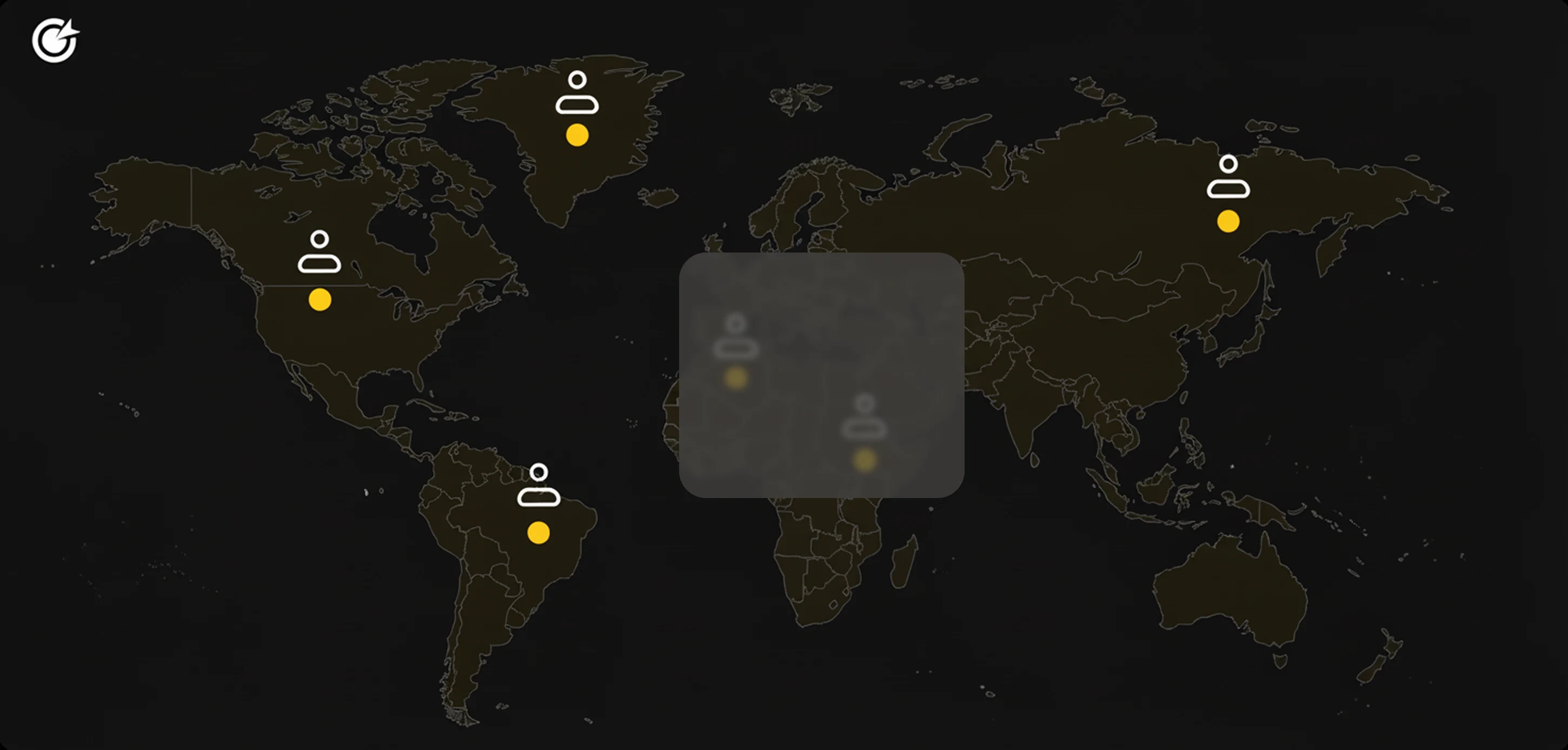
Hover over countries on the map to see the number of available developers in each location
Our dedicated django developers use the following technologies to build modern web applications.
Django
Django REST Framework
Django Ninja
Django Allauth
Strawberry Django
Graphene-Django
Django OAuth Toolkit
Simple JWT
Djoser
Django Filter
Django CORS Headers
Django Extensions
Django Constance
Django Money
Django HTMX
Django Crispy Forms
Django Tailwind
Django Unicorn
Django Cotton
Django Vite
Django Compressor
Django Components
Django Tables2
Widget Tweaks
Django Bootstrap 5
Webpack Loader
Slippers
Render Block
Wagtail CMS
Django CMS
Django Jazzmin
Django Grappelli
Django Import Export
Admin Interface
Simple History
Django Reversion
Django Guardian
Django MPTT
Django Treebeard
Django Summernote
Django CKEditor
Django Jet
Django Channels
Celery
Django Redis
Dramatiq
Django Q2
Huey
Daphne
Uvicorn
Django EventStream
Taskiq
Gunicorn
Background Tasks
Flower (Celery Monitoring)
pytest-django
Debug Toolbar
Factory Boy
Faker
Django Silk
Django Test Plus
Coverage.py
Model Bakery
Django Toolbox
Selenium Python
Playwright Python
Time Machine
Freezegun
We offer comprehensive django services to help you build, maintain, and scale your applications.
We build robust, scalable backends using Django’s 'batteries-included' philosophy. Our engineers specialize in architecting high-performance systems for complex business logic, ensuring your enterprise software is secure, maintainable, and built on the latest Python 3.12+ standards.
We specialize in building API-first architectures using Django REST Framework (DRF). Our team delivers high-throughput, secure APIs that power modern frontends like React, Next.js, and mobile applications, ensuring seamless data orchestration across your entire digital ecosystem.
Leveraging Django’s deep compatibility with the Python AI ecosystem, we integrate sophisticated ML models directly into your web workflows. From deploying Scikit-learn predictors to orchestrating Large Language Models (LLMs) via LangChain, we turn your Django app into an intelligent powerhouse.
We go beyond static requests by implementing asynchronous, event-driven features using Django Channels. Our developers build real-time chat systems, live financial dashboards, and collaborative tools utilizing WebSockets for instantaneous, bidirectional communication.
Django is renowned for its security-first approach. We leverage its built-in protections against SQL injection, XSS, and CSRF to build high-authority applications for the FinTech and HealthTech sectors, ensuring strict compliance with GDPR, HIPAA, and SOC2 regulations.
Our engineers optimize application performance by offloading heavy computations to background workers. Using Celery and Redis/RabbitMQ, we build resilient task queues for high-volume data processing, automated email delivery, and complex report generation without affecting user experience.
We offer specialized expertise in GeoDjango for location-aware applications. By utilizing PostGIS and spatial databases, we build sophisticated geographic information systems (GIS) for logistics, real estate, and urban planning platforms requiring high-precision spatial queries.
We help enterprises rescue and upgrade legacy Django applications (v2.x/3.x) to the latest v5.x stable releases. Our team performs deep technical debt audits, refactors outdated querysets, and migrates monolithic structures into modern, test-driven architectures.
We design and build complex Software-as-a-Service (SaaS) platforms with robust multi-tenancy. Using PostgreSQL schemas and specialized Django middleware, we ensure complete data isolation between clients while maintaining a scalable, shared codebase for global distribution.
Need it built, not staffed?
Hiring a Django developer gives you a person on your team. Our web development service gives you the finished work, scoped and shipped by the same vetted engineers, with the code and the IP yours at the end.
Our industry recognition is a testament to our rigorous vetting process and the impactful digital solutions we deliver. From connecting clients with top-tier global talent to building scalable web and mobile apps, our commitment to excellence sets us apart.

Clutch Top 1000 Companies

Top Entertainment App Developers

Expertise Best Mobile App Developer
Software World Top App Development Companies

Horizon Award Gold Awards Winner

Horizon Award Silver Awards Winner

Right firms Top Mobile App Development Company

Access free Django Developers job description templates, expert-curated interview questions, and comprehensive Django Developers roadmap to streamline your hiring process and find the best remote Django Developers for your team.
Download ready-to-use Django Developers job description templates tailored for your hiring needs.
Browse comprehensive FAQs and interview questions specifically for Django Developers and Django Developer roles.
Explore step-by-step learning paths and skill roadmaps specifically designed for Django Developers and Django Developer roles.
Discover expert-curated best practices, tips, and strategies specifically for Django Developer roles and hiring Django Developers.
Find answers to frequently asked questions about Softaims, our hiring process, developer vetting, pricing models, and how we ensure quality talent for your projects.
Free Productivity Timer Tools
Boost your team's productivity with our free online timer tools. Perfect for Pomodoro sessions, meetings, standups, and focused work sessions. No signup required, works offline.


By Will C.
 Verified Expert in Engineering
11 years of experience
My name is Will C. and I have over 11 years of experience in the tech industry. I specialize in the following technologies: Django, HTML, React, Ruby, jQuery, etc.. I hold a degree in Bachelor of Arts (BA). Some of the notable projects I’ve worked on include: Omron Healthcare, ChatterHigh, Propel, Global Trotters Fund, CQA. I am based in Chicago, United States. I've successfully completed 5 projects while developing at Softaims.
I value a collaborative environment where shared knowledge leads to superior outcomes. I actively mentor junior team members, conduct thorough quality reviews, and champion engineering best practices across the team. I believe that the quality of the final product is a direct reflection of the team's cohesion and skill.
My experience at Softaims has refined my ability to effectively communicate complex technical concepts to non-technical stakeholders, ensuring project alignment from the outset. I am a strong believer in transparent processes and iterative delivery.
My main objective is to foster a culture of quality and accountability. I am motivated to contribute my expertise to projects that require not just technical skill, but also strong organizational and leadership abilities to succeed.
Hiring Django Developers has become increasingly critical for businesses looking to leverage the power of Python's versatile web framework. With the demand for Django Developers rising, understanding the nuances of hiring in 2026 is essential for companies aiming to stay competitive. This comprehensive guide will provide you with actionable insights, ranging from identifying key skills to understanding market trends and salary expectations. By the end of this article, you'll be equipped to make informed hiring decisions that align with your business goals.
As we delve into the world of Django Developers, it's crucial to recognize the importance of industry expertise and technical proficiency. Whether you're a startup or an established corporation, hiring the right Django Developers can significantly impact your project's success. This guide combines expert advice, industry statistics, and practical tips to help you navigate the hiring process efficiently. For those unfamiliar with Django, it's a high-level Python web framework known for its simplicity and scalability. To learn more about Django, visit the official Django website.

Django Developers play a vital role in creating robust web applications that are both scalable and maintainable. They leverage Django's capabilities to build secure and efficient web solutions. Understanding the role of Django Developers involves recognizing their responsibilities, which include designing, developing, and deploying web applications. They must have a strong grasp of Python, Django's core components, and how to integrate third-party services effectively.
Key responsibilities of Django Developers include writing reusable, testable, and efficient code, implementing security and data protection measures, and integrating data storage solutions. They also collaborate with front-end developers to integrate user-facing elements using server-side logic. Their ability to work with databases, handle migrations, and ensure the performance of applications is crucial. For a deeper understanding of Django's capabilities, visit the Django documentation.
Moreover, Django Developers are expected to stay updated with the latest trends and best practices in Django development. This includes understanding new features introduced in Django releases and how they can be utilized to improve application performance. By continuously upgrading their skills, Django Developers ensure that the applications they build are not only functional but also adhere to the highest standards of quality. For insights into Python's role in web development, explore the Python Software Foundation.
Identifying the right skills in Django Developers is crucial for successful hiring. These skills not only ensure that the developer can perform the tasks required but also contribute to the team's overall efficiency. Django Developers must possess a strong understanding of Python programming, as Django is built on this language. Proficiency in writing clean and efficient code is essential, as it impacts the scalability and maintainability of the application.
In addition to Python, Django Developers should have experience with front-end technologies such as HTML, CSS, and JavaScript. This knowledge allows them to work seamlessly with front-end developers and ensure that the application's user interface is both functional and visually appealing. Familiarity with version control systems like Git is also important, as it facilitates collaboration and code management. For more on version control, check out Git's official website.
Furthermore, Django Developers should have a solid understanding of RESTful services and APIs, as they often need to integrate external services into the application. Knowledge of database systems such as PostgreSQL and MySQL is also beneficial, as it enables developers to manage data effectively. By focusing on these key skills, companies can ensure that they hire Django Developers who are well-equipped to handle the challenges of modern web development. Learn more about RESTful APIs at RESTful API.
Evaluating Django Developers requires a structured approach to ensure that candidates possess the necessary skills and experience. A step-by-step evaluation process can help streamline this task and ensure that the best candidates are selected. The first step involves reviewing the candidate's resume to assess their experience and technical skills. Look for specific Django projects they have worked on and the technologies they have used.
The next step is to conduct a technical assessment. This can include coding tests that focus on Django-specific tasks, such as creating a simple web application using Django's components. The technical assessment should test the candidate's understanding of Django's architecture, their ability to write clean code, and their problem-solving skills. For conducting coding assessments, platforms like HackerRank can be useful.
Following the technical assessment, the interview process should delve into the candidate's experience with Django projects. Ask about the challenges they faced and how they overcame them. This will provide insights into their problem-solving abilities and their approach to development. Additionally, assess their ability to work in a team and their communication skills. Finally, conduct reference checks to verify their past employment and contributions to previous projects. For interview preparation resources, visit InterviewBit.
Conducting effective interviews for Django Developers requires a set of targeted questions that assess both technical skills and cultural fit. Technical questions should focus on the candidate's understanding of Django's architecture, components, and best practices. For example, ask candidates to explain the Model-View-Template (MVT) pattern in Django and how it differs from the traditional MVC pattern. This will test their fundamental knowledge of Django's framework.
Behavioral questions are equally important as they provide insights into the candidate's work style and how they handle challenges. Ask about past projects and the role they played in the development process. Questions such as "Describe a challenging Django project you worked on" can reveal the candidate's problem-solving skills and their ability to work under pressure. For more interview question ideas, explore GeeksforGeeks.
Additionally, ask candidates about their experience with Django REST Framework and how they optimize Django applications for performance. These questions will help assess their technical proficiency and understanding of best practices. By combining technical and behavioral questions, you can gain a comprehensive understanding of the candidate's abilities and ensure they are the right fit for your team. For further reading on Django REST Framework, visit Django REST Framework.
Understanding the cost of hiring Django Developers is crucial for budgeting and financial planning. Salaries for Django Developers vary based on factors such as location, experience, and the complexity of the projects they handle. In 2026, the demand for skilled Django Developers is expected to rise, potentially influencing salary trends across different regions. Here's a look at the average salaries for Django Developers in various countries:
| Country | Average Salary (USD) |
|---|---|
| United States | $120,000 - $150,000 |
| United Kingdom | $80,000 - $110,000 |
| Canada | $90,000 - $120,000 |
| Australia | $100,000 - $130,000 |
| Germany | $95,000 - $125,000 |
| Switzerland | $110,000 - $140,000 |
| India | $20,000 - $40,000 |
| Singapore | $85,000 - $115,000 |
| Israel | $100,000 - $130,000 |
| Japan | $95,000 - $125,000 |
It's important to note that these salaries are averages and can vary based on individual qualifications and market dynamics. Companies should consider these figures as a baseline and adjust them according to their specific needs and budget constraints. For more detailed salary information, refer to the PayScale website.
When budgeting for Django Developers, also consider additional costs such as benefits, bonuses, and potential relocation expenses. These factors can significantly impact the overall cost of hiring. Additionally, the competition for top talent might require offering competitive packages to attract and retain skilled developers. For more insights on hiring costs, visit ZipRecruiter.
Deciding between hiring dedicated Django Developers and freelance Django Developers depends on various factors, including project scope, budget, and long-term goals. Dedicated Django Developers are typically full-time employees who work exclusively on your projects. They are ideal for companies with ongoing development needs and projects that require consistent attention. Hiring dedicated developers ensures that you have a team that is fully integrated into your company's culture and processes.
On the other hand, freelance Django Developers offer flexibility and can be a cost-effective solution for short-term projects or when specific expertise is needed on a temporary basis. Freelancers can be hired on a project-by-project basis, allowing companies to scale their teams according to current workloads. However, managing freelancers requires clear communication and effective project management to ensure timely delivery. For more on managing freelance developers, see Freelancer.
Softaims provides a platform that offers both dedicated and freelance options for hiring Django Developers. This flexibility allows companies to choose the hiring model that best suits their needs. For more information on hiring models, visit Softaims. It's essential to weigh the pros and cons of each option and consider factors such as project complexity, budget constraints, and long-term objectives. For insights on managing remote teams, check out Remote-how.
Companies hire Django Developers for various reasons, primarily due to Django's ability to simplify complex web development tasks. Django's built-in features, such as the admin panel, ORM, and authentication system, allow developers to focus on building innovative features rather than reinventing the wheel. This efficiency is highly valued by companies looking to accelerate their development cycles and bring products to market faster.
Django Developers are also sought after for their ability to build scalable and secure applications. Django's security features, including protection against SQL injection and cross-site scripting, make it a preferred choice for businesses handling sensitive data. Companies in industries such as finance, healthcare, and e-commerce often hire Django Developers to leverage these security benefits. For more on Django's security features, visit the Django security documentation.
Moreover, Django Developers contribute to the creation of high-performing applications that can handle significant traffic and data loads. This scalability is crucial for companies anticipating growth and needing to accommodate increasing user demands. By hiring Django Developers, businesses can ensure their applications remain robust and responsive as they scale. For more on scaling applications, explore AWS.
Identifying red flags during interviews with Django Developers can prevent costly hiring mistakes. One major red flag is a lack of understanding of Django's core concepts, such as the MVT architecture or ORM. Candidates should be able to explain these concepts clearly and demonstrate how they have applied them in past projects. A superficial understanding of Django indicates that the candidate may not be well-suited for more complex development tasks.
Another red flag is the inability to discuss previous projects in detail. Candidates who struggle to articulate the challenges they faced and the solutions they implemented may lack the necessary problem-solving skills. Additionally, pay attention to how candidates handle questions about teamwork and collaboration. A reluctance to work in a team or poor communication skills can hinder project progress and team dynamics. For more on assessing team fit, visit Blind.
Finally, be cautious of candidates who cannot demonstrate their coding skills or who avoid technical assessments. Practical coding tests are essential for verifying a candidate's proficiency in Django. Candidates who are unwilling to participate in these assessments may not have the technical capabilities required for the role. For more interview tips, check out CareerCup.
The landscape of hiring Django Developers is continuously evolving, with several trends expected to shape the industry in 2026. One significant trend is the increasing demand for Django Developers with expertise in cloud technologies. As more companies transition to cloud-based solutions, the ability to integrate Django applications with platforms like AWS and Google Cloud becomes a valuable skill. For more on cloud solutions, visit Google Cloud.
Another trend is the growing emphasis on remote work. The COVID-19 pandemic accelerated the shift towards remote work, and many companies have continued to embrace this model. This trend is expected to persist, with companies seeking Django Developers who can work effectively in remote and distributed teams. For insights on remote work, explore We Work Remotely.
Finally, the integration of artificial intelligence and machine learning with Django applications is gaining traction. Django Developers who can leverage these technologies to enhance application functionality and user experience will be in high demand. For more on AI and machine learning, check out TensorFlow.
While technical skills are essential for Django Developers, soft skills play a crucial role in ensuring successful collaboration and project delivery. Effective communication is vital, as Django Developers often collaborate with cross-functional teams, including designers, project managers, and other developers. The ability to convey complex technical concepts in simple terms can facilitate smoother project execution and decision-making.
Problem-solving skills are another critical aspect, as Django Developers frequently encounter challenges that require innovative solutions. The ability to think critically and approach problems methodically is essential for overcoming development hurdles. For more on enhancing problem-solving skills, visit Mind Tools.
Additionally, adaptability and a willingness to learn are important traits for Django Developers. The tech industry evolves rapidly, and developers must stay updated with the latest trends and technologies. By continuously upgrading their skills, Django Developers can ensure they remain valuable assets to their teams. For insights on continuous learning, explore Coursera.
Retaining top Django Developers is crucial for maintaining a competitive edge and ensuring project continuity. One effective retention strategy is offering competitive compensation packages that reflect the developer's skills and contributions. This includes not only salary but also benefits such as health insurance, retirement plans, and performance bonuses.
Providing opportunities for professional growth and development is another key factor in retention. Offering training programs, workshops, and access to industry conferences can help Django Developers enhance their skills and stay motivated. For more on professional development, visit Udemy.
Creating a positive work environment that fosters collaboration and innovation is also important. Encouraging open communication, recognizing achievements, and providing constructive feedback can contribute to job satisfaction and long-term retention. For more on fostering a positive workplace culture, check out Gallup.
Hiring Django Developers in 2026 requires a strategic approach that balances technical skills with soft skills, evaluates candidates thoroughly, and considers the latest industry trends. By understanding the role of Django Developers, knowing what skills to look for, and being aware of the costs involved, companies can make informed hiring decisions that align with their business objectives. As the demand for Django Developers grows, staying updated with best practices and leveraging platforms like Softaims can help businesses secure top talent and drive successful project outcomes. By investing in the right processes and resources, organizations can build robust, scalable web applications that meet the needs of their users and stakeholders.




 Stackoverflow