
Daniel Russo
ScaleUp software
Working with Softaims allowed us to quickly onboard highly skilled engineers who integrated seamlessly with our team. The experience was smooth and the results exceeded our expectations.
Video testimonial available
See pre-vetted langchain developers with transparent hourly rates, experience, ratings, and filters to quickly shortlist the right candidates for your project.




Clients rate Softaims LangChain Developers4.9 / 5.0 on averagebased on 13,542 reviews.
Vetted Experts
Trial-to-Hire Success Rate
Fast Candidate Matching
"Working with Softaims allowed us to quickly onboard highly skilled engineers who integrated seamlessly with our team. The experience was smooth and the results exceeded our expectations."

Daniel Russo
ScaleUp software


 Trustpilot
Explore related technologies and frameworks to find the perfect developer for your project

Softaims connects you with rigorously vetted full-time and freelance software engineers across every modern tech stack. From AI specialists to Cloud Architects, access a curated network of elite remote talent designed to scale your business.
Every LangChain Developer in our talent pool has gone through our rigorous vetting process, so you can be confident that they will perform as well in reality as they do on paper.
Within 48 hours of your request, we send you a list of LangChain Developers who meet your needs and who are ready to join your team as soon as you're ready.
Access top talent from around the world at competitive rates without compromising on quality or expertise. Get the best value for your hiring budget.
Make your hiring process bulletproof with our replacement guarantee. Not happy with your LangChain Developer? We'll replace them, no charges, no questions.
Quickly find LangChain Developers that match your requirements with our advanced filtering system. Filter by skills, experience, hourly rate, location, and more.
Whether you need a full-time team member or a freelance LangChain Developer for a specific project, we have the right talent ready to join your team.
Trustpilot| Features | Softaims | Toptal | Upwork | Freelancers | In-house Resources |
|---|---|---|---|---|---|
Fully Compliant Developers are employed by U.S corporations | |||||
High-Quality Pre-vetted, highly trained, and skilled resources | |||||
Affordability Competitive rates without compromising quality | |||||
Try Before You Buy Test developers before committing | |||||
Secure Locations Developers work in secure and monitored environments | |||||
Highly Scalable Plug in and out developers based on your business needs | |||||
Diverse Tech Stack Broad expertise in diverse tech stack in your time zone |
ScaleUp software
Working with Softaims allowed us to quickly onboard highly skilled engineers who integrated seamlessly with our team. The experience was smooth and the results exceeded our expectations.
Video testimonial available

Ex-VP Engineering at Uber
Softaims made hiring remote developers effortless. The talent matched our requirements perfectly, and collaboration with the team was extremely efficient.
Video testimonial available

CT0 at EdAider
The Softaims platform gave us access to developers who immediately added value. Their expertise and professionalism made the entire process seamless.
Video testimonial available

Hello Median
Softaims helped us scale our engineering team quickly. The quality of the developers and the speed of onboarding were impressive.
Video testimonial available

CEO at Stads.io
Hiring through Softaims was straightforward and effective. We were able to collaborate with skilled engineers who understood our technical needs.
Video testimonial available

CEO at Onenine
Softaims provided us with experienced developers who contributed immediately to our projects. The process was efficient and the results were excellent.

CEO at Sparklaunch Media
Softaims provided us access to highly skilled remote engineers who contributed immediately. The process was efficient, and the quality of work exceeded our expectations.

CEO at Lovart
Hiring through Softaims was seamless. We were able to find developers who perfectly matched our technical requirements and collaborated effectively with our in-house team.
ScaleUp software
Working with Softaims allowed us to quickly onboard highly skilled engineers who integrated seamlessly with our team. The experience was smooth and the results exceeded our expectations.
Ex-VP Engineering at Uber
Softaims made hiring remote developers effortless. The talent matched our requirements perfectly, and collaboration with the team was extremely efficient.
CT0 at EdAider
The Softaims platform gave us access to developers who immediately added value. Their expertise and professionalism made the entire process seamless.
Hello Median
Softaims helped us scale our engineering team quickly. The quality of the developers and the speed of onboarding were impressive.
CEO at Stads.io
Hiring through Softaims was straightforward and effective. We were able to collaborate with skilled engineers who understood our technical needs.
CEO at Onenine
Softaims provided us with experienced developers who contributed immediately to our projects. The process was efficient and the results were excellent.
CEO at Sparklaunch Media
Softaims provided us access to highly skilled remote engineers who contributed immediately. The process was efficient, and the quality of work exceeded our expectations.
CEO at Lovart
Hiring through Softaims was seamless. We were able to find developers who perfectly matched our technical requirements and collaborated effectively with our in-house team.
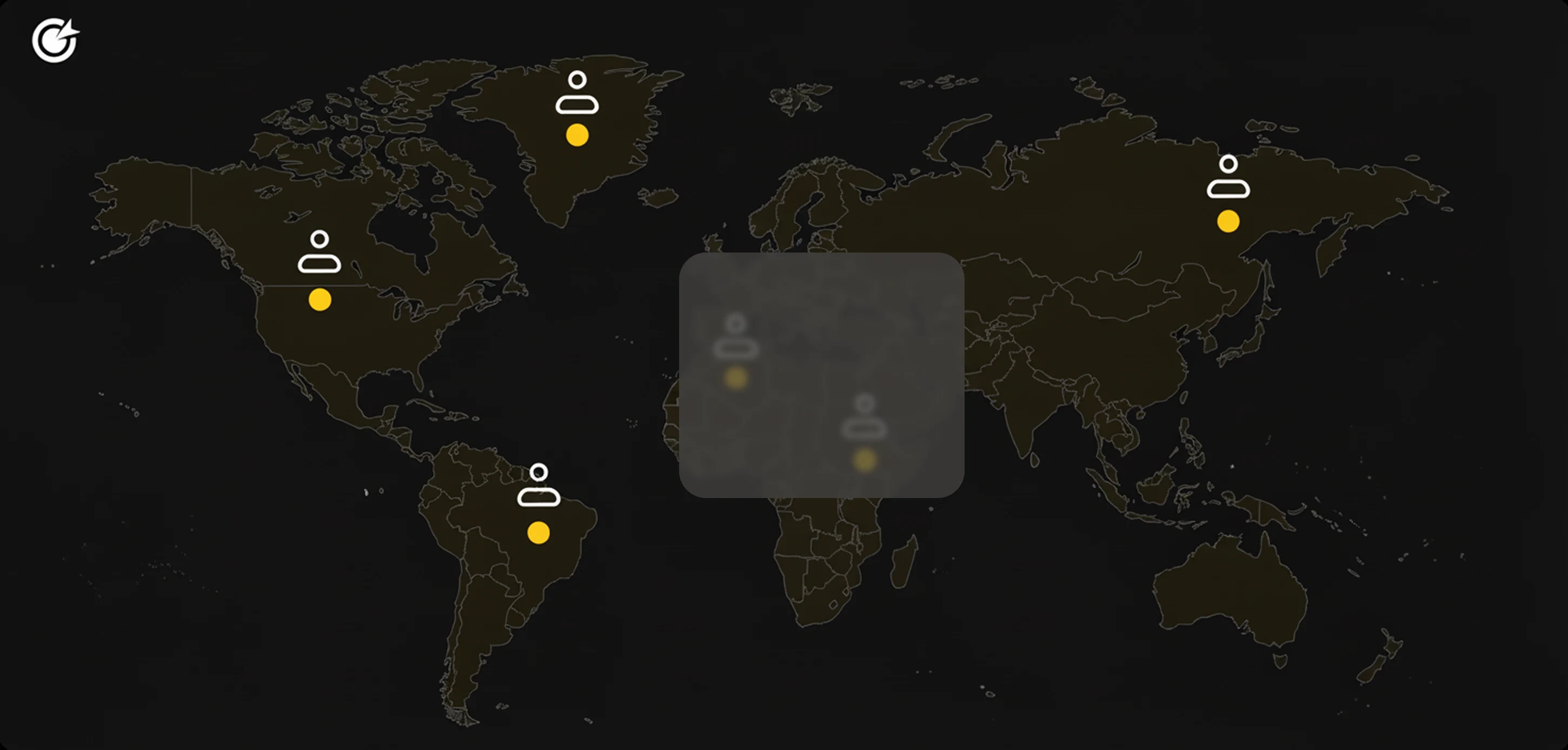
Hire Softaims talent around the world
25.1K+
Softaims langchain developers in the world
1.2K+
We'll help you find the perfect fit for your team. From AI specialists to Cloud Architects, access a curated network of elite remote talent designed to scale your business.
Hire LangChain Developer
Hover over countries on the map to see the number of available developers in each location
Our dedicated langchain developers use the following technologies to build modern web applications.
LangChain Core
LangGraph
LangSmith
LangServe
LangChain Hub
LangChain Community
LangChain.js
LangGraph Cloud
LangFlow
LangChain CLI
OpenGPTs
LangChain Templates
ChatOpenAI
ChatAnthropic
ChatGoogleGenerativeAI
ChatOllama
ChatMistralAI
AzureChatOpenAI
BedrockChat (AWS)
ChatVertexAI
ChatGroq
ChatCohere
ChatFireworks
HuggingFacePipeline
Document Loaders
RecursiveCharacterTextSplitter
ParentDocumentRetriever
MultiQueryRetriever
SelfQueryRetriever
EnsembleRetriever
ContextualCompression
WebBaseLoader
UnstructuredLoader
HyDE (Hypothetical Embeddings)
SemanticChunker
Cohere Rerank
Pinecone
Chroma
FAISS
Qdrant
Weaviate
Milvus
Supabase Vector
PGVector
MongoDB Atlas Vector
Elasticsearch
LanceDB
Neo4j Vector
StateGraph
ReAct Agent
OpenAI Tools Agent
Plan-and-Execute
Human-in-the-loop
Multi-Agent Supervisor
Tool Calling
XML Agent
Self-Reflection
Memory (Checkpointers)
AgentExecutor (Legacy)
Structured Chat Agent
We offer comprehensive langchain services to help you build, maintain, and scale your applications.
We specialize in integrating OpenAI’s flagship GPT-4o models into your enterprise ecosystem. Our engineers leverage its native multi-modal capabilities—processing text, audio, and vision simultaneously—to build highly intuitive applications that understand and interact with the world in real-time.
Our team builds sophisticated, stateful AI agents using the OpenAI Assistants API. We implement complex workflows utilizing built-in tools like Code Interpreter for data analysis and File Search for high-precision document retrieval, enabling autonomous task execution within your software.
We enhance model performance for niche industry requirements by fine-tuning GPT-4o and GPT-4o-mini on your proprietary datasets. This ensures the model masters your organization's specific tone, terminology, and formatting requirements while reducing latency and improving output accuracy.
We develop high-performance Retrieval-Augmented Generation (RAG) systems using the 'text-embedding-3' series. By mapping your enterprise knowledge base into high-dimensional vector spaces, we enable your AI to provide contextually grounded, hallucination-free answers derived from your private data.
Our engineers leverage OpenAI’s function calling capabilities to transform LLMs into actionable agents. We design rigorous JSON schemas that allow models to reliably interface with your existing APIs, databases, and external software tools to perform real-world business transactions.
We implement human-parity audio experiences using the Whisper API for high-accuracy multilingual transcription and the TTS (Text-to-Speech) API for natural-sounding voice generation. This service is ideal for building advanced AI phone support, meeting summarizers, and accessible interfaces.
Using GPT-4o with Vision, we build solutions that 'see' and interpret visual data. Our engineers deploy systems capable of extracting structured data from complex handwritten forms, identifying defects in product images, and providing real-time visual assistance for mobile applications.
We provide strategic management of your OpenAI API consumption. By implementing prompt caching, logit bias controls, and intelligent model routing (balancing between GPT-4o and GPT-4o-mini), we maximize performance while significantly reducing your monthly operational expenditure.
For organizations with strict compliance needs, we deploy OpenAI models via Microsoft Azure. This ensures your data never leaves your private cloud environment, providing enterprise-grade security, regional data residency, and compliance with HIPAA, SOC2, and GDPR standards.
Need it built, not staffed?
Hiring a LangChain developer gives you a person on your team. Our ai & machine learning service gives you the finished work, scoped and shipped by the same vetted engineers, with the code and the IP yours at the end.
Our industry recognition is a testament to our rigorous vetting process and the impactful digital solutions we deliver. From connecting clients with top-tier global talent to building scalable web and mobile apps, our commitment to excellence sets us apart.

Clutch Top 1000 Companies

Top Entertainment App Developers

Expertise Best Mobile App Developer

Software World Top App Development Companies

Horizon Award Gold Awards Winner

Horizon Award Silver Awards Winner

Right firms Top Mobile App Development Company

Access free LangChain Developers job description templates, expert-curated interview questions, and comprehensive LangChain Developers roadmap to streamline your hiring process and find the best remote LangChain Developers for your team.
Download ready-to-use LangChain Developers job description templates tailored for your hiring needs.
Browse comprehensive FAQs and interview questions specifically for LangChain Developers and LangChain Developer roles.
Explore step-by-step learning paths and skill roadmaps specifically designed for LangChain Developers and LangChain Developer roles.
Discover expert-curated best practices, tips, and strategies specifically for LangChain Developer roles and hiring LangChain Developers.
Find answers to frequently asked questions about Softaims, our hiring process, developer vetting, pricing models, and how we ensure quality talent for your projects.
Free Productivity Timer Tools
Boost your team's productivity with our free online timer tools. Perfect for Pomodoro sessions, meetings, standups, and focused work sessions. No signup required, works offline.


By Ronald L.
 Verified Expert in Engineering
8 years of experience
My name is Ronald L. and I have over 8 years of experience in the tech industry. I specialize in the following technologies: ExpressJS, JavaScript, EJS, MongoDB, Web Development, etc.. Some of the notable projects I’ve worked on include: Texpert Consulting, Alm's Soup Kitchen, Public Domain Recipes, Where Can I Watch, Random Bird Call, etc.. I am based in Pickens, United States. I've successfully completed 6 projects while developing at Softaims.
I employ a methodical and structured approach to solution development, prioritizing deep domain understanding before execution. I excel at systems analysis, creating precise technical specifications, and ensuring that the final solution perfectly maps to the complex business logic it is meant to serve.
My tenure at Softaims has reinforced the importance of careful planning and risk mitigation. I am skilled at breaking down massive, ambiguous problems into manageable, iterative development tasks, ensuring consistent progress and predictable delivery schedules.
I strive for clarity and simplicity in both my technical outputs and my communication. I believe that the most powerful solutions are often the simplest ones, and I am committed to finding those elegant answers for our clients.
In the fast-evolving technological landscape, hiring LangChain Engineers has become a strategic necessity for businesses aiming to leverage advanced chain-based applications. These professionals specialize in integrating the LangChain framework, which is pivotal for developing and deploying complex distributed systems. Understanding the intricacies of hiring LangChain Engineers can significantly influence the efficiency and success of your tech projects.
LangChain Engineers are at the forefront of enabling seamless blockchain integrations, ensuring that systems are not only robust but also scalable. As we approach 2026, the demand for these experts is projected to soar, driven by the increasing reliance on blockchain technology across various industries. This article delves into comprehensive strategies for hiring LangChain Engineers, offering actionable insights to help you secure top talent in this competitive field.

LangChain Engineers are specialized software developers focused on the LangChain framework, which is essential for building and maintaining blockchain-based applications. Their role involves designing architectures that leverage the decentralized nature of blockchain to enhance security and transparency. This requires a deep understanding of distributed systems and the ability to implement smart contracts effectively.
These engineers are responsible for ensuring that the blockchain applications they develop are scalable and efficient. They must possess a strong grasp of cryptographic principles and be adept at utilizing tools like Ethereum and Bitcoin for blockchain development. Moreover, LangChain Engineers often collaborate with cross-functional teams to integrate blockchain solutions seamlessly into existing systems.
Given the complexity of blockchain projects, LangChain Engineers must also be proficient in problem-solving and possess excellent analytical skills. Their expertise is crucial in troubleshooting issues related to blockchain implementations, ensuring that any potential vulnerabilities are addressed promptly. This makes them invaluable assets in the development of secure and innovative blockchain solutions.
The role of LangChain Engineers is continuously evolving as new technologies emerge. They must stay updated with the latest advancements in blockchain technology and be prepared to adapt to new tools and methodologies. This dynamic aspect of their role underscores the importance of hiring engineers who are not only technically skilled but also eager to learn and grow within the field.
When hiring LangChain Engineers, it's essential to assess a range of skills to ensure they are well-equipped to handle the demands of blockchain technology. Firstly, proficiency in programming languages such as Solidity, Python, and Rust is crucial, as these are commonly used in blockchain development. Additionally, a strong understanding of cryptography and data structures is vital for building secure applications.
LangChain Engineers should also have experience with blockchain platforms like Hyperledger and Corda. Familiarity with these platforms allows engineers to leverage existing frameworks for efficient development. Furthermore, knowledge of distributed ledger technologies and peer-to-peer networks is essential for creating decentralized applications.
Soft skills are equally important when evaluating potential hires. LangChain Engineers must communicate effectively with both technical and non-technical stakeholders to ensure project goals are met. Problem-solving skills and the ability to think analytically are critical for addressing the unique challenges posed by blockchain technology.
Solidity, Python, and RustEvaluating candidates for LangChain Engineers positions involves a structured approach to ensure you identify the right talent. Begin by reviewing resumes to shortlist candidates with relevant experience in blockchain technologies. Focus on those with a proven track record of successfully completed projects involving Solidity and other blockchain-related skills.
After the initial screening, conduct a technical assessment to evaluate their coding proficiency and problem-solving abilities. This can involve a coding test that simulates real-world blockchain challenges. Following the assessment, arrange interviews to delve deeper into their technical expertise and gauge their understanding of blockchain principles.
It is beneficial to assign a practical task that mimics a real-world scenario they might encounter in the role. This will allow you to assess their approach to problem-solving and their ability to apply theoretical knowledge practically. Additionally, evaluate their soft skills, particularly their ability to communicate complex ideas clearly and work collaboratively within a team.
Finally, engage in offer negotiations, ensuring that the terms and conditions align with industry standards. This step is crucial in securing top talent, as competitive compensation packages are often a decisive factor for candidates considering multiple offers.
Conducting interviews for LangChain Engineers requires a comprehensive approach to uncover both technical skills and cultural fit. Start with questions that assess their understanding of blockchain fundamentals and their experience with specific technologies like Ethereum and Solidity. These questions should probe their knowledge of key concepts and their ability to apply them effectively.
Next, delve into their problem-solving abilities by presenting hypothetical scenarios that require innovative solutions. For instance, ask how they would approach debugging a blockchain application or improving its scalability. These questions should reveal their critical thinking skills and their capacity to handle complex technical challenges.
It's also important to evaluate their soft skills, such as teamwork and communication. Ask about experiences where they collaborated with cross-functional teams to achieve project goals. Their responses will give insight into their ability to integrate seamlessly within your organizational culture and contribute positively to team dynamics.
Deciding between hiring dedicated LangChain Engineers and opting for freelance professionals depends on your project needs and long-term objectives. Dedicated LangChain Engineers are typically employed full-time and are ideal for organizations with ongoing blockchain projects requiring consistent oversight and development. They become integral members of your team, deeply understanding your business's technical landscape and contributing to strategic planning.
Conversely, freelance LangChain Engineers offer flexibility and can be a cost-effective solution for short-term projects or when specific expertise is needed temporarily. They bring diverse experiences from working on multiple projects, which can be beneficial for infusing fresh perspectives into your development process. However, managing freelancers can require more oversight to ensure alignment with project goals.
Platforms like Softaims offer both dedicated and freelance options for hiring LangChain Engineers, providing businesses with the flexibility to choose the arrangement that best suits their needs. When evaluating these options, consider the project's complexity, duration, and the level of control you wish to maintain over the development process.
Ultimately, the choice between dedicated and freelance LangChain Engineers should align with your company's strategic goals, budget constraints, and the nature of the projects you intend to undertake. Each option has its advantages, and understanding your specific requirements will guide you in making the most suitable decision.
Companies hire LangChain Engineers to harness the transformative potential of blockchain technology in creating secure and decentralized applications. These engineers are instrumental in developing solutions that enhance data transparency and integrity, crucial for industries like finance, healthcare, and supply chain management. By integrating blockchain, businesses can significantly improve operational efficiency and reduce the risk of fraud.
LangChain Engineers also play a pivotal role in automating processes through smart contracts. These self-executing contracts streamline transactions and reduce the need for intermediaries, resulting in cost savings and faster processing times. As more businesses recognize the benefits of blockchain, the demand for skilled engineers capable of implementing these technologies continues to grow.
Moreover, LangChain Engineers contribute to innovation within organizations by exploring new use cases for blockchain technology. Their expertise enables companies to stay competitive in an increasingly digital world, where technological advancements can rapidly shift market dynamics. Hiring LangChain Engineers is a strategic investment in future-proofing your business against technological disruptions.
In addition to technical capabilities, LangChain Engineers bring a culture of innovation and problem-solving to organizations. Their ability to navigate complex technical challenges and devise creative solutions is invaluable in driving business growth and achieving long-term objectives. As such, companies prioritize hiring these professionals to lead their digital transformation initiatives.
Identifying potential red flags during interviews with LangChain Engineers can save your company from costly hiring mistakes. One significant red flag is a candidate's inability to explain the logic behind their blockchain implementations. If they cannot articulate the reasoning behind design choices or the functioning of smart contracts, it may indicate a lack of depth in their technical knowledge.
Another concern is hesitation when asked about problem-solving scenarios or past project challenges. LangChain Engineers should be forthcoming about their experiences, including the difficulties they faced and the solutions they implemented. Evasive or vague responses could signal a lack of practical experience or confidence in their abilities.
Additionally, a candidate's unfamiliarity with recent advancements in blockchain technology can be a red flag. The field is rapidly evolving, and staying updated with the latest trends and tools is crucial for any LangChain Engineer. A lack of ongoing learning and professional development may suggest complacency and a reluctance to adapt to new technologies.
Finally, assess their teamwork and communication skills. A candidate who struggles to articulate their ideas clearly or collaborate with others may not be a good fit for roles that require cross-functional teamwork. These soft skills are essential for ensuring that blockchain solutions are effectively integrated into broader business strategies.
Understanding the cost of hiring LangChain Engineers in 2026 is essential for budgeting and planning your projects. Salaries for these professionals can vary significantly depending on the location and the level of expertise required. The table below provides an overview of average salaries for LangChain Engineers across different countries.
| Country | Average Salary (USD) |
|---|---|
| United States | $120,000 - $180,000 |
| United Kingdom | $90,000 - $140,000 |
| Canada | $100,000 - $150,000 |
| Australia | $110,000 - $160,000 |
| Germany | $95,000 - $145,000 |
| Switzerland | $130,000 - $190,000 |
| India | $30,000 - $50,000 |
| Singapore | $100,000 - $150,000 |
| Israel | $110,000 - $170,000 |
| Japan | $90,000 - $140,000 |
Creating a robust hiring process for LangChain Engineers involves several critical steps to ensure you attract and retain top talent. Start by defining detailed job descriptions that outline the specific skills and experiences required for the role. This clarity helps set expectations and attracts candidates who are genuinely interested in and qualified for the position.
Next, leverage multiple recruitment channels to reach a broad audience of potential candidates. Utilize professional networks, specialized job boards, and industry conferences to connect with LangChain Engineers actively seeking new opportunities. Consider hosting hackathons or coding challenges to engage with talent in an interactive and dynamic environment.
During the selection process, implement a multi-stage interview framework that assesses both technical skills and cultural fit. Technical assessments should focus on real-world problem-solving scenarios, while interviews should explore candidates' motivations and alignment with your company's values. This comprehensive approach helps ensure that new hires are not only technically competent but also a good fit for your organizational culture.
Finally, focus on creating an attractive compensation package that includes competitive salaries, benefits, and opportunities for professional development. Offering a supportive work environment and clear career advancement paths can significantly enhance your ability to attract and retain high-caliber LangChain Engineers.
By developing a comprehensive hiring process, you can build a team of LangChain Engineers that drives innovation and contributes to your company's long-term success. This strategic investment in talent acquisition is crucial for maintaining a competitive edge in the rapidly evolving landscape of blockchain technology.
Implementing a structured hiring process is essential for effectively recruiting LangChain Engineers. The following checklist provides a step-by-step guide to ensure a thorough and efficient hiring process.
Begin by defining the job requirements, focusing on both technical skills and the ability to integrate within your team. Next, source candidates through various recruitment channels, ensuring a diverse and qualified applicant pool. Conduct initial screenings to identify candidates with the most relevant experience.
Technical assessments are crucial in evaluating a candidate's coding skills and problem-solving abilities. Follow this with structured interviews that delve into both technical expertise and cultural fit. Conduct reference checks to verify the authenticity of candidates' credentials and past work experiences.
Offer negotiation is a critical step, ensuring that the terms align with industry standards and meet the expectations of potential hires. Finally, implement a comprehensive onboarding process to integrate new LangChain Engineers smoothly into your team, setting them up for success in their roles.
The demand for LangChain Engineers is driven by several key industry trends, most notably the growing adoption of blockchain technology across various sectors. As businesses continue to recognize the value of decentralization and transparency, blockchain applications are becoming integral to operations in finance, supply chain management, and beyond.
Another significant trend is the rise of decentralized finance (DeFi), which leverages blockchain to disrupt traditional financial services. LangChain Engineers are essential in developing and maintaining the infrastructure needed for DeFi platforms, which are rapidly gaining traction among users seeking alternatives to conventional banking.
The increasing focus on data privacy and security is also boosting the demand for LangChain Engineers. Blockchain's inherent security features make it an attractive solution for organizations looking to protect sensitive information from cyber threats. This trend is particularly prominent in industries such as healthcare and government, where data integrity is paramount.
Lastly, the proliferation of Internet of Things (IoT) devices is creating new opportunities for LangChain Engineers to integrate blockchain solutions. By ensuring secure and reliable data transactions between IoT devices, engineers can enhance the functionality and security of these networks, driving further demand for their specialized skills.
Hiring LangChain Engineers presents several challenges, primarily due to the limited pool of qualified candidates and the high demand for their skills. To overcome these obstacles, companies must develop innovative strategies to attract top talent. One approach is to offer competitive compensation packages that include not only attractive salaries but also benefits such as flexible work arrangements and opportunities for professional development.
Another challenge is the rapidly evolving nature of blockchain technology, which requires engineers to continuously update their skills. To address this, companies should invest in ongoing training and development programs that help engineers stay abreast of the latest advancements in the field. Encouraging a culture of continuous learning can also enhance job satisfaction and retention.
Building a strong employer brand is crucial in attracting LangChain Engineers. Companies should highlight their commitment to innovation and the exciting projects they are working on. Sharing success stories and showcasing the impact of their work can make the organization more appealing to potential candidates.
Lastly, leveraging professional networks and industry partnerships can expand your reach in sourcing candidates. Participating in blockchain conferences and collaborating with educational institutions can also provide access to emerging talent, helping to build a robust pipeline of qualified LangChain Engineers.
Hiring LangChain Engineers offers numerous benefits for businesses looking to capitalize on blockchain technology. These professionals bring specialized knowledge and skills that are critical for developing secure and scalable blockchain applications. By integrating blockchain into your operations, you can enhance data transparency, reduce fraud, and improve efficiency.
LangChain Engineers can also drive innovation within your organization by exploring new use cases and applications for blockchain technology. Their expertise in smart contracts and decentralized systems enables businesses to automate processes, streamline transactions, and reduce reliance on intermediaries, leading to cost savings and faster operations.
Additionally, employing LangChain Engineers can give your business a competitive edge by positioning you as a leader in technology adoption. As blockchain continues to disrupt traditional industries, having a team of skilled engineers allows you to stay ahead of the curve and capitalize on emerging opportunities.
Investing in LangChain Engineers is not only a strategic move for immediate project goals but also a long-term investment in your company's growth and resilience. Their contributions to digital transformation initiatives can help future-proof your business against technological disruptions and ensure sustained success in an increasingly digital world.
In conclusion, hiring LangChain Engineers is a strategic imperative for businesses seeking to leverage blockchain technology for competitive advantage. These professionals bring a unique blend of technical expertise and innovative thinking that is essential for developing and deploying decentralized applications. By investing in LangChain Engineers, companies can enhance their operational efficiency, improve data security, and drive innovation within their organizations. As we move towards 2026, the demand for these skilled engineers is expected to rise, making it crucial for businesses to adopt effective hiring strategies to secure top talent in this competitive landscape.


 Github
 Stackoverflow