
Daniel Russo
ScaleUp software
Working with Softaims allowed us to quickly onboard highly skilled engineers who integrated seamlessly with our team. The experience was smooth and the results exceeded our expectations.
Video testimonial available
See pre-vetted front-end developers with transparent hourly rates, experience, ratings, and filters to quickly shortlist the right candidates for your project.




Clients rate Softaims Front-End Developers4.9 / 5.0 on averagebased on 13,542 reviews.
Vetted Experts
Trial-to-Hire Success Rate
Fast Candidate Matching
"Working with Softaims allowed us to quickly onboard highly skilled engineers who integrated seamlessly with our team. The experience was smooth and the results exceeded our expectations."

Daniel Russo
ScaleUp software


 Trustpilot
Explore related technologies and frameworks to find the perfect developer for your project

Softaims connects you with rigorously vetted full-time and freelance software engineers across every modern tech stack. From AI specialists to Cloud Architects, access a curated network of elite remote talent designed to scale your business.
Every Front-End Developer in our talent pool has gone through our rigorous vetting process, so you can be confident that they will perform as well in reality as they do on paper.
Within 48 hours of your request, we send you a list of Front-End Developers who meet your needs and who are ready to join your team as soon as you're ready.
Access top talent from around the world at competitive rates without compromising on quality or expertise. Get the best value for your hiring budget.
Make your hiring process bulletproof with our replacement guarantee. Not happy with your Front-End Developer? We'll replace them, no charges, no questions.
Quickly find Front-End Developers that match your requirements with our advanced filtering system. Filter by skills, experience, hourly rate, location, and more.
Whether you need a full-time team member or a freelance Front-End Developer for a specific project, we have the right talent ready to join your team.
Trustpilot| Features | Softaims | Toptal | Upwork | Freelancers | In-house Resources |
|---|---|---|---|---|---|
Fully Compliant Developers are employed by U.S corporations | |||||
High-Quality Pre-vetted, highly trained, and skilled resources | |||||
Affordability Competitive rates without compromising quality | |||||
Try Before You Buy Test developers before committing | |||||
Secure Locations Developers work in secure and monitored environments | |||||
Highly Scalable Plug in and out developers based on your business needs | |||||
Diverse Tech Stack Broad expertise in diverse tech stack in your time zone |
ScaleUp software
Working with Softaims allowed us to quickly onboard highly skilled engineers who integrated seamlessly with our team. The experience was smooth and the results exceeded our expectations.
Video testimonial available

Ex-VP Engineering at Uber
Softaims made hiring remote developers effortless. The talent matched our requirements perfectly, and collaboration with the team was extremely efficient.
Video testimonial available

CT0 at EdAider
The Softaims platform gave us access to developers who immediately added value. Their expertise and professionalism made the entire process seamless.
Video testimonial available

Hello Median
Softaims helped us scale our engineering team quickly. The quality of the developers and the speed of onboarding were impressive.
Video testimonial available

CEO at Stads.io
Hiring through Softaims was straightforward and effective. We were able to collaborate with skilled engineers who understood our technical needs.
Video testimonial available

CEO at Onenine
Softaims provided us with experienced developers who contributed immediately to our projects. The process was efficient and the results were excellent.

CEO at Sparklaunch Media
Softaims provided us access to highly skilled remote engineers who contributed immediately. The process was efficient, and the quality of work exceeded our expectations.

CEO at Lovart
Hiring through Softaims was seamless. We were able to find developers who perfectly matched our technical requirements and collaborated effectively with our in-house team.
ScaleUp software
Working with Softaims allowed us to quickly onboard highly skilled engineers who integrated seamlessly with our team. The experience was smooth and the results exceeded our expectations.
Ex-VP Engineering at Uber
Softaims made hiring remote developers effortless. The talent matched our requirements perfectly, and collaboration with the team was extremely efficient.
CT0 at EdAider
The Softaims platform gave us access to developers who immediately added value. Their expertise and professionalism made the entire process seamless.
Hello Median
Softaims helped us scale our engineering team quickly. The quality of the developers and the speed of onboarding were impressive.
CEO at Stads.io
Hiring through Softaims was straightforward and effective. We were able to collaborate with skilled engineers who understood our technical needs.
CEO at Onenine
Softaims provided us with experienced developers who contributed immediately to our projects. The process was efficient and the results were excellent.
CEO at Sparklaunch Media
Softaims provided us access to highly skilled remote engineers who contributed immediately. The process was efficient, and the quality of work exceeded our expectations.
CEO at Lovart
Hiring through Softaims was seamless. We were able to find developers who perfectly matched our technical requirements and collaborated effectively with our in-house team.
Hire Softaims talent around the world
25.1K+
Softaims front-end developers in the world
1.7K+
We'll help you find the perfect fit for your team. From AI specialists to Cloud Architects, access a curated network of elite remote talent designed to scale your business.
Hire Front-End Developer
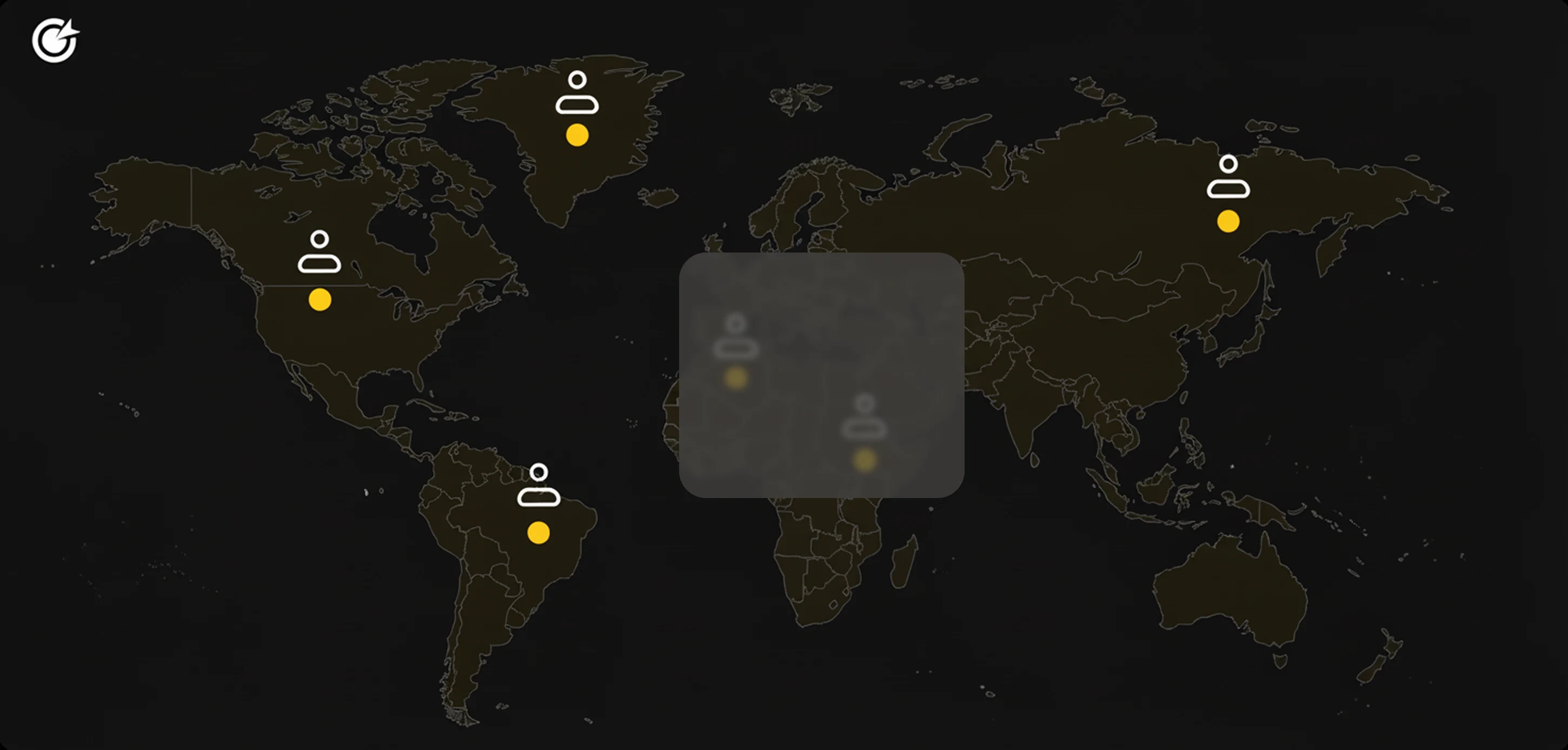
Hover over countries on the map to see the number of available developers in each location
Our dedicated front-end developers use the following technologies to build modern web applications.
TanStack Query
Zustand
Redux Toolkit
Pinia
Jotai
Recoil
XState
SWR
Apollo Client
MobX
Valtio
Nanostores
NgRx
Elf
Signals (Preact)
Tailwind CSS
Sass
CSS Modules
Styled Components
Emotion
Panda CSS
StyleX
UnoCSS
Vanilla Extract
Lightning CSS
Open Props
PostCSS
Linaria
shadcn/ui
Radix UI
Material UI
Mantine
Chakra UI
Ant Design
NextUI
React Aria
Headless UI
Tamagui
DaisyUI
Tremor
Ark UI
Park UI
Ariakit
We offer comprehensive front-end services to help you build, maintain, and scale your applications.
We build high-performance, enterprise-grade web applications using Next.js 14+ and React. Our engineers leverage Server Components, Streaming, and Partial Prerendering to deliver ultra-fast load times and seamless user experiences at a global scale.
We specialize in auditing and optimizing frontend performance to meet Google's Core Web Vitals. Our team focuses on LCP, CLS, and INP metrics, ensuring your application ranks higher in search results and provides a friction-less experience on any device.
Ensure your digital products are inclusive and legally compliant with WCAG 2.2 standards. We implement accessible patterns from the ground up, future-proofing your business against global accessibility regulations while expanding your reach to all users.
We develop scalable, reusable UI libraries using Storybook and Tailwind CSS. By establishing a unified design system, our engineers ensure visual consistency across all products, reducing technical debt and accelerating the development lifecycle for your internal teams.
We bridge the gap between web and mobile with high-performance PWAs. Our solutions offer offline capabilities, push notifications, and a native-app feel, allowing you to engage users across all platforms with a single, cost-effective codebase.
For complex, large-scale platforms, we implement Micro-Frontend architectures. This allows multiple engineering teams to work independently on separate features, improving deployment speed and system resilience without compromising a unified user interface.
We elevate user engagement through Motion UI and sophisticated micro-interactions. Using Framer Motion and GSAP, our frontend engineers create immersive, fluid interfaces that guide user behavior and strengthen your brand’s digital identity.
We implement SEO-first frontend strategies using Server-Side Rendering (SSR) and Static Site Generation (SSG). This ensures your content is fully indexable and ranks high, combining the speed of modern single-page apps with superior search engine visibility.
We build robust data layers using Zustand, TanStack Query, and Redux Toolkit. Our engineers ensure high-performance data fetching, real-time updates, and predictable state management, providing a stable foundation for data-intensive web applications.
Our industry recognition is a testament to our rigorous vetting process and the impactful digital solutions we deliver. From connecting clients with top-tier global talent to building scalable web and mobile apps, our commitment to excellence sets us apart.

Clutch Top 1000 Companies

Top Entertainment App Developers

Expertise Best Mobile App Developer

Software World Top App Development Companies

Horizon Award Gold Awards Winner

Horizon Award Silver Awards Winner

Right firms Top Mobile App Development Company

Access free Front-End Developers job description templates, expert-curated interview questions, and comprehensive Front-End Developers roadmap to streamline your hiring process and find the best remote Front-End Developers for your team.
Download ready-to-use Front-End Developers job description templates tailored for your hiring needs.
Browse comprehensive FAQs and interview questions specifically for Front-End Developers and Front-End Developer roles.
Explore step-by-step learning paths and skill roadmaps specifically designed for Front-End Developers and Front-End Developer roles.
Discover expert-curated best practices, tips, and strategies specifically for Front-End Developer roles and hiring Front-End Developers.
Find answers to frequently asked questions about Softaims, our hiring process, developer vetting, pricing models, and how we ensure quality talent for your projects.
Free Productivity Timer Tools
Boost your team's productivity with our free online timer tools. Perfect for Pomodoro sessions, meetings, standups, and focused work sessions. No signup required, works offline.


By Stefan V.
 Verified Expert in Engineering
5 years of experience
My name is Stefan V. and I have over 5 years of experience in the tech industry. I specialize in the following technologies: Next.js, node.js, React, JavaScript, WordPress, etc.. I hold a degree in , , . Some of the notable projects I’ve worked on include: Gemach Finance, VSI TUT, Remar SOS, Gliese Swap, Inverticare, etc.. I am based in Los Angeles, United States. I've successfully completed 13 projects while developing at Softaims.
I thrive on project diversity, possessing the adaptability to seamlessly transition between different technical stacks, industries, and team structures. This wide-ranging experience allows me to bring unique perspectives and proven solutions from one domain to another, significantly enhancing the problem-solving process.
I quickly become proficient in new technologies as required, focusing on delivering immediate, high-quality value. At Softaims, I leverage this adaptability to ensure project continuity and success, regardless of the evolving technical landscape.
My work philosophy centers on being a resilient and resourceful team member. I prioritize finding pragmatic, scalable solutions that not only meet the current needs but also provide a flexible foundation for future development and changes.
As businesses continue to digitalize their operations, the demand for skilled Front-end Developers is set to skyrocket in 2026. Front-end Developers play a critical role in crafting the user interface and experience of digital platforms, making them indispensable in today's tech landscape. Their expertise in languages like HTML, CSS, and JavaScript is crucial for building responsive and intuitive applications. If you're looking to stay ahead in the competitive market, understanding how to effectively hire Front-end Developers is essential.
This guide provides comprehensive insights into the process of hiring Front-end Developers, covering everything from assessing technical skills to understanding market trends. By the end of this article, you'll have a detailed roadmap for attracting and retaining top talent in front-end development. We'll explore key skills, interview techniques, and the best practices for evaluating candidates. Stay informed about the latest tools and frameworks to ensure your team is equipped with the most current technologies. Let's delve into the world of Front-end Developers and discover how to build a team that propels your business forward.

The success of any digital project heavily relies on the skills and expertise of Front-end Developers. Their proficiency in various technologies and frameworks determines the quality and performance of the final product. One of the core skills to look for is a strong command of HTML, CSS, and JavaScript. These languages form the backbone of front-end development, enabling developers to create structured, styled, and interactive web pages.
Additionally, familiarity with modern JavaScript frameworks like React, Vue.js, and Angular is crucial. These frameworks allow developers to build scalable and maintainable applications. Knowledge of responsive design principles is also vital, ensuring that applications function seamlessly across various devices and screen sizes. Tools like Bootstrap and Tailwind CSS can aid in this aspect.
Moreover, a good Front-end Developer should understand version control systems, especially Git. This skill is essential for collaborative development and code management. Experience with debugging tools and techniques is also valuable, as it helps in identifying and resolving issues efficiently. Furthermore, knowledge of web performance optimization techniques, such as image compression and code splitting, can significantly enhance user experience.
HTML, CSS, and JavaScriptWhen interviewing Front-end Developers, it's important to assess both their technical skills and their problem-solving abilities. Start by asking technical questions that gauge their understanding of the core technologies. For instance, you might ask, "How do you ensure cross-browser compatibility in your projects?" This question evaluates their knowledge of CSS resets and browser-specific prefixes.
Another effective question is, "Can you explain the concept of the virtual DOM in React?" This probes their understanding of modern JavaScript frameworks and performance optimization techniques. It's also beneficial to include practical tasks, such as coding challenges, that require them to build a small component or fix a bug. This offers insight into their coding style and ability to work under pressure.
Behavioral questions are equally important. Consider asking, "Describe a challenging project you worked on and how you overcame the obstacles." This helps you understand their approach to problem-solving and teamwork. Additionally, inquire about their experience with collaboration tools like Slack or Trello to gauge their ability to work in a team environment.
HTML, CSS, and JavaScriptEvaluating candidates for Front-end Developer roles requires a structured approach to ensure you select the best fit for your team. Start by reviewing resumes and portfolios to assess their technical skills and project experience. Look for evidence of proficiency in key technologies and frameworks, as well as any notable projects or contributions to open-source communities.
Next, conduct initial phone screenings to verify basic qualifications and assess communication skills. Use this opportunity to ask about their experience with specific tools and technologies, such as React or Angular, and their approach to problem-solving.
During technical interviews, present candidates with coding challenges or real-world scenarios to gauge their problem-solving abilities and coding style. Assess their ability to explain their thought process and justify their solutions. Finally, evaluate soft skills and cultural fit during in-person interviews. Consider how they align with your team's values and work environment.
Before making a final decision, check references to validate their past work experience and gather additional insights about their performance and work ethic. Use all gathered information to make a data-driven hiring decision that aligns with your company's needs and goals.
Choosing between hiring dedicated Front-end Developers and freelance Front-end Developers depends on your project requirements and long-term goals. Dedicated Front-end Developers are ideal for businesses seeking to build a cohesive team that collaborates closely on ongoing projects. They offer consistency and a deep understanding of your company's processes and objectives.
On the other hand, freelance Front-end Developers provide flexibility for short-term projects or when specific expertise is needed temporarily. They are suited for businesses looking to scale quickly without long-term commitments. However, managing freelancers requires clear communication and defined project scopes to ensure successful outcomes.
Platforms like Softaims offer both dedicated and freelance options for hiring Front-end Developers, allowing you to choose the model that best fits your needs. Consider factors such as project duration, budget, and the level of expertise required when making your decision. Balancing these aspects will help you build a development team that aligns with your business strategy.
Companies hire Front-end Developers to create engaging and user-friendly interfaces that enhance the overall user experience. These developers bridge the gap between design and technology, bringing static designs to life through interactive and responsive elements. Their work ensures that applications are accessible and intuitive, contributing to higher user satisfaction and engagement.
Moreover, Front-end Developers play a crucial role in optimizing web performance. By implementing best practices such as code minification, image compression, and lazy loading, they improve page load times and overall site efficiency. This is particularly important as users expect fast and seamless experiences on all devices.
Additionally, hiring Front-end Developers allows companies to stay competitive in a rapidly evolving digital landscape. As new technologies and frameworks emerge, these developers keep applications up-to-date with the latest trends and innovations. Their expertise helps businesses maintain a modern and relevant online presence, ultimately driving growth and success.
Identifying red flags during Front-end Developer interviews can save your company from potential setbacks. One major red flag is a lack of understanding of core front-end technologies. If a candidate struggles to explain basic concepts in HTML, CSS, or JavaScript, it may indicate insufficient technical skills.
Another warning sign is an inability to articulate their problem-solving approach. Candidates should be able to clearly explain how they tackle challenges and justify their solutions. If they cannot provide detailed explanations or seem evasive, it could suggest a lack of experience or confidence in their abilities.
Additionally, pay attention to their attitude towards teamwork and collaboration. Front-end development often requires working closely with designers, back-end developers, and project managers. A candidate who appears unwilling to collaborate or adapt to different team dynamics may not be a good fit for your organization.
| Country | Average Salary (USD) |
|---|---|
| United States | $90,000 - $120,000 |
| United Kingdom | £50,000 - £70,000 |
| Canada | CAD 75,000 - CAD 95,000 |
| Australia | AUD 85,000 - AUD 110,000 |
| Germany | €60,000 - €80,000 |
| Switzerland | CHF 90,000 - CHF 120,000 |
| India | INR 10,00,000 - INR 15,00,000 |
| Singapore | SGD 70,000 - SGD 95,000 |
| Israel | ILS 200,000 - ILS 300,000 |
| Japan | ¥9,000,000 - ¥12,000,000 |
The field of front-end development is continually evolving, with new trends emerging each year. In 2026, we expect to see a greater emphasis on performance optimization and accessibility. As users demand faster and more inclusive web experiences, Front-end Developers will need to focus on techniques such as lazy loading and semantic HTML to meet these expectations.
Another notable trend is the increasing popularity of static site generators like Gatsby and Next.js. These tools offer improved performance and better SEO capabilities, making them an attractive choice for developers. Additionally, the rise of headless CMSs will allow for more flexible and scalable content management solutions.
Furthermore, the integration of artificial intelligence and machine learning into front-end development is set to revolutionize the industry. By leveraging AI technologies, developers can create more personalized and interactive user experiences. Staying informed about these trends will be essential for Front-end Developers looking to remain competitive in 2026.
Front-end Developers are integral to the creation of modern web applications, acting as the bridge between design and functionality. Their primary responsibility is to transform static designs into dynamic and interactive user interfaces. This involves using technologies like HTML, CSS, and JavaScript to build responsive and visually appealing applications.
In addition to coding, Front-end Developers collaborate closely with UX/UI designers to ensure that the final product aligns with the intended user experience. This requires a deep understanding of design principles and the ability to implement them effectively. As a result, Front-end Developers must possess both technical and creative skills.
Furthermore, Front-end Developers play a significant role in optimizing web performance. By implementing best practices such as code splitting and caching strategies, they enhance the overall speed and efficiency of web applications. This is crucial in delivering a seamless user experience, as users increasingly expect fast and responsive websites.
Front-end Developers encounter a variety of challenges in their work, ranging from technical difficulties to project management issues. One common challenge is ensuring cross-browser compatibility, as different browsers may interpret code differently. Developers must test their applications across various platforms to ensure consistent functionality and appearance.
Another challenge is optimizing web performance. With users expecting fast load times, developers must employ techniques such as image optimization and code minification to enhance site speed. Balancing performance with functionality can be difficult, requiring careful consideration of trade-offs.
Moreover, Front-end Developers often face tight deadlines and resource constraints. Managing multiple projects simultaneously while maintaining high-quality code can be stressful. Effective time management and prioritization skills are essential for overcoming these challenges and delivering successful projects.
Maintaining a clean and organized codebase is crucial for the long-term success of any front-end project. One best practice is to adhere to coding standards and conventions, such as the ESLint guidelines for JavaScript. Consistent code styling improves readability and makes it easier for team members to collaborate on the project.
Another important practice is to implement version control using tools like Git. Version control allows developers to track changes, collaborate with other team members, and revert to previous versions if necessary. It also facilitates code reviews, which are essential for maintaining high-quality code.
Additionally, regularly updating dependencies and libraries is crucial for security and performance. Developers should use tools like Renovate to automate this process and ensure that their codebase remains up-to-date with the latest technologies.
Artificial intelligence and machine learning are transforming the landscape of front-end development. By integrating AI technologies, Front-end Developers can create more personalized and adaptive user experiences. For example, AI-driven chatbots can provide real-time assistance to users, enhancing customer engagement and satisfaction.
Machine learning algorithms also enable developers to analyze user behavior and tailor content accordingly. This allows for more targeted marketing strategies and improved user retention. Additionally, AI-powered tools like TensorFlow and PyTorch are becoming increasingly popular for building intelligent web applications.
As AI and machine learning continue to advance, Front-end Developers will need to stay informed about these technologies and their potential applications. Embracing AI-driven solutions will be essential for creating innovative and competitive web applications in the future.
Building a diverse team of Front-end Developers is essential for fostering creativity and innovation. A diverse team brings together individuals with different perspectives and experiences, leading to more comprehensive problem-solving and decision-making. To achieve this, companies should focus on inclusive hiring practices and create an environment that values diversity.
One effective strategy is to actively seek out candidates from underrepresented groups by expanding recruitment efforts to diverse job boards and communities. Additionally, companies should implement unbiased hiring processes, such as blind resume reviews, to ensure fair evaluation of candidates. Providing diversity training for hiring managers can also help mitigate unconscious biases.
Creating an inclusive workplace culture is equally important. Companies should promote open communication, offer mentorship programs, and provide opportunities for professional growth. By fostering an environment where all team members feel valued and supported, companies can attract and retain a diverse team of Front-end Developers.
The future of front-end development is poised to be shaped by emerging technologies and evolving user expectations. By 2030, we anticipate that virtual and augmented reality will become integral to web applications, creating immersive and interactive experiences. Front-end Developers will need to adapt by acquiring skills in 3D modeling and spatial computing.
Another prediction is the rise of progressive web apps (PWAs) that offer seamless offline experiences and enhanced performance. As PWAs gain popularity, Front-end Developers will need to master service workers and caching strategies to deliver smooth user experiences across all devices.
Furthermore, the demand for accessibility and inclusivity in web design will continue to grow. Developers will need to prioritize creating applications that are usable by individuals with diverse abilities and disabilities. By staying ahead of these trends, Front-end Developers can ensure their applications remain relevant and impactful in the future.
The role of Front-end Developers is more critical than ever as companies strive to deliver exceptional digital experiences. By understanding the key skills, evaluation techniques, and industry trends, businesses can build a strong team of Front-end Developers that drive innovation and growth. As technology continues to evolve, staying informed and adaptable will be essential for success in front-end development. Whether you choose to hire dedicated developers or freelance talent, the strategies outlined in this guide will help you make informed decisions that align with your company's goals.


 Github
 Stackoverflow