
Daniel Russo
ScaleUp software
Working with Softaims allowed us to quickly onboard highly skilled engineers who integrated seamlessly with our team. The experience was smooth and the results exceeded our expectations.
Video testimonial available
See pre-vetted cms developers with transparent hourly rates, experience, ratings, and filters to quickly shortlist the right candidates for your project.




Clients rate Softaims CMS Developers4.9 / 5.0 on averagebased on 13,542 reviews.
Vetted Experts
Trial-to-Hire Success Rate
Fast Candidate Matching
"Working with Softaims allowed us to quickly onboard highly skilled engineers who integrated seamlessly with our team. The experience was smooth and the results exceeded our expectations."

Daniel Russo
ScaleUp software


 Trustpilot
Explore related technologies and frameworks to find the perfect developer for your project

Softaims connects you with rigorously vetted full-time and freelance software engineers across every modern tech stack. From AI specialists to Cloud Architects, access a curated network of elite remote talent designed to scale your business.
Every CMS Developer in our talent pool has gone through our rigorous vetting process, so you can be confident that they will perform as well in reality as they do on paper.
Within 48 hours of your request, we send you a list of CMS Developers who meet your needs and who are ready to join your team as soon as you're ready.
Access top talent from around the world at competitive rates without compromising on quality or expertise. Get the best value for your hiring budget.
Make your hiring process bulletproof with our replacement guarantee. Not happy with your CMS Developer? We'll replace them, no charges, no questions.
Quickly find CMS Developers that match your requirements with our advanced filtering system. Filter by skills, experience, hourly rate, location, and more.
Whether you need a full-time team member or a freelance CMS Developer for a specific project, we have the right talent ready to join your team.
Trustpilot| Features | Softaims | Toptal | Upwork | Freelancers | In-house Resources |
|---|---|---|---|---|---|
Fully Compliant Developers are employed by U.S corporations | |||||
High-Quality Pre-vetted, highly trained, and skilled resources | |||||
Affordability Competitive rates without compromising quality | |||||
Try Before You Buy Test developers before committing | |||||
Secure Locations Developers work in secure and monitored environments | |||||
Highly Scalable Plug in and out developers based on your business needs | |||||
Diverse Tech Stack Broad expertise in diverse tech stack in your time zone |
ScaleUp software
Working with Softaims allowed us to quickly onboard highly skilled engineers who integrated seamlessly with our team. The experience was smooth and the results exceeded our expectations.
Video testimonial available

Ex-VP Engineering at Uber
Softaims made hiring remote developers effortless. The talent matched our requirements perfectly, and collaboration with the team was extremely efficient.
Video testimonial available

CT0 at EdAider
The Softaims platform gave us access to developers who immediately added value. Their expertise and professionalism made the entire process seamless.
Video testimonial available

Hello Median
Softaims helped us scale our engineering team quickly. The quality of the developers and the speed of onboarding were impressive.
Video testimonial available

CEO at Stads.io
Hiring through Softaims was straightforward and effective. We were able to collaborate with skilled engineers who understood our technical needs.
Video testimonial available

CEO at Onenine
Softaims provided us with experienced developers who contributed immediately to our projects. The process was efficient and the results were excellent.

CEO at Sparklaunch Media
Softaims provided us access to highly skilled remote engineers who contributed immediately. The process was efficient, and the quality of work exceeded our expectations.

CEO at Lovart
Hiring through Softaims was seamless. We were able to find developers who perfectly matched our technical requirements and collaborated effectively with our in-house team.
ScaleUp software
Working with Softaims allowed us to quickly onboard highly skilled engineers who integrated seamlessly with our team. The experience was smooth and the results exceeded our expectations.
Ex-VP Engineering at Uber
Softaims made hiring remote developers effortless. The talent matched our requirements perfectly, and collaboration with the team was extremely efficient.
CT0 at EdAider
The Softaims platform gave us access to developers who immediately added value. Their expertise and professionalism made the entire process seamless.
Hello Median
Softaims helped us scale our engineering team quickly. The quality of the developers and the speed of onboarding were impressive.
CEO at Stads.io
Hiring through Softaims was straightforward and effective. We were able to collaborate with skilled engineers who understood our technical needs.
CEO at Onenine
Softaims provided us with experienced developers who contributed immediately to our projects. The process was efficient and the results were excellent.
CEO at Sparklaunch Media
Softaims provided us access to highly skilled remote engineers who contributed immediately. The process was efficient, and the quality of work exceeded our expectations.
CEO at Lovart
Hiring through Softaims was seamless. We were able to find developers who perfectly matched our technical requirements and collaborated effectively with our in-house team.
Hire Softaims talent around the world
25.1K+
Softaims cms developers in the world
448+
We'll help you find the perfect fit for your team. From AI specialists to Cloud Architects, access a curated network of elite remote talent designed to scale your business.
Hire CMS Developer
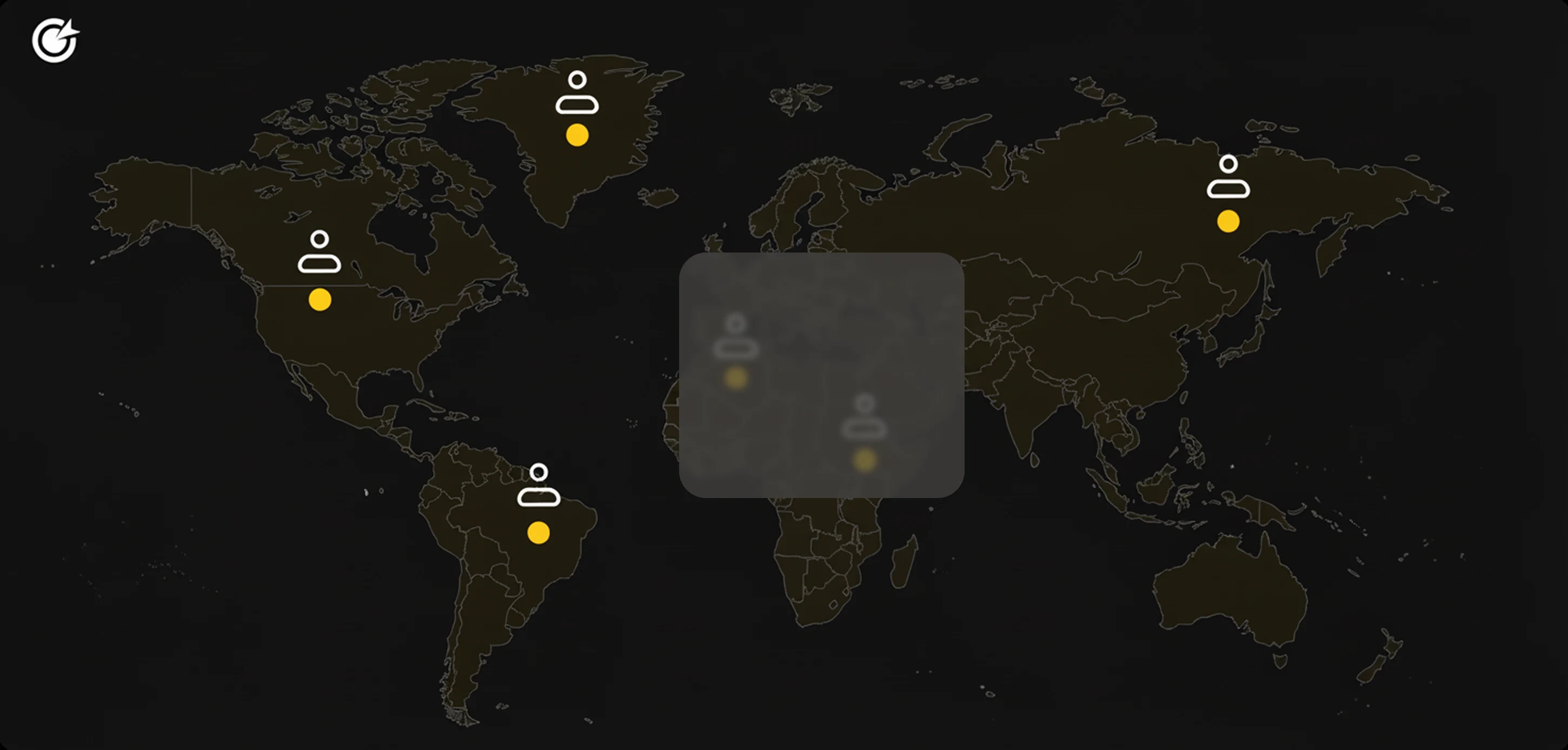
Hover over countries on the map to see the number of available developers in each location
Our dedicated cms developers use the following technologies to build modern web applications.
We offer comprehensive cms services to help you build, maintain, and scale your applications.
We architect decoupled content solutions using platforms like Strapi, Contentful, and Sanity.io. By separating the backend content repository from the frontend presentation layer, we provide faster performance and the flexibility to deliver content to any device via APIs.
Our team specializes in building high-scale traditional CMS solutions. We develop custom themes and robust backend structures tailored for high-traffic corporate websites, ensuring stability, scalability, and ease of use for content editors.
We extend the core functionality of CMS platforms by building bespoke plugins, modules, and widgets. Whether you need custom payment gateways, advanced calculators, or unique UI components, our code follows industry best practices for security and compatibility.
We facilitate seamless transitions between platforms, such as migrating from legacy systems to modern CMS architectures. Our process ensures 100% data integrity, preserving SEO metadata, taxonomies, and media assets during the transfer.
We build and optimize online storefronts using specialized CMS platforms like Shopify, WooCommerce, and Magento. Our solutions focus on conversion rate optimization, inventory management, and secure checkout experiences.
We connect your CMS with essential business tools, including CRM systems like Salesforce, ERPs, and marketing automation platforms. This ensures a unified data flow across your organization and automates repetitive content tasks.
Our engineers optimize CMS performance through advanced caching strategies, database indexing, and Content Delivery Network (CDN) integration. We prioritize Core Web Vitals to ensure lightning-fast load times and improved search engine rankings.
We implement multi-site architectures that allow organizations to manage several international domains from a single dashboard. This includes localization workflows, multi-language support, and region-specific content permissions.
We provide ongoing support through regular security audits, core updates, and proactive patch management. Our services include malware scanning and the implementation of Web Application Firewalls (WAF) to protect your content from vulnerabilities.
Our industry recognition is a testament to our rigorous vetting process and the impactful digital solutions we deliver. From connecting clients with top-tier global talent to building scalable web and mobile apps, our commitment to excellence sets us apart.

Clutch Top 1000 Companies

Top Entertainment App Developers

Expertise Best Mobile App Developer

Software World Top App Development Companies

Horizon Award Gold Awards Winner

Horizon Award Silver Awards Winner

Right firms Top Mobile App Development Company

Access free CMS Developers job description templates, expert-curated interview questions, and comprehensive CMS Developers roadmap to streamline your hiring process and find the best remote CMS Developers for your team.
Download ready-to-use CMS Developers job description templates tailored for your hiring needs.
Browse comprehensive FAQs and interview questions specifically for CMS Developers and CMS Developer roles.
Explore step-by-step learning paths and skill roadmaps specifically designed for CMS Developers and CMS Developer roles.
Discover expert-curated best practices, tips, and strategies specifically for CMS Developer roles and hiring CMS Developers.
Find answers to frequently asked questions about Softaims, our hiring process, developer vetting, pricing models, and how we ensure quality talent for your projects.
Free Productivity Timer Tools
Boost your team's productivity with our free online timer tools. Perfect for Pomodoro sessions, meetings, standups, and focused work sessions. No signup required, works offline.


By Anton L.
 Verified Expert in Engineering
12 years of experience
My name is Anton L. and I have over 12 years of experience in the tech industry. I specialize in the following technologies: Angular, API Integration, AngularJS, Amazon Web Services, Payment Functionality, etc.. I hold a degree in Masters, Masters. Some of the notable projects I’ve worked on include: 🏥 Travel Insurance Application and CRM System for Insurance Companies, 🏗️📈 SaaS Construction CRM Platform with Real-Time Tracking & Admin, 🐾 Kodcy – Global Pet Boarding SaaS, 🛒💰 Web 3.0 Crypto Marketplace, 🤖 AI-Based Learning Assistant with MVP Plan & System Design & SaaS, etc.. I am based in Boulogne-Billancourt, France. I've successfully completed 23 projects while developing at Softaims.
Information integrity and application security are my highest priorities in development. I implement robust validation, encryption, and authorization mechanisms to protect sensitive data and ensure compliance. I am experienced in identifying and mitigating common security vulnerabilities in both new and existing applications.
My work methodology involves rigorous testing—at the unit, integration, and security levels—to guarantee the stability and trustworthiness of the solutions I build. At Softaims, this dedication to security forms the basis for client trust and platform reliability.
I consistently monitor and improve system performance, utilizing metrics to drive optimization efforts. I’m motivated by the challenge of creating ultra-reliable systems that safeguard client assets and user data.
Hiring CMS Web Developers is a crucial decision that can significantly impact the success of online content management. As businesses increasingly rely on digital platforms, the demand for skilled CMS Web Developers continues to grow. Understanding the nuances of hiring CMS Web Developers ensures organizations find the right talent to build, customize, and maintain robust content management systems. This guide will provide you with insights into the hiring process, key skills to look for, and how to evaluate potential candidates effectively. For those navigating the complexities of the tech industry, knowing where to start can make a significant difference.
Whether you're looking to enhance your company's existing CMS or start from scratch, finding the right CMS Web Developers involves more than just technical skills. It's about aligning your business goals with the expertise of the developers. This comprehensive guide will walk you through the entire process, from understanding the cost implications to deciding between hiring dedicated CMS Web Developers or opting for freelance options. With the right approach, you can build a team that not only meets your current needs but also adapts to future technological advancements. For more on CMS technologies, visit the World Wide Web Consortium (W3C).

Understanding the role of CMS Web Developers is essential for making informed hiring decisions. CMS Web Developers are responsible for designing, implementing, and maintaining content management systems that allow businesses to manage digital content efficiently. They work with various CMS platforms such as WordPress, Drupal, and Joomla, customizing them to meet specific business requirements.
A critical aspect of a CMS Developer's role is to ensure that the CMS is both user-friendly and scalable. This involves working closely with UX/UI designers to create interfaces that are intuitive for end-users, as well as collaborating with backend developers to ensure the CMS can handle increasing amounts of data and users. The ability to integrate third-party plugins and modules is also an important skill, as it allows the CMS to extend its functionality without reinventing the wheel.
Moreover, CMS Web Developers often engage in troubleshooting and optimizing the performance of the CMS. They need to possess strong problem-solving skills to identify and resolve issues quickly, minimizing downtime and maintaining the smooth operation of the system. This includes regular updates and patches to improve security and performance. For those interested in the broader role of developers, the Stack Overflow Developer Survey provides valuable insights.
Another key responsibility is ensuring the security of the CMS. This includes implementing security measures to protect against threats like SQL injections, cross-site scripting, and other vulnerabilities. CMS Web Developers must stay updated with the latest security protocols and updates to safeguard content and user data effectively. Their role is crucial in maintaining the integrity of the CMS and ensuring compliance with data protection regulations.
When hiring CMS Web Developers, identifying the right skill set is essential to ensure they can meet your organization's needs. Here are some key skills to consider:
Additionally, familiarity with emerging technologies like React or Vue.js can be advantageous, as these frameworks can be integrated into CMS platforms for enhanced functionality. CMS Web Developers who keep up with the latest trends and technologies are more likely to contribute innovative solutions to your organization.
Finally, attention to detail is a critical skill for CMS Web Developers. They must ensure that the CMS operates smoothly without errors, providing a seamless experience for both users and administrators. This includes thorough testing and quality assurance to catch any issues before they affect the live system.
Evaluating CMS Web Developers requires a structured approach to ensure you select the right candidates for your organization. Here is a step-by-step process to guide you:
During the technical assessment, consider using platforms like LeetCode or HackerRank to evaluate coding skills. These platforms offer a range of problems that can help you assess a candidate's proficiency in relevant programming languages and problem-solving abilities.
It's also important to evaluate a candidate's soft skills, such as teamwork and communication. These skills are crucial for collaborating with other departments and stakeholders. During interviews, pose questions that reveal how candidates have handled past projects, conflicts, and teamwork scenarios.
Finally, trust your instincts. If a candidate shows promise in both technical and interpersonal skills, they are likely a good fit for your team. Remember to document your evaluation process and any feedback to ensure consistency and fairness in your hiring decisions.
Conducting interviews with CMS Web Developers requires a mix of technical and behavioral questions to fully assess their capabilities. Here are some questions and techniques to consider:
In addition to these questions, consider using technical tests during the interview process. These tests can be tailored to mimic real-world scenarios your CMS Web Developers might encounter. Platforms like Codility offer customized testing solutions that provide a clear picture of a candidate's technical capabilities.
Behavioral questions are equally important. They help you assess a candidate's fit within your company culture. Listening to how candidates describe their past experiences can reveal much about their problem-solving skills, adaptability, and teamwork abilities.
Identifying red flags during the hiring process can save your organization from costly mistakes. Here are some warning signs to watch for when interviewing CMS Web Developers:
If a candidate cannot clearly articulate their experience with specific CMS platforms, it could indicate a lack of depth in their knowledge. A strong candidate should be able to discuss their work with confidence and provide detailed examples of their contributions to past projects. Additionally, vague or evasive answers to technical questions can be a red flag, suggesting they may not have the hands-on experience they claim.
Another red flag is a lack of awareness of security best practices. Given the importance of securing digital content and user data, a CMS Developer should have a solid understanding of potential threats and how to mitigate them. If a candidate struggles to explain common security protocols or fails to demonstrate an understanding of recent security updates, this could be a cause for concern.
Poor communication skills can also be a significant red flag. Effective communication is crucial for collaborating with team members and explaining technical concepts to non-technical stakeholders. During the interview, pay attention to how well the candidate conveys their thoughts and whether they can explain technical information in a way that is easy to understand.
Finally, a lack of enthusiasm for continuous learning can indicate that a candidate may not keep up with the latest trends and best practices in CMS development. This is especially important in a field that is constantly evolving with new technologies and methodologies. A candidate who is not proactive about learning may quickly become outdated in their skills and knowledge.
Deciding between dedicated CMS Web Developers and freelance CMS Web Developers depends on your organization's specific needs and resources. Dedicated CMS Web Developers are typically full-time employees who focus solely on your projects. They are ideal for long-term projects where ongoing maintenance and updates are required. Having a dedicated team allows for better cohesion and communication, as developers become intimately familiar with your systems and processes.
On the other hand, freelance CMS Web Developers offer flexibility and cost-effectiveness for short-term or specific projects. They can be brought in to handle peak workloads or to provide specialized skills that your in-house team may lack. Freelancers are often more adaptable to changing project requirements, making them a good choice for businesses with fluctuating demands.
Using a platform like Softaims can help you find both dedicated and freelance CMS Web Developers. This platform provides access to a wide pool of talent, allowing you to choose the best fit for your project needs. Whether you need a full-time team or temporary assistance, Softaims offers flexible hiring solutions.
Ultimately, the decision comes down to the nature of your project, budget constraints, and the level of expertise required. For organizations with long-term CMS needs, dedicated developers are often the best choice. However, for short-term projects or when specific expertise is needed, freelancers can provide a cost-effective and efficient solution.
Companies hire CMS Web Developers to enhance their digital presence and streamline content management processes. A well-implemented CMS allows businesses to efficiently manage their online content, ensuring it is current, relevant, and engaging for users. CMS Web Developers bring the technical expertise needed to customize and optimize these systems to meet specific business objectives.
Beyond initial setup, CMS Web Developers play a crucial role in maintaining and updating the CMS to ensure it remains secure and functional. As businesses grow and their content needs evolve, CMS Web Developers adjust the system to handle increased traffic, integrate new features, and improve user experience. This ongoing support is vital for maintaining a competitive edge in the digital marketplace.
Additionally, CMS Web Developers help companies leverage data analytics and SEO strategies to enhance their digital marketing efforts. By integrating analytics tools and optimizing content for search engines, they enable businesses to gain insights into user behavior and improve online visibility. This data-driven approach helps companies make informed decisions and adapt to market trends.
Finally, CMS Web Developers are essential for ensuring compliance with data protection regulations. They implement security measures to protect user data and ensure the CMS adheres to legal requirements. This protects the company from potential legal issues and builds trust with users by demonstrating a commitment to data privacy and security.
Understanding the cost of hiring CMS Web Developers in 2026 is essential for budgeting and planning. Salaries can vary widely depending on the region, level of experience, and specific skills required. Here's a breakdown of average salaries for CMS Web Developers in different countries:
| Country | Average Salary (USD) |
|---|---|
| United States | $80,000 - $120,000 |
| United Kingdom | $60,000 - $90,000 |
| Canada | $70,000 - $100,000 |
| Australia | $75,000 - $110,000 |
| Germany | $65,000 - $95,000 |
| Switzerland | $90,000 - $130,000 |
| India | $15,000 - $25,000 |
| Singapore | $70,000 - $105,000 |
| Israel | $85,000 - $120,000 |
| Japan | $75,000 - $110,000 |
Hiring CMS Web Developers offers numerous benefits for businesses looking to enhance their digital presence. One of the primary advantages is the ability to customize content management systems to meet specific business needs. CMS Web Developers can tailor the CMS to align with your branding, functionality, and user experience requirements, providing a unique and cohesive digital platform.
Another benefit is improved efficiency in managing digital content. CMS Web Developers streamline the content creation, editing, and publishing processes, making it easier for teams to collaborate and keep content up to date. This efficiency translates into cost savings and allows your organization to focus on strategic initiatives rather than getting bogged down by technical challenges.
Additionally, CMS Web Developers help ensure the scalability of your digital platform. As your business grows, they can adjust the CMS to accommodate increased traffic and data, ensuring that performance remains optimal. This scalability is essential for maintaining a positive user experience and supporting long-term business growth.
Finally, having skilled CMS Web Developers on your team enhances security and compliance. They implement robust security measures to protect against cyber threats and ensure that your CMS complies with relevant data protection regulations. This not only protects your company from potential risks but also builds trust with your customers by demonstrating a commitment to safeguarding their data.
While hiring CMS Web Developers offers numerous benefits, it also presents certain challenges. One of the primary challenges is finding candidates with the right combination of technical skills and industry experience. The demand for skilled CMS Web Developers often exceeds supply, making it difficult to attract top talent.
Another challenge is assessing the technical proficiency of candidates. Given the complexity of content management systems, it can be difficult to evaluate a candidate's ability to work with specific platforms and technologies. This requires a thorough understanding of the technical requirements and the use of appropriate assessment tools and techniques.
Additionally, cultural fit is an important consideration when hiring CMS Web Developers. The ability to work collaboratively with other team members and adapt to your company's culture is crucial for long-term success. This can be challenging to assess during the interview process, making it important to ask the right questions and observe candidate behavior.
Finally, budget constraints can be a challenge when hiring CMS Web Developers. With salaries varying widely depending on location and experience, it's essential to balance your budget with the need for skilled talent. This may involve exploring different hiring options, such as freelancers or remote workers, to find a solution that meets your needs and budget.
CMS Web Developers rely on a variety of tools and technologies to build and manage content management systems effectively. Understanding these tools is crucial for evaluating candidates and providing them with the resources they need to succeed. Here are some of the top tools and technologies for CMS Web Developers:
These tools and technologies form the backbone of modern CMS development. Proficiency in these areas is crucial for CMS Web Developers to design efficient, scalable, and secure content management systems.
Additionally, staying updated with new tools and technologies is important for CMS Web Developers to remain competitive in the field. Attending workshops, participating in online courses, and engaging with the developer community can help them keep their skills sharp and stay ahead of industry trends.
Implementing best practices when hiring CMS Web Developers can help you attract and retain top talent. One of the most effective strategies is to clearly define the role and responsibilities in your job postings. This ensures that candidates have a clear understanding of what is expected and can self-assess their fit for the position.
Another best practice is to streamline the hiring process. A lengthy and cumbersome process can deter qualified candidates from completing their applications. Simplifying the application and interview process while maintaining thoroughness can improve candidate experience and increase your chances of securing top talent.
Offering competitive salaries and benefits is also crucial for attracting skilled CMS Web Developers. Researching industry standards and adjusting your compensation packages accordingly can make your company more appealing to potential candidates. Consider non-monetary benefits such as flexible work arrangements and professional development opportunities as well.
Finally, fostering a positive company culture can be a significant draw for candidates. Highlighting your company's values, work environment, and team dynamics in job postings and interviews can help attract candidates who align with your culture and are more likely to thrive in your organization.
Retaining CMS Web Developers is just as important as hiring them, as high turnover can disrupt projects and increase costs. Providing a supportive work environment is key to retention. This includes offering opportunities for professional growth, such as training programs and career development paths.
Additionally, recognizing and rewarding contributions can boost morale and motivation. Regular feedback, performance reviews, and recognition programs can help CMS Web Developers feel valued and appreciated for their work. This can lead to increased job satisfaction and loyalty.
Work-life balance is another critical factor in retention. Offering flexible work arrangements, such as remote work options and flexible hours, can help CMS Web Developers manage their personal and professional responsibilities more effectively. This balance can reduce burnout and increase overall job satisfaction.
Finally, fostering a collaborative and inclusive work culture can enhance retention. Encouraging teamwork, open communication, and diversity in the workplace can create a positive environment where CMS Web Developers feel comfortable and engaged. This can lead to increased productivity and a stronger sense of belonging.
In conclusion, hiring CMS Web Developers is a strategic decision that can significantly impact your organization's digital presence and content management capabilities. By understanding the role, evaluating candidates effectively, and implementing best practices, you can build a team of skilled CMS Web Developers that drive your business forward. Whether you choose dedicated or freelance developers, providing a supportive and inclusive work environment will ensure you retain top talent and achieve long-term success. As the digital landscape continues to evolve, having the right CMS Web Developers on your team will be essential for staying competitive and meeting the demands of the modern marketplace.


 Stackoverflow