
Daniel Russo
ScaleUp software
Working with Softaims allowed us to quickly onboard highly skilled engineers who integrated seamlessly with our team. The experience was smooth and the results exceeded our expectations.
Video testimonial available
See pre-vetted large language model engineers with transparent hourly rates, experience, ratings, and filters to quickly shortlist the right candidates for your project.




Clients rate Softaims Large Language Model Engineers4.9 / 5.0 on averagebased on 13,542 reviews.
Vetted Experts
Trial-to-Hire Success Rate
Fast Candidate Matching
"Working with Softaims allowed us to quickly onboard highly skilled engineers who integrated seamlessly with our team. The experience was smooth and the results exceeded our expectations."

Daniel Russo
ScaleUp software


 Trustpilot
Explore related technologies and frameworks to find the perfect developer for your project

Softaims connects you with rigorously vetted full-time and freelance software engineers across every modern tech stack. From AI specialists to Cloud Architects, access a curated network of elite remote talent designed to scale your business.
Every Large Language Model Engineer in our talent pool has gone through our rigorous vetting process, so you can be confident that they will perform as well in reality as they do on paper.
Within 48 hours of your request, we send you a list of Large Language Model Engineers who meet your needs and who are ready to join your team as soon as you're ready.
Access top talent from around the world at competitive rates without compromising on quality or expertise. Get the best value for your hiring budget.
Make your hiring process bulletproof with our replacement guarantee. Not happy with your Large Language Model Engineer? We'll replace them, no charges, no questions.
Quickly find Large Language Model Engineers that match your requirements with our advanced filtering system. Filter by skills, experience, hourly rate, location, and more.
Whether you need a full-time team member or a freelance Large Language Model Engineer for a specific project, we have the right talent ready to join your team.
Trustpilot| Features | Softaims | Toptal | Upwork | Freelancers | In-house Resources |
|---|---|---|---|---|---|
Fully Compliant Developers are employed by U.S corporations | |||||
High-Quality Pre-vetted, highly trained, and skilled resources | |||||
Affordability Competitive rates without compromising quality | |||||
Try Before You Buy Test developers before committing | |||||
Secure Locations Developers work in secure and monitored environments | |||||
Highly Scalable Plug in and out developers based on your business needs | |||||
Diverse Tech Stack Broad expertise in diverse tech stack in your time zone |
ScaleUp software
Working with Softaims allowed us to quickly onboard highly skilled engineers who integrated seamlessly with our team. The experience was smooth and the results exceeded our expectations.
Video testimonial available

Ex-VP Engineering at Uber
Softaims made hiring remote developers effortless. The talent matched our requirements perfectly, and collaboration with the team was extremely efficient.
Video testimonial available

CT0 at EdAider
The Softaims platform gave us access to developers who immediately added value. Their expertise and professionalism made the entire process seamless.
Video testimonial available

Hello Median
Softaims helped us scale our engineering team quickly. The quality of the developers and the speed of onboarding were impressive.
Video testimonial available

CEO at Stads.io
Hiring through Softaims was straightforward and effective. We were able to collaborate with skilled engineers who understood our technical needs.
Video testimonial available

CEO at Onenine
Softaims provided us with experienced developers who contributed immediately to our projects. The process was efficient and the results were excellent.

CEO at Sparklaunch Media
Softaims provided us access to highly skilled remote engineers who contributed immediately. The process was efficient, and the quality of work exceeded our expectations.

CEO at Lovart
Hiring through Softaims was seamless. We were able to find developers who perfectly matched our technical requirements and collaborated effectively with our in-house team.
ScaleUp software
Working with Softaims allowed us to quickly onboard highly skilled engineers who integrated seamlessly with our team. The experience was smooth and the results exceeded our expectations.
Ex-VP Engineering at Uber
Softaims made hiring remote developers effortless. The talent matched our requirements perfectly, and collaboration with the team was extremely efficient.
CT0 at EdAider
The Softaims platform gave us access to developers who immediately added value. Their expertise and professionalism made the entire process seamless.
Hello Median
Softaims helped us scale our engineering team quickly. The quality of the developers and the speed of onboarding were impressive.
CEO at Stads.io
Hiring through Softaims was straightforward and effective. We were able to collaborate with skilled engineers who understood our technical needs.
CEO at Onenine
Softaims provided us with experienced developers who contributed immediately to our projects. The process was efficient and the results were excellent.
CEO at Sparklaunch Media
Softaims provided us access to highly skilled remote engineers who contributed immediately. The process was efficient, and the quality of work exceeded our expectations.
CEO at Lovart
Hiring through Softaims was seamless. We were able to find developers who perfectly matched our technical requirements and collaborated effectively with our in-house team.
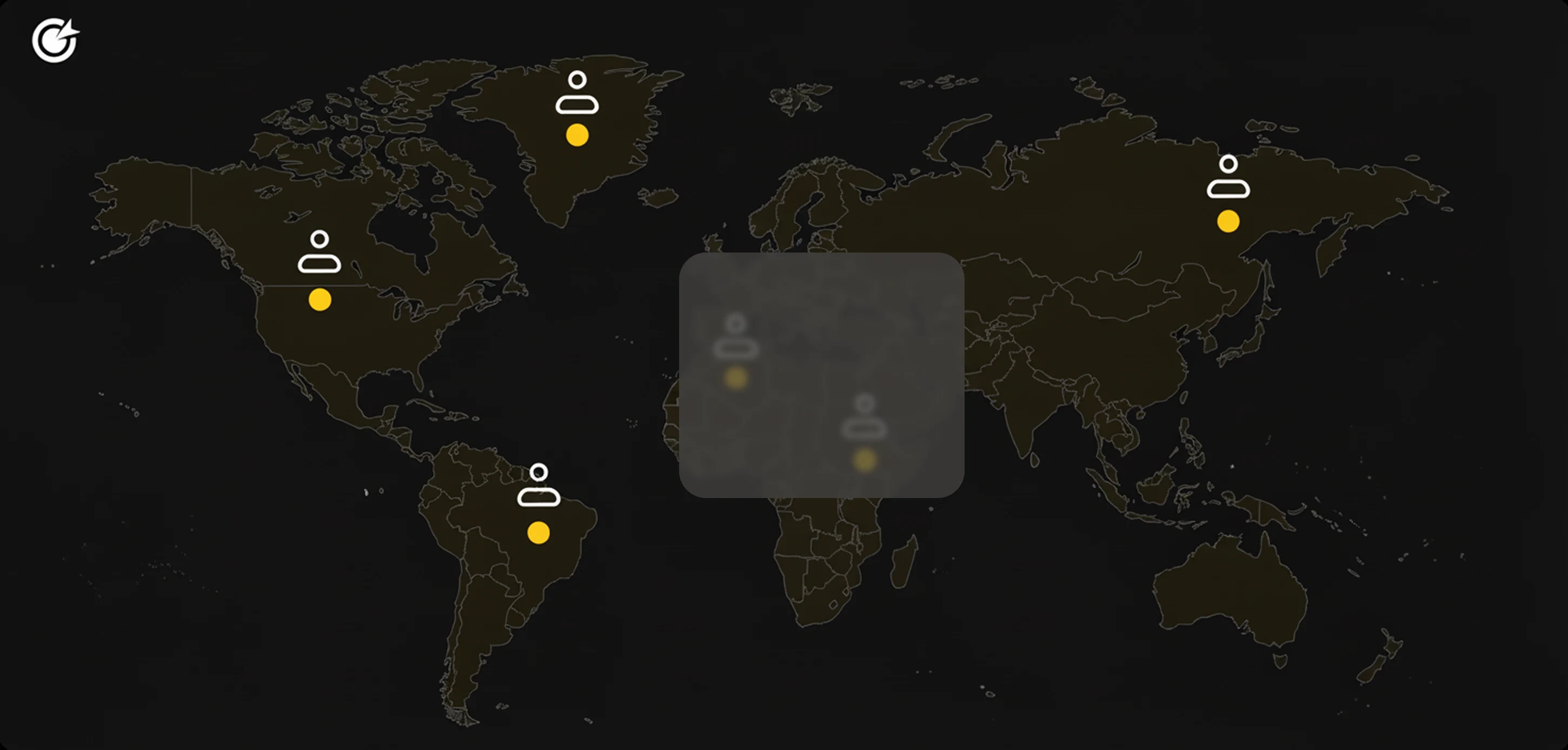
Hire Softaims talent around the world
25.1K+
Softaims large language model engineers in the world
487+
We'll help you find the perfect fit for your team. From AI specialists to Cloud Architects, access a curated network of elite remote talent designed to scale your business.
Hire Large Language Model Engineer
Hover over countries on the map to see the number of available developers in each location
Our dedicated large language model engineers use the following technologies to build modern web applications.
TensorFlow Serving
TorchServe
Amazon SageMaker
Google AI Platform
Azure Machine Learning
MLflow
Kubeflow
Algorithmia
Seldon Core
Cortex
Labelbox
Scale AI
SuperAnnotate
Appen
Amazon SageMaker Ground Truth
Dataloop
Hive
V7 Labs
Playment
Remo
Prodi.gy
We offer comprehensive large language model services to help you build, maintain, and scale your applications.
Our engineers specialize in fine-tuning large language models using Hugging Face Transformers to tailor them to your specific domain. This customization enhances the relevance and accuracy of the model's outputs, leading to improved user engagement and satisfaction.
We integrate OpenAI's GPT-3 API into your existing systems to automate complex workflows, reducing operational costs and increasing efficiency. Our developers ensure seamless communication between your applications and the language model, optimizing productivity.
Our team uses TensorFlow Serving to optimize the performance of large language models, ensuring fast and reliable predictions. This results in a smoother user experience and supports high-traffic demands without compromising on speed.
We assist in migrating from legacy rule-based systems to modern NLP models, leveraging the power of large language models like BERT. This transition enhances the system's ability to understand and process natural language, leading to more intelligent and adaptable applications.
Our developers employ specialized testing frameworks to ensure the accuracy and reliability of large language models. By identifying and addressing potential issues early, we help maintain high standards of quality and performance in your applications.
We build intelligent, cross-platform chatbots using Rasa integrated with large language models. This combination provides a conversational interface that enhances customer interaction and satisfaction across various platforms, from web to mobile.
Our architects design scalable solutions for deploying large language models, ensuring your system can handle increasing loads and data volumes. This strategic planning supports business growth and ensures consistent performance under pressure.
We offer theming and customization services for applications using language model APIs, allowing you to tailor the user interface and interactions to match your brand identity. This personalization enhances user experience and brand loyalty.
Our team improves the developer experience by using PyTorch Lightning to streamline the process of training and deploying large language models. This approach reduces development time and complexity, enabling faster innovation and deployment cycles.
Our industry recognition is a testament to our rigorous vetting process and the impactful digital solutions we deliver. From connecting clients with top-tier global talent to building scalable web and mobile apps, our commitment to excellence sets us apart.

Clutch Top 1000 Companies
Top Entertainment App Developers

Expertise Best Mobile App Developer
Software World Top App Development Companies

Horizon Award Gold Awards Winner

Horizon Award Silver Awards Winner
Right firms Top Mobile App Development Company

Access free Large Language Model Engineers job description templates, expert-curated interview questions, and comprehensive Large Language Model Engineers roadmap to streamline your hiring process and find the best remote Large Language Model Engineers for your team.
Download ready-to-use Large Language Model Engineers job description templates tailored for your hiring needs.
Browse comprehensive FAQs and interview questions specifically for Large Language Model Engineers and Large Language Model Engineer roles.
Explore step-by-step learning paths and skill roadmaps specifically designed for Large Language Model Engineers and Large Language Model Engineer roles.
Discover expert-curated best practices, tips, and strategies specifically for Large Language Model Engineer roles and hiring Large Language Model Engineers.
Find answers to frequently asked questions about Softaims, our hiring process, developer vetting, pricing models, and how we ensure quality talent for your projects.
Free Productivity Timer Tools
Boost your team's productivity with our free online timer tools. Perfect for Pomodoro sessions, meetings, standups, and focused work sessions. No signup required, works offline.


By Samuel P.
 Verified Expert in Engineering
6 years of experience
My name is Samuel P. and I have over 6 years of experience in the tech industry. I specialize in the following technologies: Machine Learning, TensorFlow, Python, PyTorch, Linux System Administration, etc.. I hold a degree in , Bachelor of Applied Science (BASc). Some of the notable projects I’ve worked on include: Cuelis – Prompt Management Platform for Automation & Agents, AI Customer Support Agent • RAG-Driven Ticket Resolution for Shopify, Vektaris – Decentralized AI-Ready Vector Database, ToolFlow Protocol JSON-First LLM Tool Discovery & Invocation Server, Hybrid Document Intelligence & Simulation Chatbot (MVP), etc.. I am based in Miami Beach, United States. I've successfully completed 27 projects while developing at Softaims.
I approach every technical challenge with a mindset geared toward engineering excellence and robust solution architecture. I thrive on translating complex business requirements into elegant, efficient, and maintainable outputs. My expertise lies in diagnosing and optimizing system performance, ensuring that the deliverables are fast, reliable, and future-proof.
The core of my work involves adopting best practices and a disciplined methodology, focusing on meticulous planning and thorough verification. I believe that sustainable solution development requires discipline and a deep commitment to quality from inception to deployment. At Softaims, I leverage these skills daily to build resilient systems that stand the test of time.
I am dedicated to making a tangible difference in client success. I prioritize clear communication and transparency throughout the development lifecycle to ensure every deliverable exceeds expectations.
Large Language Model Engineers are specialized professionals dedicated to developing and optimizing AI models capable of understanding and generating human-like text. These engineers are crucial for companies looking to implement AI-driven solutions that enhance customer interactions, automate content generation, and extract meaningful insights from vast amounts of text data. Large Language Models, such as GPT, have revolutionized various industries by enabling more efficient data processing and user engagement.
This comprehensive guide explores the critical aspects of hiring Large Language Model Engineers in 2026. Readers will learn about the skills these engineers must possess, the interview questions to ask, the costs involved, and the best practices for onboarding and managing them effectively. This guide also provides insights into current trends and challenges in the field, helping companies make informed hiring decisions.
In my experience, companies hire Large Language Model Engineers primarily to harness the power of advanced AI technologies for business transformation. For instance, firms in the e-commerce sector use these engineers to develop chatbots that provide personalized customer service, reducing the need for human intervention. Additionally, media companies apply Large Language Models to automate content creation, ensuring a steady stream of articles and reports. The most effective approach I've seen involves using AI for sentiment analysis, which allows businesses to gauge public opinion efficiently. According to TechCrunch, companies that integrate AI into their operations report improved efficiency and customer satisfaction.
Real-world examples include companies like OpenAI and Google, which have pioneered the development of Large Language Models. These organizations use AI to innovate and maintain a competitive edge by automating processes that were previously manual and resource-intensive. I found that businesses employing Large Language Model Engineers often experience a significant reduction in operational costs while improving output quality. This efficiency is particularly evident in sectors such as finance and healthcare, where processing large volumes of text data is crucial.
When I've interviewed Large Language Model Engineers, I've noticed that the key to successful AI implementation lies in the ability to develop models that can adapt to diverse linguistic contexts. This adaptability is what makes Large Language Models so valuable across different industries. As businesses continue to explore AI capabilities, the demand for skilled engineers in this domain will continue to grow. According to a recent article on Forbes, the AI industry is projected to expand rapidly, highlighting the need for specialized talent to drive innovation.
When hiring Large Language Model Engineers, it's crucial to identify candidates with a specific set of skills tailored to the demands of AI model development and deployment. In practice, these skills fall into several categories, including technical expertise, problem-solving abilities, and experience with AI frameworks. One pattern I've noticed is that successful candidates often have a strong background in machine learning and natural language processing (NLP). According to LinkedIn, most employers list proficiency in Python, TensorFlow, and PyTorch as essential skills for these roles.
In my experience, candidates with a deep understanding of AI architecture and the ability to fine-tune models for specific tasks stand out in the hiring process. Additionally, experience with data preprocessing and model evaluation is crucial, as these engineers must ensure the models are both accurate and efficient. A common mistake is overlooking the importance of experience with cloud platforms like AWS or Google Cloud, which are often necessary for deploying large-scale models.
According to HackerRank, the demand for AI expertise continues to rise, making it imperative for companies to hire candidates with the right skill set. In my experience, engineers who possess a combination of these skills are better equipped to tackle the complex challenges of developing and deploying Large Language Models.
Interviewing Large Language Model Engineers requires a focused approach that tests both technical skills and problem-solving abilities. In practice, it's essential to ask questions that reveal a candidate's depth of knowledge in AI and their capability to apply it in real-world scenarios. One pattern I've noticed is that effective interviews often combine technical questions with behavioral assessments to gauge a candidate's collaborative skills and adaptability. When I've interviewed Large Language Model Engineers, I've found that a balance of both technical and behavioral questions yields the best insights into a candidate's fit for the role.
Behavioral assessments are equally important when hiring Large Language Model Engineers. In my experience, candidates who demonstrate strong problem-solving abilities and adaptability tend to perform well in dynamic work environments. A common mistake is failing to assess a candidate's ability to work collaboratively, which is essential for successful AI project execution. When assessing behavioral traits, I found that scenarios involving past project experiences provide valuable insights into a candidate's problem-solving approach and teamwork skills.
According to Glassdoor, companies that incorporate behavioral assessments in their interview process report higher success rates in hiring candidates who align with their organizational culture. In practice, asking candidates to describe how they handled challenging situations or navigated team dynamics can reveal their interpersonal skills and their ability to contribute positively to a team. By integrating these techniques, companies can hire Large Language Model Engineers who not only possess the technical expertise but also the soft skills necessary for effective collaboration.
The cost of hiring Large Language Model Engineers in 2026 varies significantly based on factors such as location, experience level, and project complexity. In practice, salaries for these roles are influenced by the growing demand for AI expertise and the specialized skills required to develop and maintain advanced language models. According to Salary.com, the average salary for a Senior Large Language Model Engineer in the United States ranges from $120,000 to $180,000 annually. However, companies can expect to pay higher rates for candidates with extensive experience and proven track records in AI development.
| Country | Junior Level (Per Hour) | Junior Level (Per Year) | Mid-Level (Per Hour) | Mid-Level (Per Year) | Senior Level (Per Hour) | Senior Level (Per Year) |
|---|---|---|---|---|---|---|
| United States | $40-$50 | $80,000-$100,000 | $60-$80 | $120,000-$160,000 | $90-$120 | $180,000-$240,000 |
| United Kingdom | $35-$45 | $70,000-$90,000 | $55-$75 | $110,000-$150,000 | $85-$110 | $170,000-$230,000 |
| Canada | $30-$40 | $60,000-$80,000 | $50-$70 | $100,000-$140,000 | $80-$100 | $160,000-$200,000 |
| Germany | $30-$40 | $60,000-$80,000 | $50-$70 | $100,000-$140,000 | $80-$100 | $160,000-$200,000 |
| India | $10-$15 | $20,000-$30,000 | $20-$30 | $40,000-$60,000 | $30-$40 | $60,000-$80,000 |
| Poland | $15-$20 | $30,000-$40,000 | $25-$35 | $50,000-$70,000 | $35-$50 | $70,000-$100,000 |
| Ukraine | $15-$20 | $30,000-$40,000 | $25-$35 | $50,000-$70,000 | $35-$50 | $70,000-$100,000 |
| Brazil | $12-$18 | $24,000-$36,000 | $22-$32 | $44,000-$64,000 | $32-$42 | $64,000-$84,000 |
Teams that hire Large Language Model Engineers through Softaims gain access to pre-screened talent at rates significantly below the US market average — without compromising on quality or technical depth. Developers are matched to your requirements within 48 hours, giving you direct access to senior large language model talent at a fraction of the cost of a local hire.
According to Indeed, understanding these factors helps companies make informed decisions when allocating budgets for AI talent. In my experience, considering these elements ensures that the hiring process aligns with both financial constraints and project goals.
Determining whether to hire dedicated Large Language Model Engineers or opt for freelance talent depends on the specific needs and goals of your project. In my experience, companies with long-term projects or ongoing AI development initiatives benefit from hiring dedicated engineers who can provide consistent and focused attention. For instance, businesses in healthcare or finance that require continuous model updates and maintenance typically prefer dedicated hires to ensure sustained progress and quality.
On the other hand, freelance Large Language Model Engineers offer flexibility and cost-effectiveness for short-term projects or when expertise is needed for a specific task. In practice, I've seen startups and smaller companies leverage freelancers to develop prototypes or pilot projects without committing to long-term employment costs. This approach allows businesses to access specialized skills on an as-needed basis, optimizing resource allocation.
Teams that hire Large Language Model Engineers through Softaims gain access to a pool of pre-vetted candidates, enabling companies to choose between dedicated and freelance options based on their project requirements. According to Entrepreneur, understanding the trade-offs between these hiring models is crucial for maximizing the return on investment in AI development. By selecting the appropriate model, companies can ensure that their AI initiatives align with their strategic objectives and budgetary constraints.
Hiring offshore Large Language Model Engineers offers a significant cost advantage over local US hiring, without compromising on quality. In my experience, offshore engineers possess the same level of expertise and dedication as their local counterparts but at a fraction of the cost. This approach allows companies to tap into a global talent pool while managing expenses effectively. Additionally, time zone differences can be leveraged to maintain a continuous development cycle, as offshore teams can make progress while local teams rest.
Teams that hire Large Language Model Engineers through Softaims gain access to vetted offshore talent within 48 hours, ensuring that the onboarding process is efficient and frictionless. The platform's rigorous vetting process guarantees that only highly skilled candidates are presented, thus maintaining the quality of the work delivered. According to Harvard Business Review, the ability to scale development teams quickly and affordably is a key advantage for companies looking to stay competitive in the AI space.
| Factor | Local (US) Hire | Offshore Large Language Model Engineer via Softaims |
|---|---|---|
| Junior Annual Salary | $80,000–$100,000 | $25,000–$35,000 |
| Senior Annual Salary | $180,000–$240,000 | $75,000–$100,000 |
| Hourly Rate (Mid-Level) | $60–$80/hr | $25–$35/hr |
| Average Time to Hire | 4–8 weeks | 24–48 hours |
| Benefits & Overhead | +25–35% on top of salary | None |
| Contract Flexibility | Full-time preferred | Full-time / Part-time / Project-based |
| Talent Pool Access | Regional | Global |
In practice, companies that choose offshore hiring models benefit from reduced operational costs while maintaining high-quality deliverables. The key is partnering with a reputable platform like Softaims, which ensures that the talent sourced meets the required standards and is aligned with the company's strategic goals.
When interviewing Large Language Model Engineers, it's important to be vigilant for specific red flags that indicate potential issues. In my experience, one common red flag is a candidate's inability to explain complex AI concepts in simple terms. This often suggests a lack of deep understanding or the inability to communicate effectively with non-technical stakeholders. When I've interviewed candidates, I've found that those who struggle to articulate their thought process may face challenges in collaborative environments where clear communication is essential.
Another red flag is the over-reliance on pre-built models without the ability to customize or adapt them to specific use cases. In practice, engineers who lack the skills to modify and optimize AI models may produce suboptimal solutions that don't meet business needs. A common mistake is assuming that all problems can be solved with off-the-shelf models without considering the unique requirements of a project.
Additionally, candidates who demonstrate a lack of awareness of AI ethics and bias mitigation can pose significant risks to a company. In my experience, engineers who do not prioritize ethical considerations may develop models that inadvertently perpetuate biases, leading to reputational damage and legal consequences. According to W3C, addressing these concerns is essential for building trustworthy AI solutions. By being aware of these red flags, companies can hire Large Language Model Engineers who not only have the technical expertise but also the foresight to build responsible and effective AI systems.
Evaluating Large Language Model Engineers requires a systematic approach to assess their technical skills, problem-solving abilities, and cultural fit. In my experience, a structured evaluation process ensures that candidates meet the specific requirements of the role and align with the company's goals. Here are six key steps to effectively evaluate Large Language Model Engineers:
In practice, these steps provide a comprehensive framework for evaluating candidates' suitability for the role. One pattern I've noticed is that companies that adopt this approach often find candidates who not only meet technical requirements but also contribute positively to the team dynamic. By following this evaluation process, companies can hire Large Language Model Engineers who possess the skills and mindset needed to drive successful AI initiatives.
According to Greenhouse ATS, a well-defined evaluation process improves hiring outcomes by ensuring that candidates are assessed consistently and fairly. By implementing these steps, companies can streamline their hiring process and make informed decisions that align with their strategic objectives.
To ensure a successful hiring process for Large Language Model Engineers, it's essential to follow a structured checklist that covers each stage of recruitment. In my experience, a detailed checklist helps companies manage the complexities of hiring specialized talent and ensures that no critical steps are overlooked. Here's a comprehensive checklist to guide the hiring process:
First, accurately define the role and responsibilities of the Large Language Model Engineer, including key technical skills and project requirements. This clarity ensures that both the hiring team and candidates have a mutual understanding of expectations. Next, establish a recruitment timeline to manage the process efficiently and set realistic deadlines for each phase, from sourcing to onboarding.
Finally, involve relevant stakeholders in the decision-making process. In practice, including team members who will work closely with the new hire ensures that the candidate is a good fit both technically and culturally. According to SHRM, involving diverse perspectives in the hiring process improves the quality of hires and enhances team dynamics.
By following this checklist, companies can streamline the hiring process and hire Large Language Model Engineers who align with their business goals and technical needs. In my experience, a well-organized process leads to better hiring outcomes and reduces the time and resources spent on recruitment.
Onboarding Large Language Model Engineers effectively is crucial to their success and integration into the team. In my experience, a comprehensive onboarding process ensures that new hires are equipped with the necessary tools, knowledge, and support to contribute meaningfully from the start. Here are some best practices for onboarding Large Language Model Engineers:
First, set up the necessary tooling and infrastructure to enable engineers to work efficiently. This includes providing access to code repositories, AI frameworks, and cloud platforms. In practice, ensuring that new hires have the technical resources they need from day one helps them hit the ground running. Additionally, establish clear communication channels and introduce new hires to team members and key stakeholders to foster collaboration and rapport.
Next, provide structured training and mentorship to help engineers familiarize themselves with the codebase and company processes. One pattern I've noticed is that companies that invest in ongoing training and mentorship see higher retention rates and improved performance. According to GitHub, continuous learning opportunities are highly valued by tech professionals and contribute to job satisfaction and growth.
Finally, set realistic expectations for the ramp-up timeline and provide regular feedback to guide new hires in their development. In my experience, clear expectations and constructive feedback help engineers align their efforts with organizational goals and build confidence in their abilities. By following these best practices, companies can ensure a smooth transition for new Large Language Model Engineers and maximize their contributions to the team.
Hiring Large Language Model Engineers comes with its unique set of challenges, particularly due to the specialized skills required and the competitive nature of the field. In my experience, one of the primary challenges is the scarcity of talent with practical experience in developing and deploying Large Language Models. While many candidates may have theoretical knowledge, finding those with hands-on experience is more difficult. According to Stack Overflow, companies often struggle to find candidates who have worked on similar projects and can demonstrate proven results.
Another challenge is differentiating between candidates with genuine expertise and those who exaggerate their skills. In my experience, thorough technical assessments and interviews are necessary to verify a candidate's abilities and ensure they can deliver on the job's requirements. A common mistake is relying solely on resumes or superficial interviews, which can lead to costly hiring errors.
Retention is also a significant challenge, as skilled Large Language Model Engineers are in high demand and frequently receive competing offers. In practice, companies that invest in employee development, competitive compensation, and a positive work environment are more successful in retaining top talent. According to Glassdoor, organizations that prioritize employee satisfaction and engagement see lower turnover rates, which is crucial in a competitive talent market.
When it comes to hiring Large Language Model Engineers, leveraging the right tools and resources can significantly improve the efficiency and effectiveness of the recruitment process. In my experience, partnering with a platform like Softaims can streamline the hiring process by providing access to pre-vetted candidates, thus eliminating the need for manual sourcing and evaluation. This approach allows companies to focus on selecting the best-fit candidates from a curated pool of talent.
Softaims handles all aspects of candidate sourcing, skill verification, technical vetting, and profile screening, offering a comprehensive solution for hiring Large Language Model Engineers. This means companies can bypass the often cumbersome process of using multiple platforms such as LinkedIn, ATS systems, or technical assessment tools like HackerRank and Codility. By consolidating these processes, Softaims ensures that companies can quickly and efficiently hire skilled engineers who meet their specific requirements.
For those interested in learning more about the talent pool available through Softaims, visiting the developers page is a great starting point. Additionally, companies looking to initiate the hiring process can contact Softaims directly through their contact page. By using these resources, organizations can simplify their hiring process and secure top-tier Large Language Model Engineers to drive their AI initiatives forward.
As we progress through 2026, several emerging trends are shaping the landscape of Large Language Model development and hiring. One significant trend is the increasing focus on AI ethics and transparency. In my experience, companies are placing a greater emphasis on developing models that are not only effective but also ethically sound. This shift is driven by growing concerns over AI bias and the need for models that can operate transparently and fairly.
Another trend is the rise of multimodal AI models that integrate language, vision, and other data types to create more comprehensive AI solutions. In practice, this development requires engineers to possess diverse skills and adapt to new technologies quickly. According to TechCrunch, the demand for engineers who can work with these multimodal models is expected to grow, offering exciting opportunities for those with the right expertise.
Finally, remote work and the globalization of talent continue to impact hiring practices. Companies are increasingly open to hiring remote Large Language Model Engineers from diverse geographical locations, enabling access to a broader talent pool. In my experience, this trend promotes innovation and collaboration across borders and allows companies to find the best talent regardless of location. By staying informed about these trends, organizations can adapt their hiring strategies to remain competitive in the rapidly evolving AI landscape.
To hire top-tier Large Language Model Engineers through Softaims within 48 hours, companies can access a curated pool of vetted candidates prepared to meet specific project needs. Explore the advantages of working with Softaims and streamline your hiring process today.
When hiring Large Language Model Engineers, prioritizing skills such as proficiency in AI frameworks, experience with data preprocessing, and the ability to fine-tune models is essential for ensuring high-quality project outcomes. These skills enable engineers to develop efficient and effective solutions tailored to specific business needs. However, the biggest red flag in interviews is a candidate's inability to articulate their problem-solving approach, which can signal a lack of depth in understanding complex AI concepts. Ignoring this red flag can lead to challenges in collaborative projects and suboptimal model development. Based on my experience, dedicated hiring models work best for long-term projects that require continuous updates, while freelance engineers are suitable for short-term tasks or prototype development.
Effective onboarding is crucial for reducing the ramp-up time for Large Language Model Engineers. Providing structured training and mentorship is a specific tip that can help new hires become productive quickly. Hiring the right Large Language Model Engineer can have a measurable impact on business operations, such as improved efficiency and innovation. By choosing the right talent and integrating them effectively, companies can achieve their AI development goals. For more information or to start the hiring process, visit Softaims.


 Github