
Daniel Russo
ScaleUp software
Working with Softaims allowed us to quickly onboard highly skilled engineers who integrated seamlessly with our team. The experience was smooth and the results exceeded our expectations.
Video testimonial available
See pre-vetted chatbot developers with transparent hourly rates, experience, ratings, and filters to quickly shortlist the right candidates for your project.




Clients rate Softaims Chatbot Developers4.9 / 5.0 on averagebased on 13,542 reviews.
Vetted Experts
Trial-to-Hire Success Rate
Fast Candidate Matching
"Working with Softaims allowed us to quickly onboard highly skilled engineers who integrated seamlessly with our team. The experience was smooth and the results exceeded our expectations."

Daniel Russo
ScaleUp software


 Trustpilot
Explore related technologies and frameworks to find the perfect developer for your project

Softaims connects you with rigorously vetted full-time and freelance software engineers across every modern tech stack. From AI specialists to Cloud Architects, access a curated network of elite remote talent designed to scale your business.
Every Chatbot Developer in our talent pool has gone through our rigorous vetting process, so you can be confident that they will perform as well in reality as they do on paper.
Within 48 hours of your request, we send you a list of Chatbot Developers who meet your needs and who are ready to join your team as soon as you're ready.
Access top talent from around the world at competitive rates without compromising on quality or expertise. Get the best value for your hiring budget.
Make your hiring process bulletproof with our replacement guarantee. Not happy with your Chatbot Developer? We'll replace them, no charges, no questions.
Quickly find Chatbot Developers that match your requirements with our advanced filtering system. Filter by skills, experience, hourly rate, location, and more.
Whether you need a full-time team member or a freelance Chatbot Developer for a specific project, we have the right talent ready to join your team.
Trustpilot| Features | Softaims | Toptal | Upwork | Freelancers | In-house Resources |
|---|---|---|---|---|---|
Fully Compliant Developers are employed by U.S corporations | |||||
High-Quality Pre-vetted, highly trained, and skilled resources | |||||
Affordability Competitive rates without compromising quality | |||||
Try Before You Buy Test developers before committing | |||||
Secure Locations Developers work in secure and monitored environments | |||||
Highly Scalable Plug in and out developers based on your business needs | |||||
Diverse Tech Stack Broad expertise in diverse tech stack in your time zone |
ScaleUp software
Working with Softaims allowed us to quickly onboard highly skilled engineers who integrated seamlessly with our team. The experience was smooth and the results exceeded our expectations.
Video testimonial available

Ex-VP Engineering at Uber
Softaims made hiring remote developers effortless. The talent matched our requirements perfectly, and collaboration with the team was extremely efficient.
Video testimonial available

CT0 at EdAider
The Softaims platform gave us access to developers who immediately added value. Their expertise and professionalism made the entire process seamless.
Video testimonial available

Hello Median
Softaims helped us scale our engineering team quickly. The quality of the developers and the speed of onboarding were impressive.
Video testimonial available

CEO at Stads.io
Hiring through Softaims was straightforward and effective. We were able to collaborate with skilled engineers who understood our technical needs.
Video testimonial available

CEO at Onenine
Softaims provided us with experienced developers who contributed immediately to our projects. The process was efficient and the results were excellent.

CEO at Sparklaunch Media
Softaims provided us access to highly skilled remote engineers who contributed immediately. The process was efficient, and the quality of work exceeded our expectations.

CEO at Lovart
Hiring through Softaims was seamless. We were able to find developers who perfectly matched our technical requirements and collaborated effectively with our in-house team.
ScaleUp software
Working with Softaims allowed us to quickly onboard highly skilled engineers who integrated seamlessly with our team. The experience was smooth and the results exceeded our expectations.
Ex-VP Engineering at Uber
Softaims made hiring remote developers effortless. The talent matched our requirements perfectly, and collaboration with the team was extremely efficient.
CT0 at EdAider
The Softaims platform gave us access to developers who immediately added value. Their expertise and professionalism made the entire process seamless.
Hello Median
Softaims helped us scale our engineering team quickly. The quality of the developers and the speed of onboarding were impressive.
CEO at Stads.io
Hiring through Softaims was straightforward and effective. We were able to collaborate with skilled engineers who understood our technical needs.
CEO at Onenine
Softaims provided us with experienced developers who contributed immediately to our projects. The process was efficient and the results were excellent.
CEO at Sparklaunch Media
Softaims provided us access to highly skilled remote engineers who contributed immediately. The process was efficient, and the quality of work exceeded our expectations.
CEO at Lovart
Hiring through Softaims was seamless. We were able to find developers who perfectly matched our technical requirements and collaborated effectively with our in-house team.
Hire Softaims talent around the world
25.1K+
Softaims chatbot developers in the world
410+
We'll help you find the perfect fit for your team. From AI specialists to Cloud Architects, access a curated network of elite remote talent designed to scale your business.
Hire Chatbot Developer
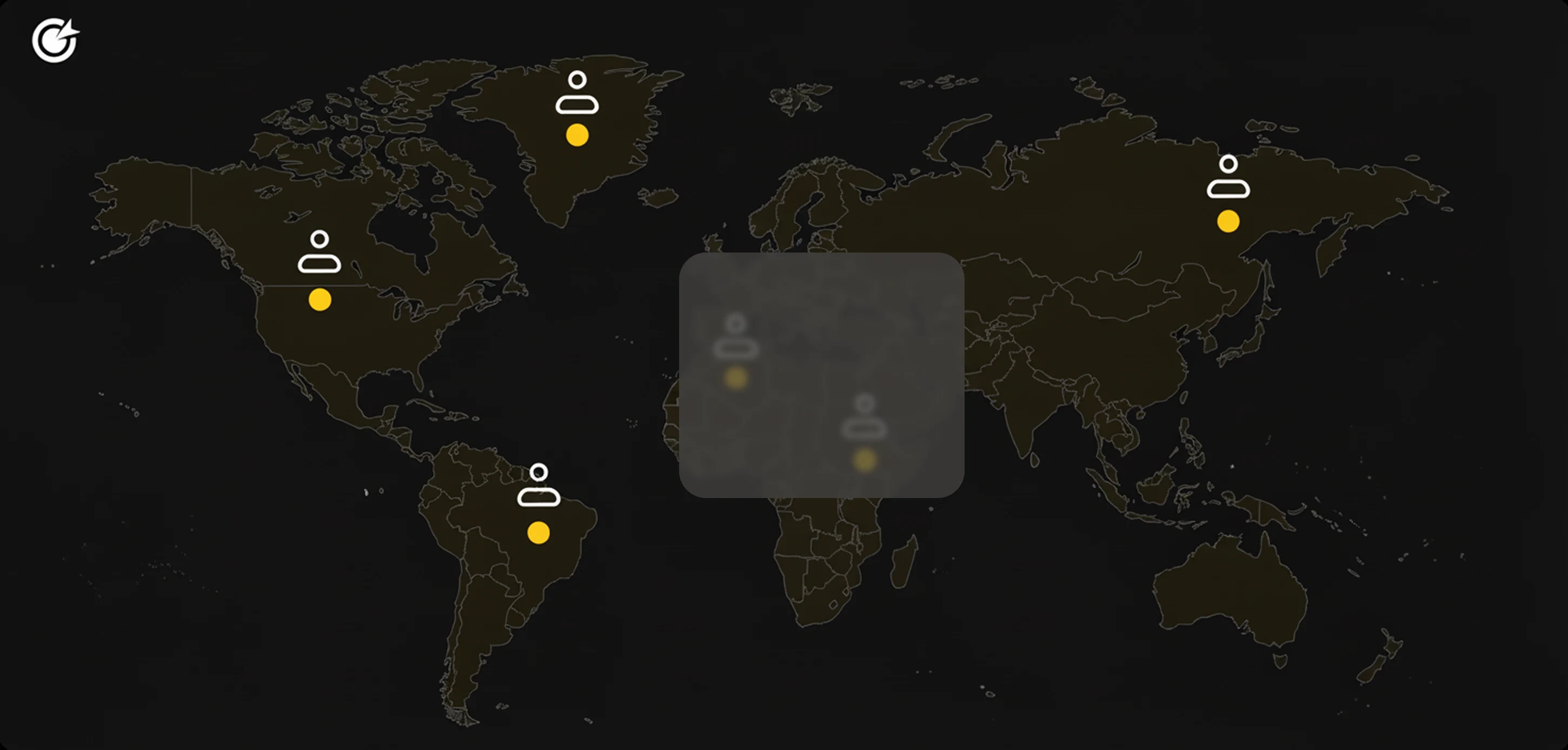
Hover over countries on the map to see the number of available developers in each location
Our dedicated chatbot developers use the following technologies to build modern web applications.
Botpress
Rasa
Microsoft Bot Framework
Dialogflow
IBM Watson Assistant
Amazon Lex
Wit.ai
Chatbot.com
Kore.ai
Pandorabots
Tock
Google Cloud Speech-to-Text
Amazon Transcribe
Microsoft Azure Speech Service
IBM Watson Speech to Text
Kaldi
Mozilla DeepSpeech
Sphinx
Vosk
Picovoice
AssemblyAI
Speechmatics
Botium
TestMyBot
Chatbase
Dashbot
Botanalytics
ChatMetrics
Botium Box
Symbl.ai
Botium Speech Processing
Conversational Form
Heroku
AWS Lambda
Google Cloud Functions
Microsoft Azure Functions
Firebase
Netlify
Vercel
DigitalOcean
Glitch
Repl.it
We offer comprehensive chatbot services to help you build, maintain, and scale your applications.
Our developers craft bespoke chatbot solutions using frameworks like Rasa and Botpress. This ensures your chatbot is tailored to meet specific business needs, enhancing user engagement and satisfaction.
We optimize chatbot interactions using NLP libraries such as spaCy and NLTK. This leads to improved conversational accuracy, providing users with more relevant responses.
Our engineers integrate chatbots with CRM platforms like Salesforce and HubSpot. This streamlines customer data management, enabling more personalized customer interactions.
We fine-tune AI models using TensorFlow and PyTorch to enhance chatbot learning capabilities. This results in quicker adaptation to user behaviors and improved response quality.
Our team develops voice-enabled chatbots using tools like Amazon Lex and Google Dialogflow. This broadens user accessibility and interaction channels, catering to a wider audience.
We implement multilingual capabilities using translation APIs such as Google Translate API. This expands your chatbot's reach, allowing it to communicate effectively with a global user base.
Our security experts conduct audits using OWASP standards to ensure your chatbot's data handling practices are secure. This protects user information and maintains trust.
We integrate sentiment analysis using tools like IBM Watson to gauge user emotions. This enables your chatbot to respond empathetically, improving user satisfaction.
Our developers implement analytics using platforms like Chatbase to monitor chatbot performance. This provides insights into user interactions, helping optimize future chatbot strategies.
Our industry recognition is a testament to our rigorous vetting process and the impactful digital solutions we deliver. From connecting clients with top-tier global talent to building scalable web and mobile apps, our commitment to excellence sets us apart.

Clutch Top 1000 Companies

Top Entertainment App Developers

Expertise Best Mobile App Developer

Software World Top App Development Companies

Horizon Award Gold Awards Winner

Horizon Award Silver Awards Winner

Right firms Top Mobile App Development Company

Access free Chatbot Developers job description templates, expert-curated interview questions, and comprehensive Chatbot Developers roadmap to streamline your hiring process and find the best remote Chatbot Developers for your team.
Download ready-to-use Chatbot Developers job description templates tailored for your hiring needs.
Browse comprehensive FAQs and interview questions specifically for Chatbot Developers and Chatbot Developer roles.
Explore step-by-step learning paths and skill roadmaps specifically designed for Chatbot Developers and Chatbot Developer roles.
Discover expert-curated best practices, tips, and strategies specifically for Chatbot Developer roles and hiring Chatbot Developers.
Find answers to frequently asked questions about Softaims, our hiring process, developer vetting, pricing models, and how we ensure quality talent for your projects.
Free Productivity Timer Tools
Boost your team's productivity with our free online timer tools. Perfect for Pomodoro sessions, meetings, standups, and focused work sessions. No signup required, works offline.


By Satish P.
 Verified Expert in Engineering
11 years of experience
My name is Satish P. and I have over 11 years of experience in the tech industry. I specialize in the following technologies: React, JavaScript, TypeScript, node.js, Amazon Web Services, etc.. I hold a degree in Bachelor of Engineering (BEng). Some of the notable projects I’ve worked on include: Chatbot for Diagnostic Center, RASA Chatbot, Restaurant Ordering Chatbot, Dialoflow custom website widget. I am based in Daman, India. I've successfully completed 4 projects while developing at Softaims.
I am a business-driven professional; my technical decisions are consistently guided by the principle of maximizing business value and achieving measurable ROI for the client. I view technical expertise as a tool for creating competitive advantages and solving commercial problems, not just as a technical exercise.
I actively participate in defining key performance indicators (KPIs) and ensuring that the features I build directly contribute to improving those metrics. My commitment to Softaims is to deliver solutions that are not only technically excellent but also strategically impactful.
I maintain a strong focus on the end-goal: delivering a product that solves a genuine market need. I am committed to a development cycle that is fast, focused, and aligned with the ultimate success of the client's business.
Chatbot Developers specialize in creating interactive and intelligent conversational agents that can simulate human-like dialogue. These professionals are essential for businesses looking to enhance customer service, automate support, and engage users through various messaging platforms. In 2026, chatbots are not just a technical novelty but a business necessity, helping companies reduce operational costs and improve customer satisfaction. Companies across industries, from e-commerce to healthcare, are increasingly integrating chatbots into their operations to provide round-the-clock support and personalized user experiences.
This guide provides a comprehensive roadmap to hiring Chatbot Developers. It covers everything from understanding the specific skills required, interview techniques, and cost considerations, to future trends in chatbot development. Whether you're a startup or a large enterprise, you'll learn how to effectively build a team of Chatbot Developers that can drive your business goals forward.
In today's digital age, companies hire Chatbot Developers to automate customer interactions, enhance user engagement, and streamline operations. In my experience, businesses that implement chatbot solutions see a marked improvement in customer service efficiency. For instance, companies like Starbucks have adopted chatbots to facilitate orders and payments, providing a frictionless experience for their customers. Chatbots help in collecting user data, which can be analyzed to generate insights for improving products and services. The most effective approach I've seen involves integrating chatbots with CRM systems to offer personalized customer interactions, leading to higher satisfaction rates and increased sales.
One pattern I've noticed is that businesses in the e-commerce sector, like H&M, use chatbots to provide instant customer support, thus reducing the need for large support teams. Chatbots can handle inquiries about order status, returns, and product information. According to a report by TechCrunch, companies using chatbots report a significant decrease in customer service costs, as chatbots can manage thousands of queries simultaneously without fatigue.
The measurable value delivered by hiring Chatbot Developers includes increased efficiency, reduced operational costs, and improved customer engagement. In practice, companies often see an increase in customer retention and satisfaction due to the 24/7 availability of chatbots. When I've interviewed Chatbot Developers, it's crucial to assess their ability to create bots that can handle complex queries and integrate smoothly with existing systems. Companies that fail to hire skilled Chatbot Developers may struggle with bots that provide inaccurate information or fail to understand user inputs, which can harm customer relationships.
When hiring Chatbot Developers, it is essential to focus on specific technical skills that are unique to chatbot development. In my experience, the most effective approach I've seen is to divide these skills into categories such as natural language processing, platform integration, and conversational design. In practice, developers need a blend of programming expertise and a deep understanding of how users interact with conversational agents.
One pattern I've noticed is that successful Chatbot Developers are proficient in languages like Python and JavaScript, which are commonly used in chatbot frameworks such as Rasa or Microsoft Bot Framework. A common mistake is overlooking the importance of natural language processing (NLP) skills, which are crucial for creating bots that can understand and process human language effectively. According to LinkedIn, most employers list NLP as a core requirement for Chatbot Developers.
In practice, teams that skip this step often struggle with bots that fail to meet user expectations, leading to poor user experiences. When I've interviewed Chatbot Developers, I found that assessing their problem-solving skills in real-world scenarios is equally important, as these skills ensure they can handle unexpected user inputs effectively.
Interviewing Chatbot Developers requires a specific focus on their ability to create, deploy, and manage conversational agents. In my experience, the most effective approach is to combine technical questions with real-world problem-solving scenarios. This helps to assess not only their technical prowess but also their ability to apply these skills in practical situations. When I've interviewed Chatbot Developers, I found that probing their understanding of natural language processing and integration capabilities is vital to ensure they can build functional and efficient chatbot solutions.
In practice, behavioral assessment is just as crucial. One pattern I've noticed is that developers who can articulate their thought process clearly tend to perform better in real-world scenarios. A common mistake is focusing solely on technical skills without considering the developer's ability to work collaboratively in a team setting. According to Harvard Business Review, behavioral assessments provide insights into a candidate's problem-solving skills, adaptability, and communication abilities, which are essential for successful project execution.
In my experience, asking scenario-based questions helps gauge a developer's ability to anticipate and address challenges that may arise during the lifecycle of a chatbot project. Teams that skip this step often end up with developers who struggle to adapt to changes or fail to meet project deadlines. When I've interviewed Chatbot Developers, I found that understanding their past experiences and how they handled similar challenges is a reliable indicator of their future performance.
The cost of hiring Chatbot Developers in 2026 varies significantly based on factors such as geographical location, experience level, and project requirements. In my experience, companies in tech hubs like the United States or the United Kingdom often face higher rates due to the competitive demand for skilled developers. According to PayScale, Chatbot Developers' salaries can range widely, reflecting their expertise in natural language processing, machine learning, and platform-specific skills.
| Country | Junior Level (Per Hour) | Junior Level (Per Year) | Mid-Level (Per Hour) | Mid-Level (Per Year) | Senior Level (Per Hour) | Senior Level (Per Year) |
|---|---|---|---|---|---|---|
| United States | $40-$60 | $70,000-$90,000 | $60-$80 | $100,000-$120,000 | $80-$120 | $140,000-$180,000 |
| United Kingdom | $35-$55 | $65,000-$85,000 | $55-$75 | $95,000-$115,000 | $75-$110 | $130,000-$170,000 |
| Canada | $30-$50 | $55,000-$75,000 | $50-$70 | $85,000-$105,000 | $70-$100 | $120,000-$160,000 |
| Germany | $35-$55 | $60,000-$80,000 | $55-$75 | $90,000-$110,000 | $75-$110 | $130,000-$170,000 |
| India | $15-$25 | $25,000-$35,000 | $25-$35 | $45,000-$55,000 | $35-$50 | $65,000-$85,000 |
| Poland | $20-$30 | $30,000-$40,000 | $30-$45 | $50,000-$70,000 | $45-$60 | $80,000-$100,000 |
| Ukraine | $18-$28 | $28,000-$38,000 | $28-$42 | $48,000-$68,000 | $42-$55 | $75,000-$95,000 |
| Brazil | $20-$30 | $35,000-$45,000 | $30-$45 | $55,000-$75,000 | $45-$60 | $85,000-$105,000 |
Teams that hire Chatbot Developers through Softaims gain access to pre-screened talent at rates significantly below the US market average — without compromising on quality or technical depth. Developers are matched to your requirements within 48 hours, giving you direct access to senior chatbot development talent at a fraction of the cost of a local hire.
The choice of hiring model, in particular, can have a significant impact on overall costs and project timelines. According to Indeed, companies often balance between hiring full-time employees for strategic roles and using freelancers for short-term projects.
Choosing between dedicated and freelance Chatbot Developers depends on several factors, including project scope, budget, and long-term goals. In practice, dedicated developers are ideal for ongoing projects that require continuity and deep integration with the company's systems. I've found that teams that hire dedicated Chatbot Developers often benefit from the consistency and deep product knowledge these developers bring. For instance, a startup planning to launch a complex customer service chatbot might prefer a dedicated team to ensure long-term support and iterative improvements.
Conversely, freelance Chatbot Developers are a cost-effective option for short-term projects or when specialized skills are needed for a particular task. One pattern I've noticed is that companies use freelancers for pilot projects or to fill temporary skill gaps. This approach can save costs and allow businesses to test new ideas without a long-term commitment. According to Harvard Business Review, freelancers can provide the agility and specialized expertise needed for quick project turnarounds.
Teams that hire Chatbot Developers through Softaims can easily switch between dedicated and freelance models, depending on their project needs and resource availability. This flexibility ensures that companies can adapt their development strategies as their business evolves, avoiding the pitfalls of over-committing to one model without considering future growth or changes in project requirements.
Hiring offshore Chatbot Developers offers significant cost advantages compared to local US hiring. In my experience, offshore developers often provide excellent quality at competitive rates, making them an attractive option for companies looking to maximize their development budget. The most effective approach I've seen involves leveraging the global talent pool to access a diverse range of skills and expertise. Teams that hire Chatbot Developers through Softaims benefit from a frictionless vetting process that ensures quality and reliability.
Collaboration across time zones can be challenging, but it also offers the opportunity for round-the-clock development, speeding up project timelines. One pattern I've noticed is that companies that establish clear communication channels and documentation practices can significantly improve their offshore collaboration experience. According to TechCrunch, the ability to hire skilled developers at a lower cost without sacrificing quality is a primary driver for the growing trend towards offshore hiring.
| Factor | Local (US) Hire | Offshore Chatbot Developer via Softaims |
|---|---|---|
| Junior Annual Salary | $70,000–$90,000 | $25,000–$35,000 |
| Senior Annual Salary | $140,000–$180,000 | $65,000–$85,000 |
| Hourly Rate (Mid-Level) | $60–$80/hr | $25–$35/hr |
| Average Time to Hire | 4–8 weeks | 24–48 hours |
| Benefits & Overhead | +25–35% on top of salary | None |
| Contract Flexibility | Full-time preferred | Full-time / Part-time / Project-based |
| Talent Pool Access | Regional | Global |
In chatbot development interviews, specific red flags can indicate potential issues with a candidate's suitability. A common mistake is failing to recognize these during the interview process. In my experience, one significant red flag is a lack of understanding of natural language processing nuances. When I've interviewed Chatbot Developers, candidates who struggle to explain how they handle ambiguity in user inputs often lack the depth needed to build effective conversational agents.
Another red flag is the inability to articulate past experience with chatbot frameworks like Rasa or Dialogflow. In practice, developers who can't clearly describe their role in past projects or the challenges they faced might not possess the hands-on experience necessary for complex chatbot development. According to Stack Overflow, practical experience is crucial for developers to successfully implement and troubleshoot chatbots.
I found that an over-reliance on pre-built templates can also be a warning sign. While templates can speed up development, they may indicate a lack of custom development skills if the candidate cannot demonstrate how they customized or extended those templates. Teams that skip this step often end up with developers who can't adapt chatbots to unique business needs, resulting in limited functionality and poor user experience.
Evaluating Chatbot Developers involves a systematic approach to assess their technical and problem-solving skills. In my experience, the most effective approach I've seen is to combine technical assessments with real-world scenarios that reflect the challenges they will face on the job. This ensures that candidates not only possess the necessary skills but can also apply them effectively in practice.
When I've evaluated Chatbot Developers, I found that this comprehensive approach reduces the risk of hiring candidates who excel in theory but lack practical application skills. According to SHRM, thorough evaluations lead to better hiring decisions and improved team performance.
Creating a structured hiring process for Chatbot Developers is essential for attracting top talent and ensuring a good fit for your team. In practice, a well-defined process helps streamline recruitment efforts and avoid common pitfalls. In my experience, teams that follow a detailed hiring checklist are more successful in building a strong chatbot development team.
One pattern I've noticed is that having a clear checklist helps hiring managers stay organized and focused on key criteria, reducing the time taken to hire. According to Greenhouse, a structured hiring process can significantly improve candidate experience and outcome.
When I've implemented this checklist, I found that it leads to more consistent hiring outcomes and helps avoid the common mistake of rushing through the recruitment process, which can result in suboptimal hires.
Onboarding Chatbot Developers effectively is crucial for ensuring they become productive members of your team quickly. In my experience, one of the best practices is to have a structured onboarding plan that includes technical training and familiarization with the company's chatbot development tools and processes. A common mistake is neglecting the onboarding phase, which can lead to delays in development and integration challenges.
In practice, setting up the developer's environment with all necessary tools and access to code repositories is vital for a smooth start. According to MDN Web Docs, providing comprehensive documentation and resources is essential for developers to understand the existing codebase and system architecture.
Mentorship programs can also be beneficial, where experienced team members guide new developers through the onboarding phase. One pattern I've noticed is that companies that invest in mentorship see faster ramp-up times and improved team cohesion. In my experience, teams that skip this step often face challenges with knowledge transfer and integration into the existing development workflow.
Hiring Chatbot Developers comes with its own set of challenges, particularly in finding candidates with practical experience. In my experience, a major hurdle is the scarcity of skilled developers who have hands-on experience with the latest chatbot technologies. A common mistake is relying solely on resumes, which can be misleading if they don't accurately represent a candidate's capabilities.
One pattern I've noticed is the difficulty in distinguishing between theoretical knowledge and practical expertise during the hiring process. According to Glassdoor, technical interviews focused on real-world problem-solving can help bridge this gap. In practice, incorporating coding challenges and project-based assessments can provide a more accurate picture of a candidate's skills.
Retention is another challenge, as skilled Chatbot Developers are in high demand. In my experience, offering competitive salaries and opportunities for growth can help retain top talent. Teams that skip this step often face high turnover rates, which can disrupt project timelines and add to recruitment costs.
When hiring Chatbot Developers, it's essential to use the right tools and resources to streamline the recruitment process. In my experience, platforms like HackerRank and Codility are useful for evaluating technical skills through coding challenges and assessments. However, managing the entire recruitment stack can be time-consuming and complex. Softaims simplifies this process by providing pre-vetted Chatbot Developers, eliminating the need for extensive manual sourcing and evaluation.
One pattern I've noticed is that companies using Softaims save considerable time by accessing a curated pool of skilled candidates. According to Lever ATS, leveraging specialized hiring solutions can significantly improve recruitment efficiency and outcomes. In practice, Softaims handles candidate sourcing, skill verification, and technical vetting, ensuring that companies receive qualified candidates without the hassle of managing multiple platforms.
For organizations looking to hire Chatbot Developers without the overhead of setting up a recruitment infrastructure, Softaims offers a comprehensive solution. By visiting our page, companies can access a global talent pool and start building their chatbot development team with confidence. For more information on getting started, visit our contact page.
Chatbot development is continuously evolving, and staying ahead of trends is crucial for hiring the right talent. In 2026, one significant trend is the integration of chatbots with advanced AI capabilities, enabling more personalized and context-aware interactions. According to Forbes, AI-driven chatbots are becoming increasingly sophisticated, and hiring developers with expertise in AI and machine learning is becoming essential.
Another trend is the rise of voice-enabled chatbots, which require specialized skills in voice recognition and processing. In practice, I've found that hiring developers with experience in platforms like Amazon Alexa or Google Assistant can be advantageous for companies looking to implement voice-activated solutions. This trend is driven by the growing demand for hands-free and accessible user interfaces.
Finally, the focus on multilingual chatbots is increasing as businesses expand globally. In my experience, developers proficient in creating chatbots that support multiple languages can provide a competitive edge. According to Entrepreneur, the ability to cater to diverse markets is a key factor in a company's success, making the hiring of developers with these skills a strategic priority.
For businesses looking to hire top-tier Chatbot Developers, Softaims provides access to a curated pool of experts within 48 hours, ensuring rapid and efficient hiring.
With Softaims, companies can seamlessly integrate skilled Chatbot Developers into their teams, driving innovation and improving customer engagement through advanced chatbot solutions.
When hiring Chatbot Developers, prioritizing skills such as natural language processing and integration capabilities is crucial for achieving high-quality project outcomes. The biggest red flag in chatbot development interviews is a candidate's inability to demonstrate practical experience with chatbot frameworks, which can result in ineffective solutions. For most projects, a dedicated hiring model is ideal, but transitioning to a freelance model can be beneficial for short-term or specialized tasks.
Effective onboarding, such as providing comprehensive documentation and mentorship, can significantly reduce ramp-up times for Chatbot Developers. Hiring the right developers can lead to measurable business impacts, such as increased customer satisfaction and operational efficiency. To explore hiring options and get started, contact Softaims.


 Stackoverflow