
Daniel Russo
ScaleUp software
Working with Softaims allowed us to quickly onboard highly skilled engineers who integrated seamlessly with our team. The experience was smooth and the results exceeded our expectations.
Video testimonial available
See pre-vetted material ui developers with transparent hourly rates, experience, ratings, and filters to quickly shortlist the right candidates for your project.




Clients rate Softaims Material UI Developers4.9 / 5.0 on averagebased on 13,542 reviews.
Vetted Experts
Trial-to-Hire Success Rate
Fast Candidate Matching
"Working with Softaims allowed us to quickly onboard highly skilled engineers who integrated seamlessly with our team. The experience was smooth and the results exceeded our expectations."

Daniel Russo
ScaleUp software


 Trustpilot
Explore related technologies and frameworks to find the perfect developer for your project

Softaims connects you with rigorously vetted full-time and freelance software engineers across every modern tech stack. From AI specialists to Cloud Architects, access a curated network of elite remote talent designed to scale your business.
Every Material UI Developer in our talent pool has gone through our rigorous vetting process, so you can be confident that they will perform as well in reality as they do on paper.
Within 48 hours of your request, we send you a list of Material UI Developers who meet your needs and who are ready to join your team as soon as you're ready.
Access top talent from around the world at competitive rates without compromising on quality or expertise. Get the best value for your hiring budget.
Make your hiring process bulletproof with our replacement guarantee. Not happy with your Material UI Developer? We'll replace them, no charges, no questions.
Quickly find Material UI Developers that match your requirements with our advanced filtering system. Filter by skills, experience, hourly rate, location, and more.
Whether you need a full-time team member or a freelance Material UI Developer for a specific project, we have the right talent ready to join your team.
Trustpilot| Features | Softaims | Toptal | Upwork | Freelancers | In-house Resources |
|---|---|---|---|---|---|
Fully Compliant Developers are employed by U.S corporations | |||||
High-Quality Pre-vetted, highly trained, and skilled resources | |||||
Affordability Competitive rates without compromising quality | |||||
Try Before You Buy Test developers before committing | |||||
Secure Locations Developers work in secure and monitored environments | |||||
Highly Scalable Plug in and out developers based on your business needs | |||||
Diverse Tech Stack Broad expertise in diverse tech stack in your time zone |
ScaleUp software
Working with Softaims allowed us to quickly onboard highly skilled engineers who integrated seamlessly with our team. The experience was smooth and the results exceeded our expectations.
Video testimonial available

Ex-VP Engineering at Uber
Softaims made hiring remote developers effortless. The talent matched our requirements perfectly, and collaboration with the team was extremely efficient.
Video testimonial available

CT0 at EdAider
The Softaims platform gave us access to developers who immediately added value. Their expertise and professionalism made the entire process seamless.
Video testimonial available

Hello Median
Softaims helped us scale our engineering team quickly. The quality of the developers and the speed of onboarding were impressive.
Video testimonial available

CEO at Stads.io
Hiring through Softaims was straightforward and effective. We were able to collaborate with skilled engineers who understood our technical needs.
Video testimonial available

CEO at Onenine
Softaims provided us with experienced developers who contributed immediately to our projects. The process was efficient and the results were excellent.

CEO at Sparklaunch Media
Softaims provided us access to highly skilled remote engineers who contributed immediately. The process was efficient, and the quality of work exceeded our expectations.

CEO at Lovart
Hiring through Softaims was seamless. We were able to find developers who perfectly matched our technical requirements and collaborated effectively with our in-house team.
ScaleUp software
Working with Softaims allowed us to quickly onboard highly skilled engineers who integrated seamlessly with our team. The experience was smooth and the results exceeded our expectations.
Ex-VP Engineering at Uber
Softaims made hiring remote developers effortless. The talent matched our requirements perfectly, and collaboration with the team was extremely efficient.
CT0 at EdAider
The Softaims platform gave us access to developers who immediately added value. Their expertise and professionalism made the entire process seamless.
Hello Median
Softaims helped us scale our engineering team quickly. The quality of the developers and the speed of onboarding were impressive.
CEO at Stads.io
Hiring through Softaims was straightforward and effective. We were able to collaborate with skilled engineers who understood our technical needs.
CEO at Onenine
Softaims provided us with experienced developers who contributed immediately to our projects. The process was efficient and the results were excellent.
CEO at Sparklaunch Media
Softaims provided us access to highly skilled remote engineers who contributed immediately. The process was efficient, and the quality of work exceeded our expectations.
CEO at Lovart
Hiring through Softaims was seamless. We were able to find developers who perfectly matched our technical requirements and collaborated effectively with our in-house team.
Hire Softaims talent around the world
25.1K+
Softaims material ui developers in the world
551+
We'll help you find the perfect fit for your team. From AI specialists to Cloud Architects, access a curated network of elite remote talent designed to scale your business.
Hire Material UI Developer
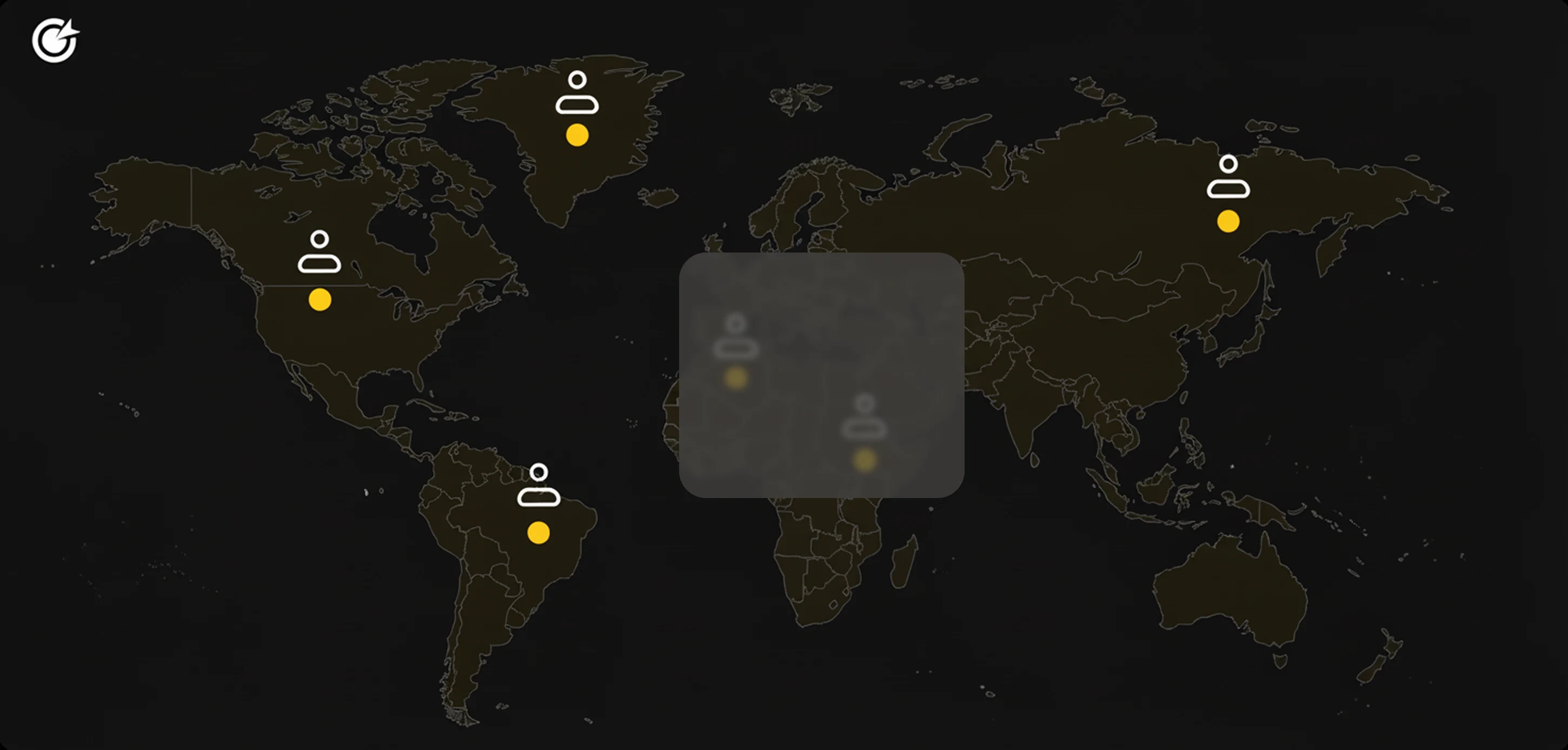
Hover over countries on the map to see the number of available developers in each location
Our dedicated material ui developers use the following technologies to build modern web applications.
We offer comprehensive material ui services to help you build, maintain, and scale your applications.
Our developers create custom components using Material UI's component library to ensure your application has a unique look while maintaining consistency. This approach enhances user engagement and aligns with your brand identity.
We specialize in theming and customization using Material UI's theme provider. Our engineers tailor your application's appearance to match your brand guidelines, resulting in a cohesive and visually appealing user interface.
Our engineers conduct performance audits using tools like Lighthouse to optimize Material UI implementations. This ensures your application loads quickly and performs efficiently, improving user satisfaction and retention.
We implement responsive design strategies using Material UI's Grid and Box components. This guarantees your application looks great on any device, enhancing accessibility and user experience across platforms.
Our team assists in migrating legacy UI frameworks to Material UI, utilizing tools like React-Transition-Group. This transition modernizes your application, improving maintainability and future-proofing your investment.
We integrate Material UI with React libraries such as Redux for state management, ensuring a seamless user experience. This integration enhances application efficiency and scalability.
Our developers use testing tools like Jest and Enzyme to ensure Material UI components function correctly. This rigorous QA process minimizes bugs and enhances overall application reliability.
We design comprehensive design systems using Material UI, incorporating best practices for component reuse and consistency. This structured approach streamlines development and ensures brand consistency.
Our team improves the developer experience by configuring build pipelines with tools like Webpack and Babel. This setup accelerates development processes and reduces time to market for your application.
Our industry recognition is a testament to our rigorous vetting process and the impactful digital solutions we deliver. From connecting clients with top-tier global talent to building scalable web and mobile apps, our commitment to excellence sets us apart.

Clutch Top 1000 Companies

Top Entertainment App Developers

Expertise Best Mobile App Developer

Software World Top App Development Companies

Horizon Award Gold Awards Winner

Horizon Award Silver Awards Winner

Right firms Top Mobile App Development Company

Access free Material UI Developers job description templates, expert-curated interview questions, and comprehensive Material UI Developers roadmap to streamline your hiring process and find the best remote Material UI Developers for your team.
Download ready-to-use Material UI Developers job description templates tailored for your hiring needs.
Browse comprehensive FAQs and interview questions specifically for Material UI Developers and Material UI Developer roles.
Explore step-by-step learning paths and skill roadmaps specifically designed for Material UI Developers and Material UI Developer roles.
Discover expert-curated best practices, tips, and strategies specifically for Material UI Developer roles and hiring Material UI Developers.
Find answers to frequently asked questions about Softaims, our hiring process, developer vetting, pricing models, and how we ensure quality talent for your projects.
Free Productivity Timer Tools
Boost your team's productivity with our free online timer tools. Perfect for Pomodoro sessions, meetings, standups, and focused work sessions. No signup required, works offline.


By Fahad R.
 Verified Expert in Engineering
6 years of experience
My name is Fahad R. and I have over 6 years of experience in the tech industry. I specialize in the following technologies: Next.js, PostgreSQL, Git, Python, HTML5, etc.. I hold a degree in Bachelor of Science (BS). Some of the notable projects I’ve worked on include: TrackHero, Neufast, StartUpTree, DOYO, ERP Pack, etc.. I am based in Chicago, United States. I've successfully completed 7 projects while developing at Softaims.
I am a dedicated innovator who constantly explores and integrates emerging technologies to give projects a competitive edge. I possess a forward-thinking mindset, always evaluating new tools and methodologies to optimize development workflows and enhance application capabilities. Staying ahead of the curve is my default setting.
At Softaims, I apply this innovative spirit to solve legacy system challenges and build greenfield solutions that define new industry standards. My commitment is to deliver cutting-edge solutions that are both reliable and groundbreaking.
My professional drive is fueled by a desire to automate, optimize, and create highly efficient processes. I thrive in dynamic environments where my ability to quickly master and deploy new skills directly impacts project delivery and client satisfaction.
Material UI Developers are crucial for creating visually appealing and efficient user interfaces in modern web applications. They specialize in using Material UI, a popular React component library, to design and implement responsive, aesthetically pleasing interfaces that enhance user experience and engagement. Companies seek out Material UI Developers to ensure their web and mobile applications not only function well but also look contemporary and user-friendly, which is vital for retaining and attracting users in competitive markets.
This comprehensive guide will walk you through every aspect of hiring Material UI Developers, from identifying key skills and formulating interview questions to understanding salary expectations and the benefits of various hiring models. By the end of this guide, you'll be equipped with the knowledge to efficiently hire Material UI Developers who can meet your business needs and elevate your product offerings.
Companies hire Material UI Developers primarily to take advantage of the consistent design language and efficient development process that Material UI offers. By using Material UI, businesses can create applications with a cohesive look and feel, which is particularly important for companies aiming to deliver a strong brand identity across their digital platforms. For instance, companies like Airbnb and Netflix use Material UI to ensure their user interfaces are intuitive and aligned with modern design trends, which helps in maintaining user engagement and satisfaction.
Material UI Developers bring specific expertise in implementing components that follow the Material Design guidelines, which include elements like cards, buttons, and grid layouts. This framework allows developers to build interfaces that are both functional and visually appealing, leading to a better user experience. In practice, I found that teams using Material UI often report accelerated development times, as the components are highly customizable and reusable, reducing the need for building everything from scratch. According to MDN Web Docs, the adoption of component libraries like Material UI can significantly reduce the time to market for new applications.
Moreover, the measurable value Material UI delivers goes beyond aesthetics. In my experience, applications built with Material UI often have better performance metrics, such as faster load times and increased user retention rates. This is because Material UI components are optimized for performance, enabling developers to create responsive and lightweight applications. As businesses strive to enhance their digital presence, hiring Material UI Developers becomes a strategic move to ensure their applications not only meet functional requirements but also provide a superior user experience. You can read more about the benefits of using Material UI on W3C.
When looking to hire Material UI Developers, it's essential to identify candidates with a strong grasp of specific skills that are crucial for effective Material UI development. These skills can be broadly categorized into technical expertise, problem-solving ability, and familiarity with the Material UI ecosystem. In my experience, developers with these competencies can seamlessly integrate Material UI into projects, ensuring both the technical and aesthetic aspects of the application are met.
One pattern I've noticed is that the most effective Material UI Developers possess a deep understanding of React, as Material UI is a React component library. Additionally, proficiency in JavaScript and TypeScript is often required, given these are the primary languages used in conjunction with React for front-end development. Teams that skip verifying these skills often face challenges down the line, such as inefficient component integration or poor application performance.
According to LinkedIn, candidates with these skills are in high demand, as they can contribute to developing high-performing, visually appealing applications that comply with the latest web standards.
When interviewing Material UI Developers, it's crucial to focus on questions that assess their specific knowledge and experience with Material UI, React, and related technologies. In my experience, technical interviews should be designed to evaluate a candidate's ability to solve real-world problems using Material UI components and their understanding of best practices in modern front-end development. One approach I've seen work well is combining technical questions with practical coding exercises, allowing candidates to demonstrate their skills in a hands-on manner.
In addition to technical questions, it's important to assess a candidate's behavioral fit and problem-solving approach. In practice, I found that asking candidates to describe past projects where they've used Material UI can provide valuable insights into their experience and thought process. For instance, a candidate who can articulate the challenges they faced and how they overcame them using Material UI components demonstrates not only technical proficiency but also adaptability and resilience.
Teams that skip behavioral assessments often encounter issues with team dynamics and project alignment. Therefore, it's beneficial to ask questions like, "Describe a time when you had to work closely with a design team to implement a new feature," or "Can you provide an example of how you handled a disagreement with a colleague on the best approach for a Material UI project?" These questions help in understanding how a developer collaborates and communicates within a team, which is crucial for successful project delivery. For further guidance on interview techniques, you can refer to resources on HackerRank.
The cost to hire Material UI Developers in 2026 varies significantly based on factors such as geographic location, level of expertise, and the complexity of the projects they are involved in. In my experience, the demand for skilled Material UI Developers continues to grow due to the increasing adoption of React and Material Design in web development. As a result, companies are willing to invest in top talent to ensure their applications are built to the highest standards. According to Salary.com, the salary range for Material UI Developers can differ widely depending on the region and the developer's skill level.
| Country | Junior Level (Per Hour) | Junior Level (Per Year) | Mid-Level (Per Hour) | Mid-Level (Per Year) | Senior Level (Per Hour) | Senior Level (Per Year) |
|---|---|---|---|---|---|---|
| United States | $25-$35 | $52,000-$72,000 | $45-$65 | $93,000-$135,000 | $70-$110 | $145,000-$210,000 |
| United Kingdom | $20-$30 | $41,000-$61,000 | $35-$55 | $72,000-$112,000 | $55-$85 | $113,000-$175,000 |
| Canada | $20-$28 | $42,000-$58,000 | $38-$58 | $79,000-$121,000 | $60-$90 | $125,000-$185,000 |
| Germany | $22-$32 | $45,000-$65,000 | $40-$60 | $83,000-$123,000 | $62-$92 | $130,000-$190,000 |
| India | $10-$15 | $21,000-$31,000 | $18-$28 | $37,000-$57,000 | $30-$50 | $62,000-$103,000 |
| Poland | $15-$20 | $31,000-$41,000 | $25-$35 | $52,000-$72,000 | $40-$60 | $83,000-$124,000 |
| Ukraine | $12-$18 | $25,000-$37,000 | $22-$32 | $46,000-$67,000 | $35-$55 | $72,000-$112,000 |
| Brazil | $14-$20 | $29,000-$41,000 | $26-$36 | $54,000-$74,000 | $42-$62 | $87,000-$128,000 |
Teams that hire Material UI Developers through Softaims gain access to pre-screened talent at rates significantly below the US market average — without compromising on quality or technical depth. Developers are matched to your requirements within 48 hours, giving you direct access to senior Material UI talent at a fraction of the cost of a local hire.
Deciding between hiring dedicated Material UI Developers and freelance Material UI Developers depends on the specific needs and constraints of your project. In my experience, if a company has ongoing, long-term projects requiring consistent updates and maintenance, hiring dedicated Material UI Developers is often the best approach. This model ensures developers are fully integrated into the team, deeply familiar with the company's design principles, and available for continuous collaboration.
Conversely, for projects with a clear, finite scope or for those requiring specialized skills for a short duration, freelance Material UI Developers can be an effective solution. Freelancers offer flexibility, allowing you to scale your development resources up or down as needed without the long-term commitment of a full-time hire. However, teams that skip the vetting process when hiring freelancers often encounter issues with code quality and project delays.
One pattern I've noticed is that companies often benefit from a hybrid approach, using dedicated developers for core team functions and freelancers for peak workloads or specialized tasks. This approach optimizes resource allocation while maintaining high-quality standards. For more insights on hiring models, consider exploring TechCrunch. Teams that hire Material UI Developers through Softaims gain access to both dedicated and freelance options, providing flexibility to match any project requirement.
The cost advantage of hiring offshore Material UI Developers compared to local US hiring is significant, particularly for companies looking to optimize their budget without sacrificing quality. In my experience, offshore developers often provide the same level of expertise as their US counterparts, and sometimes even more, at a fraction of the cost. This is especially true for countries with a strong IT presence, such as India and Eastern European nations, where developers are well-versed in modern technologies and frameworks like Material UI.
Teams that hire Material UI Developers through Softaims gain access to vetted offshore talent within 48 hours, allowing for quick project ramp-up and execution. Offshore hiring also offers the advantage of a broader talent pool, ensuring that you find the best fit for your project's unique needs. While time zone differences can pose a challenge, they can also be an advantage by enabling a continuous development cycle. Softaims ensures that all offshore developers are thoroughly vetted, providing peace of mind regarding the quality and reliability of the developers you hire.
| Factor | Local (US) Hire | Offshore Material UI Developer via Softaims |
|---|---|---|
| Junior Annual Salary | $52,000–$72,000 | $21,000–$31,000 |
| Senior Annual Salary | $145,000–$210,000 | $62,000–$103,000 |
| Hourly Rate (Mid-Level) | $45–$65/hr | $25–$35/hr |
| Average Time to Hire | 4–8 weeks | 24–48 hours |
| Benefits & Overhead | +25–35% on top of salary | None |
| Contract Flexibility | Full-time preferred | Full-time / Part-time / Project-based |
| Talent Pool Access | Regional | Global |
When interviewing potential Material UI Developers, specific red flags can indicate a candidate might not be the best fit for your team. In my experience, one of the most concerning signs is a shallow understanding of Material Design principles. For instance, if a candidate cannot clearly explain how they would apply these principles to create a cohesive user interface using Material UI components, it suggests they may only have superficial knowledge of the library.
Another red flag is the inability to articulate past experiences with Material UI in a meaningful way. When I've interviewed Material UI Developers, candidates who struggle to discuss specific projects or challenges they've encountered with Material UI might lack the depth of experience needed for complex projects. A common mistake is candidates providing vague answers like "I used Material UI in my last job" without detailing how it was implemented or the results achieved.
A lack of problem-solving skills specific to Material UI is also a concern. For example, if a candidate is unable to describe how they would handle a performance issue in a Material UI application or how they debug common rendering problems, it indicates they might not have the practical experience to effectively troubleshoot in a real-world scenario. Teams that skip probing these areas often face challenges with developers who cannot independently resolve issues, leading to project delays and increased costs. For further insights on identifying red flags, you may refer to resources on Greenhouse ATS.
Evaluating Material UI Developers requires a structured approach to ensure that candidates possess the necessary skills and experience. In my experience, a well-defined evaluation process not only helps in identifying the best candidates but also sets clear expectations for both the employer and the candidate. Below is a step-by-step guide to effectively assess Material UI Developers.
In practice, I found that following these steps provides a comprehensive view of a candidate's capabilities and fit for the role. It's important to tailor the evaluation process to the specific needs of your project, ensuring that you're hiring Material UI Developers who can contribute effectively from day one. For more detailed evaluation techniques, consider exploring resources on Lever ATS.
Hiring Material UI Developers involves several critical steps that ensure you find the right talent for your team. In my experience, having a checklist helps streamline the process, ensuring that no important steps are overlooked. A common mistake is rushing the hiring process, which can lead to selecting candidates who may not fully meet the project's requirements.
One pattern I've noticed is that the most effective hiring processes are those that are well-organized and involve multiple stakeholders, including developers, designers, and project managers. This approach ensures that all aspects of the candidate's potential contribution are considered. Below is a checklist to guide you through the hiring process for Material UI Developers.
In practice, following this checklist helps ensure a thorough and efficient hiring process, ultimately leading to the selection of a candidate who meets the project's needs and contributes to its success. For more insights on hiring processes, you can refer to SHRM.
Onboarding Material UI Developers effectively is critical to ensuring they integrate smoothly into your team and become productive quickly. In my experience, a well-structured onboarding process can significantly reduce the time it takes for a new developer to start contributing to the project. A common mistake is neglecting the onboarding phase, which can lead to confusion, decreased morale, and a longer ramp-up time.
One pattern I've noticed is that teams that prioritize onboarding not only set clear expectations but also provide the necessary resources and support to help new developers succeed. This includes setting up development environments, providing access to design assets, and introducing the new hire to the team and company culture. Below are some best practices for onboarding Material UI Developers.
Firstly, ensure the developer has all the technical tools and resources needed, such as access to the code repository, design files, and relevant documentation. Secondly, schedule regular check-ins to discuss progress, address any issues, and provide feedback. Thirdly, assign a mentor or buddy to help the new developer navigate the team's processes and workflows. Finally, set realistic goals and timelines for the developer's initial projects to ensure they have achievable targets to work towards. For further insights on onboarding, you can explore resources on Harvard Business Review.
Hiring Material UI Developers comes with its unique set of challenges that require careful consideration and strategic planning. In my experience, one of the most prevalent challenges is the scarcity of highly skilled Material UI Developers, given the increasing demand for modern web applications. This talent scarcity often makes it difficult for companies to find developers who not only have the right technical skills but also fit well with the team and company culture.
Another challenge is vetting practical Material UI experience versus theoretical knowledge. In practice, I've found that candidates who have hands-on experience with Material UI are more likely to deliver high-quality results compared to those who only possess theoretical knowledge. A common mistake is relying solely on resumes and portfolios, which may not always accurately reflect a candidate's true capabilities. Therefore, incorporating practical assessments and coding exercises is essential to gauge a candidate's proficiency.
Retention is also a significant challenge when hiring Material UI Developers. The competitive nature of the tech industry means developers have numerous opportunities, making it crucial for companies to offer compelling incentives and a positive work environment to retain talent. One pattern I've noticed is that companies that invest in continuous learning and development opportunities, as well as foster a culture of collaboration and innovation, tend to have higher retention rates. For more insights on retention strategies, you can refer to Forbes.
When it comes to hiring Material UI Developers, having the right tools and resources is essential for finding and vetting top talent. In my experience, one of the most effective solutions for simplifying the hiring process is using a dedicated platform like Softaims. This platform takes care of candidate sourcing, skill verification, technical vetting, and profile screening, allowing companies to focus on selecting the best fit for their needs without the hassle of managing a recruitment stack.
Softaims provides access to a global talent pool of pre-vetted Material UI Developers, ensuring you find candidates who meet your specific requirements. Unlike platforms like HackerRank or Codility, which require companies to conduct their own assessments, Softaims handles this internally, saving you time and resources. The platform also offers flexibility in hiring models, whether you need full-time, part-time, or project-based developers.
For companies looking to streamline their hiring process and access top-tier Material UI talent, Softaims is an invaluable resource. It eliminates the need for juggling multiple platforms and tools, providing a frictionless experience from sourcing to onboarding. To explore the available talent pool, visit Softaims, or to get started with your hiring process, reach out via the contact page.
Material UI development is evolving rapidly, and staying ahead of the curve requires understanding the emerging trends that will shape the future of this field. In 2026, one of the key trends is the growing emphasis on performance optimization and accessibility. As applications become more complex and user demands increase, Material UI Developers need to focus on creating lightweight, high-performance interfaces that comply with accessibility standards.
Another trend is the integration of advanced technologies such as AI and machine learning into Material UI projects. This integration enables developers to build more intelligent and responsive user interfaces, enhancing the overall user experience. In my experience, companies that embrace these technologies are better positioned to create innovative applications that stand out in the market. As a result, hiring Material UI Developers with experience in AI and machine learning is becoming increasingly important.
Finally, the trend towards remote work and distributed teams is impacting the hiring process for Material UI Developers. With the rise of remote collaboration tools, companies can access a global talent pool, breaking down geographic barriers and enabling them to hire the best developers regardless of location. This shift also requires companies to adopt flexible work arrangements and invest in tools that facilitate effective remote collaboration. For more insights on future trends, you can explore resources on TechCrunch.
Hire top-tier Material UI Developers through Softaims within 48 hours and gain access to a global talent pool.
Experience a frictionless hiring process with Softaims and ensure your projects are built to the highest standards.
When hiring Material UI Developers, prioritizing skills such as proficiency in React, JavaScript, and Material Design principles is crucial for ensuring high-quality project outcomes. These skills enable developers to create visually appealing and efficient user interfaces that enhance user experience. The biggest red flag during interviews is a candidate's inability to articulate their experience with Material UI, as this often indicates a lack of practical knowledge. Ignoring this can lead to hiring developers who struggle with real-world applications, resulting in subpar project performance. In my experience, the dedicated hiring model works best for long-term projects that require consistent development and maintenance, while the freelance model is more suited for short-term projects with specific requirements.
Effective onboarding is essential for reducing ramp-up time for Material UI Developers. Providing access to all necessary tools and resources, along with a comprehensive introduction to the team and project, helps new hires integrate smoothly and become productive quickly. Hiring the right Material UI Developer can have a significant business impact, improving application performance, user satisfaction, and ultimately, the company's bottom line. To explore hiring options and find the best talent for your needs, reach out to Softaims.


 Stackoverflow