My name is Rishi Raj B. and I have over 13 years of experience in the tech industry. I specialize in the following technologies: AI Agent Development, AI Development, AI Platform, LLM Prompt, n8n, etc.. I hold a degree in , Master of Computer Applications (MCA), Bachelor's degree. Some of the notable projects I've worked on include: AI-driven Customer Support Agents (Voice/Chat), HealthCare (FHIR) System - Infrastructure Setup, Automation using IaC, Securing Web Application via VPC, Firewalls, Subnets, ACLs, Automation of SAML Authentication for AWS/GCP via Okta using IaC, SAML-SSO Authentication System using Cognito/Okta/Pulumi, etc.. I am based in Agra, India. I've successfully completed 18 projects while developing at Softaims.
I am a business-driven professional; my technical decisions are consistently guided by the principle of maximizing business value and achieving measurable ROI for the client. I view technical expertise as a tool for creating competitive advantages and solving commercial problems, not just as a technical exercise.
I actively participate in defining key performance indicators (KPIs) and ensuring that the features I build directly contribute to improving those metrics. My commitment to Softaims is to deliver solutions that are not only technically excellent but also strategically impactful.
I maintain a strong focus on the end-goal: delivering a product that solves a genuine market need. I am committed to a development cycle that is fast, focused, and aligned with the ultimate success of the client's business.
My name is Himanshu S. and I have over 4 years of experience in the tech industry. I specialize in the following technologies: AI Development, AI Agent Development, AI App Development, SaaS Development, Large Language Model, etc.. I hold a degree in Bachelor of Technology (BTech), . Some of the notable projects I've worked on include: AI-Powered Customer Support Email Assistant for Shopify, AI-Powered Multi-Channel Sales Assistant(WhatsApp and Twilio), AI-Powered Knowledge Management System for Enterprises, AI-Powered Voice Assistant for Customer Service, AI-Driven Customer Support Chatbot for Shopify, etc.. I am based in Dehra Dun, India. I've successfully completed 6 projects while developing at Softaims.
I employ a methodical and structured approach to solution development, prioritizing deep domain understanding before execution. I excel at systems analysis, creating precise technical specifications, and ensuring that the final solution perfectly maps to the complex business logic it is meant to serve.
My tenure at Softaims has reinforced the importance of careful planning and risk mitigation. I am skilled at breaking down massive, ambiguous problems into manageable, iterative development tasks, ensuring consistent progress and predictable delivery schedules.
I strive for clarity and simplicity in both my technical outputs and my communication. I believe that the most powerful solutions are often the simplest ones, and I am committed to finding those elegant answers for our clients.
My name is Lucio Ricardo M. and I have over 7 years of experience in the tech industry. I specialize in the following technologies: Python, Back-End Development, LLM Prompt Engineering, Bot Development, node.js, etc.. I hold a degree in Master of Science (MS), Engineer's degree. Some of the notable projects I’ve worked on include: AI Travel Advisor, Network analyzer app, Django sample page. I am based in Cuernavaca, Mexico. I've successfully completed 3 projects while developing at Softaims.
My passion is building solutions that are not only technically sound but also deliver an exceptional user experience (UX). I constantly advocate for user-centered design principles, ensuring that the final product is intuitive, accessible, and solves real user problems effectively. I bridge the gap between technical possibilities and the overall product vision.
Working within the Softaims team, I contribute by bringing a perspective that integrates business goals with technical constraints, resulting in solutions that are both practical and innovative. I have a strong track record of rapidly prototyping and iterating based on feedback to drive optimal solution fit.
I’m committed to contributing to a positive and collaborative team environment, sharing knowledge, and helping colleagues grow their skills, all while pushing the boundaries of what's possible in solution development.
My name is Oleksandr M. and I have over 0 years of experience in the tech industry. I specialize in the following technologies: Artificial Intelligence, Computer Vision, Machine Learning, AI Agent Development, AI App Development, etc.. I hold a degree in Bachelor of Computer Science (BCompSc). Some of the notable projects I've worked on include: Real Estate Photo Enhancement - Python, Stable Diffusion, Fiction - AI Content Creator, Hotel Booking App, JourneyPlan, Travelnaut - AI Travel, etc.. I am based in Dubai, United Arab Emirates. I've successfully completed 9 projects while developing at Softaims.
Information integrity and application security are my highest priorities in development. I implement robust validation, encryption, and authorization mechanisms to protect sensitive data and ensure compliance. I am experienced in identifying and mitigating common security vulnerabilities in both new and existing applications.
My work methodology involves rigorous testing—at the unit, integration, and security levels—to guarantee the stability and trustworthiness of the solutions I build. At Softaims, this dedication to security forms the basis for client trust and platform reliability.
I consistently monitor and improve system performance, utilizing metrics to drive optimization efforts. I'm motivated by the challenge of creating ultra-reliable systems that safeguard client assets and user data.
My name is Priyanka T. and I have over 3 years of experience in the tech industry. I specialize in the following technologies: Data Extraction, Data Scraping, Web Scraping, Web Crawling, LLaMA, etc.. I hold a degree in Master of Computer Applications (MCA), Master of Computer Applications (MCA), Master of Computer Applications (MCA). Some of the notable projects I've worked on include: PDF image processing with OCR, Ai chatbots ( Conversational, Knowledge based assistance), Building robust and scalable web scarpers( selenium, BeautifulSoup(, Data Extraction. I am based in Chandigarh, India. I've successfully completed 4 projects while developing at Softaims.
I employ a methodical and structured approach to solution development, prioritizing deep domain understanding before execution. I excel at systems analysis, creating precise technical specifications, and ensuring that the final solution perfectly maps to the complex business logic it is meant to serve.
My tenure at Softaims has reinforced the importance of careful planning and risk mitigation. I am skilled at breaking down massive, ambiguous problems into manageable, iterative development tasks, ensuring consistent progress and predictable delivery schedules.
I strive for clarity and simplicity in both my technical outputs and my communication. I believe that the most powerful solutions are often the simplest ones, and I am committed to finding those elegant answers for our clients.
My name is Mohit V. and I have over 6 years of experience in the tech industry. I specialize in the following technologies: OpenAI API, Python, Chatbot Development, Artificial Intelligence, Tesseract OCR, etc.. I hold a degree in Bachelor of Technology (BTech). Some of the notable projects I've worked on include: Buzzle, RAG Bot, Sharpscout, Opporture, Shoorah Wellness App, etc.. I am based in Gurgaon, India. I've successfully completed 15 projects while developing at Softaims.
I possess comprehensive technical expertise across the entire solution lifecycle, from user interfaces and information management to system architecture and deployment pipelines. This end-to-end perspective allows me to build solutions that are harmonious and efficient across all functional layers.
I excel at managing technical health and ensuring that every component of the system adheres to the highest standards of performance and security. Working at Softaims, I ensure that integration is seamless and the overall architecture is sound and well-defined.
My commitment is to taking full ownership of project delivery, moving quickly and decisively to resolve issues and deliver high-quality features that meet or exceed the client's commercial objectives.
My name is Mehar A. and I have over 8 years of experience in the tech industry. I specialize in the following technologies: Artificial Intelligence, AWS Development, FHIR, Cloud Development, node.js, etc.. I hold a degree in Master of Computer Applications (M.C.A.), Bachelor of Applied Science (B.A.Sc.). Some of the notable projects I’ve worked on include: Voxxil, RSAFE, YPI yachts for yachts Sale and Purchase, BlazeForms: Dynamic Form Builder, FTQ360: Construction Inspection & Punchlist Software, etc.. I am based in Mohali, India. I've successfully completed 7 projects while developing at Softaims.
Information integrity and application security are my highest priorities in development. I implement robust validation, encryption, and authorization mechanisms to protect sensitive data and ensure compliance. I am experienced in identifying and mitigating common security vulnerabilities in both new and existing applications.
My work methodology involves rigorous testing—at the unit, integration, and security levels—to guarantee the stability and trustworthiness of the solutions I build. At Softaims, this dedication to security forms the basis for client trust and platform reliability.
I consistently monitor and improve system performance, utilizing metrics to drive optimization efforts. I’m motivated by the challenge of creating ultra-reliable systems that safeguard client assets and user data.
My name is SHIVANAND N. and I have over 11 years of experience in the tech industry. I specialize in the following technologies: Machine Learning, PyTorch, Natural Language Processing, Deep Learning, Flask, etc.. I hold a degree in High school degree, Master's degree. Some of the notable projects I've worked on include: Fine-tuning LLM for Summarization of Customer Support Data, AI Question Answer System with Openai and LlamaIndex Data Integration, Encoder-Decoder(transformer) based Research Paper Implementation, Paper Implementation by using Self-Attention models, Python Library design for Stock Market Analysis. I am based in Bengaluru, India. I've successfully completed 5 projects while developing at Softaims.
My passion is building solutions that are not only technically sound but also deliver an exceptional user experience (UX). I constantly advocate for user-centered design principles, ensuring that the final product is intuitive, accessible, and solves real user problems effectively. I bridge the gap between technical possibilities and the overall product vision.
Working within the Softaims team, I contribute by bringing a perspective that integrates business goals with technical constraints, resulting in solutions that are both practical and innovative. I have a strong track record of rapidly prototyping and iterating based on feedback to drive optimal solution fit.
I'm committed to contributing to a positive and collaborative team environment, sharing knowledge, and helping colleagues grow their skills, all while pushing the boundaries of what's possible in solution development.
My name is Praveen K. and I have over 6 years of experience in the tech industry. I specialize in the following technologies: Machine Learning, Python, Vue.js, PHP, Laravel, etc.. I hold a degree in . Some of the notable projects I've worked on include: AI for Social Media Management- https://socialblaze.ai/, Chrome/Browser Extension, KingOff Scrapping Bot, Workonic, Deknicreation, etc.. I am based in Mohali, India. I've successfully completed 14 projects while developing at Softaims.
My passion is building solutions that are not only technically sound but also deliver an exceptional user experience (UX). I constantly advocate for user-centered design principles, ensuring that the final product is intuitive, accessible, and solves real user problems effectively. I bridge the gap between technical possibilities and the overall product vision.
Working within the Softaims team, I contribute by bringing a perspective that integrates business goals with technical constraints, resulting in solutions that are both practical and innovative. I have a strong track record of rapidly prototyping and iterating based on feedback to drive optimal solution fit.
I'm committed to contributing to a positive and collaborative team environment, sharing knowledge, and helping colleagues grow their skills, all while pushing the boundaries of what's possible in solution development.
My name is Sarvesh A. and I have over 10 years of experience in the tech industry. I specialize in the following technologies: Automation, API Integration, n8n, Make.com, Zapier, etc.. I hold a degree in Master of Science (MS), Bachelor of Technology (BTech). Some of the notable projects I've worked on include: HubSpot Competitor Discovery Automation, HubSpot Job Lead Automation (Apify • Make • Airtable), Zapier Automation for Insurance Services, Automated Content Intelligence Pipeline, Shopify + Make.com Automation for Transformational Book Launch, etc.. I am based in Nagpur, India. I've successfully completed 15 projects while developing at Softaims.
My expertise lies in deeply understanding and optimizing solution performance. I have a proven ability to profile systems, analyze data access methods, and implement caching strategies that dramatically reduce latency and improve responsiveness under load. I turn slow systems into high-speed performers.
I focus on writing highly efficient, clean, and well-documented code that minimizes resource consumption without sacrificing functionality. This dedication to efficiency is how I contribute measurable value to Softaims' clients by reducing infrastructure costs and improving user satisfaction.
I approach every project with a critical eye for potential bottlenecks, proactively designing systems that are efficient from the ground up. I am committed to delivering software that sets the standard for speed and reliability.
My name is Abdelhadi A. and I have over 3 years of experience in the tech industry. I specialize in the following technologies: Retrieval Augmented Generation, LLM Prompt Engineering, Generative AI, AI App Development, Machine Learning, etc.. I hold a degree in Doctor of Philosophy (PhD). Some of the notable projects I've worked on include: My services, ToThePoint.ai, LeDroit.ai, RAGbase.ai, HeyCloud, etc.. I am based in Paris, France. I've successfully completed 7 projects while developing at Softaims.
Information integrity and application security are my highest priorities in development. I implement robust validation, encryption, and authorization mechanisms to protect sensitive data and ensure compliance. I am experienced in identifying and mitigating common security vulnerabilities in both new and existing applications.
My work methodology involves rigorous testing—at the unit, integration, and security levels—to guarantee the stability and trustworthiness of the solutions I build. At Softaims, this dedication to security forms the basis for client trust and platform reliability.
I consistently monitor and improve system performance, utilizing metrics to drive optimization efforts. I'm motivated by the challenge of creating ultra-reliable systems that safeguard client assets and user data.
My name is Bruce M. and I have over 2 years of experience in the tech industry. I specialize in the following technologies: Artificial Intelligence, Machine Learning, Prompt Engineering, Natural Language Processing, Project Management, etc.. I hold a degree in . Some of the notable projects I've worked on include: Adina Cosmetic Ingredients - AI-Powered Internal Tool, Digital Starr - Customer Master Data Management Assistant, United Tradesmen Onboarding - AI-Powered Assistant, InstaLetter - AI-Powered Resume Builder, Salesbod.ai - Personal Sales Assistant, etc.. I am based in Wichita Falls, United States. I've successfully completed 6 projects while developing at Softaims.
I specialize in architecting and developing scalable, distributed systems that handle high demands and complex information flows. My focus is on building fault-tolerant infrastructure using modern cloud practices and modular patterns. I excel at diagnosing and resolving intricate concurrency and scaling issues across large platforms.
Collaboration is central to my success; I enjoy working with fellow technical experts and product managers to define clear technical roadmaps. This structured approach allows the team at Softaims to consistently deliver high-availability solutions that can easily adapt to exponential growth.
I maintain a proactive approach to security and performance, treating them as integral components of the design process, not as afterthoughts. My ultimate goal is to build the foundational technology that powers client success and innovation.
My name is Divyang P. and I have over 5 years of experience in the tech industry. I specialize in the following technologies: Chatbot Development, Artificial Intelligence, Python, Natural Language Processing, Machine Learning, etc.. I hold a degree in Master of Business Administration (MBA), Bachelor of Engineering (BEng). Some of the notable projects I've worked on include: Automating Blog Publishing, Dental Communication & Appointment Booking Chatbot, Accountant AI Agent (Using n8n), AI Standup Comedian, LinkedIn Profile Q&A System using LangChain & Nubela, etc.. I am based in Ahmedabad, India. I've successfully completed 8 projects while developing at Softaims.
I approach every technical challenge with a mindset geared toward engineering excellence and robust solution architecture. I thrive on translating complex business requirements into elegant, efficient, and maintainable outputs. My expertise lies in diagnosing and optimizing system performance, ensuring that the deliverables are fast, reliable, and future-proof.
The core of my work involves adopting best practices and a disciplined methodology, focusing on meticulous planning and thorough verification. I believe that sustainable solution development requires discipline and a deep commitment to quality from inception to deployment. At Softaims, I leverage these skills daily to build resilient systems that stand the test of time.
I am dedicated to making a tangible difference in client success. I prioritize clear communication and transparency throughout the development lifecycle to ensure every deliverable exceeds expectations.
My name is Rafal B. and I have over 5 years of experience in the tech industry. I specialize in the following technologies: Deep Learning, Amazon Web Services, Computer Vision, Object Detection & Tracking, Machine Learning, etc.. I hold a degree in , Engineer's degree. Some of the notable projects I've worked on include: Blurring Face and Plates with Object Detection at Scale, Defective Prediction for Motors, Data Mining, Modeling and Report, Podcast market data pipeline. I am based in Rzeszow, Poland. I've successfully completed 4 projects while developing at Softaims.
I possess comprehensive technical expertise across the entire solution lifecycle, from user interfaces and information management to system architecture and deployment pipelines. This end-to-end perspective allows me to build solutions that are harmonious and efficient across all functional layers.
I excel at managing technical health and ensuring that every component of the system adheres to the highest standards of performance and security. Working at Softaims, I ensure that integration is seamless and the overall architecture is sound and well-defined.
My commitment is to taking full ownership of project delivery, moving quickly and decisively to resolve issues and deliver high-quality features that meet or exceed the client's commercial objectives.
My name is Raj N. and I have over 5 years of experience in the tech industry. I specialize in the following technologies: JavaScript, Web Development, React, Node.js, MongoDB, etc.. I hold a degree in Master of Computer Applications (MCA), Bachelor of Computer Applications. Some of the notable projects I've worked on include: Test UI, Cospace AI, AI tool search, Online Food Ordering System. I am based in Surat, India. I've successfully completed 4 projects while developing at Softaims.
I thrive on project diversity, possessing the adaptability to seamlessly transition between different technical stacks, industries, and team structures. This wide-ranging experience allows me to bring unique perspectives and proven solutions from one domain to another, significantly enhancing the problem-solving process.
I quickly become proficient in new technologies as required, focusing on delivering immediate, high-quality value. At Softaims, I leverage this adaptability to ensure project continuity and success, regardless of the evolving technical landscape.
My work philosophy centers on being a resilient and resourceful team member. I prioritize finding pragmatic, scalable solutions that not only meet the current needs but also provide a flexible foundation for future development and changes.
My name is Oleksandr V. and I have over 1 year of experience in the tech industry. I specialize in the following technologies: Python, JavaScript, Large Language Model, GPT-4o, Natural Language Processing, etc.. I hold a degree in Bachelor of Computer Science (BCompSc). Some of the notable projects I've worked on include: AI Voice Agent for Smart Speaker, Chat with Document + Web Search, SolarGPT Voice-Enabled Chatbot, AI Saas Learning Chatbots/Agents, Casino Website with React. I am based in Kyiv, Ukraine. I've successfully completed 5 projects while developing at Softaims.
My passion is building solutions that are not only technically sound but also deliver an exceptional user experience (UX). I constantly advocate for user-centered design principles, ensuring that the final product is intuitive, accessible, and solves real user problems effectively. I bridge the gap between technical possibilities and the overall product vision.
Working within the Softaims team, I contribute by bringing a perspective that integrates business goals with technical constraints, resulting in solutions that are both practical and innovative. I have a strong track record of rapidly prototyping and iterating based on feedback to drive optimal solution fit.
I'm committed to contributing to a positive and collaborative team environment, sharing knowledge, and helping colleagues grow their skills, all while pushing the boundaries of what's possible in solution development.
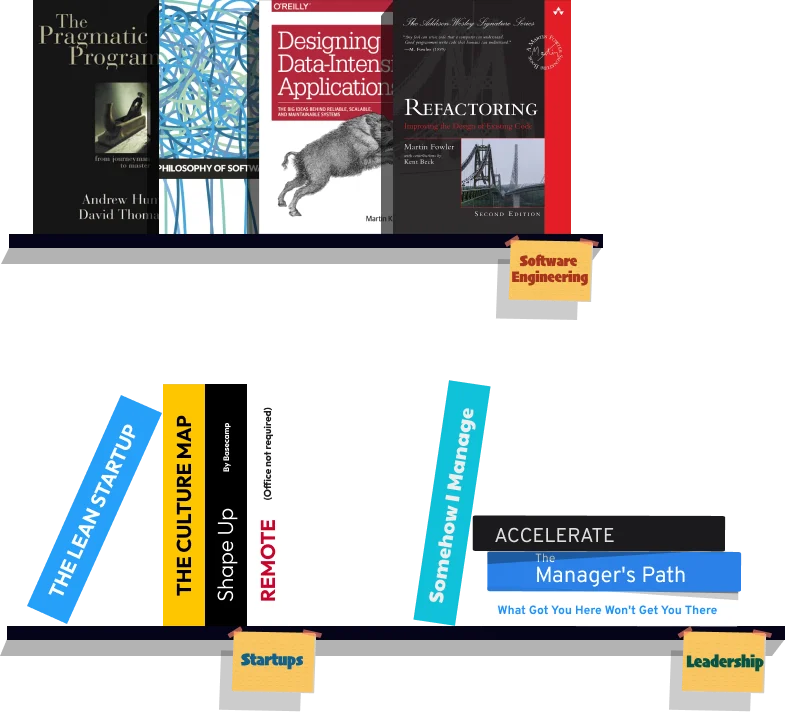
Shelf with books representing available developers
Looking to hire a LLM Engineer? Partner with top-tier engineers who are not just about code—they're about visionary solutions.
Our LLM Engineer experts are more than developers; they're your co-founders, bringing a deep understanding of software craftsmanship and a proactive mindset to your project.
Teaming up to take your project from blueprint to brilliance, not just coding it.
Working with Softaims allowed us to quickly onboard highly skilled engineers who integrated seamlessly with our team. The experience was smooth and the results exceeded our expectations.
Softaims made hiring remote developers effortless. The talent matched our requirements perfectly, and collaboration with the team was extremely efficient.
Softaims provided us with experienced developers who contributed immediately to our projects. The process was efficient and the results were excellent.
Softaims provided us access to highly skilled remote engineers who contributed immediately. The process was efficient, and the quality of work exceeded our expectations.
Hiring through Softaims was seamless. We were able to find developers who perfectly matched our technical requirements and collaborated effectively with our in-house team.
Learn how Softaims provides top LLM Engineer talent who combine technical expertise with leadership qualities.
Our remote LLM Engineers are more than coders. They are problem-solvers who deeply understand how to build and scale your product from the ground up.
Leverage our pre-vetted talent to find a seasoned LLM Engineer professional who brings strategic thinking and a relentless focus on your business goals.
It's not just about a technical skill set, it's about engineering excellence. That’s what you need - that’s what we offer.
Visual depiction of expert LLM Engineers working collaboratively to create high-growth startups.
Just like tech legends who insisted on hiring only 'A players', we believe one top-tier LLM Engineer is worth a hundred others.
Our engineers are the builders you need for your startup—highly skilled, innovative, and ready to turn your vision into a remarkable reality.
Hire Your LLM Engineers
Think Like CEOs, Execute Like CTOs
Our team is comprised of pre-vetted, top-tier LLM Engineers. They've been rigorously screened for technical proficiency and problem-solving skills, so you can hire with confidence.
We deliver the cream of the crop, ensuring your project is in the hands of experienced professionals who excel at delivering high-quality, scalable code.
Our developers are not just technically sound; they are strategic partners who help you navigate complex challenges to achieve your business goals.
Visual representation of skilled LLM Engineers working collaboratively to achieve business success.
Hire LLM Engineers
Let's talk about your project!
Ready to hire an expert LLM Engineer to take your project to the next level? Let's connect!
Schedule a free consultation call with our specialists to discuss your goals and vision. We'll show you how our skilled LLM Engineers can help you build your project on time and on budget.
Illustration of a meeting setup prompting users to schedule a free consultation to hire expert LLM Engineers.
Lets Create Magic with LLM Engineer
FAQ's about hiring LLM Engineers
The cost to hire a LLM Engineer varies widely depending on their experience level, from junior to senior, and the complexity of your project. We offer highly competitive and transparent pricing based on a flat hourly rate. For a precise quote, we recommend scheduling a free consultation to discuss your specific needs, which allows us to provide you with the most cost-effective solution tailored to your project.
When you hire through Softaims, you're not just getting a developer, you're getting a fully vetted professional. We handle the entire recruitment process, from rigorous technical screenings and soft-skills assessments to background checks. This saves you hundreds of hours and minimizes your hiring risk. Our LLM Engineers are a proactive, dedicated extension of your team, committed to your project's success from day one.
Our streamlined and efficient hiring process allows you to onboard a skilled LLM Engineer in a matter of days. Once you hire a developer with us to outline your project requirements, we will present you with a shortlist of pre-vetted candidates who are an ideal fit for your needs within 48 hours. This accelerated process means your project can get started almost immediately.
We offer flexible engagement models to suit a variety of project scopes and budgets. You can hire a LLM Engineer on a full-time basis (40 hours/week) for complete dedication to your project, a part-time basis for ongoing support, or for a specific project with a fixed timeline. We'll help you choose the best model for your needs.
We stand by the quality of our talent, which is why we offer a no-risk, two-week trial period. During this time, you can work with the LLM Engineer developer to ensure they are the right fit for your team and project. If you are not completely satisfied for any reason, you can end the engagement without any financial obligation.
Our vetting process is one of the most rigorous in the industry. It includes in-depth technical interviews, live coding challenges, a review of their past projects and portfolios, and an assessment of their communication skills. We only accept the top 1% of applicants, so you can be confident you are hiring an expert with proven skills and a professional attitude.
Absolutely. Our remote LLM Engineers are not just technical experts, they are excellent collaborators. They are experienced in using tools like Slack, Jira, and Trello and are skilled in Agile methodologies. They will seamlessly integrate into your existing team, working with your engineers and product managers to ensure a smooth and productive workflow.
Our skilled LLM Engineers have a wide range of experience across various industries. They are capable of handling everything from building scalable web applications, custom e-commerce platforms, and internal dashboards to developing complex, high-performance user interfaces and migrating legacy systems. Whatever your project's scope, we have the right talent for you.
LLM Engineer is a fantastic choice for modern web development due to its performance, reusability of components, and robust ecosystem. It is widely used by companies of all sizes, from startups to Fortune 500s. Its ability to create dynamic, single-page applications efficiently makes it an ideal solution for projects that require a fast and responsive user experience.
Getting started is simple. Just click the "hire a developer" button to book a free, no-obligation consultation with one of our experts. We'll take the time to understand your project requirements, technical stack, and team culture. From there, we'll present you with top-tier candidates who are ready to start building your vision.
Decorative icon for Try Talent section
Try Talent Before You Hire LLM Engineer
We have a 98% trial-to-hire success rate.
Up to two weeks to try talent and evaluate if they’re the right fit
Up to two weeks to try talent and evaluate if they’re the right fit
No obligation to pay or hire at the end of the two weeks
No obligation to pay or hire at the end of the two weeks
Get an alternative candidate quickly if you’re not satisfied
Get an alternative candidate quickly if you’re not satisfied
Our LLM Engineer Screening Process
Visual representation of the LLM Engineer screening process
26.4%
Pass Rate
7.4%
Pass Rate
3.6%
Pass Rate
3.2%
Pass Rate
3.0%
Pass Rate
Excellent technical communication
Softaims developers must possess strong written and verbal communication skills. They work effectively across multiple collaboration tools and convey complex engineering ideas and concepts with ease.
Core skills and algorithms
Each developer is required to demonstrate their computer science fundamentals, problem-solving ability, and technical aptitude to a panel of leading experts.
Proactive problem-solving
Softaims developers solve challenges creatively and independently. Each is live-screened by top engineers and must present multiple solution paths and make quick decisions.
End-to-End project execution
Our developers deliver a test project to completion, demonstrating their skills across ideating, scoping, implementation, and problem-solving.
Continued excellence
Softaims developers are expected to maintain a perfect track record while working with clients. We assess our talent after every engagement to ensure our standards for excellence were met.
Decorative question mark icon
Need a detailed breakdown of responsibilities and qualifications?
See the detailed job description for our top LLM Engineers
Hiring can overwhelm a startup. Instead of sifting through countless resumes and interviews, hire llm engineers you can depend on with Softaims. Our vetted, skilled engineers are ready to join your team today.
Decorative corner icon
Over 1300 senior, vetted devs
Every developer in our talent pool has gone through our four-step vetting process, so you can be confident that they will perform as well in reality as they do on paper.
Decorative corner icon
Ready to start working today
Within 48 hours of your request, we send you a list of devs who meet your needs and who are ready to join your team as soon as you’re ready.
Decorative corner icon
Backed by our dev-replacement guarantee
Make your hiring process bulletproof with our replacement guarantee. If you’re not in love with your dev, simply ask us for a replacement and we’ll deliver one, no charges no questions.
What can our llm engineers do for your next project?
Our team of llm engineer developers are more than just coders, they are problem-solvers who add boundless flexibility and technical expertise to your team. Whether you need to build a single-page application or a complex multi-platform system, our engineers focus on building robust, scalable, and high-performance solutions tailored to your business goals.
Integrate with a flexible tech stack
Integrate with a flexible tech stack
Our developers are experts in leveraging a wide range of frameworks and libraries to ensure your new project integrates seamlessly with your existing systems and future goals.
Leverage an abundance of open-source resources
Leverage an abundance of open-source resources
Our developers know how to tap into a vast ecosystem of open-source libraries and tools, streamlining your project and accelerating development without sacrificing quality.
Build with reusable, scalable code
Build with reusable, scalable code
Our engineers focus on writing clean, modular code that can be easily reused and adapted. This speeds up development and makes your application easier to maintain and scale over time.
Ensure faster performance and quality control
Ensure faster performance and quality control
We build with efficiency in mind. Our developers prioritize robust error handling and debugging practices from the start, ensuring a high-quality product that performs flawlessly and is easy to maintain.
FAQ Icon
Q&A about Hiring a LLM Engineer
The cost to hire a llm engineer depends on several factors, including their experience level, geographic location, and the complexity of your project. Our transparent pricing models are tailored to your specific needs, whether you need a full-time hire or a contractor.
A top-tier llm engineer should have a strong command of the core language and framework, a deep understanding of problem-solving, and a proven track record of successful projects. We vet for technical excellence, collaboration skills, and a commitment to clean, scalable code.
Our streamlined four-step hiring process is designed to save you time. We start by understanding your specific project needs, then we provide you with a curated list of vetted developers within 48 hours. You can interview them and make your final choice.
Every developer in our network goes through a rigorous four-step vetting process. This includes technical assessments, live coding interviews, and a thorough review of their professional experience to ensure they are top performers.
To hire the right llm engineer, you need to look beyond their resume. Our process is designed to match you with a developer who not only has the right skills but also fits your team's culture and project goals, ensuring a seamless and productive partnership.
Your satisfaction is our top priority. We stand by our dev-replacement guarantee. If you're not completely satisfied with your developer, we will provide a replacement at no additional charge.
Yes, we offer flexible hiring models to fit your needs. You can hire a developer for a specific project, a long-term contract, or a full-time role. We work with you to define the engagement that makes the most sense for your business.
We have a global network of talent, allowing us to match you with a developer who can work within your specific time zone, ensuring seamless communication and collaboration.
Our developers are proficient with a range of communication and project management tools, including Slack, Teams, Jira, and Asana. They'll adapt to your preferred tools to ensure seamless collaboration and clear project updates.
Absolutely. Our developers are experienced in working in a variety of team structures. They can integrate with your current team, report to your project manager, or even lead a project themselves. We find a solution that fits your specific needs.
We ensure full transparency throughout the project. Our developers provide regular progress reports, and we can set up a communication rhythm that works for you, whether that’s daily stand-ups, weekly summaries, or on-demand check-ins.
Once you submit a request, we can typically match you with pre-vetted developers within 48 hours. The project can begin as soon as you've selected your ideal candidate and all contracts are in place, ensuring a fast and efficient start.
The In-Demand Role of LLM: Navigating the Future of Language Models
My name is Konstiantyn R. and I have over 5 years of experience in the tech industry. I specialize in the following technologies: Android, Kotlin, Clean Architecture, Coroutine, RxJava, etc.. I hold a degree in Master of Computer Applications (MCA). Some of the notable projects I’ve worked on include: Quest Helper GO (Android Plugin for Pokémon GO), Car Shop (with Charts), Animal feeder Bluetooth assistant (NDA), Taxi (for drivers) (NDA). I am based in Kharkiv, Ukraine. I've successfully completed 4 projects while developing at Softaims.
I am a business-driven professional; my technical decisions are consistently guided by the principle of maximizing business value and achieving measurable ROI for the client. I view technical expertise as a tool for creating competitive advantages and solving commercial problems, not just as a technical exercise.
I actively participate in defining key performance indicators (KPIs) and ensuring that the features I build directly contribute to improving those metrics. My commitment to Softaims is to deliver solutions that are not only technically excellent but also strategically impactful.
I maintain a strong focus on the end-goal: delivering a product that solves a genuine market need. I am committed to a development cycle that is fast, focused, and aligned with the ultimate success of the client's business.
The In-Demand Role of LLM: Navigating the Future of Language Models
In the rapidly evolving landscape of artificial intelligence, the role of a Large Language Model (LLM) specialist has emerged as a pivotal position. These experts are at the forefront of developing and optimizing language models that power a wide range of applications, from chatbots to advanced data analysis tools. As businesses increasingly rely on AI-driven solutions, the demand for skilled LLM professionals continues to grow.
LLM specialists are responsible for designing, training, and fine-tuning language models to meet specific business needs. Their expertise not only enhances the performance of AI systems but also ensures that these systems can understand and generate human-like text with high accuracy. This article delves into the technical and commercial aspects of the LLM role, providing insights into the skills required, the cost of hiring, and the strategic importance of these professionals in today's tech-driven world.
Understanding the Basics of Large Language Models
Large Language Models (LLMs) are a type of artificial intelligence designed to understand and generate human language. They are built using deep learning techniques, particularly neural networks, which allow them to process and generate text that is contextually relevant and coherent. The development of LLMs involves training on vast datasets, enabling them to learn the nuances of language, including grammar, syntax, and semantics.
LLM specialists must have a strong foundation in machine learning and natural language processing (NLP). They need to understand the architecture of neural networks and how to leverage frameworks like PyTorch and TensorFlow for model development. Their role is crucial in ensuring that the models are not only accurate but also efficient in terms of computational resources.
Expertise in Data Preprocessing and Cleaning
Data preprocessing is a critical step in the development of LLMs. It involves cleaning and organizing raw data to make it suitable for training models. This process includes tasks such as tokenization, normalization, and removal of noise from the dataset. LLM specialists must be adept at using tools like Pandas and NumPy to manipulate and preprocess data efficiently.
Effective data preprocessing ensures that the language model can learn from high-quality data, which directly impacts its performance. Specialists must also be familiar with techniques for handling large datasets, such as distributed computing and parallel processing, to optimize the training process and reduce time and resource consumption.
Training and Fine-Tuning Language Models
Training LLMs involves feeding them large volumes of text data and adjusting the model parameters to minimize errors in text generation. This process requires a deep understanding of optimization algorithms and loss functions. LLM specialists use techniques like backpropagation and gradient descent to refine the model's ability to predict and generate text accurately.
Fine-tuning is an essential part of the LLM development process, where pre-trained models are adapted to specific tasks or domains. This involves adjusting the model's parameters and architecture to improve its performance on targeted applications. Tools like Hugging Face Transformers are commonly used for fine-tuning, allowing specialists to leverage pre-existing models and customize them for specific use cases.
Implementing Model Evaluation and Testing
Evaluating the performance of LLMs is crucial to ensure their effectiveness in real-world applications. LLM specialists use various metrics, such as perplexity and BLEU scores, to assess the quality of text generation. These metrics help determine how well the model understands and generates language, guiding further improvements and optimizations.
Testing involves running the model on unseen data to evaluate its generalization capabilities. This step is vital for identifying potential biases and errors in the model's predictions. Specialists must be skilled in designing robust testing frameworks and using tools like Scikit-learn to automate and streamline the evaluation process.
Optimizing Model Performance and Scalability
Performance optimization is a key responsibility of LLM specialists, as it directly impacts the efficiency and speed of language models. Techniques such as model pruning, quantization, and knowledge distillation are employed to reduce the model size and improve inference speed without compromising accuracy. These optimizations are crucial for deploying models in resource-constrained environments.
Scalability is another important aspect, especially when dealing with large-scale applications. LLM specialists must ensure that models can handle increasing amounts of data and user requests. This involves designing distributed systems and leveraging cloud platforms like AWS and Google Cloud to scale model training and deployment efficiently.
Ensuring Ethical AI and Bias Mitigation
As LLMs become more integrated into everyday applications, ethical considerations and bias mitigation have become paramount. LLM specialists are responsible for identifying and addressing biases in training data and model predictions. This involves using techniques like adversarial training and fairness constraints to ensure that models do not perpetuate harmful stereotypes or discrimination.
Ethical AI practices also involve transparency and accountability in model development and deployment. Specialists must document the decision-making processes and provide explanations for model outputs. This transparency helps build trust with users and stakeholders, ensuring that AI systems are used responsibly and ethically.
Integrating LLMs with Existing Systems
Integration of LLMs with existing systems is a complex task that requires a deep understanding of both the language model and the target system architecture. LLM specialists must ensure seamless communication between the model and other software components, often using APIs and microservices to facilitate integration. This process involves designing interfaces that allow for efficient data exchange and model invocation.
Specialists must also consider the compatibility of LLMs with existing data pipelines and storage solutions. This involves ensuring that the model can access and process data from various sources without disrupting existing workflows. Tools like Docker and Kubernetes are often used to containerize and orchestrate LLM deployments, ensuring scalability and reliability.
Leveraging LLMs for Business Intelligence
LLMs have significant potential in enhancing business intelligence by providing insights from unstructured data. LLM specialists can develop models that analyze customer feedback, market trends, and other textual data to generate actionable insights. This capability allows businesses to make data-driven decisions and improve their strategic planning.
By leveraging LLMs, companies can automate the extraction of valuable information from large volumes of text, reducing the need for manual analysis. This automation not only saves time and resources but also increases the accuracy and consistency of the insights generated. LLM specialists play a crucial role in designing and implementing these AI-driven solutions to maximize business value.
Continuous Learning and Model Updates
The field of LLMs is constantly evolving, with new techniques and models emerging regularly. LLM specialists must stay updated with the latest advancements in AI research and incorporate these innovations into their models. Continuous learning involves attending conferences, participating in workshops, and engaging with the AI community to stay at the forefront of technology.
Model updates are necessary to maintain the relevance and accuracy of LLMs over time. This involves retraining models with new data and refining their parameters to adapt to changing language patterns and user needs. LLM specialists must design processes for regular model updates, ensuring that AI systems remain effective and competitive in the long term.
Collaboration and Communication Skills
While technical expertise is crucial, LLM specialists must also possess strong collaboration and communication skills. They often work in interdisciplinary teams, collaborating with data scientists, software engineers, and business stakeholders to develop and deploy language models. Effective communication ensures that all team members are aligned and working towards common goals.
LLM specialists must be able to explain complex technical concepts to non-technical stakeholders, providing insights into the capabilities and limitations of language models. This ability to bridge the gap between technical and business perspectives is essential for successful project execution and maximizing the impact of AI solutions.
How Much Does It Cost to Hire a Llm Developer
The cost of hiring an LLM specialist can vary significantly based on factors such as location, experience, and the complexity of the projects they handle. As the demand for AI expertise continues to rise, so do the salaries for these professionals. Companies must be prepared to offer competitive compensation packages to attract and retain top talent in this field.
Below is a table outlining the estimated average annual salaries for LLM specialists in various countries. These figures provide a benchmark for organizations looking to hire skilled professionals in this rapidly growing domain.
Country
Average Annual Salary (USD)
United States
$150,000
Canada
$120,000
United Kingdom
$110,000
Germany
$105,000
Australia
$115,000
India
$80,000
China
$90,000
Japan
$95,000
France
$100,000
Brazil
$85,000
When to Hire Dedicated Llm Developers Versus Freelance Llm Developers
Deciding between hiring dedicated LLM specialists or freelance developers depends on the specific needs and goals of a project. Dedicated developers are typically employed full-time and are deeply integrated into the company's operations. They are ideal for long-term projects that require consistent development and maintenance of language models.
On the other hand, freelance developers offer flexibility and can be a cost-effective solution for short-term projects or when specific expertise is needed on a temporary basis. Companies must weigh the benefits of having a dedicated team member against the agility and lower overhead costs associated with freelancers. The choice ultimately depends on the project's scope, budget, and timeline.
Why Do Companies Hire Llm Developers
Companies hire LLM specialists to leverage the power of AI in transforming their operations and enhancing their competitive edge. These professionals bring expertise in developing language models that can automate tasks, improve customer interactions, and provide valuable insights from data. By integrating LLMs into their systems, companies can achieve greater efficiency and innovation.
Moreover, the strategic use of LLMs can lead to significant cost savings and revenue growth. By automating routine tasks and enabling data-driven decision-making, businesses can optimize their processes and focus on core activities. Hiring skilled LLM specialists is a crucial step for companies looking to harness the full potential of AI technologies.
In conclusion, the role of an LLM specialist is integral to the advancement of AI technologies and their application in various industries. These professionals possess a unique blend of technical expertise and strategic insight, enabling them to develop and optimize language models that drive innovation and efficiency. As the demand for AI solutions continues to grow, the importance of skilled LLM specialists will only increase, making them a valuable asset for any forward-thinking organization.
Explore our curated pool of pre-vetted llm engineers from around the world. Browse detailed profiles, filter by experience level, hourly rate, ratings, and top-rated status to find the perfect match for your team. Each developer has been rigorously screened through our four-step vetting process, ensuring you get access to the top 3% of talent ready to join your project.
What are the key responsibilities of an LLM developer?
What is the typical salary range for an LLM developer?
What benefits can an LLM developer expect?
What tools and technologies are commonly used in the LLM ecosystem?
Why are large language models important for businesses?
What qualifications are typically required for an LLM developer role?
How does an LLM developer contribute to a company's success?
What are the challenges faced by LLM developers?
What is the future outlook for LLM developers?
How do LLM developers stay current with industry trends?
What role does collaboration play in the work of an LLM developer?
What industries are most likely to hire LLM developers?
Content
What are the key responsibilities of an LLM developer?
What is the typical salary range for an LLM developer?
What benefits can an LLM developer expect?
What tools and technologies are commonly used in the LLM ecosystem?
Why are large language models important for businesses?
What qualifications are typically required for an LLM developer role?
How does an LLM developer contribute to a company's success?
What are the challenges faced by LLM developers?
What is the future outlook for LLM developers?
How do LLM developers stay current with industry trends?
What role does collaboration play in the work of an LLM developer?
What industries are most likely to hire LLM developers?
What are the key responsibilities of an LLM developer?
An LLM developer is responsible for designing, developing, and optimizing large language models. Key responsibilities include:
Implementing machine learning algorithms and models.
Collaborating with data scientists to refine model performance.
Ensuring scalability and efficiency of models.
Maintaining up-to-date knowledge of advancements in AI and machine learning.
What is the typical salary range for an LLM developer?
The salary for an LLM developer can vary based on experience, location, and company size. Typically, salaries range from $120,000 to $180,000 annually, with potential for bonuses and stock options.
What benefits can an LLM developer expect?
LLM developers often receive a comprehensive benefits package, which may include:
Health, dental, and vision insurance.
Retirement savings plans such as 401(k).
Paid time off and flexible working hours.
Professional development opportunities.
What tools and technologies are commonly used in the LLM ecosystem?
LLM developers typically work with a variety of tools and technologies, including:
TensorFlow and PyTorch for model development.
Jupyter Notebooks for experimentation and visualization.
Git for version control.
Cloud platforms like AWS, Google Cloud, or Azure for deployment.
Why are large language models important for businesses?
Large language models are crucial for businesses because they enable advanced natural language processing capabilities, which can improve customer service, automate content generation, and enhance data analysis. This leads to increased efficiency and better decision-making.
What qualifications are typically required for an LLM developer role?
Most LLM developer roles require a strong background in computer science or a related field. Qualifications often include:
A bachelor's or master's degree in computer science, AI, or a related discipline.
Proficiency in programming languages such as Python.
Experience with machine learning frameworks.
Strong analytical and problem-solving skills.
How does an LLM developer contribute to a company's success?
An LLM developer contributes to a company's success by creating models that enhance product offerings, streamline operations, and provide insights from data. This can lead to improved customer satisfaction and competitive advantage.
What are the challenges faced by LLM developers?
LLM developers face several challenges, including:
Managing the computational resources required for training large models.
Ensuring data privacy and security.
Keeping up with rapid advancements in AI technology.
Balancing model accuracy with efficiency.
What is the future outlook for LLM developers?
The demand for LLM developers is expected to grow as more industries adopt AI technologies. This creates opportunities for career advancement and specialization in areas such as AI ethics, model interpretability, and domain-specific applications.
How do LLM developers stay current with industry trends?
LLM developers stay current by:
Participating in conferences and workshops.
Engaging with online communities and forums.
Reading research papers and industry publications.
Attending webinars and training sessions.
What role does collaboration play in the work of an LLM developer?
Collaboration is essential for LLM developers as they often work in teams with data scientists, engineers, and product managers to ensure the successful integration of models into business processes and products.
What industries are most likely to hire LLM developers?
Industries that frequently hire LLM developers include:






 Verified Expert in Engineering
 UTC-04:00
 India
India Member Since 2012






















































 Github
 Stackoverflow