
Daniel Russo
ScaleUp software
Working with Softaims allowed us to quickly onboard highly skilled engineers who integrated seamlessly with our team. The experience was smooth and the results exceeded our expectations.
Video testimonial available
See pre-vetted magento 2 developers with transparent hourly rates, experience, ratings, and filters to quickly shortlist the right candidates for your project.




Clients rate Softaims Magento 2 Developers4.9 / 5.0 on averagebased on 13,542 reviews.
Vetted Experts
Trial-to-Hire Success Rate
Fast Candidate Matching
"Working with Softaims allowed us to quickly onboard highly skilled engineers who integrated seamlessly with our team. The experience was smooth and the results exceeded our expectations."

Daniel Russo
ScaleUp software


 Trustpilot
Explore related technologies and frameworks to find the perfect developer for your project

Softaims connects you with rigorously vetted full-time and freelance software engineers across every modern tech stack. From AI specialists to Cloud Architects, access a curated network of elite remote talent designed to scale your business.
Every Magento 2 Developer in our talent pool has gone through our rigorous vetting process, so you can be confident that they will perform as well in reality as they do on paper.
Within 48 hours of your request, we send you a list of Magento 2 Developers who meet your needs and who are ready to join your team as soon as you're ready.
Access top talent from around the world at competitive rates without compromising on quality or expertise. Get the best value for your hiring budget.
Make your hiring process bulletproof with our replacement guarantee. Not happy with your Magento 2 Developer? We'll replace them, no charges, no questions.
Quickly find Magento 2 Developers that match your requirements with our advanced filtering system. Filter by skills, experience, hourly rate, location, and more.
Whether you need a full-time team member or a freelance Magento 2 Developer for a specific project, we have the right talent ready to join your team.
Trustpilot| Features | Softaims | Toptal | Upwork | Freelancers | In-house Resources |
|---|---|---|---|---|---|
Fully Compliant Developers are employed by U.S corporations | |||||
High-Quality Pre-vetted, highly trained, and skilled resources | |||||
Affordability Competitive rates without compromising quality | |||||
Try Before You Buy Test developers before committing | |||||
Secure Locations Developers work in secure and monitored environments | |||||
Highly Scalable Plug in and out developers based on your business needs | |||||
Diverse Tech Stack Broad expertise in diverse tech stack in your time zone |
ScaleUp software
Working with Softaims allowed us to quickly onboard highly skilled engineers who integrated seamlessly with our team. The experience was smooth and the results exceeded our expectations.
Video testimonial available

Ex-VP Engineering at Uber
Softaims made hiring remote developers effortless. The talent matched our requirements perfectly, and collaboration with the team was extremely efficient.
Video testimonial available

CT0 at EdAider
The Softaims platform gave us access to developers who immediately added value. Their expertise and professionalism made the entire process seamless.
Video testimonial available

Hello Median
Softaims helped us scale our engineering team quickly. The quality of the developers and the speed of onboarding were impressive.
Video testimonial available

CEO at Stads.io
Hiring through Softaims was straightforward and effective. We were able to collaborate with skilled engineers who understood our technical needs.
Video testimonial available

CEO at Onenine
Softaims provided us with experienced developers who contributed immediately to our projects. The process was efficient and the results were excellent.

CEO at Sparklaunch Media
Softaims provided us access to highly skilled remote engineers who contributed immediately. The process was efficient, and the quality of work exceeded our expectations.

CEO at Lovart
Hiring through Softaims was seamless. We were able to find developers who perfectly matched our technical requirements and collaborated effectively with our in-house team.
ScaleUp software
Working with Softaims allowed us to quickly onboard highly skilled engineers who integrated seamlessly with our team. The experience was smooth and the results exceeded our expectations.
Ex-VP Engineering at Uber
Softaims made hiring remote developers effortless. The talent matched our requirements perfectly, and collaboration with the team was extremely efficient.
CT0 at EdAider
The Softaims platform gave us access to developers who immediately added value. Their expertise and professionalism made the entire process seamless.
Hello Median
Softaims helped us scale our engineering team quickly. The quality of the developers and the speed of onboarding were impressive.
CEO at Stads.io
Hiring through Softaims was straightforward and effective. We were able to collaborate with skilled engineers who understood our technical needs.
CEO at Onenine
Softaims provided us with experienced developers who contributed immediately to our projects. The process was efficient and the results were excellent.
CEO at Sparklaunch Media
Softaims provided us access to highly skilled remote engineers who contributed immediately. The process was efficient, and the quality of work exceeded our expectations.
CEO at Lovart
Hiring through Softaims was seamless. We were able to find developers who perfectly matched our technical requirements and collaborated effectively with our in-house team.
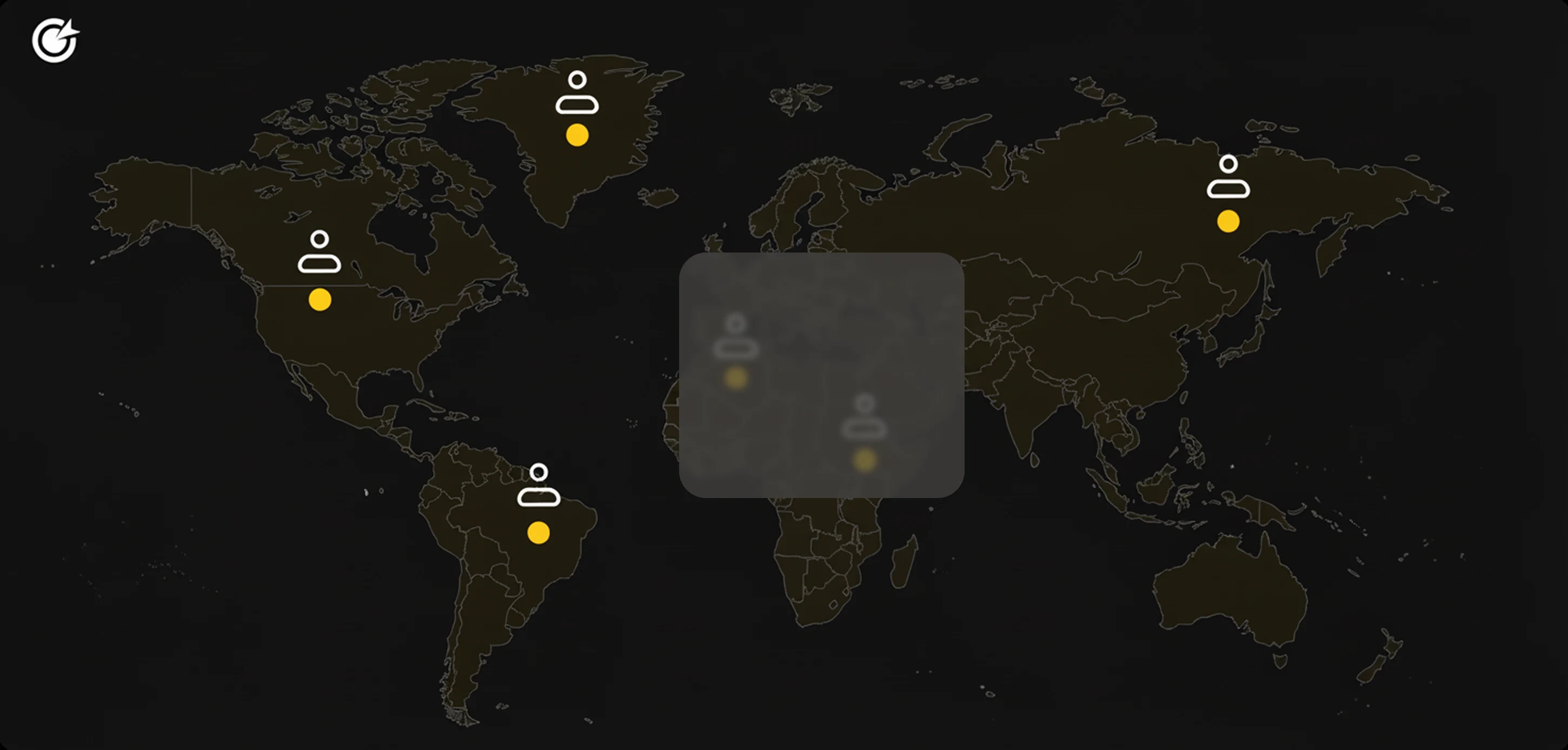
Hire Softaims talent around the world
25.1K+
Softaims magento 2 developers in the world
389+
We'll help you find the perfect fit for your team. From AI specialists to Cloud Architects, access a curated network of elite remote talent designed to scale your business.
Hire Magento 2 Developer
Hover over countries on the map to see the number of available developers in each location
Our dedicated magento 2 developers use the following technologies to build modern web applications.
Magento Open Source
Adobe Commerce
Shopify
BigCommerce
WooCommerce
Salesforce Commerce Cloud
PrestaShop
OpenCart
Shopware
OroCommerce
Amazon Web Services
Microsoft Azure
Google Cloud Platform
DigitalOcean
Linode
Vultr
Cloudflare
Heroku
Netlify
Kinsta
Pantheon
We offer comprehensive magento 2 services to help you build, maintain, and scale your applications.
Our developers create custom Magento 2 modules using PHP and Magento's own framework, delivering tailored solutions that enhance your store's functionality and meet specific business needs.
Our engineers optimize Magento 2 stores by implementing Varnish caching and Redis, ensuring faster load times and improved user experience, which directly increases conversion rates.
We handle the migration of legacy systems to Magento 2, using tools like the Magento Data Migration Tool, to ensure a smooth transition with minimal downtime and data integrity.
Our team conducts automated testing using PHPUnit and Selenium to ensure your Magento 2 store is bug-free and performs reliably, enhancing customer satisfaction and reducing maintenance costs.
We integrate Magento 2 with Adobe Commerce Cloud, allowing for advanced marketing capabilities and analytics, which help drive targeted campaigns and increase sales.
Our developers ensure your Magento 2 site is fully responsive using CSS3 and Bootstrap, providing a consistent user experience across all devices and increasing mobile traffic engagement.
We customize Magento 2 themes using LESS and Knockout.js, creating a unique visual identity that aligns with your brand and enhances customer engagement.
Our architects provide guidance on Magento 2 architecture using MVC and service contracts, ensuring scalable and maintainable solutions that support your business growth.
We improve the Magento 2 build process with tools like Composer and Grunt, speeding up development cycles and enhancing developer productivity, which reduces time-to-market for new features.
Our industry recognition is a testament to our rigorous vetting process and the impactful digital solutions we deliver. From connecting clients with top-tier global talent to building scalable web and mobile apps, our commitment to excellence sets us apart.

Clutch Top 1000 Companies

Top Entertainment App Developers

Expertise Best Mobile App Developer

Software World Top App Development Companies

Horizon Award Gold Awards Winner

Horizon Award Silver Awards Winner

Right firms Top Mobile App Development Company

Access free Magento 2 Developers job description templates, expert-curated interview questions, and comprehensive Magento 2 Developers roadmap to streamline your hiring process and find the best remote Magento 2 Developers for your team.
Download ready-to-use Magento 2 Developers job description templates tailored for your hiring needs.
Browse comprehensive FAQs and interview questions specifically for Magento 2 Developers and Magento 2 Developer roles.
Explore step-by-step learning paths and skill roadmaps specifically designed for Magento 2 Developers and Magento 2 Developer roles.
Discover expert-curated best practices, tips, and strategies specifically for Magento 2 Developer roles and hiring Magento 2 Developers.
Find answers to frequently asked questions about Softaims, our hiring process, developer vetting, pricing models, and how we ensure quality talent for your projects.
Free Productivity Timer Tools
Boost your team's productivity with our free online timer tools. Perfect for Pomodoro sessions, meetings, standups, and focused work sessions. No signup required, works offline.


By Ali H.
 Verified Expert in Engineering
9 years of experience
My name is Ali H. and I have over 9 years of experience in the tech industry. I specialize in the following technologies: Knockout.js, Ecommerce Website, React, HTML, CSS, etc.. I hold a degree in Bachelor of Engineering (B.Eng.). Some of the notable projects I've worked on include: . I am based in Ashville, United States.
My passion is building solutions that are not only technically sound but also deliver an exceptional user experience (UX). I constantly advocate for user-centered design principles, ensuring that the final product is intuitive, accessible, and solves real user problems effectively. I bridge the gap between technical possibilities and the overall product vision.
Working within the Softaims team, I contribute by bringing a perspective that integrates business goals with technical constraints, resulting in solutions that are both practical and innovative. I have a strong track record of rapidly prototyping and iterating based on feedback to drive optimal solution fit.
I'm committed to contributing to a positive and collaborative team environment, sharing knowledge, and helping colleagues grow their skills, all while pushing the boundaries of what's possible in solution development.
Magento 2 Developers play a crucial role in building sophisticated e-commerce platforms using Magento 2, an open-source e-commerce solution that powers millions of online stores worldwide. Companies specifically need Magento 2 Developers to implement custom functionalities, integrate third-party services, and ensure optimal performance of their e-commerce sites, thereby providing a tailored shopping experience for their customers. From my experience, businesses that depend on a robust online presence find immense value in hiring skilled Magento 2 Developers to maintain and enhance their digital storefronts.
This guide provides an exhaustive overview of how to hire Magento 2 Developers in 2026. You will learn about the key skills to look for, interview questions to ask, cost considerations, and best practices for onboarding and managing Magento 2 talent. Additionally, this guide will offer insights into the evolving trends in Magento 2 development and how they impact hiring strategies. For more technical details about Magento 2, you can explore resources such as MDN Web Docs and W3C.
Companies hire Magento 2 Developers for their ability to create and manage complex e-commerce websites that are both scalable and customizable. Magento 2 provides a versatile platform that supports various business needs, from small boutique shops to large enterprises. In practice, businesses leverage Magento 2's flexibility for custom development projects, ensuring their e-commerce sites align with their unique branding and operational requirements. For instance, companies like Coca-Cola and Ford have used Magento 2 to craft bespoke solutions that enhance customer engagement and drive sales.
In my experience, the most effective approach to e-commerce involves leveraging the extensive features of Magento 2, such as multi-store management, advanced SEO capabilities, and an integrated payment system. These features enable businesses to maintain a competitive edge in the digital marketplace. Magento 2 also supports multiple languages and currencies, making it an ideal choice for companies with a global customer base. According to TechCrunch, the demand for Magento 2 Developers continues to rise as businesses prioritize personalized customer experiences and streamlined operations.
Furthermore, Magento 2's strong community support and regular updates ensure that developers can continually refine and expand the capabilities of an e-commerce site. This adaptability is key for businesses that need to respond swiftly to market changes and customer needs. When I've interviewed Magento 2 Developers, I've found that their ability to adapt and innovate within the Magento ecosystem is a significant asset to any company's digital strategy. For more insights into companies using Magento 2, visit Forbes.
When hiring Magento 2 Developers, it is essential to focus on specific technical skills that enable them to work efficiently with the platform. In my experience, the most successful Magento 2 Developers possess a mix of programming expertise and practical Magento 2 knowledge. A common mistake is overlooking the importance of platform-specific skills in favor of generic web development competencies. Understanding the nuances of Magento 2's architecture and capabilities is crucial for developers to build and maintain effective e-commerce solutions.
Another critical aspect is the developer's ability to integrate third-party services and extensions to enhance the functionality of a Magento 2 site. In practice, teams that skip this step often struggle with limited site capabilities and decreased user engagement. Moreover, a developer's proficiency in optimizing Magento 2 for performance and scalability can significantly affect the success of an e-commerce project. According to Glassdoor, the demand for developers with specialized Magento 2 skills remains high, with companies willing to invest in talent that can deliver substantial business value.
For more detailed insights into Magento 2 development skills, you can explore resources on GitHub.
Conducting interviews for Magento 2 Developers requires a targeted approach to assess both technical expertise and problem-solving abilities. In my experience, effective interviews involve a mix of technical questions and scenario-based inquiries that gauge a candidate's practical understanding of Magento 2. A common mistake is focusing solely on theoretical knowledge without testing the candidate's ability to apply their skills in real-world situations. Therefore, it's crucial to prepare questions that cover a broad range of Magento 2 functionalities and challenges.
In practice, evaluating a candidate's behavioral traits is equally important. The most effective approach I've seen involves exploring their past experiences, teamwork skills, and adaptability to new technologies. One pattern I've noticed is that developers who can articulate their role in successful projects and demonstrate effective problem-solving skills are often more adaptable and capable of handling complex Magento 2 challenges.
Another crucial area to assess is how well candidates respond to pressure and rapidly changing project requirements. When I've interviewed Magento 2 Developers, I found that their ability to remain calm and systematic in problem-solving is a reliable indicator of their capability to manage real-world e-commerce challenges. For additional guidance on preparing for interviews, visit HackerRank and Codility.
In 2026, the cost of hiring Magento 2 Developers varies significantly based on geographic location, experience level, and project requirements. In my experience, the US market tends to offer higher salaries compared to other regions, reflecting the increased demand for specialized e-commerce skills. For example, a senior Magento 2 Developer in the US commands an annual salary of $120,000 to $150,000, whereas in India, the same position might offer $20,000 to $30,000. Salary figures are influenced by factors such as the complexity of the Magento 2 project and the developer's expertise in integrating advanced features.
| Country | Junior Level (Per Hour) | Junior Level (Per Year) | Mid-Level (Per Hour) | Mid-Level (Per Year) | Senior Level (Per Hour) | Senior Level (Per Year) |
|---|---|---|---|---|---|---|
| United States | $25-$35 | $50,000-$70,000 | $45-$65 | $90,000-$120,000 | $60-$90 | $120,000-$150,000 |
| United Kingdom | $20-$30 | $40,000-$60,000 | $35-$50 | $70,000-$100,000 | $50-$75 | $100,000-$130,000 |
| Canada | $22-$32 | $44,000-$65,000 | $40-$55 | $80,000-$110,000 | $55-$80 | $110,000-$140,000 |
| Germany | $25-$35 | $50,000-$70,000 | $45-$60 | $90,000-$115,000 | $60-$85 | $120,000-$150,000 |
| India | $10-$15 | $20,000-$30,000 | $15-$25 | $30,000-$50,000 | $25-$35 | $50,000-$70,000 |
| Poland | $15-$20 | $30,000-$40,000 | $25-$35 | $50,000-$70,000 | $35-$50 | $70,000-$90,000 |
| Ukraine | $12-$18 | $24,000-$36,000 | $22-$30 | $44,000-$60,000 | $30-$40 | $60,000-$80,000 |
| Brazil | $10-$15 | $20,000-$30,000 | $15-$25 | $30,000-$50,000 | $25-$35 | $50,000-$70,000 |
Teams that hire Magento 2 Developers through Softaims gain access to pre-screened talent at rates significantly below the US market average — without compromising on quality or technical depth. Developers are matched to your requirements within 48 hours, giving you direct access to senior Magento 2 talent at a fraction of the cost of a local hire.
For more insights into salary trends and hiring models, refer to Indeed and Salary.com.
Choosing between dedicated and freelance Magento 2 Developers depends on the specific needs and duration of your project. In my experience, dedicated developers are invaluable for long-term projects requiring ongoing maintenance and updates, such as enterprise-level e-commerce platforms demanding constant optimization and feature expansion. Dedicated developers offer consistency and deeper integration with your team, which can lead to better alignment with business goals.
Conversely, freelance Magento 2 Developers are ideal for short-term projects or when you need specialized expertise for a particular task. For example, I found that freelance developers are suitable for implementing temporary promotional features or conducting a site audit. The flexibility and lower cost of freelancers make them an attractive option for companies with fluctuating workload demands. However, teams that hire Magento 2 Developers through Softaims can access both dedicated and freelance talent pools, providing a broad spectrum of options to match their project needs.
Understanding the trade-offs between these two models is critical. Dedicated developers often provide more stability and integration into your workflow, whereas freelancers can deliver specific skills for immediate needs. For further comparison, explore insights from Forbes.
Hiring offshore Magento 2 Developers provides a cost-effective solution for businesses looking to optimize their development budgets without compromising on quality. In practice, I found that offshore developers, particularly from countries like India and Ukraine, offer high-quality services at a fraction of the cost of their US counterparts. Time zone differences can be managed efficiently through overlapping work hours and effective communication tools, ensuring smooth project collaboration.
Teams that hire Magento 2 Developers through Softaims gain access to vetted offshore talent within 48 hours, ensuring that businesses can scale their development resources quickly and efficiently. The rigorous vetting process at Softaims ensures that only highly skilled developers are matched to your project, maintaining the technical standards necessary for successful e-commerce implementations. For more on the benefits of offshore hiring, visit TechCrunch.
| Factor | Local (US) Hire | Offshore Magento 2 Developer via Softaims |
|---|---|---|
| Junior Annual Salary | $50,000–$70,000 | $20,000–$30,000 |
| Senior Annual Salary | $120,000–$150,000 | $50,000–$70,000 |
| Hourly Rate (Mid-Level) | $45–$65/hr | $25–$35/hr |
| Average Time to Hire | 4–8 weeks | 24–48 hours |
| Benefits & Overhead | +25–35% on top of salary | None |
| Contract Flexibility | Full-time preferred | Full-time / Part-time / Project-based |
| Talent Pool Access | Regional | Global |
When interviewing Magento 2 Developers, certain red flags can indicate potential issues with a candidate's fit or competence. In my experience, one major red flag is a candidate's inability to explain their development process clearly. A strong Magento 2 Developer should articulate their approach to problem-solving and project management. If a candidate struggles to discuss how they handle specific Magento 2 challenges, such as module customization or performance optimization, it may suggest a gap in practical knowledge.
Another concern arises when a candidate lacks experience with key Magento 2 features or tools. For instance, if they are unfamiliar with Magento 2's API integration or have never worked with its caching mechanisms, it could indicate they might not be ready to tackle complex projects. In practice, teams that skip this step often end up with developers who require excessive onboarding and training, delaying project timelines. According to Stack Overflow, thorough technical interviews are essential to identify these gaps early.
Lastly, excessive focus on salary without discussing project scope or alignment with team goals can be a red flag. Candidates who prioritize compensation over the quality and challenge of the work may not be fully committed to the project's success. When I've interviewed Magento 2 Developers, those who express genuine interest in the project's impact and their potential contributions tend to be more engaged and productive. For additional tips on identifying red flags, visit Harvard Business Review.
Evaluating Magento 2 Developers requires a structured approach to ensure that candidates possess the necessary skills and expertise for your project. In my experience, following a clear evaluation process helps identify the best fit for your team and project requirements. This approach involves assessing technical skills, problem-solving abilities, and cultural fit.
When I've implemented this step-by-step process, it has consistently resulted in successful hires who contribute positively to the team and project outcomes. For more detailed evaluation techniques, refer to SHRM and Greenhouse ATS.
Implementing an effective hiring process for Magento 2 Developers is crucial to identify and secure top talent. In practice, a well-structured hiring process not only attracts skilled candidates but also ensures a smooth transition into the team. One pattern I've noticed is that teams with a clear hiring checklist tend to make more informed decisions, reducing the risk of costly hiring mistakes.
When I've built engineering teams, I've found that having a detailed checklist helps streamline the recruitment process, ensuring all key areas are addressed. This checklist should encompass every stage of the hiring journey, from initial outreach to final onboarding, to capture all necessary information and evaluate candidates thoroughly.
According to Entrepreneur, having a checklist can improve hiring efficiency by ensuring consistency and thoroughness across all candidates. Here is a step-by-step checklist tailored to hiring Magento 2 Developers:
For more insights on hiring best practices, you can explore resources on LinkedIn and Lever ATS.
Onboarding Magento 2 Developers effectively is essential to ensure they can contribute to the team and project goals swiftly. In my experience, an organized onboarding process significantly reduces the time it takes for developers to acclimate and become productive. A common mistake is neglecting the initial setup and mentorship, which can lead to confusion and slow ramp-up times.
The most effective approach I've seen involves providing developers with access to all necessary tools and resources from day one. This includes setting up their development environment, providing documentation on the existing codebase, and introducing them to key team members. In practice, teams that emphasize mentorship and regular check-ins during the onboarding period often see faster integration and higher morale.
According to Indeed, structured onboarding processes improve retention rates by ensuring new hires feel supported and valued. Here are some best practices for onboarding Magento 2 Developers:
For more onboarding tips, refer to resources on Salary.com.
Hiring Magento 2 Developers comes with its own set of challenges, primarily due to the specialized skills required for successful e-commerce implementations. In my experience, one of the main challenges is the scarcity of talent with deep Magento 2 expertise. As Magento 2 continues to evolve, finding developers who are up-to-date with the latest features and best practices can be difficult.
Another challenge is differentiating between candidates with practical Magento 2 experience and those with primarily theoretical knowledge. In practice, developers with hands-on experience in customizing and optimizing Magento 2 sites often outperform those who only possess textbook knowledge. Teams that skip this step may end up with underqualified candidates who struggle to meet project demands.
Retention is also a critical issue, as skilled Magento 2 Developers are often in high demand, leading to frequent job changes. Implementing strategies such as ongoing professional development and competitive compensation packages can help retain top talent. For more insights into overcoming hiring challenges, visit PayScale and SHRM.
When it comes to hiring Magento 2 Developers, leveraging the right tools and resources can significantly simplify the recruitment process. In my experience, traditional hiring platforms often require significant manual effort to sift through candidates and assess their skills. This is where Softaims provides a distinct advantage. Softaims offers a comprehensive solution that removes the need for clients to juggle platforms like LinkedIn or applicant tracking systems.
Teams that hire Magento 2 Developers through Softaims gain access to a pre-vetted talent pool, ensuring candidates are already qualified and ready to contribute. Softaims handles candidate sourcing, skill verification, technical vetting, and profile screening internally, offering a frictionless hiring experience. This allows companies to focus on choosing the best fit for their project without the usual recruitment burdens.
While platforms like HackerRank or Codility exist for self-managed hiring processes, Softaims provides a streamlined alternative that prioritizes efficiency and quality. For more information on accessing top Magento 2 talent, visit Softaims, or for inquiries, contact us.
As we navigate 2026, several trends are shaping the landscape of Magento 2 development and hiring. One significant trend is the increasing demand for headless commerce solutions, where Magento 2 serves as a backend while a separate frontend technology handles the user interface. In my experience, this trend requires developers to have skills in both Magento 2 and frontend frameworks like React or Vue.js. Companies are seeking developers who can integrate these technologies to create flexible and high-performance e-commerce experiences.
Another trend is the growing focus on AI-driven personalization, where Magento 2 Developers need to implement advanced algorithms to deliver customized shopping experiences. This involves integrating machine learning models into Magento 2 platforms to analyze user behavior and provide tailored product recommendations. In practice, developers with expertise in AI and data analysis are becoming increasingly valuable in the Magento 2 ecosystem.
Finally, there is a trend towards cloud-based Magento 2 solutions, which offer scalability and improved performance. Developers skilled in cloud technologies and Magento 2's cloud edition are in high demand, as businesses look to leverage these platforms for enhanced reliability and global reach. For more insights into these trends and their implications, visit TechCrunch and Entrepreneur.
To hire top-tier Magento 2 Developers through Softaims within 48 hours, explore our pre-vetted talent pool. Experience a frictionless hiring process and connect with the best Magento 2 talent available through Softaims.
Prioritizing key Magento 2-specific skills, such as proficiency in PHP and experience with Magento 2 architecture, is crucial for ensuring project quality. These skills enable developers to create scalable and efficient e-commerce platforms. However, the biggest red flag during interviews is a candidate's inability to demonstrate practical problem-solving skills within the Magento 2 environment. Ignoring this can lead to hiring developers who struggle with real-world challenges. The best hiring model depends on the project's duration and complexity; dedicated developers offer consistency for long-term commitments, while freelancers provide flexibility for short-term needs.
Effective onboarding is essential for reducing ramp-up time for Magento 2 Developers. Providing comprehensive documentation and mentorship accelerates their integration into the team, enabling quicker contributions to project goals. Hiring the right Magento 2 Developer can lead to measurable improvements in site performance and customer engagement, directly impacting business success. To connect with experienced Magento 2 Developers, reach out to Softaims.


 Stackoverflow