
Daniel Russo
ScaleUp software
Working with Softaims allowed us to quickly onboard highly skilled engineers who integrated seamlessly with our team. The experience was smooth and the results exceeded our expectations.
Video testimonial available
See pre-vetted virtual reality developers with transparent hourly rates, experience, ratings, and filters to quickly shortlist the right candidates for your project.




Clients rate Softaims Virtual Reality Developers4.9 / 5.0 on averagebased on 13,542 reviews.
Vetted Experts
Trial-to-Hire Success Rate
Fast Candidate Matching
"Working with Softaims allowed us to quickly onboard highly skilled engineers who integrated seamlessly with our team. The experience was smooth and the results exceeded our expectations."

Daniel Russo
ScaleUp software


 Trustpilot
Explore related technologies and frameworks to find the perfect developer for your project

Softaims connects you with rigorously vetted full-time and freelance software engineers across every modern tech stack. From AI specialists to Cloud Architects, access a curated network of elite remote talent designed to scale your business.
Every Virtual Reality Developer in our talent pool has gone through our rigorous vetting process, so you can be confident that they will perform as well in reality as they do on paper.
Within 48 hours of your request, we send you a list of Virtual Reality Developers who meet your needs and who are ready to join your team as soon as you're ready.
Access top talent from around the world at competitive rates without compromising on quality or expertise. Get the best value for your hiring budget.
Make your hiring process bulletproof with our replacement guarantee. Not happy with your Virtual Reality Developer? We'll replace them, no charges, no questions.
Quickly find Virtual Reality Developers that match your requirements with our advanced filtering system. Filter by skills, experience, hourly rate, location, and more.
Whether you need a full-time team member or a freelance Virtual Reality Developer for a specific project, we have the right talent ready to join your team.
Trustpilot| Features | Softaims | Toptal | Upwork | Freelancers | In-house Resources |
|---|---|---|---|---|---|
Fully Compliant Developers are employed by U.S corporations | |||||
High-Quality Pre-vetted, highly trained, and skilled resources | |||||
Affordability Competitive rates without compromising quality | |||||
Try Before You Buy Test developers before committing | |||||
Secure Locations Developers work in secure and monitored environments | |||||
Highly Scalable Plug in and out developers based on your business needs | |||||
Diverse Tech Stack Broad expertise in diverse tech stack in your time zone |
ScaleUp software
Working with Softaims allowed us to quickly onboard highly skilled engineers who integrated seamlessly with our team. The experience was smooth and the results exceeded our expectations.
Video testimonial available

Ex-VP Engineering at Uber
Softaims made hiring remote developers effortless. The talent matched our requirements perfectly, and collaboration with the team was extremely efficient.
Video testimonial available

CT0 at EdAider
The Softaims platform gave us access to developers who immediately added value. Their expertise and professionalism made the entire process seamless.
Video testimonial available

Hello Median
Softaims helped us scale our engineering team quickly. The quality of the developers and the speed of onboarding were impressive.
Video testimonial available

CEO at Stads.io
Hiring through Softaims was straightforward and effective. We were able to collaborate with skilled engineers who understood our technical needs.
Video testimonial available

CEO at Onenine
Softaims provided us with experienced developers who contributed immediately to our projects. The process was efficient and the results were excellent.

CEO at Sparklaunch Media
Softaims provided us access to highly skilled remote engineers who contributed immediately. The process was efficient, and the quality of work exceeded our expectations.

CEO at Lovart
Hiring through Softaims was seamless. We were able to find developers who perfectly matched our technical requirements and collaborated effectively with our in-house team.
ScaleUp software
Working with Softaims allowed us to quickly onboard highly skilled engineers who integrated seamlessly with our team. The experience was smooth and the results exceeded our expectations.
Ex-VP Engineering at Uber
Softaims made hiring remote developers effortless. The talent matched our requirements perfectly, and collaboration with the team was extremely efficient.
CT0 at EdAider
The Softaims platform gave us access to developers who immediately added value. Their expertise and professionalism made the entire process seamless.
Hello Median
Softaims helped us scale our engineering team quickly. The quality of the developers and the speed of onboarding were impressive.
CEO at Stads.io
Hiring through Softaims was straightforward and effective. We were able to collaborate with skilled engineers who understood our technical needs.
CEO at Onenine
Softaims provided us with experienced developers who contributed immediately to our projects. The process was efficient and the results were excellent.
CEO at Sparklaunch Media
Softaims provided us access to highly skilled remote engineers who contributed immediately. The process was efficient, and the quality of work exceeded our expectations.
CEO at Lovart
Hiring through Softaims was seamless. We were able to find developers who perfectly matched our technical requirements and collaborated effectively with our in-house team.
Hire Softaims talent around the world
25.1K+
Softaims virtual reality developers in the world
131+
We'll help you find the perfect fit for your team. From AI specialists to Cloud Architects, access a curated network of elite remote talent designed to scale your business.
Hire Virtual Reality Developer
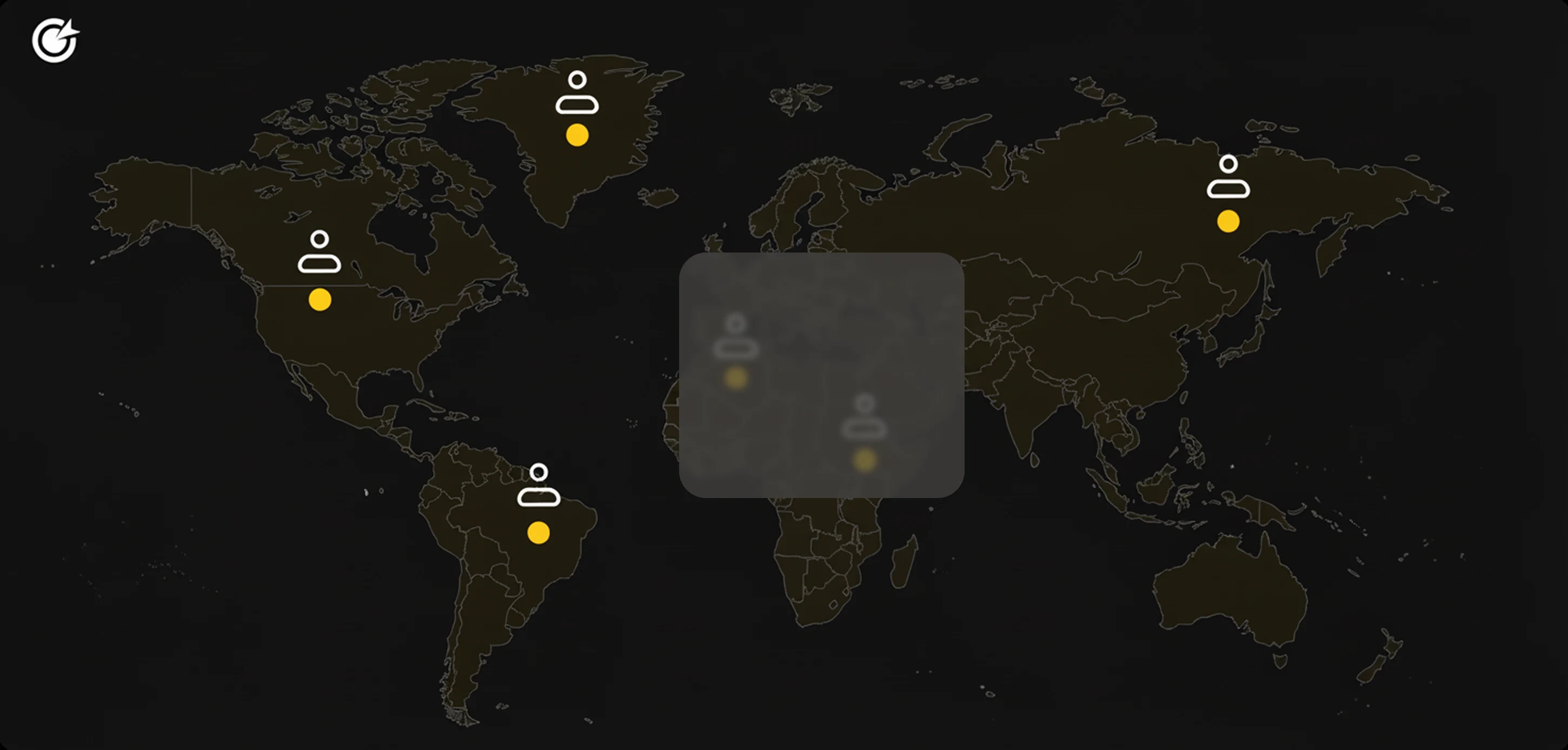
Hover over countries on the map to see the number of available developers in each location
Our dedicated virtual reality developers use the following technologies to build modern web applications.
Unity
Unreal Engine
A-Frame
Godot
CryEngine
Amazon Sumerian
PlayCanvas
Blender Game Engine
Mozilla Hubs
Vuforia
Wikitude
OpenVR
Oculus SDK
SteamVR SDK
Google VR SDK
Microsoft Mixed Reality Toolkit
Viveport SDK
ARKit
ARCore
Magic Leap SDK
OpenXR
Leap Motion SDK
Oculus Quest
HTC Vive
Valve Index
PlayStation VR
Pico VR
Magic Leap
Samsung Gear VR
Microsoft HoloLens
Google Cardboard
We offer comprehensive virtual reality services to help you build, maintain, and scale your applications.
Our developers create tailored virtual reality environments using Unity, a leading platform for VR development. This service ensures your business can deliver immersive experiences that captivate and engage users.
Our engineers optimize VR applications with Vulkan, an API known for high-efficiency graphics rendering. This results in smoother visuals and enhanced user experiences, critical for maintaining engagement in VR settings.
We facilitate the transition of your existing applications to virtual reality using Oculus SDK. This service allows your business to expand its reach and offer innovative experiences on popular VR platforms.
Our team conducts thorough testing of VR applications using OpenVR to ensure compatibility and performance. This guarantees a reliable and immersive experience for your users across various VR devices.
We develop VR applications that run seamlessly across different devices using WebXR. This service ensures your VR content is accessible to a wider audience, maximizing your market potential.
Our designers create intuitive VR interactions using Leap Motion technology. This service enhances user engagement by enabling natural and responsive hand-tracking experiences in virtual environments.
We offer theming and customization of VR experiences using Unreal Engine. This service allows businesses to align their virtual environments with their brand identity, creating a cohesive user experience.
Our team improves VR development workflows using A-Frame, a web framework for building VR experiences. This service streamlines the creation process, enabling faster deployment of virtual reality projects.
We integrate spatial audio into VR applications using Steam Audio, enhancing the realism of virtual environments. This service provides users with an immersive auditory experience that complements the visual elements.
Our industry recognition is a testament to our rigorous vetting process and the impactful digital solutions we deliver. From connecting clients with top-tier global talent to building scalable web and mobile apps, our commitment to excellence sets us apart.

Clutch Top 1000 Companies

Top Entertainment App Developers

Expertise Best Mobile App Developer

Software World Top App Development Companies
Horizon Award Gold Awards Winner
Horizon Award Silver Awards Winner

Right firms Top Mobile App Development Company

Access free Virtual Reality Developers job description templates, expert-curated interview questions, and comprehensive Virtual Reality Developers roadmap to streamline your hiring process and find the best remote Virtual Reality Developers for your team.
Download ready-to-use Virtual Reality Developers job description templates tailored for your hiring needs.
Browse comprehensive FAQs and interview questions specifically for Virtual Reality Developers and Virtual Reality Developer roles.
Explore step-by-step learning paths and skill roadmaps specifically designed for Virtual Reality Developers and Virtual Reality Developer roles.
Discover expert-curated best practices, tips, and strategies specifically for Virtual Reality Developer roles and hiring Virtual Reality Developers.
Find answers to frequently asked questions about Softaims, our hiring process, developer vetting, pricing models, and how we ensure quality talent for your projects.
Free Productivity Timer Tools
Boost your team's productivity with our free online timer tools. Perfect for Pomodoro sessions, meetings, standups, and focused work sessions. No signup required, works offline.


By Justin H.
 Verified Expert in Engineering
7 years of experience
My name is Justin H. and I have over 7 years of experience in the tech industry. I specialize in the following technologies: C++, Objective-C, Unity, C#, Swift, etc.. I hold a degree in Bachelor of Science (BS). Some of the notable projects I’ve worked on include: NanoForce: VR arena multiplayer, "Bubbles Bubbles" Oculus Quest experience, Octonauts mobile app. I am based in Portland, United States. I've successfully completed 3 projects while developing at Softaims.
My passion is building solutions that are not only technically sound but also deliver an exceptional user experience (UX). I constantly advocate for user-centered design principles, ensuring that the final product is intuitive, accessible, and solves real user problems effectively. I bridge the gap between technical possibilities and the overall product vision.
Working within the Softaims team, I contribute by bringing a perspective that integrates business goals with technical constraints, resulting in solutions that are both practical and innovative. I have a strong track record of rapidly prototyping and iterating based on feedback to drive optimal solution fit.
I’m committed to contributing to a positive and collaborative team environment, sharing knowledge, and helping colleagues grow their skills, all while pushing the boundaries of what's possible in solution development.
Virtual Reality Developers are specialized professionals who design, develop, and implement immersive virtual environments. They leverage advanced technologies such as VR headsets, motion sensors, and 3D modeling software to create experiences that can be applied in various sectors like gaming, education, healthcare, and retail. Companies require VR expertise to stay competitive by providing engaging, interactive user experiences that can enhance learning, entertainment, and customer interaction.
This comprehensive guide will provide insights into hiring Virtual Reality Developers, including key skills to look for, cost considerations, and best practices in onboarding and retaining top talent. You'll also learn about the latest trends in VR development and how to navigate the hiring process efficiently. Whether you're looking to hire a dedicated Virtual Reality Developer or explore offshore options, this guide offers everything you need to make informed hiring decisions.
Companies hire Virtual Reality Developers to tap into the transformative potential of immersive technologies that are reshaping how businesses interact with their customers and train their employees. For instance, the healthcare sector uses VR to simulate surgeries, allowing doctors to practice complex procedures without risk. In retail, companies like IKEA use VR to help customers visualize how furniture will look in their homes, enhancing the shopping experience and reducing returns. The gaming industry, spearheaded by giants like Oculus and Sony, continues to innovate with VR to offer players fully immersive worlds. In my experience, businesses that adopt VR solutions tend to see a marked improvement in customer engagement and operational efficiency.
In practice, Virtual Reality Developers bring value by creating applications that are not only immersive but also interactive and educational, making them a valuable asset in sectors such as education and corporate training. According to a report from Forbes, companies that integrate VR into training programs can reduce training time by up to 50%. This measurable value prompts businesses to invest in hiring skilled VR developers who can tailor solutions to their specific needs.
Beyond customer interactions, VR is being used internally within companies to enhance team collaboration and design processes. For instance, automotive companies use VR for prototyping, allowing engineers to explore new designs without the need for costly physical models. This not only speeds up the design process but also reduces costs. In my experience, companies that fail to explore VR opportunities often lag behind competitors who are already reaping the benefits of these innovative solutions.
When hiring Virtual Reality Developers, it's crucial to focus on specialized skills that align with VR development's unique challenges. In my experience, the most effective approach is to categorize these skills into three main areas: technical proficiency, creativity, and problem-solving abilities. Technical skills are paramount, as developers must be adept in using VR-specific tools and programming languages. Creativity is also crucial, enabling developers to build engaging and interactive experiences. Problem-solving skills ensure they can troubleshoot and optimize complex VR systems.
One pattern I've noticed is that successful VR Developers often have a strong foundation in 3D modeling and animation, as VR environments rely heavily on these elements to create realistic experiences. Additionally, familiarity with VR hardware and understanding user experience principles are essential for developing intuitive applications. Companies typically look for candidates who can balance technical expertise with creative vision, as this combination is key to crafting compelling VR experiences.
For further reading on VR development skills, you might explore resources on MDN Web Docs and Stack Overflow.
When I've interviewed Virtual Reality Developers, I've found that targeted questions can effectively gauge a candidate's expertise and problem-solving capabilities specific to VR. A common mistake is to include generic software development questions that don't reveal a candidate's ability to handle VR's unique challenges. Instead, focus on questions that assess their experience with VR technologies, understanding of 3D environments, and ability to design intuitive user interfaces within immersive settings.
In my experience, the behavioral assessment is equally important in the interview process. Understanding a candidate's approach to teamwork, project management, and adaptability to new technologies can be just as telling as their technical skills. It's crucial to look for developers who demonstrate a history of collaboration and continuous learning, as VR is a rapidly evolving field.
One effective technique I've seen is to incorporate scenario-based questions that require candidates to resolve hypothetical challenges or troubleshoot issues they might encounter in a VR project. This not only assesses their problem-solving skills but also reveals their thought process and ability to apply their knowledge in practical situations. For additional interview insights, HackerRank provides useful resources for technical interview preparation.
In 2026, the cost to hire Virtual Reality Developers can vary significantly based on factors like geographical location, experience level, and the complexity of the project. For instance, in the United States, a junior Virtual Reality Developer might earn an hourly rate of $40-$60, whereas a senior developer's rate could escalate to $150 or more. These rates reflect the growing demand for VR expertise as more industries integrate immersive technologies into their core operations. Understanding these market dynamics is essential for budgeting your VR projects effectively.
| Country | Junior Level (Per Hour) | Junior Level (Per Year) | Mid-Level (Per Hour) | Mid-Level (Per Year) | Senior Level (Per Hour) | Senior Level (Per Year) |
|---|---|---|---|---|---|---|
| United States | $40-$60 | $60,000-$80,000 | $70-$100 | $100,000-$130,000 | $120-$150 | $150,000-$200,000 |
| United Kingdom | $35-$50 | $55,000-$75,000 | $60-$90 | $85,000-$115,000 | $110-$140 | $140,000-$180,000 |
| Canada | $30-$45 | $50,000-$70,000 | $55-$85 | $80,000-$110,000 | $100-$130 | $130,000-$170,000 |
| Germany | $35-$50 | $55,000-$75,000 | $60-$90 | $85,000-$115,000 | $110-$145 | $145,000-$185,000 |
| India | $10-$20 | $15,000-$30,000 | $25-$40 | $40,000-$60,000 | $50-$70 | $70,000-$90,000 |
| Poland | $15-$25 | $25,000-$40,000 | $30-$50 | $50,000-$70,000 | $60-$80 | $80,000-$100,000 |
| Ukraine | $15-$25 | $25,000-$40,000 | $30-$50 | $50,000-$70,000 | $60-$80 | $80,000-$100,000 |
| Brazil | $10-$20 | $20,000-$35,000 | $25-$40 | $40,000-$60,000 | $50-$70 | $70,000-$90,000 |
Teams that hire Virtual Reality Developers through Softaims gain access to pre-screened talent at rates significantly below the US market average — without compromising on quality or technical depth. Developers are matched to your requirements within 48 hours, giving you direct access to senior virtual reality talent at a fraction of the cost of a local hire.
For more data on developer costs, refer to Salary.com and Glassdoor.
Deciding whether to hire dedicated Virtual Reality Developers or engage freelancers depends on the specific needs and long-term goals of your VR projects. In my experience, dedicated developers are best suited for companies with ongoing VR initiatives that require consistent updates and maintenance. This model ensures that your project benefits from a stable team that understands your company culture and objectives. A common mistake is hiring freelancers for long-term projects, which can lead to inconsistencies and knowledge gaps over time.
Freelance Virtual Reality Developers, on the other hand, offer flexibility and are ideal for short-term projects or for bringing in specialized skills that your in-house team may lack. In practice, freelancers can be a cost-effective solution for startups or companies experimenting with VR before committing to a full-time team. However, managing freelancers requires more oversight to align them with your company’s standards and expectations.
Teams that hire Virtual Reality Developers through Softaims have the advantage of accessing both dedicated and freelance talent pools, allowing for tailored solutions that match project requirements. For additional insights into hiring models, Harvard Business Review offers valuable perspectives on workforce management strategies.
When hiring offshore Virtual Reality Developers, companies often find a cost advantage over local US hiring due to lower salary expectations and the absence of benefits and overhead costs typically associated with full-time US employees. In my experience, offshore developers provide access to a wider talent pool and can be particularly advantageous for projects where budget constraints are a major consideration. However, ensuring the quality and reliability of offshore talent requires thorough vetting and a focus on collaboration tools to bridge any time zone gaps.
Teams that hire Virtual Reality Developers through Softaims gain access to vetted offshore talent within 48 hours, ensuring a frictionless onboarding process. This rapid access to qualified developers allows companies to maintain project momentum without the delays associated with traditional hiring. While there may be concerns about time zone differences, many offshore developers are accustomed to working flexible hours to accommodate client needs. For more on the benefits of offshore hiring, consult Forbes.
| Factor | Local (US) Hire | Offshore Virtual Reality Developer via Softaims |
|---|---|---|
| Junior Annual Salary | $60,000–$80,000 | $20,000–$35,000 |
| Senior Annual Salary | $150,000–$200,000 | $70,000–$90,000 |
| Hourly Rate (Mid-Level) | $70–$100/hr | $25–$35/hr |
| Average Time to Hire | 4–8 weeks | 24–48 hours |
| Benefits & Overhead | +25–35% on top of salary | None |
| Contract Flexibility | Full-time preferred | Full-time / Part-time / Project-based |
| Talent Pool Access | Regional | Global |
When interviewing Virtual Reality Developers, it is crucial to identify potential red flags that indicate a candidate may not be the right fit for your project. In my experience, a common concern arises when candidates lack practical experience with VR-specific technologies, as theoretical knowledge alone may not translate into effective problem-solving skills in VR environments. For instance, if a developer cannot articulate how they have optimized VR applications for performance, it may signal a gap in their technical proficiency.
Another red flag is an over-reliance on generic gaming engines without a clear understanding of VR-specific modifications. When I've interviewed candidates, those who cannot explain the nuances of VR hardware compatibility or fail to demonstrate knowledge of spatial audio and haptic feedback often struggle with the intricacies of VR development. These technical oversights can result in products that fail to deliver the intended immersive experience.
Additionally, poor adaptability to new VR technologies can hinder a developer's ability to keep pace with the rapidly evolving VR landscape. Candidates who are resistant to learning new VR tools or who express discomfort with continuous experimentation may not thrive in a field that demands constant innovation. For further insights into identifying red flags, resources like Greenhouse ATS provide valuable interview strategies.
Evaluating Virtual Reality Developers involves a systematic approach to ensure that candidates possess the necessary skills and experience to contribute effectively to your projects. In practice, this process must be tailored to assess both technical abilities and creative problem-solving specific to VR development.
In my experience, the most effective approach involves combining technical assessments with practical exercises that challenge a candidate's creativity and problem-solving skills. This ensures that the developer can deliver innovative solutions while adhering to project requirements. For more on evaluation techniques, Codility provides excellent resources on technical assessment best practices.
Successfully hiring Virtual Reality Developers requires a structured approach that ensures all essential steps are covered. A common mistake is rushing the process, which can lead to hiring developers without the necessary skills or compatibility with your team. In my experience, a detailed checklist helps streamline the hiring process, ensuring that crucial steps are not overlooked.
The most effective approach I've seen involves beginning with a clear definition of project requirements and the skills needed to meet them. This enables a targeted search for candidates who fit the criteria. Additionally, organizing interviews and assessments efficiently can save time and resources, ensuring a smooth transition from candidate selection to onboarding.
Resources such as Lever ATS can assist in managing the recruitment process efficiently, ensuring that no critical steps are missed.
Effective onboarding of Virtual Reality Developers is crucial for integrating them into your team and ensuring they quickly become productive contributors. One pattern I've noticed is that teams that skip this step often face increased ramp-up times and reduced developer morale. To mitigate this, providing a structured onboarding process can significantly enhance a developer's initial experience and long-term success.
One of the most effective approaches I've seen involves setting up a comprehensive onboarding program that includes technical setup, familiarization with the codebase, and an introduction to company culture and expectations. In practice, ensuring that developers have access to necessary tools and a clear understanding of project goals can accelerate their integration into the team.
Mentorship is another critical component. Pairing new developers with experienced team members can provide guidance and support, helping them navigate challenges and understand the nuances of working within your organization. To learn more about onboarding best practices, SHRM offers valuable insights into effective employee onboarding strategies.
Hiring Virtual Reality Developers comes with its unique set of challenges, particularly in identifying candidates with the right balance of technical expertise and creative problem-solving abilities. In my experience, a major challenge is the scarcity of VR talent, as the demand for skilled developers often outpaces supply. This scarcity can lead to increased competition for top candidates and longer hiring timelines.
Another challenge is effectively vetting candidates' practical experience versus theoretical knowledge. While many candidates may have academic backgrounds in VR technologies, practical experience in developing complex VR applications is more indicative of their ability to deliver results. Teams that skip this step often encounter developers who struggle to meet project demands.
Retention of VR talent is also a concern, as developers may be lured by more lucrative offers or opportunities to work on cutting-edge projects elsewhere. Offering competitive compensation packages and opportunities for career growth can help mitigate this risk. For strategies on overcoming these challenges, refer to resources available on Entrepreneur.
When it comes to hiring Virtual Reality Developers, leveraging the right tools and resources can streamline the process and enhance the quality of your hires. In my experience, platforms like HackerRank and Codility offer valuable technical assessment tools, but they require significant effort to manage and organize the recruitment process independently. A common mistake is underestimating the time and expertise needed to manage these tools effectively.
Teams that hire Virtual Reality Developers through Softaims benefit from a comprehensive solution that eliminates the need to manually juggle multiple platforms. Softaims handles candidate sourcing, skill verification, technical vetting, and profile screening internally, providing access to pre-vetted talent without the need for an extensive recruitment stack. This frictionless process allows companies to focus on integrating new hires into their teams without the burden of recruitment logistics.
For companies interested in exploring the Softaims talent pool, visit Softaims. For inquiries about getting started, reach out via Softaims. To learn more about the benefits of using specialized recruitment platforms, Greenhouse ATS offers insights into efficient hiring strategies.
In 2026, virtual reality continues to evolve, impacting both development and hiring practices. A notable trend is the increasing integration of artificial intelligence (AI) within VR applications, enhancing interactivity and user experiences. This trend demands developers proficient in both VR and AI, broadening the skill sets required for VR roles and influencing hiring criteria. In my experience, teams that embrace this intersection tend to deliver more sophisticated and engaging applications.
Another trend is the growing focus on cross-platform VR solutions, as companies seek to reach wider audiences by developing applications compatible with multiple VR headsets and devices. This shift requires developers to have a deeper understanding of platform-specific nuances and to apply best practices in creating consistent experiences across devices. Companies that prioritize this capability in their hiring process are likely to achieve broader market penetration.
Finally, the rise of remote work has led to an increase in demand for collaborative VR applications that enable virtual meetings and team interactions. This trend not only impacts the types of applications being developed but also the way VR teams operate, with asynchronous collaboration becoming more common. For more on VR trends, TechCrunch offers insights into current developments in the VR landscape.
Streamline your hiring process and hire top-tier Virtual Reality Developers through Softaims within 48 hours. Access a global pool of pre-vetted talent and accelerate your VR projects with expert developers.
When hiring Virtual Reality Developers, focus on key skills like proficiency in VR-specific engines such as Unity or Unreal Engine, alongside strong capabilities in 3D modeling and real-time rendering. These skills are crucial for delivering high-quality, immersive experiences that meet user expectations. During interviews, an inability to articulate optimization strategies for VR applications can be a significant red flag, indicating potential gaps in technical proficiency. For most companies, starting with freelance developers for small projects and transitioning to dedicated hires for long-term initiatives provides the best flexibility and cost management.
To reduce ramp-up time for new Virtual Reality Developers, provide a comprehensive onboarding program that includes access to all necessary tools and resources, as well as mentoring support from experienced team members. Hiring the right developer can lead to significant business impacts, such as improved customer engagement and streamlined operations. To explore how Softaims can assist with your VR hiring needs, contact Softaims.


 Stackoverflow