
Daniel Russo
ScaleUp software
Working with Softaims allowed us to quickly onboard highly skilled engineers who integrated seamlessly with our team. The experience was smooth and the results exceeded our expectations.
Video testimonial available
See pre-vetted game designers with transparent hourly rates, experience, ratings, and filters to quickly shortlist the right candidates for your project.




Clients rate Softaims Game Designers4.9 / 5.0 on averagebased on 13,542 reviews.
Vetted Experts
Trial-to-Hire Success Rate
Fast Candidate Matching
"Working with Softaims allowed us to quickly onboard highly skilled engineers who integrated seamlessly with our team. The experience was smooth and the results exceeded our expectations."

Daniel Russo
ScaleUp software


 Trustpilot
Explore related technologies and frameworks to find the perfect developer for your project

Softaims connects you with rigorously vetted full-time and freelance software engineers across every modern tech stack. From AI specialists to Cloud Architects, access a curated network of elite remote talent designed to scale your business.
Every Game Designer in our talent pool has gone through our rigorous vetting process, so you can be confident that they will perform as well in reality as they do on paper.
Within 48 hours of your request, we send you a list of Game Designers who meet your needs and who are ready to join your team as soon as you're ready.
Access top talent from around the world at competitive rates without compromising on quality or expertise. Get the best value for your hiring budget.
Make your hiring process bulletproof with our replacement guarantee. Not happy with your Game Designer? We'll replace them, no charges, no questions.
Quickly find Game Designers that match your requirements with our advanced filtering system. Filter by skills, experience, hourly rate, location, and more.
Whether you need a full-time team member or a freelance Game Designer for a specific project, we have the right talent ready to join your team.
Trustpilot| Features | Softaims | Toptal | Upwork | Freelancers | In-house Resources |
|---|---|---|---|---|---|
Fully Compliant Developers are employed by U.S corporations | |||||
High-Quality Pre-vetted, highly trained, and skilled resources | |||||
Affordability Competitive rates without compromising quality | |||||
Try Before You Buy Test developers before committing | |||||
Secure Locations Developers work in secure and monitored environments | |||||
Highly Scalable Plug in and out developers based on your business needs | |||||
Diverse Tech Stack Broad expertise in diverse tech stack in your time zone |
ScaleUp software
Working with Softaims allowed us to quickly onboard highly skilled engineers who integrated seamlessly with our team. The experience was smooth and the results exceeded our expectations.
Video testimonial available

Ex-VP Engineering at Uber
Softaims made hiring remote developers effortless. The talent matched our requirements perfectly, and collaboration with the team was extremely efficient.
Video testimonial available

CT0 at EdAider
The Softaims platform gave us access to developers who immediately added value. Their expertise and professionalism made the entire process seamless.
Video testimonial available

Hello Median
Softaims helped us scale our engineering team quickly. The quality of the developers and the speed of onboarding were impressive.
Video testimonial available

CEO at Stads.io
Hiring through Softaims was straightforward and effective. We were able to collaborate with skilled engineers who understood our technical needs.
Video testimonial available

CEO at Onenine
Softaims provided us with experienced developers who contributed immediately to our projects. The process was efficient and the results were excellent.

CEO at Sparklaunch Media
Softaims provided us access to highly skilled remote engineers who contributed immediately. The process was efficient, and the quality of work exceeded our expectations.

CEO at Lovart
Hiring through Softaims was seamless. We were able to find developers who perfectly matched our technical requirements and collaborated effectively with our in-house team.
ScaleUp software
Working with Softaims allowed us to quickly onboard highly skilled engineers who integrated seamlessly with our team. The experience was smooth and the results exceeded our expectations.
Ex-VP Engineering at Uber
Softaims made hiring remote developers effortless. The talent matched our requirements perfectly, and collaboration with the team was extremely efficient.
CT0 at EdAider
The Softaims platform gave us access to developers who immediately added value. Their expertise and professionalism made the entire process seamless.
Hello Median
Softaims helped us scale our engineering team quickly. The quality of the developers and the speed of onboarding were impressive.
CEO at Stads.io
Hiring through Softaims was straightforward and effective. We were able to collaborate with skilled engineers who understood our technical needs.
CEO at Onenine
Softaims provided us with experienced developers who contributed immediately to our projects. The process was efficient and the results were excellent.
CEO at Sparklaunch Media
Softaims provided us access to highly skilled remote engineers who contributed immediately. The process was efficient, and the quality of work exceeded our expectations.
CEO at Lovart
Hiring through Softaims was seamless. We were able to find developers who perfectly matched our technical requirements and collaborated effectively with our in-house team.
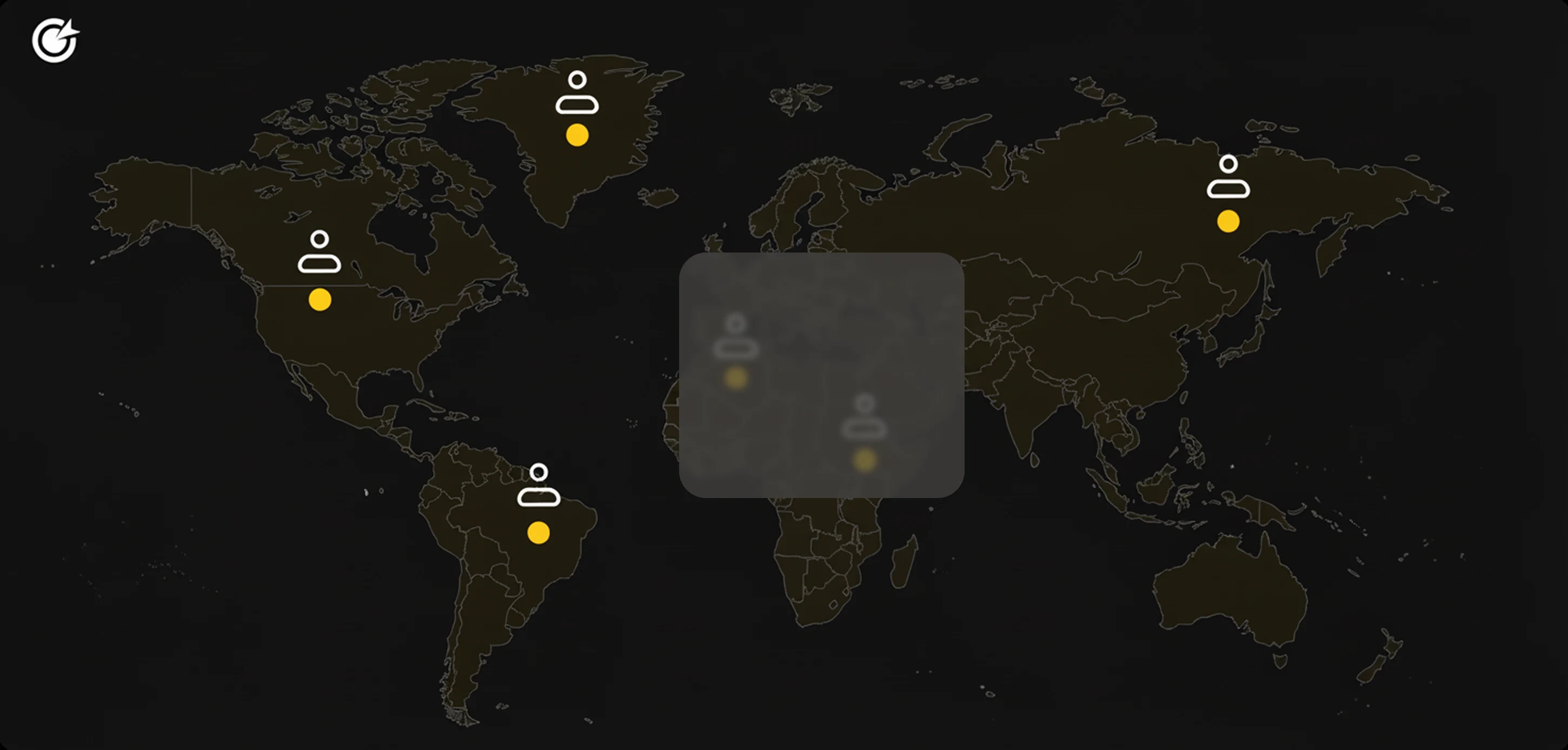
Hire Softaims talent around the world
25.1K+
Softaims game designers in the world
379+
We'll help you find the perfect fit for your team. From AI specialists to Cloud Architects, access a curated network of elite remote talent designed to scale your business.
Hire Game Designer
Hover over countries on the map to see the number of available developers in each location
Our dedicated game designers use the following technologies to build modern web applications.
Unity
Unreal Engine
Godot
CryEngine
Amazon Lumberyard
GameMaker Studio 2
RPG Maker
Cocos2d-x
Construct
Defold
Panda3D
Torque3D
We offer comprehensive game designers services to help you build, maintain, and scale your applications.
Our developers craft bespoke game experiences using Unity 3D and Unreal Engine, ensuring your game stands out with unique mechanics and immersive environments. These tailored solutions increase player engagement and satisfaction.
We use Unity Profiler and Unreal Insights to fine-tune your game's performance, reducing load times and improving frame rates. This results in a smoother gameplay experience that keeps players coming back.
Our engineers facilitate the transition of legacy game designs to modern engines like Unity and Unreal, preserving the core experience while enhancing graphics and functionality. This revitalizes your game for a new generation of players.
We implement automated testing frameworks using Playwright and TestRail to ensure your game design is robust and bug-free. This minimizes downtime and enhances the player experience by delivering a polished product.
Our developers create game designs that function seamlessly across multiple platforms using Unity and Unreal Engine, ensuring your game reaches a wider audience and maximizes market potential.
We apply design patterns like Entity Component System (ECS) and Model-View-Controller (MVC) to structure your game efficiently, enhancing maintainability and scalability for future updates.
Our team uses tools like Shader Graph and Material Editor to create visually stunning themes and customizations, providing a unique aesthetic that captivates players and differentiates your game.
We enhance your game design's development workflow by integrating Jenkins and GitHub Actions, ensuring efficient build pipelines and faster deployment cycles, which accelerates time-to-market.
Our developers integrate AR/VR capabilities using Unity XR and Unreal ARKit, expanding your game's immersive potential and offering players an engaging, interactive experience that sets your game apart.
Our industry recognition is a testament to our rigorous vetting process and the impactful digital solutions we deliver. From connecting clients with top-tier global talent to building scalable web and mobile apps, our commitment to excellence sets us apart.

Clutch Top 1000 Companies

Top Entertainment App Developers

Expertise Best Mobile App Developer

Software World Top App Development Companies
Horizon Award Gold Awards Winner
Horizon Award Silver Awards Winner

Right firms Top Mobile App Development Company

Access free Game Designers job description templates, expert-curated interview questions, and comprehensive Game Designers roadmap to streamline your hiring process and find the best remote Game Designers for your team.
Download ready-to-use Game Designers job description templates tailored for your hiring needs.
Browse comprehensive FAQs and interview questions specifically for Game Designers and Game Designer roles.
Explore step-by-step learning paths and skill roadmaps specifically designed for Game Designers and Game Designer roles.
Discover expert-curated best practices, tips, and strategies specifically for Game Designer roles and hiring Game Designers.
Find answers to frequently asked questions about Softaims, our hiring process, developer vetting, pricing models, and how we ensure quality talent for your projects.
Free Productivity Timer Tools
Boost your team's productivity with our free online timer tools. Perfect for Pomodoro sessions, meetings, standups, and focused work sessions. No signup required, works offline.


By Daniel G.
 Verified Expert in Engineering
4 years of experience
My name is Daniel G. and I have over 4 years of experience in the tech industry. I specialize in the following technologies: Unity, Unreal Engine, Python, Ruby, Ruby on Rails, etc.. I hold a degree in Bachelor of Science (BS), Associate's degree. Some of the notable projects I’ve worked on include: Custom CI / CD Platform built from scratch, Stone Rage, FreezerPro, Call of Duty: Modern Warfare II, Call of Duty: Modern Warfare III, etc.. I am based in Los Angeles, United States. I've successfully completed 7 projects while developing at Softaims.
I'm committed to continuous learning, always striving to stay current with the latest industry trends and technical methodologies. My work is driven by a genuine passion for solving complex, real-world challenges through creative and highly effective solutions. Through close collaboration with cross-functional teams, I've consistently helped businesses optimize critical processes, significantly improve user experiences, and build robust, scalable systems designed to last.
My professional philosophy is truly holistic: the goal isn't just to execute a task, but to deeply understand the project's broader business context. I place a high priority on user-centered design, maintaining rigorous quality standards, and directly achieving business goals—ensuring the solutions I build are technically sound and perfectly aligned with the client's vision. This rigorous approach is a hallmark of the development standards at Softaims.
Ultimately, my focus is on delivering measurable impact. I aim to contribute to impactful projects that directly help organizations grow and thrive in today’s highly competitive landscape. I look forward to continuing to drive success for clients as a key professional at Softaims.
Game Designers are the creative architects behind the video games that captivate millions of players globally. They are responsible for conceptualizing game mechanics, designing engaging levels, and ensuring that the gaming experience is immersive and enjoyable. Companies hire Game Designers to create interactive entertainment that resonates with users, driving engagement and revenue growth in a highly competitive market.
In this guide, I will cover everything you need to know to hire Game Designers effectively in 2026. From understanding the key skills required to conducting interviews and evaluating candidates, this comprehensive resource will equip you with insights to find and hire the best Game Designers for your projects. Additionally, you will learn about the costs involved, onboarding strategies, and the latest trends in game design hiring.
Companies hire Game Designers to bring their creative visions to life, transforming abstract ideas into tangible, interactive experiences. For instance, companies like Blizzard Entertainment and Nintendo have built empires on the backs of talented Game Designers who crafted iconic games like "World of Warcraft" and "The Legend of Zelda." These designers ensure that games are not only visually appealing but also engaging and challenging for players. In my experience, the unique storytelling and intricate game mechanics developed by skilled Game Designers are what keep players coming back, boosting retention rates and expanding user bases.
In practice, successful Game Designers contribute significantly to a company’s bottom line by creating compelling games that attract and retain players. The entertainment value they deliver translates into higher sales, increased in-game purchases, and more robust brand loyalty. Moreover, Game Designers help differentiate a company's offerings in a crowded market, which is essential for standing out. According to data from Statista, the global video game market is projected to generate over $200 billion in revenue by 2026, making the role of Game Designers crucial for capturing market share.
One pattern I've noticed is that companies that invest in hiring the right Game Designers often see a direct correlation between the quality of their games and their financial performance. With the increasing demand for high-quality, interactive content, the need for talented Game Designers continues to rise. As such, companies that understand the strategic importance of game design and prioritize hiring top talent can position themselves as leaders in the industry.
When hiring Game Designers, it is crucial to identify candidates with a diverse set of skills that align with the specific needs of game development. Game Designers should possess a blend of creative, technical, and analytical abilities to excel in creating engaging player experiences. In my experience, the most effective Game Designers demonstrate proficiency in both the artistic aspects of design and the technical components that bring games to life.
In practice, evaluating a candidate's skill set involves looking for expertise in areas such as level design, narrative development, and player psychology. Additionally, familiarity with industry-standard tools and software is essential for executing design concepts efficiently. According to a recent survey by Indeed, most employers list proficiency in game engines like Unity and Unreal Engine as core requirements for Game Designers.
Below is a list of key technical skills that are specific to game design and should be prioritized during the hiring process:
When interviewing Game Designers, it's essential to ask questions that assess both their technical expertise and creative thinking. The interview process should aim to uncover their ability to conceptualize and execute innovative game ideas while also understanding the technical constraints and possibilities within game development. In my experience, the most effective approach is to ask open-ended questions that allow candidates to demonstrate their thought processes and problem-solving abilities.
In practice, alongside technical questions, behavioral assessments are crucial for understanding how a candidate might fit within your team and their approach to collaboration. One pattern I've noticed is that Game Designers who excel in team environments often exhibit strong communication skills and a willingness to incorporate feedback from various stakeholders. When I've interviewed Game Designers, I pay close attention to their ability to articulate their design process and how they handle challenges collaboratively.
Behavioral questions might include asking candidates to describe a time when they had to resolve a conflict within a team or how they prioritized tasks under tight deadlines. According to Glassdoor, these types of questions can reveal a candidate's adaptability and resilience—essential traits in the dynamic field of game design. By combining both technical and behavioral assessments, companies can make informed decisions and hire Game Designers who not only have the necessary skills but also align with the company's values and culture.
The cost to hire Game Designers in 2026 varies significantly depending on factors such as location, experience level, and project requirements. According to PayScale, Game Designers in the United States earn an average annual salary ranging from $60,000 to $120,000, depending on their level of expertise. Junior designers typically earn between $25 and $40 per hour, while senior designers can command rates of $70 to $100 per hour. These figures may fluctuate based on market demand and the specific skills required for a given project.
| Country | Junior Level (Per Hour) | Junior Level (Per Year) | Mid-Level (Per Hour) | Mid-Level (Per Year) | Senior Level (Per Hour) | Senior Level (Per Year) |
|---|---|---|---|---|---|---|
| United States | $25-$40 | $60,000-$80,000 | $40-$60 | $80,000-$100,000 | $70-$100 | $120,000-$150,000 |
| United Kingdom | $20-$35 | $50,000-$70,000 | $35-$50 | $70,000-$90,000 | $60-$85 | $110,000-$130,000 |
| Canada | $20-$35 | $50,000-$70,000 | $35-$50 | $70,000-$90,000 | $60-$85 | $110,000-$130,000 |
| Germany | $20-$35 | $50,000-$70,000 | $35-$50 | $70,000-$90,000 | $60-$85 | $110,000-$130,000 |
| India | $10-$20 | $20,000-$40,000 | $15-$25 | $30,000-$50,000 | $25-$40 | $50,000-$70,000 |
| Poland | $15-$25 | $30,000-$50,000 | $25-$40 | $50,000-$70,000 | $35-$50 | $70,000-$90,000 |
| Ukraine | $15-$25 | $30,000-$50,000 | $25-$40 | $50,000-$70,000 | $35-$50 | $70,000-$90,000 |
| Brazil | $15-$25 | $30,000-$50,000 | $25-$40 | $50,000-$70,000 | $35-$50 | $70,000-$90,000 |
Teams that hire Game Designers through Softaims gain access to pre-screened talent at rates significantly below the US market average — without compromising on quality or technical depth. Developers are matched to your requirements within 48 hours, giving you direct access to senior game design talent at a fraction of the cost of a local hire.
Deciding between hiring dedicated Game Designers or engaging freelancers depends on the specific needs and goals of your project. In my experience, dedicated Game Designers are often the better choice for long-term projects that require consistent development and close collaboration with other team members. These individuals become integral parts of the game design development team, contributing to a cohesive vision and maintaining project continuity.
On the other hand, freelance Game Designers offer flexibility and are ideal for short-term projects or when specific expertise is needed for a limited time. For example, if your project requires a unique skill set or creative input for a particular aspect of game design, hiring a freelancer can be a cost-effective solution. One pattern I've noticed is that companies often bring in freelancers to inject new ideas or handle peak workloads without the long-term commitment of a full-time hire.
Teams that hire Game Designers through Softaims can benefit from a hybrid approach, leveraging both dedicated and freelance talent as needed. This flexibility allows companies to adapt to changing project demands and optimize resource allocation effectively. By evaluating the scope and duration of your game design project, you can determine the best hiring model to achieve your objectives efficiently.
Hiring offshore Game Designers offers a compelling cost advantage compared to hiring locally in the US. In my experience, offshore Game Designers can provide high-quality work at a fraction of the cost, making it an attractive option for companies looking to optimize their budgets. Additionally, working with offshore teams can facilitate around-the-clock development, as teams in different time zones can continue progress while your local team is offline.
Teams that hire Game Designers through Softaims gain access to vetted offshore talent within 48 hours, ensuring that quality and efficiency are never compromised. The rigorous vetting process ensures that only the most skilled and experienced Game Designers are matched to your project needs. This approach not only saves costs but also reduces the time it takes to bring new talent on board. According to TechCrunch, the global talent pool offers diverse expertise that is often unavailable locally.
| Factor | Local (US) Hire | Offshore Game Designer via Softaims |
|---|---|---|
| Junior Annual Salary | $60,000–$80,000 | $30,000–$50,000 |
| Senior Annual Salary | $120,000–$150,000 | $70,000–$90,000 |
| Hourly Rate (Mid-Level) | $40–$60/hr | $25–$35/hr |
| Average Time to Hire | 4–8 weeks | 24–48 hours |
| Benefits & Overhead | +25–35% on top of salary | None |
| Contract Flexibility | Full-time preferred | Full-time / Part-time / Project-based |
| Talent Pool Access | Regional | Global |
When interviewing Game Designers, there are several red flags to watch for that can indicate potential issues with a candidate's suitability for the role. In my experience, one of the most concerning red flags is a lack of passion for game design. If a candidate cannot articulate why they are interested in the field or speak enthusiastically about past projects, it may suggest a lack of genuine interest or motivation, which can impact their performance and commitment.
Another red flag is an inability to discuss specific examples of problem-solving in game design. A common mistake is candidates speaking in generalities rather than detailing how they overcame challenges in past projects. For example, if a candidate cannot explain how they addressed a particular game design issue, it may indicate a lack of hands-on experience or critical thinking skills. According to Stack Overflow, the ability to solve complex design problems is crucial for success in the industry.
Additionally, pay attention to how candidates respond to questions about teamwork and collaboration. Game design is often a team effort, and candidates who display an unwillingness to work with others or take feedback may struggle in a collaborative environment. In practice, I found that candidates who emphasize individual accomplishments over team achievements might not be the best fit for a role that requires extensive collaboration. By being vigilant about these red flags, you can make more informed hiring decisions and select candidates who are well-suited for the dynamic field of game design.
Evaluating Game Designers requires a structured approach to ensure that candidates possess the necessary skills and fit well within your team. In my experience, a comprehensive evaluation process involves multiple steps, each designed to assess different aspects of a candidate's abilities and potential contributions to your game design development team.
Following these steps, you can ensure a thorough evaluation that considers both technical skills and cultural fit. A common mistake is to focus solely on technical proficiency without considering how a candidate will integrate into the team. By balancing these factors, you increase the likelihood of hiring Game Designers who will contribute positively to your projects.
Building an effective hiring process for Game Designers requires careful planning and execution. In my experience, a structured hiring process ensures that you identify the best candidates while minimizing biases and inefficiencies. A common mistake is to rush through the hiring process, resulting in suboptimal hiring decisions that can impact project timelines and quality.
One pattern I've noticed is that successful hiring processes include clear criteria for evaluating candidates, as well as consistent communication with applicants to keep them engaged throughout the process. According to Greenhouse ATS, using an applicant tracking system can streamline the hiring process by organizing candidate information and facilitating communication.
Below is a checklist to guide you through the hiring process for Game Designers:
By following this checklist, you can ensure a comprehensive and organized hiring process that leads to successful hiring outcomes.
Effective onboarding is crucial for ensuring that new Game Designers integrate smoothly into your team and start contributing to projects quickly. In my experience, a well-structured onboarding process sets clear expectations and provides new hires with the resources they need to succeed. A common mistake is to overlook the importance of onboarding, which can lead to confusion and decreased productivity.
One pattern I've noticed is that successful onboarding programs include a focus on both technical setup and cultural integration. According to SHRM, providing new hires with a comprehensive overview of company values and project goals can help them feel more connected to the team and motivated to contribute.
Best practices for onboarding Game Designers include setting up their workstations with the necessary software and tools, introducing them to team members, and assigning a mentor to guide them through their initial weeks. By providing support and resources, you can help new Game Designers acclimate to their roles and contribute effectively to your game design projects.
Hiring Game Designers presents several challenges that companies must navigate to build successful teams. In my experience, one of the most significant challenges is the scarcity of top-tier talent in the game design industry. As the demand for high-quality games continues to grow, companies face increased competition to attract and retain skilled Game Designers.
Another challenge is assessing practical game design experience versus theoretical knowledge. In practice, portfolios and past work are critical indicators of a candidate's ability to execute design concepts, but they do not always reflect the candidate's ability to collaborate effectively or innovate within a team environment.
Retention strategies are also crucial in maintaining a stable game design team. According to Harvard Business Review, offering opportunities for professional development and creative growth can help retain talented designers. By understanding these challenges and implementing strategies to address them, companies can build strong, cohesive game design teams that drive innovation and success.
When it comes to hiring Game Designers, having the right tools and resources can make the process more efficient and effective. In my experience, using platforms that streamline candidate sourcing, assessment, and onboarding can significantly reduce the time and effort required to find and hire the best Game Designers. A common mistake is to rely solely on traditional methods, which can be time-consuming and less effective.
Platforms like HackerRank or Codility offer technical assessments that can help evaluate candidates' skills accurately. However, Softaims provides a comprehensive solution by handling candidate sourcing, skill verification, and technical vetting internally. This approach eliminates the need for companies to manage multiple platforms and tools, allowing them to focus on selecting the right candidates from a pre-vetted talent pool.
By leveraging the resources offered by Softaims, companies can access experienced Game Designers without the burden of managing a complex recruitment stack. This streamlined process ensures that you can find and hire Game Designers who meet your specific project requirements quickly and efficiently.
The game design industry continues to evolve, with new trends shaping the way games are developed and the skills required of Game Designers. In my experience, staying informed about these trends can help companies anticipate changes in the market and adjust their hiring strategies accordingly. One notable trend is the increasing emphasis on cross-platform game development, as players expect seamless experiences across devices.
Another trend affecting game design is the growing integration of artificial intelligence and machine learning to enhance gameplay and create more dynamic experiences. As a result, Game Designers with expertise in AI-driven design are in high demand. According to Forbes, the use of AI in game development is set to revolutionize the industry by enabling more personalized and adaptive gaming experiences.
Additionally, the rise of virtual reality and augmented reality games presents new opportunities and challenges for Game Designers. As these technologies become more mainstream, designers who can create immersive and interactive VR/AR experiences will be highly sought after. By understanding these trends, companies can hire Game Designers with the skills needed to innovate and succeed in the evolving game design landscape.
You can hire top-tier Game Designers through Softaims within 48 hours, ensuring fast and efficient access to the talent you need.
Find experienced Game Designers for hire by leveraging the global talent pool available through Softaims.
When hiring Game Designers, prioritizing skills such as proficiency in game engines like Unity or Unreal Engine, understanding of game mechanics, and creativity in level design is crucial. These skills are essential for ensuring the quality and engagement of your game projects. The biggest red flag to watch for during interviews is a lack of passion or interest in game design, as this can lead to disengagement and subpar performance. For long-term projects, hiring dedicated Game Designers is often the best approach, while freelance Game Designers can offer flexibility for short-term needs or specialized tasks.
Effective onboarding is key to reducing ramp-up time for new Game Designers. Providing comprehensive training on tools and project objectives can help new hires integrate smoothly and start contributing quickly. Hiring the right Game Designer can lead to significant business impact, resulting in popular games that boost revenue and brand recognition. For more information or to start hiring, contact Softaims.


 Github