
Daniel Russo
ScaleUp software
Working with Softaims allowed us to quickly onboard highly skilled engineers who integrated seamlessly with our team. The experience was smooth and the results exceeded our expectations.
Video testimonial available
See pre-vetted unity developers with transparent hourly rates, experience, ratings, and filters to quickly shortlist the right candidates for your project.




Clients rate Softaims Unity Developers4.9 / 5.0 on averagebased on 13,542 reviews.
Vetted Experts
Trial-to-Hire Success Rate
Fast Candidate Matching
"Working with Softaims allowed us to quickly onboard highly skilled engineers who integrated seamlessly with our team. The experience was smooth and the results exceeded our expectations."

Daniel Russo
ScaleUp software


 Trustpilot
Explore related technologies and frameworks to find the perfect developer for your project

Softaims connects you with rigorously vetted full-time and freelance software engineers across every modern tech stack. From AI specialists to Cloud Architects, access a curated network of elite remote talent designed to scale your business.
Every Unity Developer in our talent pool has gone through our rigorous vetting process, so you can be confident that they will perform as well in reality as they do on paper.
Within 48 hours of your request, we send you a list of Unity Developers who meet your needs and who are ready to join your team as soon as you're ready.
Access top talent from around the world at competitive rates without compromising on quality or expertise. Get the best value for your hiring budget.
Make your hiring process bulletproof with our replacement guarantee. Not happy with your Unity Developer? We'll replace them, no charges, no questions.
Quickly find Unity Developers that match your requirements with our advanced filtering system. Filter by skills, experience, hourly rate, location, and more.
Whether you need a full-time team member or a freelance Unity Developer for a specific project, we have the right talent ready to join your team.
Trustpilot| Features | Softaims | Toptal | Upwork | Freelancers | In-house Resources |
|---|---|---|---|---|---|
Fully Compliant Developers are employed by U.S corporations | |||||
High-Quality Pre-vetted, highly trained, and skilled resources | |||||
Affordability Competitive rates without compromising quality | |||||
Try Before You Buy Test developers before committing | |||||
Secure Locations Developers work in secure and monitored environments | |||||
Highly Scalable Plug in and out developers based on your business needs | |||||
Diverse Tech Stack Broad expertise in diverse tech stack in your time zone |
ScaleUp software
Working with Softaims allowed us to quickly onboard highly skilled engineers who integrated seamlessly with our team. The experience was smooth and the results exceeded our expectations.
Video testimonial available

Ex-VP Engineering at Uber
Softaims made hiring remote developers effortless. The talent matched our requirements perfectly, and collaboration with the team was extremely efficient.
Video testimonial available

CT0 at EdAider
The Softaims platform gave us access to developers who immediately added value. Their expertise and professionalism made the entire process seamless.
Video testimonial available

Hello Median
Softaims helped us scale our engineering team quickly. The quality of the developers and the speed of onboarding were impressive.
Video testimonial available

CEO at Stads.io
Hiring through Softaims was straightforward and effective. We were able to collaborate with skilled engineers who understood our technical needs.
Video testimonial available

CEO at Onenine
Softaims provided us with experienced developers who contributed immediately to our projects. The process was efficient and the results were excellent.

CEO at Sparklaunch Media
Softaims provided us access to highly skilled remote engineers who contributed immediately. The process was efficient, and the quality of work exceeded our expectations.

CEO at Lovart
Hiring through Softaims was seamless. We were able to find developers who perfectly matched our technical requirements and collaborated effectively with our in-house team.
ScaleUp software
Working with Softaims allowed us to quickly onboard highly skilled engineers who integrated seamlessly with our team. The experience was smooth and the results exceeded our expectations.
Ex-VP Engineering at Uber
Softaims made hiring remote developers effortless. The talent matched our requirements perfectly, and collaboration with the team was extremely efficient.
CT0 at EdAider
The Softaims platform gave us access to developers who immediately added value. Their expertise and professionalism made the entire process seamless.
Hello Median
Softaims helped us scale our engineering team quickly. The quality of the developers and the speed of onboarding were impressive.
CEO at Stads.io
Hiring through Softaims was straightforward and effective. We were able to collaborate with skilled engineers who understood our technical needs.
CEO at Onenine
Softaims provided us with experienced developers who contributed immediately to our projects. The process was efficient and the results were excellent.
CEO at Sparklaunch Media
Softaims provided us access to highly skilled remote engineers who contributed immediately. The process was efficient, and the quality of work exceeded our expectations.
CEO at Lovart
Hiring through Softaims was seamless. We were able to find developers who perfectly matched our technical requirements and collaborated effectively with our in-house team.
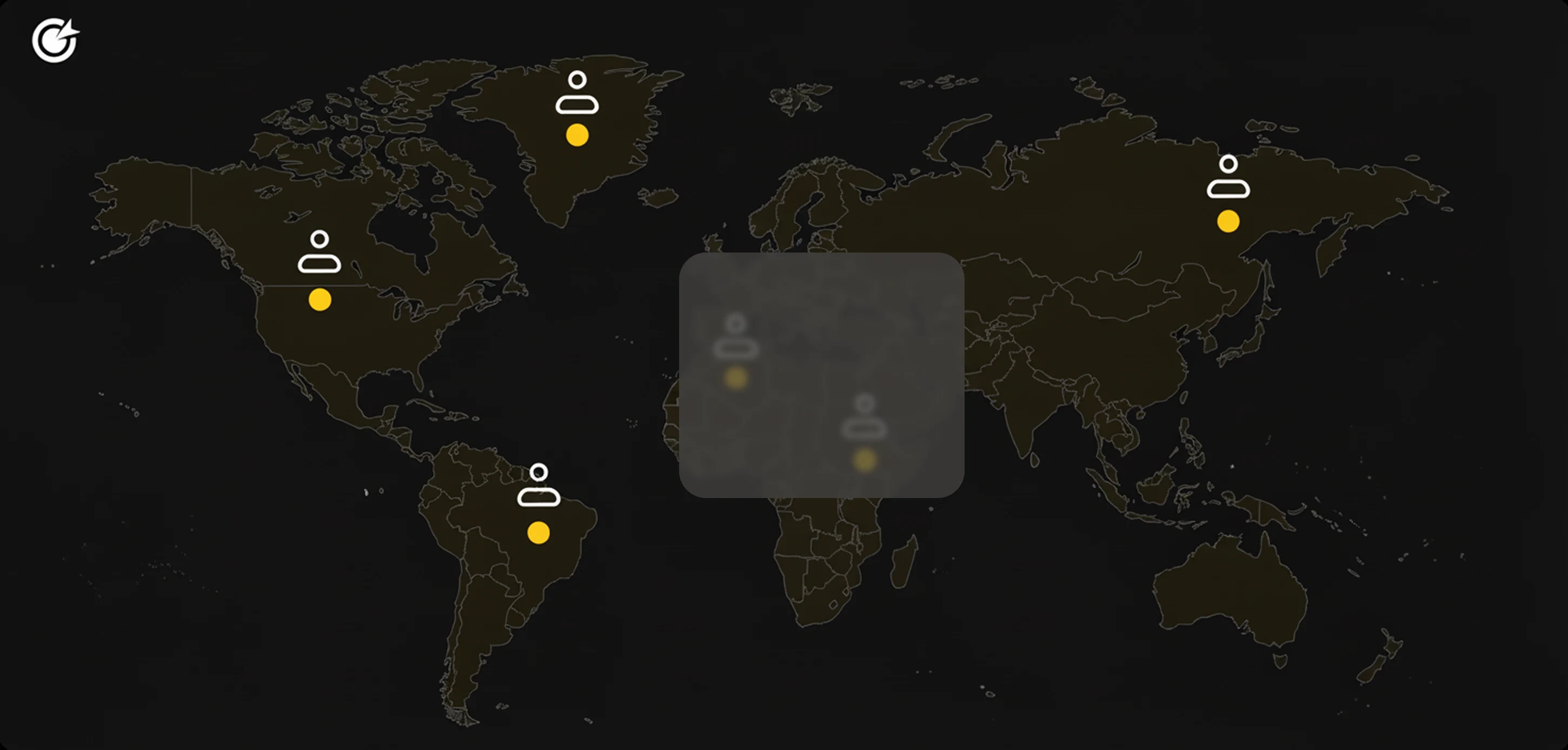
Hire Softaims talent around the world
25.1K+
Softaims unity developers in the world
691+
We'll help you find the perfect fit for your team. From AI specialists to Cloud Architects, access a curated network of elite remote talent designed to scale your business.
Hire Unity Developer
Hover over countries on the map to see the number of available developers in each location
Our dedicated unity developers use the following technologies to build modern web applications.
Unity Cloud Build
Jenkins
TeamCity
Travis CI
CircleCI
Bamboo
GitHub Actions
GitLab CI/CD
Azure DevOps
Bitrise
We offer comprehensive unity services to help you build, maintain, and scale your applications.
Our developers create immersive 3D games using Unity's powerful engine and manage assets efficiently with Unity's Asset Store and AssetBundles. This results in visually stunning and high-performance games that captivate users.
We specialize in integrating augmented reality and virtual reality features using Unity's XR Interaction Toolkit. This enhances user engagement by offering immersive experiences across various AR/VR devices.
Our engineers utilize Unity's Profiler and Frame Debugger to analyze and improve game performance. Clients benefit from smoother gameplay and reduced load times, enhancing user satisfaction.
Our team builds games that run smoothly on multiple platforms using Unity's cross-platform capabilities and C#. This ensures wider audience reach and consistent user experience across devices.
We develop custom shaders using Unity's Shader Graph and HLSL, creating unique visual effects that enhance the artistic appeal of games, leading to a more engaging user experience.
Our developers design and implement intuitive user interfaces using Unity's UI Toolkit, resulting in user-friendly navigation and improved game accessibility.
We integrate multiplayer functionality using Unity's networking capabilities and Photon, allowing for real-time interaction and increased player retention through engaging multiplayer experiences.
Our team utilizes Unity's Animation Rigging package and motion capture technology to create realistic character animations, enhancing the storytelling and immersion of games.
We design efficient project architectures using Unity's Scriptable Objects, enabling scalable game development and streamlined project management for complex game systems.
Our industry recognition is a testament to our rigorous vetting process and the impactful digital solutions we deliver. From connecting clients with top-tier global talent to building scalable web and mobile apps, our commitment to excellence sets us apart.

Clutch Top 1000 Companies

Top Entertainment App Developers

Expertise Best Mobile App Developer

Software World Top App Development Companies

Horizon Award Gold Awards Winner

Horizon Award Silver Awards Winner

Right firms Top Mobile App Development Company

Access free Unity Developers job description templates, expert-curated interview questions, and comprehensive Unity Developers roadmap to streamline your hiring process and find the best remote Unity Developers for your team.
Download ready-to-use Unity Developers job description templates tailored for your hiring needs.
Browse comprehensive FAQs and interview questions specifically for Unity Developers and Unity Developer roles.
Explore step-by-step learning paths and skill roadmaps specifically designed for Unity Developers and Unity Developer roles.
Discover expert-curated best practices, tips, and strategies specifically for Unity Developer roles and hiring Unity Developers.
Find answers to frequently asked questions about Softaims, our hiring process, developer vetting, pricing models, and how we ensure quality talent for your projects.
Free Productivity Timer Tools
Boost your team's productivity with our free online timer tools. Perfect for Pomodoro sessions, meetings, standups, and focused work sessions. No signup required, works offline.


By Dakota P.
 Verified Expert in Engineering
10 years of experience
My name is Dakota P. and I have over 10 years of experience in the tech industry. I specialize in the following technologies: Amazon Web Services, node.js, ExpressJS, React, Redis, etc.. I hold a degree in , Bachelor of Arts (BA). Some of the notable projects I’ve worked on include: UpWork Expert-Vetted Badge, Genji AI, Kidjo, Precious, Stylemuse, etc.. I am based in Berkeley, United States. I've successfully completed 6 projects while developing at Softaims.
I approach every technical challenge with a mindset geared toward engineering excellence and robust solution architecture. I thrive on translating complex business requirements into elegant, efficient, and maintainable outputs. My expertise lies in diagnosing and optimizing system performance, ensuring that the deliverables are fast, reliable, and future-proof.
The core of my work involves adopting best practices and a disciplined methodology, focusing on meticulous planning and thorough verification. I believe that sustainable solution development requires discipline and a deep commitment to quality from inception to deployment. At Softaims, I leverage these skills daily to build resilient systems that stand the test of time.
I am dedicated to making a tangible difference in client success. I prioritize clear communication and transparency throughout the development lifecycle to ensure every deliverable exceeds expectations.
Unity Developers specialize in creating interactive 3D and 2D experiences using the Unity game engine, which is widely used for developing video games, simulations, and virtual reality (VR) applications. Companies need Unity Developers to build immersive experiences that engage users, enhance training programs, or provide compelling educational tools. Unity's cross-platform capabilities allow developers to create content that runs on multiple devices, thus expanding the reach and potential audience of applications.
This guide offers an in-depth look into hiring Unity Developers, covering everything from essential skills and interview techniques to salary expectations and future trends. By the end of this guide, you'll have a comprehensive understanding of how to hire Unity Developers effectively and ensure they're the right fit for your project.
In my experience, Unity Developers are integral to businesses aiming to produce engaging content across multiple platforms. Unity's versatility allows these developers to create games, simulations, and VR applications that captivate users. For instance, the gaming industry heavily relies on Unity; companies like Electronic Arts and Ubisoft use Unity to develop both indie and AAA games, enhancing gameplay through innovative features. According to Forbes, the demand for immersive experiences continues to grow, and Unity Developers play a key role in meeting this demand.
Beyond gaming, Unity is also used in industries such as automotive, architecture, and education. In the automotive sector, manufacturers like Volvo use Unity for designing and prototyping, which speeds up the development process and reduces costs. Unity's ability to simulate real-world scenarios in a virtual environment provides valuable insights before physical prototypes are made, offering clear advantages in terms of time and resource management. In the educational field, Unity is utilized to create interactive learning experiences that make complex subjects more accessible and engaging, as highlighted in a report by TechCrunch.
In practice, hiring Unity Developers allows companies to improve operational efficiency, enhance customer engagement, and explore new business opportunities. Unity's cross-platform support ensures that developers can create applications that work on various devices, maximizing audience reach. One pattern I've noticed is that companies that consistently employ Unity Developers often report measurably higher customer satisfaction and retention rates, as the interactive experiences they build lead to more immersive and satisfying user interactions.
When hiring Unity Developers, it's crucial to identify key skills that directly contribute to the success of your Unity projects. In my experience, Unity-specific skills fall into categories such as scripting, 3D modeling, and understanding of the Unity engine itself. One pattern I've noticed is that developers who excel in these areas can significantly enhance the quality and performance of the applications they create. According to LinkedIn, most employers list Unity proficiency as a core requirement for development roles.
In practice, the most effective approach I've seen is to evaluate candidates based on their proficiency with Unity's scripting languages, such as C#. Additionally, a solid understanding of game physics, user interface (UI) design, and asset management is vital. When I've interviewed Unity Developers, those who demonstrate strong problem-solving skills and creativity tend to excel, as these qualities are essential for developing engaging and functional Unity applications.
These skills ensure that Unity Developers can handle the diverse challenges presented by various projects, from optimizing performance to creating visually stunning graphics. As the technology evolves, keeping up with Unity's latest features and enhancements is also crucial for ongoing success.
Interviewing Unity Developers requires a focused approach to assess both their technical skills and their ability to fit within your team. In practice, I've found that a combination of technical questions and behavioral assessments provides the most accurate gauge of a candidate's suitability. One common mistake is relying solely on technical questions, which can overlook critical soft skills and team compatibility. A well-rounded interview process should test Unity-specific knowledge while also exploring how candidates handle real-world challenges.
In my experience, behavioral assessments are equally important. Understanding how a candidate approaches problem-solving, teamwork, and project management can be as crucial as their technical skills. The most effective approach I've seen involves asking candidates to describe past experiences where they faced significant challenges and how they overcame them. This not only reveals their problem-solving abilities but also their resilience and adaptability.
One pattern I've noticed is that teams that skip this step often face challenges later, as technical skills alone don't guarantee a smooth integration into an existing team. According to Harvard Business Review, assessing cultural fit and emotional intelligence can lead to higher retention rates and more harmonious team dynamics.
Hiring Unity Developers involves understanding the global market context and the various factors that influence salary expectations. In 2026, the demand for Unity Developers remains high, as the gaming and VR sectors continue to expand. According to Salary.com, salaries vary based on factors such as location, experience level, and project complexity. Generally, Unity Developers in the United States command higher salaries compared to those in other regions due to the competitive tech landscape.
| Country | Junior Level (Per Hour) | Junior Level (Per Year) | Mid-Level (Per Hour) | Mid-Level (Per Year) | Senior Level (Per Hour) | Senior Level (Per Year) |
|---|---|---|---|---|---|---|
| United States | $25-$35 | $50,000-$70,000 | $40-$60 | $80,000-$120,000 | $60-$100 | $120,000-$180,000 |
| United Kingdom | $20-$30 | $40,000-$60,000 | $30-$50 | $60,000-$100,000 | $50-$80 | $100,000-$160,000 |
| Canada | $20-$30 | $40,000-$60,000 | $30-$50 | $60,000-$100,000 | $50-$80 | $100,000-$160,000 |
| Germany | $20-$30 | $40,000-$60,000 | $30-$50 | $60,000-$100,000 | $50-$80 | $100,000-$160,000 |
| India | $5-$15 | $10,000-$30,000 | $10-$20 | $20,000-$40,000 | $20-$40 | $40,000-$80,000 |
| Poland | $15-$25 | $30,000-$50,000 | $25-$35 | $50,000-$70,000 | $35-$55 | $70,000-$110,000 |
| Ukraine | $15-$25 | $30,000-$50,000 | $25-$35 | $50,000-$70,000 | $35-$55 | $70,000-$110,000 |
| Brazil | $10-$20 | $20,000-$40,000 | $15-$25 | $30,000-$50,000 | $25-$35 | $50,000-$70,000 |
Teams that hire Unity Developers through Softaims gain access to pre-screened talent at rates significantly below the US market average — without compromising on quality or technical depth. Developers are matched to your requirements within 48 hours, giving you direct access to senior Unity talent at a fraction of the cost of a local hire.
Deciding between hiring dedicated Unity Developers or opting for freelance talent depends on the specifics of your project and organizational needs. In my experience, dedicated developers are crucial for long-term projects requiring continuous updates and support, such as live-service games or complex VR applications. These developers become integral to the team, bringing a deep understanding of the project that enhances collaboration and innovation. Teams that invest in dedicated Unity Developers often find that these professionals help establish a consistent development cadence.
Conversely, freelance Unity Developers are well-suited for short-term or highly specialized tasks. For example, if your project requires a specific feature like advanced AI programming or a unique visual style, a freelance developer with niche expertise might be the perfect fit. One pattern I've noticed is that companies often choose freelancers when they need rapid iteration and flexibility without the long-term commitment of a full-time hire. According to Entrepreneur, the gig economy provides access to a diverse talent pool that can adapt to dynamic project needs.
In practice, the trade-offs between these models include cost, availability, and integration. While dedicated Unity Developers provide stability and consistency, freelancers offer cost-effective solutions for specific tasks. When hiring through Softaims, you gain access to both dedicated and freelance Unity Developers, allowing you to choose the model that aligns with your strategic goals and project demands.
Hiring offshore Unity Developers provides a cost-effective alternative to local hiring without sacrificing quality. Teams that hire Unity Developers through Softaims benefit from access to a global talent pool, enabling them to find experienced developers at competitive rates. Offshore developers often work in different time zones, which can extend productivity hours and accelerate project timelines when managed effectively.
One of the main advantages of hiring offshore Unity Developers is the significant reduction in costs. For example, while a senior Unity Developer in the U.S. may earn upwards of $100 per hour, an offshore counterpart can offer similar expertise at a fraction of the price. Teams that hire Unity Developers through Softaims gain access to vetted offshore talent within 48 hours, ensuring that you receive qualified candidates who meet your technical and cultural requirements.
| Factor | Local (US) Hire | Offshore Unity Developer via Softaims |
|---|---|---|
| Junior Annual Salary | $50,000–$70,000 | $20,000–$35,000 |
| Senior Annual Salary | $120,000–$180,000 | $40,000–$60,000 |
| Hourly Rate (Mid-Level) | $40–$60/hr | $25–$35/hr |
| Average Time to Hire | 4–8 weeks | 24–48 hours |
| Benefits & Overhead | +25–35% on top of salary | None |
| Contract Flexibility | Full-time preferred | Full-time / Part-time / Project-based |
| Talent Pool Access | Regional | Global |
Identifying red flags during Unity Developer interviews can save your team from costly hiring mistakes. In my experience, one significant red flag is a candidate's inability to articulate their problem-solving process. Unity Developers need to be adept at overcoming technical challenges, so a lack of clear, structured thinking can indicate inadequate preparation or experience.
Another red flag is superficial knowledge of Unity's features. When I've interviewed Unity Developers, those who cannot provide detailed explanations or examples of how they've used specific Unity features, such as the Animation system or Physics Engine, may not possess the depth of understanding required for complex projects. One pattern I've noticed is that candidates who struggle with this often rely on buzzwords without demonstrating real technical expertise.
In practice, it's also crucial to assess a candidate's adaptability to new tools and updates within Unity. A common mistake is to overlook a candidate's willingness to learn or adapt to the latest Unity enhancements. According to a discussion on Stack Overflow, successful Unity Developers are those who stay updated with Unity's evolving ecosystem. Ignoring these red flags can lead to hiring developers who may not effectively contribute to your projects, leading to delays and increased development costs.
Evaluating Unity Developers requires a structured approach to assess their technical capabilities and fit within your team. In my experience, following a step-by-step method ensures that you identify candidates who not only possess the necessary skills but also align with your project's goals. The most effective approach I've seen involves a combination of technical assessments, interviews, and practical tests.
In practice, this comprehensive evaluation process helps ensure that you hire Unity Developers who not only meet technical requirements but also integrate well into your team. According to Greenhouse ATS, using a structured evaluation process can significantly improve hiring outcomes. One common mistake is rushing through evaluations, which can lead to hiring candidates who may not fully meet your needs or expectations.
Having a detailed checklist can simplify the hiring process for Unity Developers, ensuring that no critical steps are overlooked. In my experience, a well-defined process helps streamline recruitment, allowing you to focus on finding the best candidates. One pattern I've noticed is that companies with clear hiring procedures tend to fill positions more efficiently.
The most effective approach I've seen involves breaking down the hiring process into distinct phases, each with specific tasks and goals. This not only organizes the process but also provides a clear roadmap for hiring managers and recruiters. According to Lever ATS, structured hiring processes result in better alignment between hiring teams and candidates.
In practice, a checklist ensures that every step is completed systematically, reducing the risk of oversight. This approach not only improves hiring efficiency but also increases the likelihood of finding Unity Developers who align with your project's needs and team culture.
Onboarding Unity Developers effectively is crucial for setting them up for success and ensuring they become productive members of your team. In my experience, a structured onboarding process helps new hires integrate smoothly and quickly adapt to your project's requirements. One common mistake is neglecting to provide clear guidance during the initial stages, which can lead to confusion and reduced productivity.
The most effective approach I've seen involves a combination of technical setup, codebase familiarization, and mentorship. Ensuring that Unity Developers have access to the necessary tools and resources is critical for their success. When I've onboarded Unity Developers, providing a comprehensive introduction to the existing codebase has proven invaluable for helping them understand project architecture and design principles.
In practice, mentoring plays a significant role in a developer's growth and integration. Assigning a mentor who can offer guidance and support during the initial weeks can significantly reduce the ramp-up time for new hires. According to SHRM, effective onboarding practices lead to higher job satisfaction and retention rates. Teams that prioritize a structured onboarding process often find that new Unity Developers quickly become valuable contributors to their projects.
Hiring Unity Developers presents unique challenges that require careful consideration and strategic planning. In my experience, one of the most significant challenges is the scarcity of experienced Unity talent. As Unity continues to gain popularity, the demand for skilled developers often outpaces supply, making it difficult to find candidates with the right expertise and experience.
Another challenge is differentiating between practical Unity experience and theoretical knowledge. When I've interviewed Unity Developers, some candidates have struggled to translate their academic understanding into actionable skills. The most effective approach I've seen involves using technical assessments and practical tests to evaluate a candidate's ability to apply Unity skills in real-world scenarios.
Retention is also a common challenge in Unity Developer roles. One pattern I've noticed is that developers often seek new opportunities to work on diverse and innovative projects. According to Glassdoor, offering competitive compensation and opportunities for professional growth are key strategies for retaining Unity talent. Teams that actively engage and challenge their developers often have higher retention rates and more successful projects.
Softaims offers a comprehensive solution for hiring Unity Developers, eliminating the need for clients to manage multiple platforms for sourcing and assessing candidates. In my experience, Softaims simplifies the hiring process by internally handling candidate sourcing, skill verification, technical vetting, and profile screening. This approach allows companies to access pre-vetted Unity Developers without the burden of running their own recruitment stack.
When hiring Unity Developers, teams often rely on tools like HackerRank or Codility for technical assessments. However, Softaims removes this burden entirely by providing access to developers who have already been vetted for technical proficiency and cultural fit. In my experience, this leads to a more efficient hiring process and a higher quality of hires.
Teams that hire Unity Developers through Softaims can focus on project execution rather than recruitment logistics. With access to a global talent pool, Softaims offers flexibility in hiring models, whether you need full-time, part-time, or project-based developers. For those interested in starting the process, Softaims offers a straightforward path to get in touch and begin building your Unity development team.
In 2026, Unity development is influenced by several key trends that have significant implications for hiring. One major trend is the increasing demand for immersive experiences in sectors beyond gaming. Industries like healthcare and education are adopting Unity for training simulations and interactive learning tools, creating new opportunities for Unity Developers. According to TechCrunch, this expansion is expected to drive continued demand for skilled Unity talent.
Another trend is the integration of real-time ray tracing technology into Unity, which enhances the visual fidelity and realism of 3D applications. Unity Developers with expertise in this area are highly sought after, as they can deliver cutting-edge graphics that meet the expectations of sophisticated users. In my experience, hiring developers with specialized skills in emerging technologies is crucial for staying competitive in the evolving digital landscape.
Additionally, the rise of remote work has transformed how teams collaborate on Unity projects. Hiring models have adapted to accommodate distributed teams, allowing companies to access a global pool of talent. One pattern I've noticed is that companies embracing remote Unity development often benefit from diverse perspectives and increased innovation. According to a report by Forbes, remote work is expected to remain a staple in Unity development, offering flexibility and access to a broader range of skills.
Hire top-tier Unity Developers through Softaims within 48 hours, ensuring you have the expertise needed for your next project.
Discover how Softaims can connect you with experienced Unity talent and simplify your hiring process.
When hiring Unity Developers, prioritizing skills such as proficiency in C# scripting, experience with Unity's Animation system, and an understanding of cross-platform deployment is essential for ensuring high project quality. The biggest red flag during Unity interviews is a candidate's superficial knowledge of Unity's key features, which can lead to project delays and increased costs if overlooked. In my experience, the best hiring model depends on the project's nature; dedicated developers are ideal for long-term projects, while freelance Unity Developers offer flexibility and cost savings for short-term needs.
Effective onboarding reduces the ramp-up time for Unity Developers, allowing them to become productive team members quickly. Providing access to necessary tools and assigning mentors are practical strategies that lower onboarding barriers. Hiring the right Unity Developer can have a measurable business impact, such as improved user engagement and faster time-to-market for applications. To explore how to hire Unity Developers and simplify your recruitment process, connect with Softaims.


 Github